
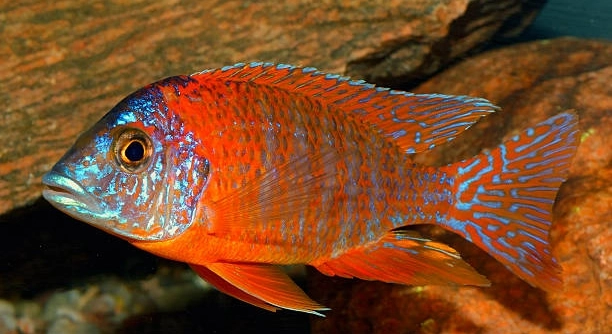
Cichlids are fascinating fish that show interesting behaviors before preparing a nest. Their actions are often careful and deliberate, showing both instinct and intelligence. Observing them can reveal surprising details about their natural habits.
Before digging a nest, cichlids perform several preparatory behaviors. They clean and inspect the chosen area, establish territorial boundaries, display courtship signals, move small objects, clear debris, adjust substrate, and communicate with potential mates. These actions ensure a suitable nesting site.
Watching these small yet precise behaviors gives insight into their complex nature and helps aquarists create a supportive environment for breeding. Understanding each step can make caring for them more rewarding.
Cleaning the Nesting Area
Before cichlids start digging, they spend a lot of time cleaning the area. They remove debris, algae, and small particles from the chosen spot. This cleaning helps them see the surface clearly and ensures the eggs will have a safe place to attach. Some cichlids even scrape surfaces with their mouths or fins to smooth the substrate. Observing this behavior can be surprisingly precise, as they often circle the area multiple times. Cleaning also signals to their potential mate that the site is ready. The effort they put into tidying shows how important the nest is for reproduction. Aquarists can support this behavior by keeping the tank clean and providing suitable substrate for nesting. Over time, cichlids can be seen returning to the spot repeatedly, adjusting and improving it. This preparation is essential for successful breeding and healthy fry development.
Proper cleaning of the nesting area ensures eggs can attach securely and reduces the risk of contamination. This step is critical for reproductive success.
Providing smooth, flat surfaces and removing sharp or loose debris allows cichlids to focus on nest preparation without interruptions. Observing them clean the area also gives insight into their natural instincts and how they prioritize safety and suitability for reproduction. Ensuring the substrate is appropriate and maintaining general tank cleanliness supports their efforts, leading to better breeding outcomes. Watching this careful process can feel almost like seeing a ritual unfold, highlighting the precision and focus cichlids bring to their environment before nesting.
Establishing Territory
Cichlids mark and defend their chosen area early in the nesting process. They chase other fish away and assert dominance to secure the site.
By establishing a clear territory, cichlids prevent disturbances during nesting and increase the chances of successful egg laying. This behavior reduces stress and ensures only the strongest and most prepared fish can breed. Territory marking includes visual displays like flaring fins, color changes, and body postures. The area becomes a safe zone where they can focus on digging and attracting a mate. Some species even guard the space for days before actual egg deposition. Understanding this behavior helps aquarists provide enough space and hiding spots to minimize conflicts. Recognizing signs of territorial establishment also allows timely separation of aggressive fish or adjustment of tank layout. Overall, territory is the foundation of the nesting process, ensuring cichlids can prepare their nests with confidence and without unnecessary interference.
Displaying Courtship
Cichlids perform courtship displays to attract a mate. They show bright colors, flare fins, and swim in patterns near the nesting site. These actions signal readiness and help strengthen pair bonding before eggs are laid.
Courtship in cichlids can be detailed and consistent. Males often circle the nest, showing off their strength and colors, while females respond with movements that indicate interest or approval. This interaction helps both fish evaluate each other’s fitness for breeding. Displays may include nudging, head shaking, and subtle body vibrations. Over time, these actions increase coordination between the pair, preparing them for the actual nesting process. Courtship also establishes a rhythm for cooperation, as both fish begin participating in nest preparation together. Aquarists observing these behaviors can anticipate when eggs are likely to be laid.
These displays are not random but carefully timed and repeated. They communicate intentions clearly between mates, reduce aggression, and ensure the nest is ready. Successful courtship often leads to smoother egg-laying, as both fish understand their roles. Watching these interactions highlights the thoughtfulness behind cichlid breeding behavior and shows how instinct guides their actions toward reproduction.
Moving Objects
Cichlids shift rocks, shells, and other materials to prepare the nest. They rearrange objects to create a stable, comfortable site for eggs.
Moving objects is a precise activity. Fish lift small stones or scoop substrate with their mouths, placing them to reinforce nest boundaries or create depressions for egg placement. This behavior is repeated multiple times, sometimes over several days, to ensure the nest is stable. They may remove unwanted debris or shift items that could disturb eggs. Both male and female cichlids participate in this process, coordinating their efforts. This manipulation of the environment is essential, as it mimics conditions found in natural habitats, providing safety and stability for developing embryos. Observing these actions demonstrates the level of planning and instinctual intelligence cichlids employ, making their breeding behavior both fascinating and purposeful.
Clearing Debris
Cichlids actively remove loose substrate and detritus from the nesting area. They use their mouths and fins to push away particles that could interfere with egg attachment or compromise nest stability.
This clearing behavior ensures the nest remains smooth and safe. Even tiny debris is moved, showing how meticulous cichlids are before laying eggs.
Adjusting Substrate
Cichlids often dig small depressions or mound certain areas of the substrate. These adjustments create ideal spots for eggs and help control water flow around the nest. The movements are careful and repeated, ensuring the chosen site is stable, comfortable, and attractive to both mates.
Communicating With Mate
Cichlids use subtle movements and gestures to coordinate with their partner. Nods, nudges, and body positioning signal readiness and indicate areas needing adjustment.
These communications maintain cooperation and reduce conflicts, helping both fish work together efficiently while preparing the nest for eggs.
FAQ
How long do cichlids usually prepare a nest?
Nest preparation can vary by species and individual fish. Some cichlids spend only a few hours cleaning and arranging the site, while others may take several days to move objects, adjust substrate, and perform courtship displays. Factors like tank size, available materials, and water conditions influence the duration. Observing your fish carefully can give you a good sense of their timeline and readiness for egg-laying.
Do both male and female cichlids help with nest building?
Yes, in most species, both partners contribute to nest preparation. Males often focus on defending territory and moving larger objects, while females assist with cleaning, adjusting substrate, and evaluating the site. This teamwork ensures the nest is safe, secure, and properly shaped to support eggs. The cooperation between mates is essential for reproductive success, especially in species where both parents guard the fry after hatching.
Why do cichlids move objects around the nest?
Shifting rocks, shells, or substrate helps create a stable and comfortable site for eggs. Removing loose debris prevents eggs from being buried or damaged, while arranging objects can form small depressions or barriers. This behavior is instinctual, enhancing both protection and egg attachment. Aquarists can provide flat rocks, sand, or gravel to support this behavior.
How can I tell if a cichlid is ready to lay eggs?
Signs include intensified nest cleaning, repeated substrate adjustments, and active courtship displays. Males may show brighter colors, flare fins, and patrol the nesting site, while females linger near the nest and follow the male’s cues. Coordinated movements and nudging behaviors indicate the pair is synchronized and ready for egg-laying.
Do cichlids communicate while preparing the nest?
Yes, subtle gestures such as nods, nudges, and body positioning help mates coordinate activities. These signals reduce conflicts, guide adjustments, and ensure both fish are in agreement about the nest layout. Communication continues throughout preparation, creating a cooperative environment. Observing these signals can help you understand when the nest is near completion.
Is it necessary to provide specific substrate for cichlid nesting?
While cichlids can adapt to many types of substrate, providing sand, gravel, or smooth stones makes nest preparation easier and safer. Substrate should allow easy cleaning, digging, and attachment of eggs. Avoid sharp or unstable materials that could damage eggs or fry. Proper substrate supports the fish’s natural instincts and encourages successful breeding.
Do cichlids ever abandon a nest?
Abandonment can occur if the site is disturbed, overcrowded, or unsuitable for egg-laying. Stress from tankmates, poor water quality, or inadequate materials may also lead to desertion. Observing preparation behaviors helps prevent issues, as you can intervene by offering appropriate substrate, adjusting tank layout, or separating aggressive fish. Maintaining a calm and stable environment is key to keeping the pair focused on nesting.
How often do cichlids adjust their nests?
Even after initial preparation, cichlids may continue adjusting the nest to optimize stability or comfort. Small shifts in substrate, rearranging objects, or smoothing surfaces are common. These repeated adjustments reflect their careful planning and ensure eggs are deposited in a secure location. Regular observation helps you notice these behaviors and understand their nesting needs.
Can other fish interfere with nesting behavior?
Yes, tankmates can disrupt cleaning, moving objects, and courtship. Aggressive or curious fish may stress cichlids, causing delays or abandonment. Providing a separate breeding tank or isolated area minimizes interference and allows the pair to complete nest preparation without interruptions. Creating a peaceful environment supports natural behaviors and improves egg survival rates.
How do I know the nest is fully ready?
Indicators include completed substrate adjustments, objects arranged in stable positions, both fish displaying coordinated behavior, and the female lingering near the site. Courtship may become more intense, and both mates actively defend the territory. At this stage, eggs are likely to be laid soon, and parental behaviors will follow.
What should I do to support cichlids during nesting?
Maintain clean water, provide appropriate substrate, minimize disturbances, and ensure adequate space. Avoid introducing new fish during this time, as stress can interrupt nest preparation. Observing their behaviors gives clues about readiness and progress, allowing you to make small adjustments that improve conditions. Proper care enhances breeding success and fry survival.
Are all cichlid species equally meticulous with nest building?
No, behaviors vary by species. Some are very precise, cleaning and adjusting constantly, while others are simpler and quicker. Knowing your species’ tendencies helps set expectations and provides the right environment for nesting. Observing patterns and preparing accordingly supports their natural instincts.
Do cichlids reuse nests?
Some species may reuse parts of a nest if the structure remains intact, while others start fresh each time. Reuse depends on substrate stability, previous success, and species-specific behavior. Offering reusable materials like rocks or shells can encourage repeat use while allowing cichlids to modify the site to their liking.
How long after preparation are eggs laid?
Eggs are typically laid shortly after nest preparation is complete, often within hours or a day. Timing depends on environmental factors, water quality, and readiness of the female. Close observation during the final preparation stages provides the best indication that spawning is imminent.
Can nest preparation affect fry survival?
Yes, careful nest preparation ensures eggs are secure and protected from debris or water currents. Well-prepared nests increase hatching success and provide a stable area for fry. Observing behaviors like cleaning, moving objects, and communication signals the pair is actively working to maximize survival chances.
Do cichlids need extra care during nest preparation?
Providing a stable, quiet environment and maintaining water quality is usually sufficient. Extra care includes monitoring for aggressive tankmates, ensuring suitable substrate, and avoiding sudden changes in temperature or lighting. Minimal but consistent support allows cichlids to focus on nest preparation naturally, promoting successful breeding outcomes.
This FAQ covers the key behaviors and needs cichlids display before and during nest preparation, helping aquarists understand their instincts and ensure safe, successful breeding.
Cichlids are remarkable fish with behaviors that often go unnoticed until you pay close attention. Their nest preparation is a clear example of how instinct and care combine to ensure survival. Every action, from cleaning the site to moving objects, shows planning and purpose. Observing these behaviors can be fascinating, as each movement is deliberate and precise. Even simple tasks like clearing debris are performed with attention to detail, demonstrating their natural drive to protect their eggs. Watching them in this process gives insight into their intelligence and the ways they interact with their environment. Providing proper conditions in a tank allows these behaviors to occur naturally, giving both the fish and the aquarist a more complete and rewarding experience. By understanding what they do before digging a nest, it becomes easier to anticipate their needs and support their natural instincts.
The cooperation between male and female cichlids during nest preparation is also noteworthy. Both partners contribute in different ways, with males often defending territory and moving larger objects while females adjust finer details and assess the site. Communication between the pair, through nudges, gestures, and body language, ensures tasks are coordinated and conflicts are minimized. This teamwork is essential to prepare a suitable nest and to improve the chances of successful breeding. As aquarists, observing these subtle interactions can help us recognize signs of readiness and understand when the nest is complete. It also highlights the importance of creating a calm and suitable environment. Factors like clean water, appropriate substrate, and minimal disturbances can make a significant difference. When cichlids are left to follow their instincts without stress, the result is a safer and more effective nest for eggs, which ultimately supports healthier fry development.
Supporting cichlids during nest preparation is as much about observation as it is about providing the right conditions. Being attentive to their behaviors allows aquarists to notice subtle signs like cleaning, object movement, or courtship displays. Each of these actions reflects careful planning by the fish and indicates that they are ready for the next stage of reproduction. Ensuring that they have the proper materials, adequate space, and a stable environment reduces stress and encourages natural behavior. These preparations, while sometimes slow and repetitive, are essential to the success of the nest. Understanding and respecting these instincts allows the breeding process to progress smoothly and results in healthier, well-protected eggs and fry. Over time, observing and supporting these behaviors can deepen appreciation for cichlids, showing how instinct, communication, and cooperation guide even small fish through complex and purposeful actions.
Word count: 404

Hello,
If you enjoy the content that we create, please consider saying a "Thank You!" by leaving a tip.
Every little bit helps us continue crafting quality advice that supports the health, happiness, and well-being of pets around the world, for pets of all shapes, sizes, and species.
We really appreciate the kindness and support that you show us!