
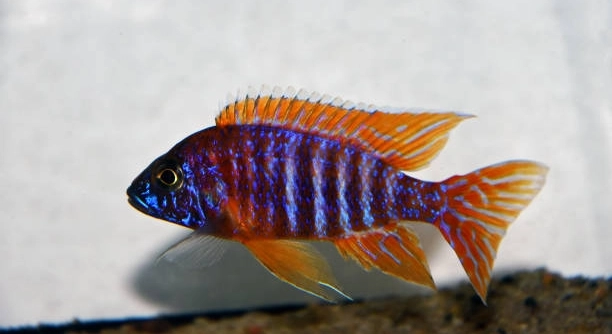
Many cichlid owners enjoy watching their fish interact, especially when the fish are active and lively. Breeding behavior can be fascinating, showing unique patterns and behaviors that reveal the natural instincts of these colorful creatures.
Cichlids exhibit clear signs when they are breeding again, including territorial displays, cleaning of surfaces, increased aggression, and changes in coloration. Recognizing these behaviors allows owners to monitor breeding activity and provide an optimal environment for successful reproduction.
Observing these patterns can make caring for cichlids more engaging and help ensure their wellbeing during breeding periods.
Increased Aggression Between Pairs
When cichlids are preparing to breed again, you may notice that their interactions become more tense. Males often become territorial, chasing away other fish from their chosen space. Females may also show signs of protectiveness, hovering near the same area or following the male closely. This behavior is a natural instinct that helps secure a safe spot for laying eggs. You might see them flaring their fins, making short darting movements, or repeatedly nudging each other. Tank decorations like rocks or caves can become focal points for their displays, as these spots are often chosen for nesting. It’s important to provide enough hiding spaces for other fish to reduce stress. Feeding schedules might also change slightly, as cichlids may eat less or focus on specific areas of the tank. Observing these behaviors carefully can help you identify when breeding activity is about to peak.
Aggression between pairs is a reliable sign that breeding is imminent.
Watching how the fish interact can be fascinating. Their movements, postures, and small displays all indicate readiness to spawn. By keeping an eye on these behaviors, you can adjust tank conditions, ensure privacy, and maintain water quality. Proper observation helps prevent injuries, supports healthy mating, and allows you to notice early signs of fry once they appear.
Cleaning and Preparing Surfaces
Before laying eggs, cichlids often spend time cleaning rocks, leaves, or tank glass. This behavior ensures the eggs have a safe, clean place to develop.
Surface preparation is a key breeding indicator for cichlids.
The cleaning process involves scraping algae, moving small debris, and sometimes rubbing their bodies along the surface. Both males and females participate in this activity, although females are often more meticulous. They may choose flat stones, cave entrances, or even plant leaves as ideal spots for eggs. By watching which areas are being prepared, you can predict where eggs are likely to appear. This behavior also signals that the fish feel secure in the tank environment. Observing this step helps owners plan feeding routines, monitor water quality closely, and ensure that aggressive tankmates do not disturb the pair. These small adjustments can make a big difference in successful spawning and the survival of the fry.
Color Changes
Cichlids often display brighter and more intense colors when they are ready to breed again. Males usually show the most dramatic changes, signaling fitness and readiness to females, while females may also exhibit subtle shifts in hue.
Color changes are a clear breeding signal. Males often intensify shades of blue, red, or yellow, depending on their species. These vibrant colors are used to attract females and establish dominance over territory. Females may darken certain patterns or spots, showing receptiveness to the male’s advances. Watching these changes closely can give a good indication of timing, helping you anticipate egg-laying and adjust tank conditions to minimize stress and provide privacy for the breeding pair.
These shifts in coloration are temporary but reliable. They usually appear just before spawning and fade once eggs are laid or the pair becomes less active in courtship. Noticing this can also help in distinguishing between general health-related color changes and true breeding signals, ensuring you respond appropriately to your cichlids’ needs during this critical period.
Nest Guarding
Breeding cichlids spend a lot of time guarding their nest once eggs are laid. Both parents often remain close to the site, fending off intruders and keeping the eggs safe.
Nest guarding is a strong sign of active breeding.
Parents exhibit constant vigilance around their chosen surface, moving quickly to chase other fish or even rearranging small objects near the nest. This behavior can include gentle nudges to reposition eggs and careful attention to water flow around the site. Guarding also reduces the risk of fungus or debris harming the eggs, as parents maintain a clean and safe environment. Over time, they may even adjust their positions to shield fry once they hatch, showing continued protective instincts. Observing this behavior helps you understand the level of care and interaction cichlids provide, emphasizing the importance of maintaining stable tank conditions to support successful reproduction.
Frequent Digging
Cichlids often dig in the substrate when preparing to breed again. They move sand or gravel around, creating small pits or clearing areas for eggs.
This digging is purposeful. It helps secure a safe spot for eggs and shows the fish are actively preparing for spawning.
Chasing Other Fish
Breeding cichlids increase their chasing behavior. They drive away other tankmates to protect their territory and nesting site.
This behavior can seem aggressive, but it is natural. The pair ensures their eggs and future fry are safe from interference. Watching these interactions can help identify breeding readiness.
Constant Pair Interaction
Breeding cichlids stay close to each other, swimming together and coordinating movements. This behavior strengthens their bond and ensures successful egg-laying.
FAQ
How can I tell if my cichlid pair is ready to breed again?
A pair that is ready to breed will show several behaviors at once. Males often display brighter colors, become territorial, and chase other fish. Females may clean a flat surface or rock repeatedly and stay close to the male. Digging in the substrate and constant pair interaction are strong indicators that spawning is imminent. Observing these behaviors together gives a clear picture of readiness, and it helps in preparing the tank environment for a successful breeding attempt.
Why does my cichlid chase other fish so aggressively?
Chasing behavior increases during breeding periods because the pair is protecting their territory. Both males and females will drive away intruders from the nesting area. This behavior is natural and shows they are preparing to lay eggs or guard existing eggs. Reducing stress in the tank, providing hiding spots, and limiting the number of tankmates near the breeding pair can help minimize unnecessary conflicts while still allowing the cichlids to display normal breeding behavior.
What does surface cleaning mean in cichlids?
Surface cleaning is when cichlids meticulously scrape rocks, leaves, or tank glass before spawning. They remove algae and debris to prepare a safe environment for eggs. This behavior is primarily done by females, although males may also assist. It signals that the pair feels secure in the tank and is actively preparing to lay eggs. Watching where the fish clean can help predict where eggs will be deposited. Ensuring the area is stable and free from disturbance is important for the success of the spawn.
Are color changes always a sign of breeding?
Not always, but color changes are a strong indicator when combined with other behaviors. Healthy males often display brighter colors to attract females and assert dominance. Females may also darken spots or patterns to signal receptiveness. Temporary changes related to stress or diet are different, usually appearing more subtle and inconsistent. By monitoring these shifts alongside digging, cleaning, and pair interaction, you can confidently identify when breeding activity is occurring.
How long does it take for cichlids to start breeding again after a previous spawn?
The time varies depending on the species, age, and health of the fish. Generally, cichlids may prepare for a new spawn within a few weeks after the fry have been separated or become independent. Maintaining optimal water conditions, regular feeding, and low stress will encourage the pair to breed again more quickly. Observing recurring behaviors like digging, chasing, and cleaning helps determine when the next breeding cycle begins.
Do both cichlid parents guard the eggs and fry?
Yes, most cichlid species display biparental care. Both the male and female stay near the eggs, protecting them from other fish, adjusting their positions, and keeping the area clean. After the fry hatch, parents continue guarding them, guiding them to safe spots and ensuring they are not disturbed. This cooperative care increases the survival rate of the offspring. Observing how the pair divides responsibilities can give insight into their breeding habits and readiness for another spawn.
Can stress prevent my cichlids from breeding again?
Absolutely. High stress from overcrowding, poor water quality, or aggressive tankmates can delay or prevent breeding. Providing hiding spaces, maintaining stable water parameters, and limiting disturbances will reduce stress and encourage natural breeding behaviors. Watching for signs like color dulling, decreased feeding, or reduced interaction can help identify stress before it affects spawning.
What tank setup is best for encouraging repeat breeding?
A tank with ample hiding spaces, flat rocks or caves for egg laying, and stable water conditions works best. Providing clean substrate for digging, moderate lighting, and low-flow areas can help the pair feel secure. Minimizing other fish around the nesting site reduces stress and aggression. Keeping a consistent feeding schedule ensures the parents have energy for egg-laying and fry care. Observing how they use the setup will help you adjust for better breeding success.
How can I distinguish between normal aggression and breeding aggression?
Normal aggression usually involves brief, occasional chasing and territory disputes. Breeding aggression is more intense, focused on specific areas like rocks or substrate, and persists consistently. Both male and female may chase intruders, flare fins, and guard a chosen surface. Combining these observations with color changes and surface cleaning confirms that the behavior is linked to breeding rather than general dominance.
Should I separate fry after the parents breed again?
It depends on your goals and tank size. In some species, parents can continue caring for multiple broods, but overcrowding or limited space may reduce survival rates. Separating fry allows parents to focus on new eggs and prevents older fry from being accidentally harmed. Monitoring the tank carefully and deciding based on species behavior will ensure the best outcome for both the parents and the fry.
Breeding cichlids is a fascinating experience, especially when you can recognize the signs that a pair is ready to spawn again. Observing their behavior closely makes it easier to understand what they need and how to support them during this period. Increased aggression, digging in the substrate, and constant interaction between the pair are all natural signals that breeding is about to happen. These behaviors can sometimes be intense, but they are important for the safety of the eggs and the future fry. By paying attention to these signs, you can provide a more stable and comfortable environment that encourages natural reproductive behavior. Even small adjustments, like adding more hiding spaces or ensuring a clean substrate, can make a significant difference in how confident and successful your cichlids feel during breeding.
Another key aspect to keep in mind is the changes in color and surface-cleaning behavior. Both of these are strong indicators that the fish are preparing to lay eggs. Males often show brighter and more intense colors, which signal fitness and readiness, while females clean rocks, leaves, or tank surfaces to create a safe spot for their eggs. Watching for these behaviors helps you anticipate when the breeding period will begin. It also allows you to minimize disturbances in the tank and manage water quality more carefully, which is crucial for the health of both the parents and the developing eggs. Consistent observation over time helps you recognize patterns in your cichlids’ behavior and understand how they respond to changes in their environment.
Finally, it is important to remember that patience and careful monitoring are essential for successful repeat breeding. Cichlids may take time between spawns, and stress, tank conditions, or overcrowding can delay or prevent breeding altogether. Maintaining a clean, safe, and stable environment encourages the pair to feel secure enough to engage in natural breeding behaviors. By providing appropriate feeding, suitable hiding spots, and a stress-free space, you increase the chances of successful egg-laying and fry survival. Watching how the parents interact, guard their nest, and care for the fry offers valuable insight into their instincts and can make the experience of breeding cichlids rewarding. Understanding these behaviors ensures the long-term wellbeing of your fish and helps you create an environment that supports both the parents and their offspring effectively.

Hello,
If you enjoy the content that we create, please consider saying a "Thank You!" by leaving a tip.
Every little bit helps us continue crafting quality advice that supports the health, happiness, and well-being of pets around the world, for pets of all shapes, sizes, and species.
We really appreciate the kindness and support that you show us!