
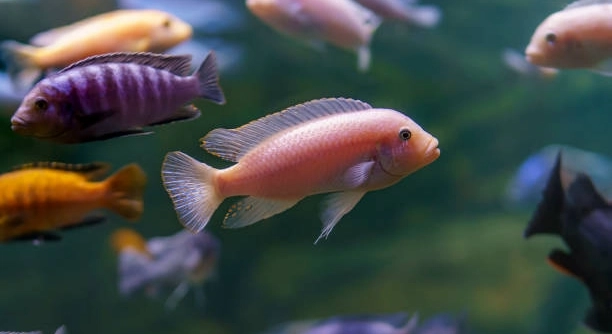
Cichlids are fascinating fish with unique behaviors that often go unnoticed. Observing their daily routines can reveal important insights into their health and natural instincts. Nest building is one of the most interesting behaviors to watch closely.
Cichlids build nests as part of their reproductive behavior. Signs include digging in the substrate, moving small objects, creating depressions, and guarding a specific area. These behaviors indicate preparation for spawning and provide a safe environment for eggs and fry.
Recognizing these early nesting signs helps you understand your fish better and maintain a suitable environment for their natural activities. Proper observation ensures both healthy fish and successful breeding outcomes in your aquarium.
Digging and Moving Substrate
When a cichlid starts digging in the sand or gravel, it is often preparing a nesting site. They use their mouths and fins to move small stones, sand, or debris to create a flat or slightly concave area. This behavior is most common in species that spawn on the substrate. You might notice them repeatedly shifting the same pieces of gravel or creating small piles around the tank. These movements are purposeful, not random, and indicate that the fish is focused on building a safe location for eggs. Observing this behavior can give insight into the cichlid’s readiness to breed. It is important to provide enough loose substrate for them to manipulate, as a compact or artificial bottom may limit their natural digging actions. Over time, repeated digging can also reshape the area significantly, which shows the intensity of their nesting instincts and how invested the fish is in preparing the site.
This digging is a clear early signal that nesting is underway, showing the fish’s intent and preparation.
Watching this behavior helps you understand breeding readiness. Ensuring the substrate suits your cichlid encourages natural nesting without stress.
Gathering Materials
Cichlids often move small objects like pebbles, shells, or plant fragments into the nesting area.
They selectively choose items to line the nest or decorate it, which provides stability and protection for eggs. Some cichlids carry food or debris out of the nest to keep it clean, while others focus on arranging stones for a solid base. This activity shows both instinctive care and attention to detail. Depending on the species, the nest may become quite elaborate, with carefully positioned objects forming small walls or borders around the spawning site. In tanks with multiple fish, the materials may also mark territory, signaling ownership to other cichlids. Observing which objects are chosen can be fascinating, as it highlights the fish’s preference and problem-solving skills. Providing a variety of small items and enough open space allows the cichlid to express this behavior fully. It is also a sign that they are entering the reproductive phase and preparing for future fry. Nest-building behavior can last several days, during which the fish remains focused and protective of the site. Maintaining water quality and minimizing disturbances is crucial during this time, as stress can disrupt nest formation and prevent successful spawning. By paying attention to these subtle actions, you can better support their natural instincts and breeding needs.
Flattening the Nest
Flattening the substrate is a key sign that a cichlid is actively preparing a spawning area. They use their mouths and fins to smooth out the bottom, creating a shallow depression where eggs can be safely laid.
This flattening process involves repeated movements, as the fish pushes sand or gravel outward from the center. By creating a smooth, even surface, the cichlid ensures that eggs will remain in place and that water can circulate properly around them. In some species, the nest may be several inches wide, showing the intensity of the preparation. This behavior also signals that the fish is ready for the next steps of breeding, including attracting a mate. It is important to avoid disturbing the nest during this period, as cichlids can become defensive and stressed if their prepared area is altered. Observing the flattening process provides clear evidence that reproductive behaviors are underway.
Repeated flattening is a reliable indicator of nesting readiness, reflecting the fish’s focus and reproductive drive.
Flattening also helps define territory, discouraging other fish from entering the area, ensuring a safer space for eggs.
Guarding the Nest
Nest guarding is a critical behavior where cichlids actively defend the area from intruders, even other fish in the tank. They patrol the perimeter, chase away threats, and stay close to the nest.
Guarding starts once the nest is prepared and materials are arranged. The cichlid positions itself near the center and remains alert, often changing posture or swimming patterns to signal protection. Some species may flare fins or open mouths to intimidate others. This behavior is instinctive, triggered by the presence of potential threats and the need to secure a safe environment for eggs. During this period, feeding routines may change, as the fish prioritizes defense over normal activities. Providing hiding spots and sufficient space allows the fish to guard effectively without constant stress. Monitoring guarding behavior helps you track breeding progress and ensures that the environment supports both protection and egg development. Proper care during this stage can increase the chances of successful spawning and healthy fry.
Consistent guarding reflects reproductive commitment and demonstrates the cichlid’s focus on survival and nest protection.
Circling and Inspecting
Cichlids often swim in tight circles around the nest, carefully inspecting the area. This behavior ensures the substrate is properly flattened and materials are correctly positioned for egg-laying.
The inspection is repeated multiple times daily. Fish may adjust pebbles or sand slightly with each pass, showing attention to detail.
Increased Coloration
During nesting, cichlids may display brighter or more intense colors. This change signals reproductive readiness and can help attract a mate.
Color changes are usually most visible on the body, fins, and sometimes the head. This vivid display is a natural part of their breeding behavior, highlighting health and vitality.
Mouth Cleaning
Cichlids often pick up debris or particles from the nest with their mouths. This keeps the area clean for eggs and ensures proper oxygen flow around them.
Consistent cleaning behavior is a strong indicator that the fish is serious about nest maintenance and egg protection.
FAQ
How can I tell if my cichlid is ready to spawn?
A cichlid ready to spawn shows multiple behaviors. These include digging and flattening the substrate, moving small objects to the nest, and guarding a specific area. Males often display brighter colors, while females may hover near the prepared nest. Repeated inspection and cleaning of the nest are also key indicators. Observing these combined actions over several days usually confirms reproductive readiness.
What types of materials do cichlids use for their nests?
Most cichlids use substrate materials such as sand or small gravel. Some species may incorporate pebbles, shells, or plant fragments into the nest. These items help stabilize the eggs and define the nest area. Providing a variety of small, safe objects allows the fish to express natural nesting behaviors effectively.
Is nest building dangerous for other fish in the tank?
During nest building, cichlids can become territorial and aggressive. They may chase or nip at other fish that enter their nesting area. This is normal behavior and usually temporary. Keeping enough space and hiding spots for other tank mates helps reduce stress.
How long does nest building take?
The time required depends on the species and individual fish. Some cichlids complete nest construction in a few days, while others may take a week or longer. Factors such as tank conditions, substrate type, and available nesting materials can influence the speed of nest preparation.
Should I interfere with nest building?
Interference can stress the fish and disrupt reproductive behavior. Avoid rearranging the substrate or moving objects while the cichlid is actively working on the nest. Observation from a distance is enough to monitor progress.
Do both male and female cichlids participate in nest building?
In many species, males are primarily responsible for constructing the nest, while females inspect and choose the site. However, some species may show shared efforts, with females helping to adjust materials or clean the nest before spawning.
Can nest building indicate overall health?
Yes, consistent and vigorous nest-building behavior often reflects a healthy, unstressed fish. Lethargic or incomplete nest preparation may indicate poor health, unsuitable water conditions, or lack of proper nutrition. Monitoring these behaviors helps maintain both reproductive success and overall fish well-being.
How can I encourage natural nesting behaviors?
Provide a loose substrate for digging, small objects for nest decoration, and stable water conditions. Maintaining proper temperature, pH, and nutrition supports breeding instincts. Sufficient space and minimal disturbances encourage natural digging, arranging, and guarding behaviors.
What if the nest is destroyed?
Cichlids may rebuild if the nest is disturbed, but repeated disruptions can cause stress and prevent spawning. Avoid sudden changes in the tank, and make sure tank mates do not interfere with the area. Patience is key for successful nesting.
Are there signs that eggs have been laid?
Once eggs are laid, cichlids guard the area more aggressively. You may see them hovering over the eggs, gently fanning water with their fins, and removing debris. Fertilized eggs are usually sticky and attached to the substrate or decorations in the nest.
Can nest building happen without mating?
Yes, some cichlids build nests instinctively, even without a mate. This behavior is part of their reproductive cycle and natural instincts. While mating may not occur immediately, the fish is still practicing nesting behaviors.
How should I care for the tank during nest building?
Maintain clean water, stable temperature, and appropriate food. Avoid sudden water changes or moving decorations. Providing hiding spaces for other fish reduces stress. Monitoring your cichlid while letting it build naturally ensures safe and successful breeding.
Do cichlids reuse nests?
Some species may reuse the same nest for multiple spawning events if the location remains undisturbed. Others prefer to create new nests for each reproductive cycle. Observation of repeated behaviors can help identify patterns in your specific fish.
Can nest building be stressful for the cichlid?
Stress is more likely from disturbances, aggressive tank mates, or poor water conditions. Natural nest-building behavior itself is normal and not harmful. Ensuring a safe, stable environment supports healthy nesting and reduces potential stress.
How can I tell if the nest is successful?
A successful nest is indicated by eggs being laid, fertilized, and protected. Cichlids will continue guarding and cleaning the nest, fanning the eggs for oxygen, and keeping intruders away. Observing these behaviors suggests that the nesting process is proceeding well.
What happens after eggs hatch?
After hatching, parents often continue to guard and guide the fry. Some species carry young in their mouths or protect them in hidden areas. The intensity of parental care varies, but ongoing protection and guidance are common in cichlids, supporting fry survival.
Is it necessary to remove other fish during nesting?
Not always, but it can reduce stress. Territorial aggression may increase during nest guarding, so providing space and hiding places minimizes conflicts. Only consider removal if aggression becomes extreme or other fish are at risk.
How often do cichlids build nests?
Frequency depends on species, age, health, and tank conditions. Some cichlids build nests several times per breeding season, while others are less frequent. Observing patterns over weeks helps identify natural breeding cycles and readiness.
Can environmental changes trigger nesting behavior?
Yes, temperature shifts, longer daylight periods, or improved water conditions can stimulate reproductive behavior. Replicating natural seasonal cues in a tank often encourages nest building and mating readiness.
How do I know if my cichlid is fussy about nesting materials?
A fussy cichlid will repeatedly adjust the same pebbles, sand, or shells, rejecting unsuitable items. Watching these adjustments shows the fish’s preference for stability and protection, indicating careful selection before egg-laying.
What should I do if eggs are at risk from other fish?
Consider temporary barriers, tank partitions, or extra hiding spots. Maintaining a controlled environment helps prevent predation while allowing the nesting cichlid to continue natural behaviors without interference.
Are there differences between species in nest building?
Yes, species vary widely. Some build elaborate sand mounds, others dig shallow depressions or use caves. Understanding your species’ natural behavior ensures proper tank setup and supports successful reproductive activity.
How important is observation during nesting?
Careful observation helps track readiness, identify stress, and support successful breeding. Minimal interference allows you to understand your cichlid’s behaviors while providing a safe, suitable environment for nesting.
Can feeding routines affect nest building?
Yes, proper nutrition supports energy for digging, guarding, and cleaning. High-quality food encourages vigor, while irregular or insufficient feeding may slow or disrupt nesting behaviors.
Is aggression always a sign of health issues?
No, increased aggression is normal during nesting. It indicates territorial and protective instincts rather than illness. Only unusual lethargy, hiding, or abnormal behavior should raise concern about health.
What is the best way to support multiple nesting cichlids in one tank?
Provide ample space, multiple substrate areas, and hiding spots. Dividing territories naturally reduces conflict and allows several fish to build and guard nests simultaneously without significant stress.
Do all cichlids show visible nesting behaviors?
No, some species build hidden or less obvious nests. Subtle behaviors like substrate movement or light guarding may indicate nesting even without large visible changes. Observation over time is crucial for recognizing these cues.
How long should I let a cichlid guard its nest?
Guarding continues until eggs hatch and fry are mobile. The duration varies by species but generally lasts several days to weeks. Minimizing disturbances during this period is essential for egg and fry survival.
What are common mistakes to avoid during nest building?
Avoid moving the nest, introducing aggressive tank mates, or making sudden water changes. Ensure the substrate is suitable and space is adequate. Interference can cause stress, abandoned nests, or failed spawning attempts.
How can I tell if my cichlid is building a fake nest?
Sometimes cichlids dig without immediate mating intentions. Signs include repeated nest building without eggs or a mate present. This behavior is instinctive practice rather than an actual breeding attempt.
Can lighting affect nest building?
Yes, stable and consistent lighting encourages normal behavior. Abrupt changes can disrupt nesting instincts or increase stress, so maintaining a regular light cycle supports natural reproductive patterns.
What should I do if my cichlid stops building a nest?
Check water quality, nutrition, and stress levels. Disturbances, illness, or unsuitable conditions can halt nesting. Correcting these factors often allows the fish to resume natural behaviors.
Is it normal for cichlids to rearrange a finished nest?
Yes, ongoing adjustments maintain safety and cleanliness. Fish may continue moving small substrate pieces, rearranging pebbles, or cleaning debris even after eggs are laid.
Can nest building be observed at night?
Some species are more active at night and may continue digging or cleaning. Minimal light allows observation without disturbing natural behaviors.
How do I know when to separate fry from adults?
Separation depends on species and parental behavior. Many cichlids guard fry effectively, but if aggression increases or risk of predation rises, temporary separation may be necessary. Observing interactions guides proper timing.
Are there visual signs of stress during nesting?
Signs include rapid darting, loss of color, hiding, or ignoring the nest. Maintaining water quality, space, and minimal disturbance helps reduce stress and supports natural nesting behaviors.
What is the relationship between nest building and mating success?
Effective nest building is often directly correlated with successful mating. A well-prepared nest attracts a mate, ensures egg protection, and increases fry survival, making it a critical component of reproductive success.
Can multiple males build nests in the same tank?
Yes, but they may compete for territory. Providing separate areas or sufficient space reduces conflict and allows multiple males to build and display without excessive aggression.
How do environmental enrichment items affect nesting?
Extra rocks, plants, and safe objects offer material for nest construction and decoration. They also provide hiding spaces for other fish, reducing stress and encouraging natural behaviors in the breeding cichlid.
Are some cichlids better at nest building than others?
Experience, age, and species traits influence skill. Older or more dominant fish often build larger, more structured nests, while younger fish may take longer or create simpler arrangements.
Does water current affect nest building?
Yes, strong currents can disrupt substrate and egg placement. Gentle, stable water flow supports proper nest construction and ensures eggs remain secure while maintaining oxygenation.
How can I tell if the nest is stable?
A stable nest holds its shape despite minor water movement. Eggs remain attached or in place, and the cichlid continues guarding and cleaning without needing major adjustments.
What should I do if other fish disturb the nest?
Provide hiding spaces, barriers, or partitions to prevent interference. Ensuring adequate territory allows the nesting cichlid to continue natural behaviors and protect eggs effectively.
Can nest building be used to predict fry survival?
Yes, attentive nest construction, cleaning, and guarding often correlate with higher survival rates for eggs and fry. Observing these behaviors helps estimate reproductive success.
Do cichlids ever abandon nests?
Abandonment can occur due to stress, poor water conditions, or repeated disturbances. Ensuring a stable, low-stress environment minimizes the risk of abandoned nests.
How can I track nest building over time?
Take notes or photos of substrate changes, object placement, and guarding patterns. Tracking behaviors helps identify reproductive stages and supports timely care for eggs and fry.
Is parental care after hatching equally important?
Yes, post-hatching care is critical for fry survival. Parents protect, guide, and sometimes carry young to safe areas, ensuring development during early, vulnerable stages.
Can diet changes improve nesting behavior?
High-protein, nutrient-rich foods provide energy for digging, guarding, and cleaning. Balanced nutrition supports reproductive readiness and encourages natural nesting instincts.
Do tank decorations interfere with nesting?
Some decorations can limit digging or restrict movement. Providing open substrate areas and suitable objects ensures cichlids can build and maintain nests without obstruction.
How do I know if nesting is successful without observing eggs?
Continued guarding, cleaning, and fanning indicate active reproduction. Even if eggs are not immediately visible, consistent protective behavior suggests that nesting is successful.
Are there seasonal patterns in nesting behavior?
Many cichlids show increased nesting activity during warmer months or when daylight is extended. Mimicking natural seasonal cues can trigger reproductive behaviors in captivity.
What should I avoid feeding during nesting?
Avoid overfeeding or foods that pollute water. Excess waste can disturb nest cleanliness and increase stress. Stick to high-quality, moderate portions to maintain optimal conditions.
How do I handle multiple nesting attempts?
Provide adequate substrate and materials for repeated nest building. Avoid interference, and monitor stress levels. Multiple attempts are normal and can improve overall breeding success.
Can nest building be observed in all tank sizes?
Yes, though larger tanks provide more space for digging and territory establishment. Smaller tanks require careful monitoring to prevent stress or conflicts.
What is the most important factor for successful nest building?
Stable environment, proper substrate, suitable materials, and minimal disturbances. Supporting natural behaviors ensures successful egg-laying, guarding, and fry development in cichlids.
How do I distinguish between normal aggression and excessive aggression?
Normal aggression includes brief chasing or fin flaring around the nest. Excessive aggression involves continuous attacks, injury risk, or stress signs in other fish. Monitoring interactions helps determine intervention needs.
Can nest building indicate future reproductive patterns?
Yes, repeated, consistent nest-building behaviors often predict successful and frequent spawning in subsequent cycles. Tracking these behaviors helps manage breeding expectations and tank conditions.
Is it normal for a cichlid to guard an empty nest?
Yes, guarding can continue as part of instinctive behavior. Fish may defend a nest even before eggs are laid, ensuring the area is prepared and safe for future spawning.
Do all cichlids show fanning behavior?
Most cichlids fan eggs or fry to improve oxygenation and remove debris. This behavior is a natural extension of nest maintenance and reflects active parental care.
How can I tell if a cichlid is unhappy with the nest location?
Frequent rearranging, moving to different areas, or rejecting materials can indicate dissatisfaction. Providing alternative substrate spots may help the fish find a preferred site.
Can I use observation logs to improve breeding success?
Yes, noting digging patterns, guarding intensity, color changes, and substrate adjustments helps track reproductive readiness and optimize tank management for successful spawning.
How long do eggs typically stay in the nest?
Egg incubation depends on species and water conditions, generally ranging from two days to over a week. Proper guarding ensures eggs remain secure and healthy during this period.
Are there signs that the nest needs repair?
Loose substrate, displaced objects, or eggs at risk indicate repair is needed. Cichlids often make adjustments themselves, showing attention to nest integrity.
Can multiple females use the same nest?
In some species, multiple females may deposit eggs in the same area. Guarding behavior may adjust to accommodate additional eggs, but territorial instincts can influence interactions.
Does tank temperature affect nesting success?
Stable, appropriate temperatures support digging, guarding, and egg development. Extreme fluctuations can delay or disrupt nesting behaviors.
How do I manage aggressive males during nesting?
Provide territory boundaries, visual barriers, and sufficient space. This reduces conflicts while allowing natural nesting behaviors to continue.
Can nest building indicate future fry survival rates?
Yes, attentive nest preparation, cleaning, and guarding often correlate with higher egg and fry survival. Observation of these behaviors provides insight into reproductive success.
What should I do if a nest is abandoned after eggs are laid?
Check water quality, stress factors, and tank conditions. Sometimes eggs can be relocated carefully to a safe area, but prevention through stable conditions is best.
Are there differences in nest building between wild and captive cichlids?
Wild cichlids may build larger or more complex nests due to natural conditions. Captive fish may adjust to tank constraints but still show core behaviors like digging, arranging materials, and guarding.
Can nest building behavior be stimulated artificially?
Yes, providing loose substrate, nesting materials, stable water conditions, and controlled lighting can encourage natural nesting behaviors in captivity.
How do I know when the nest is ready for mating?
Flattened substrate, arranged materials, active guarding, and repeated inspection signal readiness. Color changes and consistent cleaning indicate the nest is prepared for egg-laying.
Do all cichlids guard the nest after eggs hatch?
Most continue some form of parental care, though intensity varies. Guarding, fanning, and guiding fry are common behaviors that improve survival chances.
Is it normal for nest building to be repeated without eggs?
Yes, practice building is instinctive. Fish may prepare multiple nests or rearrange materials as part of natural reproductive instincts, even without immediate mating.
Can nest building help identify dominant fish?
Yes, dominant fish often secure prime nesting areas, display brighter colors, and guard more aggressively. Observing these behaviors helps understand social hierarchy in the tank.
How important is substrate type for nest building?
Loose, manipulable substrate like sand or fine gravel allows effective digging and shaping. Compact or artificial substrate may hinder natural behaviors, reducing nesting success.
Do environmental stressors affect nest building?
Yes, poor water quality, sudden disturbances, or overcrowding can prevent or disrupt nest building. A stable, calm environment encourages consistent reproductive behavior.
Can observing nest building improve overall tank management?
Yes, it helps monitor health, reproductive readiness, stress levels, and territorial needs. Understanding these behaviors allows proactive care and promotes successful breeding outcomes.
How long should I observe my cichlid without disturbing it?
Short, infrequent observations minimize stress. Watching from a distance is sufficient to track nesting progress, substrate adjustments, and guarding behavior without interference.
Are some cichlids more meticulous about nest building than others?
Yes, species and individual temperament vary. Some fish carefully arrange each pebble, while others focus on general substrate flattening. Both behaviors indicate reproductive preparation.
Do parental roles differ after eggs are laid?
Often, males guard and defend territory, while females focus on cleaning and fanning eggs. Role distribution varies by species, but cooperation enhances egg survival.
Can multiple nests coexist in one tank?
Yes, with sufficient space and substrate, multiple cichlids can build nests. Clear territories and hiding spaces reduce conflict and allow simultaneous reproductive activity.
How can I support natural nesting instincts in captivity?
Provide loose substrate, nesting materials, stable water conditions, sufficient space, and minimal disturbances. Encouraging natural behaviors increases reproductive success and overall fish well-being.
**
Observing a cichlid build a nest can be a rewarding experience, and it provides insight into the natural instincts of these fish. Nest building is not just a random behavior—it is a series of purposeful actions that prepare the fish for reproduction. From digging and flattening the substrate to arranging small objects and guarding the area, every movement serves a clear purpose. Paying attention to these behaviors allows you to understand your cichlid’s needs and readiness to spawn. The careful attention a cichlid gives to its nest shows the importance of the environment you provide. Proper substrate, suitable materials, and sufficient space are essential to allow these behaviors to occur naturally. Without the right conditions, a cichlid may become stressed, display incomplete nesting, or even abandon the nest altogether. Observing these behaviors over time also helps you recognize the differences between species, as each has unique nesting habits. Some may prefer shallow, flat areas, while others construct small mounds or use hidden spots. Understanding these preferences ensures that your fish can build and maintain their nests comfortably.
Nesting behavior is closely tied to reproductive success, and careful observation can guide proper care. Bright coloration, substrate movement, cleaning, and guarding are all indicators that your cichlid is preparing for eggs. These behaviors show both instinctive care and an investment in the survival of the next generation. It is important to minimize disturbances during this time. Sudden changes in water conditions, overcrowding, or interference with the nest can cause stress and reduce the chances of successful spawning. Providing a calm and stable environment is crucial. Even small adjustments, like offering additional hiding spots or making sure other tank mates are not intruding, can make a significant difference. Nutrition also plays a key role in supporting nesting behavior. Well-fed, healthy cichlids have the energy and focus needed to complete all stages of nest building. Observing how a fish organizes materials, inspects the nest, and guards the area gives clear signals about its reproductive readiness. These behaviors are not just for show—they are essential for egg protection and fry survival.
Supporting natural nesting behavior also contributes to overall fish well-being. Cichlids are active, intelligent fish that thrive when they can express instincts like digging, arranging, and guarding. Observing these behaviors allows you to track health, stress levels, and social interactions within the tank. Ensuring the right substrate, stable water conditions, and sufficient space encourages both natural behavior and successful reproduction. Nest building is not a single event but a process that takes time, attention, and care from both the fish and the aquarium keeper. By allowing your cichlid to nest naturally, you help maintain a healthy, balanced environment that promotes growth and reproductive success. Understanding the stages of nest building—from substrate preparation to guarding and caring for eggs—provides a deeper appreciation of these fish and their behaviors. Paying attention to their needs and actions not only supports reproduction but also fosters a thriving, harmonious aquarium. Observing and respecting this process is key to keeping your cichlids healthy and encouraging successful spawning in the future.

Hello,
If you enjoy the content that we create, please consider saying a "Thank You!" by leaving a tip.
Every little bit helps us continue crafting quality advice that supports the health, happiness, and well-being of pets around the world, for pets of all shapes, sizes, and species.
We really appreciate the kindness and support that you show us!