
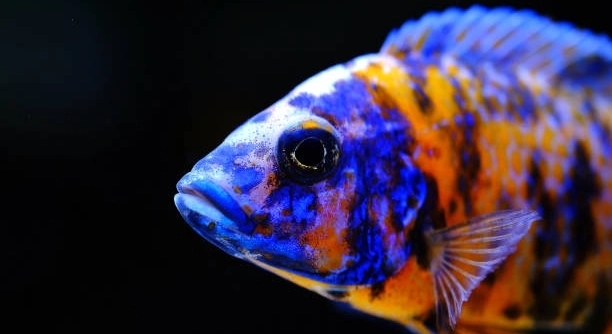
Are your cichlids showing unusual behavior around their tank? Observing their movements can reveal how they interact with their environment and other fish. Some actions may indicate they are assessing new areas within their habitat.
Cichlids explore new territory through a combination of territorial displays, fin flaring, gentle nudges against objects, cautious swimming patterns, and marking boundaries. Recognizing these behaviors allows aquarists to understand spatial adaptation and social dynamics in the aquarium.
Noticing these signs early can help you maintain a balanced tank and ensure your cichlids feel secure and active in their space.
Increased Fin Flaring
When a cichlid begins to explore a new area, you may notice frequent fin flaring. This behavior is a way to assert presence and check boundaries. The fish spreads its fins wider than usual, making it look larger and more confident. Fin flaring can happen near other fish, objects, or areas of the tank that are unfamiliar. It is often paired with slow, deliberate swimming, as the cichlid evaluates its surroundings. Observing this behavior can indicate that the fish is actively assessing territory, marking its comfort zones, and practicing dominance in a controlled manner. Over time, repeated flaring can help the cichlid establish hierarchy within the aquarium. It is a natural part of social interaction and spatial awareness. Regular monitoring ensures that aggressive displays do not escalate into harmful behavior and that the tank environment remains balanced.
Fin flaring is an important visual cue for recognizing a cichlid exploring new areas.
Careful attention to fin flaring allows you to understand the fish’s comfort level, potential stress points, and interactions with other tank members. This awareness can help maintain a stable environment and prevent conflicts while supporting the cichlid’s natural behaviors.
Investigating Objects
Cichlids often approach and inspect objects when exploring.
Objects in the tank attract attention and allow cichlids to learn about textures, hiding spots, and boundaries. They may circle rocks, driftwood, or decorations, tapping them gently with their mouths or nudging them with their heads. This interaction is more than curiosity; it is a way to evaluate safety and potential territories. Fish may linger near a new object, observing it from different angles while adjusting their swimming patterns. Changes in behavior, like increased circling or cautious retreats, can indicate how comfortable they feel. Over time, repeated investigation helps cichlids become familiar with their environment and reduces stress when new objects are introduced. Watching these subtle movements provides insight into their mental and physical adaptation processes, allowing aquarists to anticipate needs for space, shelter, or rearrangement of tank items to support their exploration. This behavior is particularly noticeable when multiple fish compete for attention around a single object.
Cautious Swimming Patterns
Cichlids exploring new areas often swim slowly and deliberately. They pause frequently, inspecting surroundings before moving forward, showing careful awareness of potential obstacles and other fish.
These cautious swimming patterns are a survival strategy. The fish maintains control while testing unfamiliar spaces, avoiding sudden movements that could provoke conflicts or stress. They may hover near familiar territory before venturing further, gradually expanding their comfort zone. This slow approach allows the cichlid to gauge both the safety of the environment and the reactions of nearby fish. By observing these movements, aquarists can determine when a fish feels secure enough to fully occupy a new area. Monitoring this behavior ensures that exploration remains safe and controlled, preventing unnecessary stress or injury. Gradual adjustment to new territory supports natural behavior and promotes overall well-being.
Cautious swimming also helps cichlids establish a sense of ownership over new spaces. Repeated, deliberate passes reinforce memory of the area, making them more confident and less likely to retreat unnecessarily.
Marking Boundaries
Cichlids often mark territory using specific physical cues and movements. This behavior signals ownership of a space and discourages intrusion from other fish.
Territorial marking involves actions such as nudging substrate, circling objects, or performing short bursts of display swimming. These behaviors communicate dominance without engaging in full aggression, allowing the cichlid to maintain control over its area. In tanks with multiple fish, marking boundaries reduces direct conflict by creating clear zones. The fish may combine these behaviors with fin flaring or color changes to reinforce the message. Marking helps the cichlid feel secure and organizes social structure within the aquarium. Over time, repeated marking establishes familiarity with the area, guiding the fish as it navigates and interacts with other tank members. By observing these actions, owners can better understand their cichlid’s territorial needs and adjust tank layout or décor to support peaceful coexistence.
Gentle Nudging
Cichlids exploring new areas often nudge objects or tank decorations gently. This behavior allows them to test the environment and feel for stability or safety without committing to the space fully.
Nudging can also be directed at other fish to gauge reactions. It is a subtle way of communicating presence and establishing boundaries while maintaining cautious interaction.
Temporary Hiding
When investigating unfamiliar territory, cichlids may use hiding spots intermittently. They retreat to caves, plants, or corners to observe surroundings from a secure position. This pattern reduces stress and provides a sense of control while they adapt to new areas.
Fluctuating Color Patterns
Cichlids may show temporary color changes when exploring. These shifts often indicate alertness or territorial signaling. Observing color fluctuations can help track their comfort level and social interactions within the tank.
FAQ
How can I tell if my cichlid is exploring or just stressed?
Exploration usually involves slow, deliberate movements, gentle nudging, and fin flaring without aggressive chasing. A stressed fish may hide constantly, dart suddenly, or show faded colors. Observing patterns over time helps distinguish natural exploration from stress reactions.
Why does my cichlid flare its fins near new objects?
Fin flaring near unfamiliar objects is a natural way for cichlids to assert presence and assess safety. It signals confidence and helps them map the environment without direct confrontation with other fish.
Is it normal for a cichlid to retreat after exploring?
Yes, temporary retreats to familiar hiding spots are normal. Cichlids use these pauses to evaluate risk and regain confidence before continuing to explore new areas. This behavior supports their natural territorial instincts and reduces stress.
Can exploring behavior cause conflicts with other fish?
Exploration can lead to minor displays of dominance, such as nudging or brief flaring. However, if tank space is sufficient and hiding spots are available, conflicts are usually limited. Monitoring interactions ensures that all fish remain safe.
How long does it take for a cichlid to feel comfortable in a new area?
The adjustment period varies by species and individual temperament. Some cichlids adapt within hours, while others may take several days. Gradual observation of cautious swimming, flaring, and marking boundaries indicates growing comfort.
Should I rearrange tank objects to encourage exploration?
Slight rearrangement can stimulate natural exploration, but avoid drastic changes. New objects or decorations provide interest and allow cichlids to test boundaries, enhancing activity and mental stimulation without causing excessive stress.
Do cichlids explore more when alone or with other fish?
Exploration can differ depending on social context. Solitary cichlids may investigate more freely, while fish in groups often show territorial behaviors or wait for others to move first. Observing interactions helps you understand their social dynamics.
Can color changes indicate comfort during exploration?
Yes, temporary color shifts often reflect alertness or territorial signaling. Vibrant colors may indicate confidence, while muted shades suggest caution or unease. Tracking these patterns helps gauge how comfortable the fish feels in different areas of the tank.
What signs show that my cichlid has fully adapted to a new area?
Steady swimming, consistent feeding, regular interaction with other fish, and minimal hiding indicate full adaptation. The fish will explore without hesitation, display natural behaviors, and integrate the new area into its established territory.
Is it necessary to monitor exploration constantly?
Regular observation is beneficial but not required at all times. Short daily checks allow you to notice changes in behavior, prevent stress, and ensure that interactions with other fish remain safe. Consistency helps maintain a healthy environment for exploration.
How can I support my cichlid’s exploration safely?
Provide ample hiding spots, stable objects, and sufficient space. Avoid overcrowding and sudden changes. Observing subtle behaviors like fin flaring, nudging, and cautious swimming ensures the fish can explore comfortably and maintain a sense of security.
Are some cichlids more prone to exploring than others?
Yes, species and individual personality play a role. Some cichlids are naturally curious and bold, while others are more reserved. Knowing your fish’s tendencies helps anticipate behavior and provide an environment that encourages safe exploration.
Can over-monitoring interfere with natural exploration?
Excessive interference may cause stress or hesitation. Observing from a distance allows the fish to engage naturally with the environment while giving you insight into behavior patterns without disruption.
How does tank layout affect exploration?
Open areas, varied structures, and multiple hiding spots encourage investigation. A well-organized layout supports natural behaviors, allowing cichlids to establish territories, test objects, and interact safely with other fish while reducing stress.
What should I do if exploration turns aggressive?
Separate fish temporarily if aggression escalates. Evaluate tank space, hiding spots, and compatibility. Minor displays are normal, but persistent attacks require intervention to prevent injury and maintain balance within the aquarium.
Do juvenile cichlids explore differently than adults?
Juveniles often show more curiosity but less control over territory. Adults tend to combine exploration with boundary marking and social signaling. Understanding these developmental differences helps interpret behavior and guide tank management effectively.
Is exploration linked to feeding habits?
Yes, confident explorers often locate food sources more efficiently and may claim feeding areas. Observing how exploration affects interaction with food can reveal hierarchy and comfort levels within the tank.
Can adding new fish influence exploration?
Introducing new tank mates may temporarily increase exploration as existing fish reassess territories. Providing hiding spots and monitoring interactions ensures adjustments occur safely without excessive stress or aggression.
How can I document exploration behaviors effectively?
Note patterns such as fin flaring, nudging, cautious swimming, hiding, and color changes. Keeping simple logs over days or weeks allows tracking progress, adaptation, and social interactions, helping maintain a healthy and balanced tank.
Are there long-term benefits to encouraging exploration?
Encouraging exploration reduces boredom, enhances mental stimulation, strengthens territorial understanding, and promotes natural behavior. A fish that regularly investigates its environment tends to be healthier, more active, and socially balanced in the aquarium.
What if my cichlid ignores new areas completely?
Some fish are naturally cautious or stressed. Ensure sufficient space, hiding spots, and minimal disturbances. Patience allows them to gradually gain confidence, as forcing exploration can increase anxiety or aggression.
How do environmental changes impact exploration?
Lighting, water flow, and temperature shifts influence activity levels. Gradual, consistent changes support safe exploration, while sudden alterations may inhibit movement, trigger stress, or cause temporary retreat to familiar areas.
Can exploration behaviors indicate health issues?
Reduced activity, disinterest in objects, or erratic swimming may signal illness. Observing normal exploration alongside feeding and interaction patterns helps identify potential health concerns early.
Is it necessary to separate exploring cichlids for better observation?
Separation is usually unnecessary unless aggression arises. Observing fish within their social context provides more accurate insights into exploration patterns and territorial behavior while maintaining a natural environment.
How do seasonal or lighting changes affect exploration?
Changes in light intensity or photoperiod can alter activity levels. Fish may explore more during stable, consistent lighting and reduce activity under sudden dimming or bright fluctuations. Consistency supports safe adaptation to new areas.
Can toys or enrichment items help with exploration?
Adding rocks, caves, or safe decorations encourages investigation. Novel items provide mental stimulation, promote natural behaviors, and give cichlids more opportunities to establish territories while observing social hierarchy.
Is monitoring exploration useful for breeding preparation?
Yes, territorial establishment and comfort with space indicate readiness for breeding. Observing exploration helps identify compatible partners, safe spawning areas, and stress-free conditions for egg-laying or fry protection.
How often should I adjust the tank to encourage exploration?
Minor changes every few weeks are sufficient. Frequent or drastic alterations may stress the fish, while gradual adjustments stimulate curiosity without disrupting established territories or social structure.
Does tank size impact exploration frequency?
Larger tanks allow more opportunities for exploration and boundary testing. Smaller tanks may limit movement, increase conflict, and reduce natural exploration patterns. Providing adequate space is key to healthy activity.
Can exploration behaviors change with age?
Yes, younger fish are often bolder and more curious, while older fish may explore strategically, focusing on territory maintenance and social positioning. Age-related differences influence how and when fish interact with new areas.
Are there specific signs that exploration is complete?
Stable swimming routes, consistent feeding, minimal hiding, and territorial displays suggest the fish has integrated new areas fully. Monitoring over time confirms adaptation and comfort.
How do I balance multiple exploring cichlids in one tank?
Provide ample space, multiple hiding spots, and visual barriers. Observing interactions ensures that exploration does not escalate into aggression. Balanced environments support simultaneous exploration without compromising safety or social hierarchy.
Can enrichment improve the quality of exploration?
Yes, varied textures, hiding spots, and decorations promote mental engagement and physical activity. Enrichment encourages natural behaviors, reducing stress while increasing the fish’s interaction with its environment.
What are subtle signs of successful exploration?
Regular circling of new objects, gentle nudging, occasional fin flaring, and temporary retreats indicate successful assessment. These small behaviors show confidence, awareness, and growing comfort in unfamiliar areas.
Should exploration be encouraged daily?
Daily observation and minor environmental stimulation support consistent activity. Providing stable, safe conditions allows fish to explore naturally without causing unnecessary stress or disrupting established territories.
How do I know if exploration is leading to aggression?
Watch for persistent chasing, biting, or territorial disputes that escalate beyond brief displays. Intervene by rearranging objects or providing additional hiding spaces to reduce tension and maintain balance in the tank.
Can exploration patterns help predict social hierarchy?
Yes, dominant fish often explore first, claim prime areas, and display territorial signals. Observing who investigates objects or boundaries first provides insight into pecking order and social roles within the aquarium.
Is it normal for exploration to vary day-to-day?
Yes, activity can change based on feeding, lighting, tank interactions, or health. Short-term variations are normal, but consistent inactivity may indicate stress, illness, or environmental discomfort.
How can I safely expand my cichlid’s territory?
Gradual introduction of new objects or rearrangements with sufficient hiding spots allows fish to explore without stress. Observe interactions carefully to prevent conflict and support natural territorial behaviors.
Do exploring cichlids require special feeding practices?
Not necessarily, but placing food in varied locations can encourage natural foraging and exploration. This method stimulates mental and physical activity while reducing territorial disputes around feeding areas.
Can observing exploration improve overall tank management?
Yes, tracking behaviors provides insight into comfort, social structure, stress, and environmental preferences. Using these observations allows adjustments to tank layout, hiding spots, and interactions to create a healthier, balanced habitat.
Is it safe to encourage exploration during breeding periods?
Yes, as long as environmental stress is minimized. Extra hiding spots, stable territories, and careful observation ensure fish can explore while maintaining safety and reproductive readiness.
How do I know when to stop encouraging exploration?
When fish consistently navigate the area confidently, maintain normal feeding, and show minimal stress, exploration is self-sustaining. At this point, further stimulation is optional, as natural behavior continues without intervention.
Are there differences in exploration between male and female cichlids?
Males often display bolder territorial behavior, while females may explore cautiously. Understanding these differences helps interpret social interactions, territory establishment, and group dynamics within the tank.
Can exploration indicate overall happiness?
Active investigation, confident swimming, regular feeding, and minimal hiding suggest a comfortable, healthy fish. Consistent exploration is a positive sign of well-being and adaptation to the aquarium environment.
Is it necessary to provide visual barriers for safe exploration?
Yes, barriers reduce direct line-of-sight conflicts, allowing fish to explore safely. Rocks, plants, and caves create zones where fish can assess territory without constant confrontation.
How do I track exploration patterns effectively?
Note behaviors such as fin flaring, nudging, cautious swimming, hiding, and color changes. Recording frequency and location over time provides insight into adaptation, social interactions, and environmental preferences.
Can exploration behavior help identify preferred tank areas?
Yes, repeated visits to specific spots indicate comfort and territorial preference. Observing these patterns helps in arranging decorations, feeding areas, and hiding spaces for optimal well-being.
Does tank lighting affect exploration confidence?
Stable, moderate lighting encourages natural behavior. Sudden changes or harsh lighting may reduce exploration, increase stress, or trigger hiding. Consistent lighting supports safe and confident movement throughout the tank.
What are the risks of ignoring exploration behaviors?
Neglecting observation may lead to unnoticed stress, aggression, or health issues. Tracking exploration allows early intervention, supports territorial balance, and ensures a comfortable environment for all fish.
How can I encourage exploration without causing stress?
Provide ample space, hiding spots, stable decorations, and gradual introduction of new objects. Observe behaviors without interference, allowing natural investigation while maintaining safety and reducing anxiety.
Can exploration behaviors indicate compatibility with other tank mates?
Yes, observing how fish interact during exploration reveals social tolerance, hierarchy, and potential conflicts. This insight helps manage group dynamics and maintain harmony in mixed-species tanks.
Is there a difference between exploring and foraging behaviors?
Exploration focuses on territory assessment, object interaction, and comfort, while foraging targets food location and acquisition. Both behaviors may overlap, but observation clarifies purpose and context for each activity.
How long should I monitor new exploration behaviors?
Consistent observation for several days to weeks allows tracking of adaptation, comfort, and social interactions. Gradual monitoring ensures accurate understanding without overstressing the fish.
Can exploration patterns change after health issues?
Yes, illness may reduce confidence, slow movement, or limit territory assessment. Recovery usually restores exploration behavior, signaling improved comfort and well-being.
Are there signs that exploration is excessive?
Constant, erratic swimming or aggressive interactions without pause may indicate stress or overstimulation. Adjusting the environment or providing more hiding spaces can reduce excessive exploration and support normal behavior.
Do seasonal changes affect exploration?
Seasonal variations in light, temperature, or feeding schedules can influence activity. Maintaining stable conditions encourages consistent exploration and prevents stress-related behavior changes.
Can observing exploration help prevent aggression?
Yes, identifying territorial behavior, boundary marking, and social cues early allows adjustments in tank layout, spacing, and hiding spots to minimize conflict and maintain harmony.
How do I ensure exploration is enriching?
Provide varied objects, hiding spots, and visual barriers. Monitor responses to ensure engagement without stress, allowing natural behaviors and promoting mental and physical stimulation.
Are certain tank decorations better for exploration?
Stable rocks, caves, and plants are ideal. They provide surfaces to nudge, objects to inspect, and safe retreats. Avoid unstable or sharp items that could injure fish during exploration.
Can monitoring exploration improve breeding outcomes?
Yes, observing territorial and comfort behaviors helps identify safe spawning areas, compatible partners, and readiness for reproduction, supporting successful breeding in the aquarium.
Is it normal for exploration to vary with feeding times?
Yes, fish may be more active before or after feeding. Coordinating observation with feeding allows assessment of natural patterns and territorial behaviors in a routine context.
How do I distinguish exploration from boredom?
Exploration is deliberate, involves object interaction, boundary marking, and cautious swimming. Boredom may lead to repetitive, aimless swimming or increased hiding without purposeful engagement.
Can introducing multiple new objects at once overwhelm cichlids?
Yes, sudden additions may cause stress or aggressive competition. Introducing one object at a time supports natural exploration and adaptation without overstimulating the fish.
Do nocturnal behaviors affect exploration observation?
Some cichlids are more active during low-light periods. Observing at consistent times ensures accurate tracking of exploration while accounting for natural activity cycles.
Is it beneficial to rotate objects regularly?
Occasional rotation maintains interest, encourages exploration, and provides mental stimulation. Frequent or drastic changes may cause stress, so adjustments should be gradual and measured.
How can I tell if my cichlid enjoys exploring?
Confident swimming, consistent interaction with objects, minimal hiding, and vibrant colors indicate comfort and engagement. Positive signs suggest enrichment and mental stimulation from exploration.
Can exploration behaviors reveal stress in other fish?
Yes, observing responses of tank mates during exploration highlights social tension, territorial disputes, or avoidance behaviors, allowing interventions to maintain harmony and reduce stress.
Is it normal for exploration to decrease over time?
Yes, once a fish fully adapts, novelty wears off, and routine behavior stabilizes. Decreased exploration usually signals comfort and established territory rather than disinterest.
Do certain species require more enrichment to explore?
Yes, active or highly territorial species benefit from varied objects and hiding spots. Less active species may require fewer additions, but all need safe zones for exploration.
Can monitoring exploration help detect environmental issues?
Yes, avoidance of certain areas, erratic swimming, or repeated hiding can indicate water quality problems, improper temperature, or other environmental stressors needing attention.
How do I balance multiple exploratory cichlids in one tank?
Provide sufficient space, multiple hiding spots, and visual barriers. Observing interactions ensures exploration does not escalate to conflict, supporting natural behaviors and social balance.
Are there tools to track exploration efficiently?
Simple observation logs, photos, or video recordings can track movement patterns, color changes, fin flaring, and object interaction. Regular documentation aids understanding of adaptation, comfort, and social dynamics.
Can exploration behavior indicate readiness for breeding?
Yes, confident territorial establishment and familiarity with tank areas often signal readiness for spawning. Observing these behaviors helps prepare safe, stress-free breeding environments.
How do I prevent exploration from triggering aggression?
Provide multiple zones, hiding spots, and stable decorations. Monitor interactions, separate if necessary, and maintain sufficient space to allow exploration without escalating territorial disputes.
Is it normal for older cichlids to explore less?
Yes, age can reduce curiosity. Older fish focus more on territory maintenance and social interactions, while younger individuals explore actively to establish boundaries and assess the environment.
Can exploration indicate mental stimulation needs?
Yes, active investigation of objects and territory shows engagement and curiosity. Providing varied enrichment supports mental health, reduces stress, and encourages natural behavior in the aquarium.
Should I intervene if exploration causes minor skirmishes?
Minor displays are normal, but persistent aggression requires intervention. Adjusting decorations, hiding spots, or temporarily separating fish ensures safe exploration and maintains social balance.
Do exploration behaviors differ between males and females?
Males tend to assert territory boldly, while females may explore cautiously. Observing these differences helps interpret social hierarchy, interactions, and comfort levels in the tank.
Can monitoring exploration prevent boredom-related health issues?
Yes, encouraging natural exploration through enrichment reduces stress, promotes activity, and supports physical and mental well-being, preventing behavioral problems associated with boredom.
How can I use exploration observations to improve tank setup?
Tracking movement, interactions, hiding preferences, and object use informs optimal decoration placement, hiding spots, and territory design, creating a safe, stimulating, and balanced environment.
Is exploration linked to territorial instincts?
Yes, investigating new areas is often tied to establishing boundaries and monitoring other fish. Recognizing this link helps interpret behavior and maintain harmony.
How do I encourage exploration in shy cichlids?
Provide safe hiding spots, gradual object introductions, and minimal disturbance. Allow them to explore at their own pace to build confidence and reduce stress.
Can observation of exploration help prevent disease?
Yes, reduced activity, erratic swimming, or avoidance during exploration may indicate illness. Early detection allows prompt care, supporting health and adaptation
Exploring new territory is a natural and important behavior for cichlids. Observing how they move, interact with objects, and respond to other fish gives insight into their comfort and confidence levels. Signs like fin flaring, gentle nudging, cautious swimming, and temporary hiding are all part of this process. Each fish may show these behaviors differently, depending on species, age, and personality. Some are bold and assertive, moving quickly to investigate every corner, while others take their time, retreating to hiding spots before resuming exploration. Both approaches are normal and reflect how cichlids assess their environment and establish a sense of security. Paying attention to these patterns can help maintain a balanced and healthy tank, ensuring that each fish has the space and resources it needs to feel confident.
Providing a safe and structured environment is key to supporting exploration. Stable objects, hiding spots, and gradual additions or rearrangements encourage natural behavior while preventing stress. Open areas allow fish to swim freely, while caves, plants, and decorations provide places to pause and feel secure. Monitoring interactions between fish during exploration helps identify potential conflicts or areas where adjustments may be needed. Territorial behavior, such as marking boundaries and observing other fish, is a normal part of this process, and understanding it can prevent unnecessary stress or aggression. By creating a supportive environment, aquarists can encourage cichlids to explore confidently, promoting both mental stimulation and physical activity. This helps fish remain active, healthy, and socially balanced, while also giving owners valuable insight into their behavior and preferences.
Observation over time is essential for understanding each cichlid’s exploration habits. Patterns in swimming, color changes, nudging objects, and interactions with other fish provide a clear picture of how comfortable and confident the fish is in its surroundings. Recognizing these behaviors allows owners to make informed decisions about tank layout, enrichment, and management. Additionally, understanding exploration can help detect early signs of stress or health issues, since changes in behavior often indicate discomfort or illness. Encouraging exploration responsibly, without forcing interaction or introducing too many changes at once, ensures that fish can adapt at their own pace. Consistent observation and a supportive environment make it possible to balance the natural curiosity of cichlids with their need for security, resulting in a healthy, active, and thriving aquarium.

Hello,
If you enjoy the content that we create, please consider saying a "Thank You!" by leaving a tip.
Every little bit helps us continue crafting quality advice that supports the health, happiness, and well-being of pets around the world, for pets of all shapes, sizes, and species.
We really appreciate the kindness and support that you show us!