
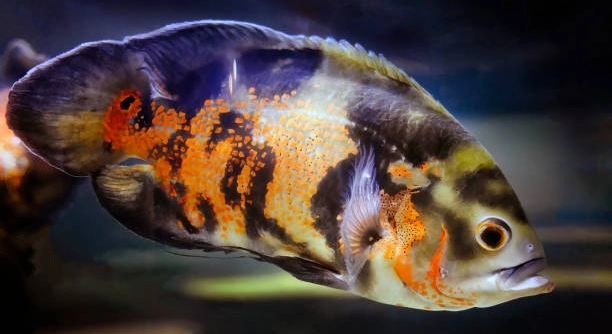
Convict cichlids are a popular choice for many aquarium enthusiasts, admired for their striking black-and-white patterns. Their behavior can change significantly during breeding periods, which makes observing them both exciting and educational.
Convicts are not always aggressive during spawning. While increased territoriality is common, aggression varies depending on the individual fish, tank size, and environment. Some pairs remain relatively calm, displaying only mild defensive behaviors toward intruders or other fish.
Understanding the nuances of convict behavior during breeding helps create a balanced aquarium and supports the wellbeing of all tank inhabitants.
Understanding Convict Cichlid Behavior
Convict cichlids display a range of behaviors during spawning that can be surprising for many aquarium owners. Some become highly territorial, guarding their chosen nesting sites with intensity. Others, however, may show only mild defensiveness, staying close to the eggs or fry without chasing other fish aggressively. Factors such as tank size, population density, and the presence of hiding spaces greatly influence their reactions. A crowded tank can increase tension, while providing rocks, caves, or plants often helps reduce conflict. Pair bonding also plays a role—established pairs tend to coordinate care for their eggs, taking turns guarding and feeding. Observing these behaviors carefully allows you to anticipate potential conflicts and manage your tank effectively. With consistent monitoring, adjustments in tank layout, and maintaining water quality, convicts can spawn successfully without excessive aggression, creating a healthier and more stable environment for all fish.
Not all convicts react the same way during breeding, and understanding individual tendencies is key to maintaining balance.
By creating space and hiding spots, you reduce stress and aggression while supporting natural behaviors. Careful observation ensures eggs and fry remain safe and healthy.
Managing Aggression During Spawning
Aggression can be minimized with thoughtful tank setup and consistent care.
Aggression during spawning is often a response to perceived threats near the nesting area. Limiting disturbances around the tank, separating overly aggressive tankmates, and providing visual barriers can help convicts feel secure. Some keepers choose larger tanks or multiple hiding spaces to reduce encounters between pairs and other fish. Timing also matters; during the first few days after eggs are laid, convicts are most protective, but behavior often calms as fry develop. Feeding consistently and maintaining clean water conditions supports calmer behavior. Over time, observing patterns allows you to predict peak aggression and intervene before conflicts escalate. Recognizing individual differences helps manage aggression without unnecessary separation or stress, making spawning a smoother experience for both the convicts and the overall tank ecosystem.
With careful planning, aggression does not have to disrupt spawning, and fish can thrive together naturally.
Recognizing Early Signs of Aggression
Aggressive behaviors often appear before spawning. Convicts may chase other fish, flare fins, or patrol territories more actively. Subtle signs include quick darting movements, stiff body posture, and increased hiding, signaling that the pair is preparing to defend a nesting site.
Monitoring these early behaviors allows adjustments in tank layout or feeding routines. Providing additional rocks, plants, or caves helps reduce stress for other fish and gives convicts clear boundaries. Observing interactions closely also helps identify which pairs are naturally calmer and which may need temporary separation to prevent injury. Early recognition makes managing aggression more effective and keeps the tank environment stable.
Not every aggressive display results in serious conflict. Some behaviors, like brief chases or displays of dominance, are natural parts of spawning. Understanding the difference between harmless displays and harmful aggression ensures fry and other fish remain safe while maintaining natural convict behaviors in a shared tank environment.
Creating a Safer Environment During Spawning
Providing ample hiding spaces reduces stress for all tank inhabitants and limits conflicts during breeding periods.
Proper tank setup significantly influences convict behavior. Rocks, caves, and dense plants create clear territories, giving fish a sense of security while preventing constant confrontations. Larger tanks allow more distance between pairs and other fish, lowering tension. Feeding in multiple locations reduces competition, and visual barriers prevent continuous eye contact, which can trigger aggressive responses. Clean water conditions, consistent temperature, and stable lighting also support calmer behavior. Monitoring interactions ensures that no individual fish becomes overly stressed or injured, and adjustments can be made quickly when needed. By carefully managing the environment, spawning can occur naturally while aggression remains controlled, preserving both the health of the fry and the overall harmony of the tank.
Feeding Strategies to Reduce Aggression
Feeding convicts multiple times a day in small amounts can reduce competition and lower stress. Providing food near hiding spots helps weaker fish access nutrition without being chased or cornered by dominant pairs.
High-quality, varied diets keep convicts healthy and less irritable. Including protein-rich flakes, pellets, and occasional live or frozen foods supports energy needs during spawning. Observing feeding behavior ensures all fish eat enough and prevents fights over scarce resources. Adjusting feeding locations and timing can also distract pairs from constant territorial patrolling, helping maintain a calmer tank environment.
Using Tank Dividers
Tank dividers can be a temporary solution to manage highly aggressive pairs. By separating fish physically, you protect fry and reduce injuries.
Monitoring Fry Development
Fry require careful observation in the first weeks. Keeping an eye on their growth and safety ensures they thrive.
FAQ
Do convict cichlids always attack other fish during spawning?
Convict cichlids do not always attack other fish while spawning. Some pairs show only mild territorial behavior, such as chasing briefly or flaring fins. Aggression largely depends on the tank setup, the number of hiding spots, and the size of the tank. Pairs in spacious tanks with clear territories often remain calm, only defending their eggs or fry when necessary. Observing your fish allows you to recognize normal defensive behavior versus harmful aggression, helping you decide when intervention is needed.
How can I tell if aggression is becoming dangerous?
Dangerous aggression usually involves constant chasing, biting, or cornering other fish, leaving them stressed or injured. Signs include torn fins, visible wounds, or fish hiding for long periods. If aggression escalates beyond short territorial displays, separating the pair temporarily or adding more hiding spaces can prevent serious injuries.
What tank conditions help reduce aggression?
Providing a well-structured environment is essential. Rocks, caves, and plants create territories and visual barriers. A larger tank reduces constant encounters, while stable water temperature, clean conditions, and consistent lighting contribute to calmer behavior. Feeding in multiple spots also prevents food-based competition, lowering tension between fish.
Should I separate my convicts from other fish during spawning?
Separation is not always required but may help in high-stress situations. Aggressive pairs in small tanks or with few hiding spots can harm other fish. Temporary dividers or moving aggressive fish to a separate breeding tank ensures fry safety and reduces stress for the rest of the aquarium.
How do I know if a pair is ready to spawn?
Signs include increased territorial patrolling, nest preparation, and guarding behaviors around rocks or caves. Pairs may become more focused on a specific area, display flared fins, and chase off intruders occasionally. Recognizing these behaviors allows you to provide appropriate space and protection for eggs or fry.
How long does aggression usually last during spawning?
Aggressive behaviors are strongest in the first few days after eggs are laid. Parents guard their eggs and fry most intensely during this period. Over time, as fry grow and become more mobile, aggression typically decreases. Some mild territorial displays may continue, but constant chasing usually subsides with proper tank management.
Can tank size influence spawning aggression?
Yes, tank size is a major factor. Small tanks limit movement and increase conflicts, while larger tanks allow more distance between pairs and other fish. More space reduces tension, allowing pairs to defend their territory without constant confrontation and creating a safer environment for all inhabitants.
What should I feed convict cichlids during spawning?
Feeding small, frequent meals helps reduce competition. High-protein flakes, pellets, and occasional live or frozen foods meet energy needs. Distributing food in different areas ensures weaker fish can eat without being chased. A proper diet supports both spawning behavior and overall health, reducing irritability.
How do hiding spots affect aggression?
Hiding spots give fish security and reduce stress. Rocks, caves, and dense plants allow non-aggressive fish to avoid confrontations. Clear territories help pairs feel safe defending their eggs without constantly chasing tankmates. More hiding spaces generally mean calmer tanks and fewer injuries.
Is it normal for fry to be left alone at times?
Yes, parents sometimes leave fry briefly to forage or patrol. This is normal behavior. Aggression usually spikes when the fry are very young and vulnerable, then decreases as they grow and gain mobility. Observing the parents ensures the fry are safe and that temporary absences do not indicate neglect.
Can aggression vary between individual pairs?
Absolutely. Some convict pairs remain calm during spawning, while others are highly territorial. Personality, tank conditions, and experience influence behavior. Observing each pair helps anticipate potential aggression and allows you to adjust tank layout or feeding practices to reduce stress for all fish.
When is it necessary to intervene?
Intervention is needed if aggression results in injuries, constant chasing, or extreme stress for other fish. Adding hiding spots, using temporary dividers, or separating aggressive pairs protects fry and maintains a safer environment for all tank inhabitants.
Does feeding reduce aggression completely?
Feeding alone cannot eliminate aggression, but it helps minimize food-related conflicts. Aggression related to territory or fry protection may still occur. Combining feeding strategies with tank layout adjustments and monitoring provides the best results in keeping a calmer aquarium.
How can I track fry development safely?
Observe fry from a distance to avoid stressing parents. Track growth, count numbers, and note behavior. Use gentle tools or clear sightlines rather than disturbing the tank. Monitoring allows early detection of problems without increasing aggression or risking the health of the fry.
Are there signs that convicts are naturally calmer breeders?
Yes, some pairs defend their eggs with minimal chasing or flaring. They may allow other fish to swim nearby without frequent attacks and show coordinated care. Recognizing naturally calm pairs helps in planning tank layouts and managing aggressive pairs separately.
Can aggression return in future spawnings?
Yes, aggression may return with each new breeding cycle. Environmental factors, tankmates, and previous experiences influence behavior. Continuing to provide hiding spots, adequate space, and proper feeding ensures that aggression remains manageable across multiple spawning periods.
How do visual barriers reduce conflicts?
Barriers like rocks, plants, or decorations break sightlines, preventing constant eye contact. Fish feel less threatened and are less likely to chase each other. This reduces stress and helps maintain calmer behavior during spawning and beyond.
What is the role of pair bonding in aggression?
Strongly bonded pairs coordinate defense of eggs and fry, often reducing unnecessary chasing of other fish. Weakly bonded pairs may show inconsistent protection, increasing stress and aggression. Observing pair interactions helps anticipate potential issues and supports effective tank management.
Can water quality impact aggression?
Poor water quality increases stress and can make fish more irritable, leading to heightened aggression. Maintaining clean water, stable temperature, and proper filtration reduces tension and supports both spawning success and calmer behavior overall.
Is temporary separation stressful for fish?
Temporary separation is usually less stressful than ongoing injury or harassment. Using dividers or separate breeding tanks allows parents to guard eggs safely while reducing harm to other fish. Gradual reintroduction after fry safety is established helps maintain normal social behavior.
How long should fry stay with parents?
Fry can safely remain with parents until they are free-swimming and able to avoid aggression. Removing them too early may prevent natural learning behaviors, while leaving them too long with highly aggressive pairs can risk stress or injury to other tankmates.
Does adding plants help aggression more than rocks?
Plants provide shelter and visual barriers but do not create rigid territories like rocks or caves. A combination of both is most effective, offering hiding spaces and clear defensive areas to reduce conflicts and protect fry during spawning periods.
Can aggression occur after fry leave the nest?
Yes, some parents maintain mild territorial behavior even after fry become mobile. This is usually less intense than during egg guarding, but observing behavior ensures remaining tankmates are not stressed or injured.
What signs show the tank is balanced during spawning?
Balanced tanks have limited chasing, healthy fry, and fish accessing food without conflict. Mild displays of territorial behavior are normal, but injuries, constant hiding, or stress indicate adjustments are needed. Regular observation ensures harmony and supports natural behaviors without harm.
How important is consistent observation during spawning?
Observation is essential. Noticing early signs of aggression, fry development, and feeding behavior allows timely interventions. It helps maintain a safe environment, reduces stress, and ensures both fry and adult fish thrive without unnecessary conflict.
Can aggression affect long-term health?
Chronic stress from aggression can weaken immune systems, slow growth, and increase susceptibility to disease. Managing aggression through tank design, feeding, and monitoring promotes healthier, longer-lived fish and a more stable aquarium environment.
How do I know if aggression is normal or excessive?
Normal aggression includes short chases, fin displays, and guarding behavior. Excessive aggression involves repeated attacks, injuries, or prolonged hiding. Recognizing the difference allows proper intervention without disrupting natural spawning behavior.
Is it possible to prevent aggression entirely?
No, some aggression is natural, especially around eggs and fry. Proper tank management reduces risk and severity, but expecting complete absence of aggressive behavior is unrealistic. Focus on minimizing harm and stress rather than eliminating all territorial displays.
How can I balance multiple breeding pairs?
Provide larger tanks, multiple territories, and abundant hiding spaces. Stagger feeding locations and monitor interactions. Temporary dividers may help prevent conflicts. Each pair should have sufficient space to reduce stress and maintain natural breeding behavior without endangering other fish.
Does tank decoration influence aggression?
Yes, decorations create visual barriers and defined territories. Proper placement reduces constant confrontation and allows each pair or individual to establish space without frequent conflicts. A carefully decorated tank balances safety, security, and natural behavior during spawning.
Can water temperature spikes trigger aggression?
Sudden temperature changes stress fish, increasing irritability and aggression. Maintaining stable temperatures reduces tension and supports normal breeding behavior. Gradual adjustments are safer if changes are needed.
Should I remove aggressive tankmates during spawning?
Removing highly aggressive or incompatible fish temporarily can protect fry and reduce stress for other inhabitants. This ensures a safer environment and allows spawning to proceed with minimal conflict. Reintroduction should be gradual once fry are more mobile.
Can observing aggression patterns help future breeding?
Yes, tracking which pairs are aggressive, calm, or moderately defensive informs tank setup and management strategies. Understanding patterns allows preemptive measures for subsequent spawnings, improving overall success and reducing risk to tankmates.
How do I encourage calm breeding behavior?
Provide ample space, hiding spots, stable water conditions, proper diet, and minimal disturbances. Observing and adjusting tank conditions according to fish behavior promotes calmer interactions and safer spawning conditions for fry and adults alike.
Does aggression differ between males and females?
Males are often more visibly territorial, but females guard eggs and fry intensely. Both sexes contribute to defense, and individual temperament affects aggression more than sex alone. Observing each pair gives a clearer picture of expected behaviors.
How long does it take for aggression to return to normal?
After fry become mobile and less vulnerable, aggression generally decreases. Most pairs return to mild territorial behavior, though occasional displays continue. Proper tank management speeds the return to balanced interactions.
Can hiding spots alone prevent aggression?
Hiding spots help, but do not completely prevent aggression. They reduce stress and provide refuge, but aggression related to eggs, fry, or established territories may still occur. Combining hiding spaces with proper tank size and feeding strategies is more effective.
What behaviors indicate healthy fry?
Healthy fry swim actively, feed regularly, and respond to parents without prolonged stress. They should explore the tank gradually and avoid constant hiding. Monitoring growth and behavior ensures the fry are thriving and safe from aggression.
Is it better to leave fry with parents or move them to a grow-out tank?
Leaving fry with parents allows natural protection and learning behaviors, but highly aggressive pairs or small tanks may require early separation. Grow-out tanks provide safety and reduce stress for other fish. Assess behavior and tank conditions to decide the best approach.
Can aggression affect other fish species in the tank?
Yes, excessive chasing or territorial displays can stress or injure other fish. Providing hiding spots, visual barriers, and sufficient space helps prevent negative effects on non-breeding species during convict spawning.
How do I gradually reintroduce fish after separation?
After temporary separation, allow fish to see each other through dividers first. Gradually remove barriers while monitoring interactions. Introduce slowly to prevent renewed aggression and ensure tank harmony.
Does tank lighting affect aggression?
Consistent lighting reduces stress and prevents sudden flashes of activity that may trigger aggression. Extreme changes in light can increase tension and irritability, so maintaining a stable cycle is beneficial.
Can aggression patterns predict future behavior?
Observing how pairs behave during one spawning cycle provides insight into future tendencies. Calm or moderately aggressive pairs are likely to behave similarly in subsequent spawnings, helping with tank planning and management.
Is aggression more common in first-time breeders?
First-time pairs may be more defensive as they establish territory and test boundaries. Experienced pairs often display more coordinated, controlled defense. Monitoring first-time breeders closely ensures safety and supports natural behavior.
What is the role of tank mates in spawning aggression?
Non-breeding tank mates influence stress levels. Passive, quick, or hiding-prone fish reduce conflict, while large, active, or dominant species may trigger more intense aggression. Choosing compatible tank mates helps maintain a calmer environment.
Does feeding frequency affect aggression intensity?
Frequent small meals reduce competition and lower food-related aggression. Large, infrequent feedings may increase chasing and stress. Combining feeding with tank structure and hiding spots supports calmer behavior.
How important is observing body language?
Body posture, fin flaring, and chasing behavior indicate territorial intent and stress levels. Recognizing these signs helps prevent injury and allows timely intervention to maintain tank harmony.
Are there signs that aggression is about territory rather than food?
Territorial aggression focuses on a specific nesting area, with chasing or displays mainly near eggs or fry. Food-related aggression occurs around feeding times, often involving competition for resources away from nesting areas. Recognizing the difference guides intervention strategies.
Can water chemistry influence aggression?
Imbalanced pH, ammonia, or nitrate levels stress fish and increase irritability. Stable water chemistry reduces tension, supporting calmer breeding behavior and healthier fry.
Do convicts remember previous conflicts?
Fish can recognize past interactions. Pairs or individuals previously involved in aggressive encounters may react more defensively in future spawnings. Observing history allows better tank planning and management of aggression.
How do I ensure tank safety while maintaining natural behavior?
Provide space, hiding spots, stable water conditions, and monitor feeding and interactions. Temporary dividers or separation may be used if necessary. This approach supports natural spawning behavior while minimizing stress and risk of injury.
Can aggression lead to death?
Severe, unmanaged aggression can injure or kill fish. Monitoring, tank adjustments, and temporary separation reduce risk, allowing fry and adults to coexist safely.
Is it normal for aggression to flare during feeding and spawning simultaneously?
Yes, overlapping triggers can increase intensity. Multiple feeding points, hiding spots, and careful observation reduce combined stress and prevent escalation into harmful conflicts.
Does aggression differ between first and subsequent spawnings?
First spawnings may show heightened territorial behavior, while experienced pairs often display coordinated defense with less chasing. Understanding these patterns helps anticipate and manage behavior across cycles.
Can aggression vary by individual temperament?
Yes, individual differences are significant. Some fish remain calm, while others are highly defensive. Recognizing temperament early allows better tank management and safer spawning conditions.
Are there signs that aggression is stress-related rather than natural?
Excessive hiding, loss of appetite, or erratic swimming indicate stress beyond normal territorial behavior. Interventions such as improved tank conditions or separation are necessary to reduce harm.
How can I tell if tank adjustments are working?
Reduced chasing, calmer interactions, healthy fry, and better feeding access indicate successful adjustments. Observing behavior over time confirms whether changes improve conditions.
Is aggression more common in smaller tanks?
Yes, limited space increases encounters and stress. Larger tanks with clear territories help reduce aggression and allow fish to maintain natural spawning behavior without constant conflict.
Can hiding spots alone prevent all aggressive behavior?
Hiding spots reduce stress but cannot eliminate territorial aggression entirely. Combining adequate space, feeding strategies, and monitoring ensures safer interactions and healthier spawning conditions.
How important is consistency in tank care?
Consistency in feeding, water quality, and lighting reduces stress and irritability. Stable conditions help convicts focus on breeding rather than constant territorial disputes, supporting healthier fry and calmer adults.
Can observing fry behavior indicate parent aggression levels?
Yes, if fry are consistently hiding, stressed, or injured, it signals high parental or environmental aggression. Calm fry suggest parents are defending without excessive conflict, helping guide tank management decisions.
Do all convicts show aggression in the same way?
No, behavior varies by pair, individual temperament, tank conditions, and previous experiences. Observing each pair closely ensures appropriate interventions and safe spawning conditions.
How do I know when to stop monitoring closely?
Once fry are mobile, parents return to mild territorial displays, and other fish are calm, intensive monitoring can be reduced. Continue periodic checks to maintain safety and balance.
Can tank decorations affect fry survival?
Yes, decorations create hiding spaces for fry and define territories. Properly placed items reduce chasing and protect fry during vulnerable early stages.
Is it normal for aggression to peak at night?
Some convicts are more active during low light or at night, briefly increasing territorial displays. Observing behavior ensures fry and other fish remain safe during these periods.
Does introducing new tankmates affect aggression?
Yes, new fish can trigger heightened defense of territory. Gradual introductions and ample hiding spots minimize stress and prevent injuries to fry and existing tankmates.
Can aggression impact long-term breeding success?
High stress or injuries can reduce spawning frequency or fry survival. Managing aggression ensures ongoing healthy reproduction and reduces risk to both parents and offspring.
Are there visual cues that indicate aggression will start?
Flaring fins, stiff body posture, rapid movements, and patrolling of nesting sites signal upcoming defensive behavior. Recognizing these early cues helps prevent escalation and injuries.
How do I balance aggression with natural breeding behaviors?
Provide space, hiding spots, stable water, proper feeding, and monitor interactions. Allow natural defense while preventing harm to other fish or fry for a balanced tank environment.
Can aggression flare during water changes?
Yes, disturbances during maintenance can increase stress and trigger territorial displays. Minimizing disruption and performing gradual changes reduces aggression risks.
Is aggression more intense when eggs are present?
Yes, guarding eggs is the peak period for territorial defense. Aggression usually declines as fry grow and become more mobile.
Do male and female parents share defensive roles equally?
Both sexes participate, though males often patrol more actively. Females focus on eggs and fry protection. Observing their roles ensures balanced care and helps anticipate aggression levels.
Can prior tankmates influence current aggression?
Yes, past conflicts may affect behavior in future tanks. Fish may be more defensive if previously harassed or stressed, requiring careful observation in new environments.
Are there natural ways to reduce aggression without intervention?
Providing ample space, hiding spots, and clear territories reduces stress naturally. Consistent feeding and stable conditions support calmer interactions, allowing breeding to proceed with minimal human interference.
How long should I observe aggression daily?
Short daily checks are sufficient, focusing on early signs, fry safety, and feeding behavior. Intensive observation is most important during peak spawning periods for intervention if needed.
Can aggression be triggered by shadows or reflections?
Yes, reflections or sudden shadows can be perceived as intruders, briefly increasing chasing or flaring. Minimizing reflective surfaces and external disturbances helps maintain calm conditions.
**Does aggression differ between captive-bred and wild
Convict cichlids are fascinating fish to observe, especially during spawning periods. Their behavior can vary widely, from calm pairs that defend their eggs without much conflict to highly territorial fish that chase or flare at tankmates. Understanding that aggression is not always constant or extreme helps set realistic expectations for managing a breeding tank. Tank conditions, including size, hiding spots, water quality, and the presence of other fish, play a significant role in how each pair behaves. Pairs in well-structured environments tend to be calmer, while crowded or poorly decorated tanks can increase tension. Observing patterns of behavior allows aquarists to anticipate conflicts and create a safer, healthier environment for both adults and fry. Recognizing the difference between normal territorial displays and harmful aggression is an essential skill for maintaining a balanced aquarium.
Feeding practices and tank layout have a direct impact on aggression levels during spawning. Frequent, small meals distributed in multiple locations can prevent competition over food, reducing stress and minimizing fights. Similarly, rocks, caves, and plants create clear boundaries, giving fish a sense of security and reducing constant patrolling of territory. Temporary dividers or separate breeding tanks may be useful in cases of extreme aggression, allowing fry to grow safely while preventing injury to other fish. Water quality, temperature, and lighting consistency also contribute to calmer behavior. By addressing these factors proactively, aquarists can manage aggression without disrupting natural behaviors, supporting both successful spawning and overall fish health. Over time, observing each pair’s temperament helps guide decisions for future breeding periods, providing insights into which pairs are naturally calmer and which may require more careful monitoring.
Monitoring and understanding convict cichlid behavior during spawning is about balance. Aggression is a natural part of protecting eggs and fry, but with careful management, it does not have to threaten other tank inhabitants. Providing ample space, proper hiding spots, stable water conditions, and a nutritious diet supports calmer, healthier fish. Observing early signs of aggression, such as fin flaring, chasing, or patrolling, allows for timely interventions before conflicts escalate. Each pair is unique, and their behavior may change with experience or environmental adjustments. By maintaining a calm, well-organized tank, aggression can be managed effectively, fry can thrive, and the natural behaviors of convict cichlids can be enjoyed safely. Understanding and responding to these behaviors ensures a harmonious aquarium, creating a space where fish can breed naturally without unnecessary stress or risk of injury.

Hello,
If you enjoy the content that we create, please consider saying a "Thank You!" by leaving a tip.
Every little bit helps us continue crafting quality advice that supports the health, happiness, and well-being of pets around the world, for pets of all shapes, sizes, and species.
We really appreciate the kindness and support that you show us!