
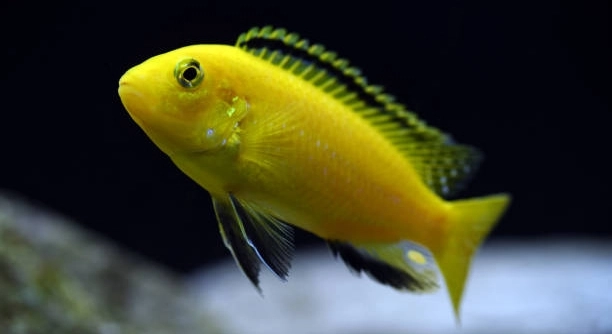
Convict cichlids are small, colorful freshwater fish often kept in home aquariums. They are known for their strong personalities and territorial behavior, making them interesting creatures to observe as they interact with each other.
Convict cichlids can recognize each other through visual and behavioral cues. They use distinct markings, body size, and past interactions to identify familiar individuals, allowing them to establish social hierarchies and maintain territory boundaries effectively within their environment.
Learning how these fish identify each other can help improve aquarium management and reduce conflicts, ensuring a more peaceful environment for both the cichlids and their keepers.
How Convict Cichlids Identify Each Other
Convict cichlids rely heavily on visual cues to recognize one another. Their striped patterns are unique enough for them to tell apart familiar fish from strangers. Body size also plays a role, as larger or older fish often command more respect and can influence social interactions. Behavior is equally important; repeated interactions help them remember who is dominant or submissive. Territorial displays, such as flaring fins or chasing, reinforce these social memories, helping reduce unnecessary fights. Observing them closely, you can notice subtle differences in movement or posture that indicate recognition. Even small changes in their environment, like rearranged decorations or new hiding spots, can affect how quickly they recognize each other. Their memory is surprisingly reliable, allowing them to maintain order within their tank and avoid repeated conflicts. In multi-fish tanks, these recognition patterns help maintain stability and minimize stress for each individual.
Their recognition skills are shaped by both innate behavior and learned experience, making them more predictable over time.
Understanding their visual and behavioral recognition can improve tank management. Consistent interactions and stable territories reduce stress and create a calmer aquarium environment, helping convict cichlids thrive alongside each other naturally.
Social Hierarchies and Behavior
Convict cichlids establish clear social ranks to avoid constant fighting.
Once a hierarchy is formed, fish understand their place and interactions become more predictable. Dominant individuals control prime territory, while subordinates adapt to less desirable areas. This ranking system is maintained through ongoing displays of aggression or submission. Regular interactions reinforce these positions, making recognition critical. Memory allows cichlids to remember previous encounters, reducing unnecessary confrontations and stress. Fish that are new to a tank may face initial challenges, but familiarization over time often leads to smoother social dynamics. Researchers note that these patterns are not just instinctual; they develop through repeated interactions and environmental stability. Even in small tanks, cichlids demonstrate an understanding of hierarchy, showing that recognition and memory are vital to their social life. Providing hiding spaces and observing interactions can help keep the social order stable, supporting healthier fish behavior and reducing aggression-related injuries.
These social structures show how recognition directly impacts day-to-day interactions and overall tank harmony.
Proper management of tank conditions, careful introduction of new fish, and consistent observation help maintain a balanced hierarchy. Fish that are stressed or forced into constant competition may develop health issues or display abnormal aggression, so paying attention to social dynamics is essential. Understanding how convict cichlids recognize each other allows keepers to create an environment that respects their natural behavior, minimizes conflict, and encourages natural, confident interactions. Fish with stable recognition patterns tend to explore more, feed effectively, and demonstrate healthier coloration. Simple steps like maintaining consistent tank layout, limiting overcrowding, and introducing new fish gradually can reinforce recognition processes and support long-term well-being. By respecting their memory and social awareness, keepers can enjoy observing rich behaviors without constant intervention or conflict.
Tank Conditions and Recognition
Stable tank conditions help convict cichlids recognize each other more easily. Changes in decorations, lighting, or water flow can confuse them and trigger unnecessary stress. Consistency allows them to remember familiar fish and maintain social order.
Maintaining clean water and stable temperature is essential for their memory and behavior. Convict cichlids rely on repeated visual and social cues to identify tank mates, so sudden changes in their environment can disrupt recognition. Overcrowding makes it harder for them to distinguish individuals, increasing aggression and stress. Providing enough space, hiding spots, and a predictable environment supports their natural recognition patterns, reducing conflicts and helping them feel secure.
Even small rearrangements can cause temporary confusion among cichlids. By observing their reactions to changes, you can identify signs of stress or aggression. Gradual adjustments, rather than sudden shifts, allow fish to adapt while maintaining their recognition abilities. A well-structured tank ensures that social hierarchies remain intact and interactions are calmer, making daily observation more enjoyable and predictable.
Introducing New Fish
New fish should be introduced slowly to prevent confusion and aggression. Separation or barriers at first helps existing cichlids adjust.
Introducing new convict cichlids without preparation can trigger fights. Using a divider or quarantine area lets both new and existing fish see and smell each other without direct contact. This helps them gradually recognize one another while reducing immediate territorial disputes. Observing their behavior during this period allows you to identify potential compatibility issues. Once they appear calm and curious rather than aggressive, the divider can be removed. Controlled introductions minimize stress, support social learning, and help maintain the established hierarchy in the tank, keeping the environment stable for all residents.
Gradual introduction also gives the new fish a chance to learn the existing social structure. By allowing time for observation and recognition from both sides, aggression is reduced, and interactions become more predictable. Providing hiding spots and visual barriers further supports adjustment, giving the newcomer space to explore without provoking dominant fish. Fish introduced too quickly often experience repeated harassment or injury, disrupting the social order. A patient approach ensures that the entire tank community can coexist more peacefully. Proper feeding routines, consistent tank conditions, and careful observation during this period reinforce recognition patterns and help maintain long-term stability for all cichlids.
Recognizing Family Members
Convict cichlids can recognize their offspring and siblings through repeated interactions and familiarity. This helps parents protect their young and reduces aggression among siblings.
Fry and juveniles are often treated differently than unfamiliar fish. Adults remember their young, allowing them to provide care while keeping the social environment stable for the rest of the tank.
Impact of Aggression
Aggression affects recognition by reinforcing memory of dominant and subordinate individuals. Repeated displays of chasing or fin flaring help fish remember who holds territory. Fish that are frequently aggressive or bullied learn to avoid certain individuals, maintaining the hierarchy and reducing future conflicts.
Role of Memory
Convict cichlids rely on short-term and long-term memory to identify tank mates. Memory allows them to recall past interactions, recognize familiar fish, and adapt their behavior accordingly, ensuring smoother social dynamics and more predictable interactions in shared spaces.
FAQ
Do convict cichlids remember their tank mates for a long time?
Yes, convict cichlids can remember familiar fish for weeks or even months. Memory is reinforced through repeated interactions, recognizing visual patterns, and observing behavior. Fish that have established hierarchies are less likely to fight after recognizing each other, making the tank environment more stable over time.
How do they recognize each other?
Convict cichlids rely on a combination of visual and behavioral cues. Stripe patterns, body size, and unique movements all help them identify familiar individuals. Past experiences, such as fights or cooperative interactions, are remembered and influence how they respond in future encounters.
Do they show different behavior toward new fish?
Yes, unfamiliar fish are often treated with caution or aggression. Dominant cichlids may chase or display their fins to establish territory. Over time, as recognition develops, aggression usually decreases, and the social order stabilizes. Slow introductions can reduce stress during this process.
Can changes in the tank affect recognition?
Absolutely. Rearranging decorations, adding new hiding spots, or altering water conditions can confuse cichlids. Stability helps them recognize each other more easily and maintain social hierarchies. Gradual adjustments allow fish to adapt without disrupting their memory of tank mates.
Do they recognize their offspring?
Yes, adult convict cichlids can recognize their fry and provide care. Recognition is based on repeated exposure and familiarity. Parents are less likely to show aggression toward their young, and fry learn to stay near adults, reducing risk from other tank mates.
Is size important in recognition?
Size influences recognition and social interactions. Larger or older cichlids often dominate smaller ones, and these size differences are remembered. Fish quickly learn who holds territory, which helps prevent constant fighting and maintains social order within the tank.
How long does it take for new fish to be recognized?
It depends on the number of fish and tank conditions. Typically, a few days to a couple of weeks of observation through barriers or slow introduction is enough for cichlids to become familiar and reduce aggressive encounters. Hiding spaces can make this process smoother.
Can stress affect their recognition ability?
Yes, stressed fish may struggle to remember familiar tank mates. Stressors like overcrowding, poor water quality, or sudden changes in layout interfere with recognition. Maintaining stable conditions and observing social interactions ensures memory and behavior remain consistent.
Do cichlids learn from repeated interactions?
Definitely. Each interaction, whether aggressive, submissive, or neutral, helps convict cichlids build memory and recognize patterns in their tank mates. Over time, repeated encounters allow them to anticipate behaviors and reduce unnecessary conflicts.
Are some cichlids better at recognition than others?
Yes, individual differences exist. Some fish are more observant or socially aware, making them quicker to remember others. Factors like age, size, and prior experiences can influence how effectively a cichlid recognizes and responds to familiar fish in the tank.
Can recognition prevent fights entirely?
Not entirely, but it greatly reduces the frequency and intensity of conflicts. Recognizing established hierarchies helps fish avoid unnecessary fights, keeping the tank calmer. Aggression usually occurs when a new fish is introduced or if territory is challenged.
How can I support recognition in my tank?
Providing consistent water conditions, stable decorations, hiding spots, and a gradual introduction of new fish supports recognition. Observing behavior and separating highly aggressive fish temporarily can reinforce memory and reduce stress, helping maintain a peaceful social environment.
Do they recognize fish outside their species?
Convict cichlids primarily recognize their own species. They may notice and respond to other species, especially if territorial or aggressive, but detailed recognition like memory of individuals is less common outside their own species.
Why does recognition matter for tank health?
Recognition reduces stress, aggression, and injuries. Fish that remember each other and understand social ranks interact more predictably, making feeding, breeding, and general maintenance easier. It ensures a balanced and calmer environment where all fish can thrive.
Can recognition change over time?
Yes, recognition can evolve as new fish are added, individuals grow, or social dynamics shift. Adults remember previous interactions, but ongoing observation and consistent tank conditions are key to maintaining stable recognition among all tank residents.
This FAQ highlights how convict cichlids rely on memory, behavior, and stability to recognize each other, emphasizing the importance of careful management and observation for a healthy aquarium environment.
Convict cichlids are more than just colorful fish swimming in a tank. Their ability to recognize each other shows that they have a level of social intelligence that is often surprising for such small creatures. They use a combination of visual patterns, body size, and repeated interactions to tell who is familiar and who is new. This recognition helps them maintain social hierarchies and reduce unnecessary aggression. It also allows parents to care for their young while avoiding conflicts with other tank mates. Watching these interactions can be fascinating, as it reveals how careful observation and memory shape their daily behavior in the tank.
Recognition among convict cichlids is not limited to knowing who is who. It also influences how they respond in different situations. Dominant fish assert their authority over territory and food, while subordinate fish learn to avoid conflict. Over time, repeated encounters help fish remember past experiences, making interactions more predictable and less stressful. Stability in the tank, such as consistent water conditions, hiding spots, and minimal sudden changes, supports this recognition. Even introducing new fish can be managed successfully by using slow introductions, barriers, and observation to allow the cichlids to adjust. This shows that their memory and social awareness are flexible and adaptive, responding to the environment and their companions.
Understanding how convict cichlids recognize each other can make a real difference for anyone keeping them in a tank. It helps prevent unnecessary fights, reduces stress, and ensures that the social order is maintained. By providing a stable environment, carefully managing introductions, and observing interactions, keepers can support these natural behaviors. This not only benefits the health and well-being of the fish but also makes caring for them more rewarding. Recognizing that these fish are capable of memory and social understanding can change the way you approach aquarium management. With patience and attention, convict cichlids can coexist peacefully, allowing their unique behaviors and personalities to be appreciated fully.

Hello,
If you enjoy the content that we create, please consider saying a "Thank You!" by leaving a tip.
Every little bit helps us continue crafting quality advice that supports the health, happiness, and well-being of pets around the world, for pets of all shapes, sizes, and species.
We really appreciate the kindness and support that you show us!