
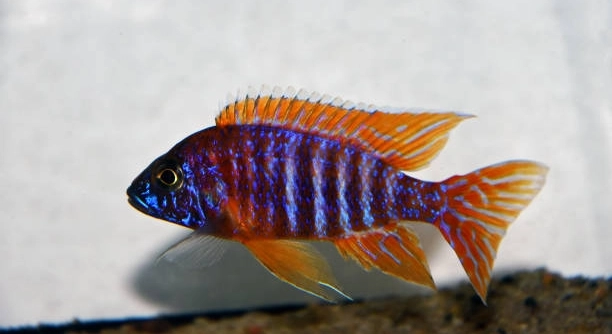
Convict cichlids are known for their strong personalities and territorial behavior in aquariums. Many aquarists observe interactions closely, noticing how these fish react when introduced to familiar or new tankmates. Their behavior often sparks curiosity.
Convict cichlids are capable of remembering previous tankmates to some extent. They display recognition through territorial responses and social interactions, indicating that their memory can influence how they interact with familiar fish even after extended separation.
Observing these interactions can help fishkeepers better manage community tanks and reduce unnecessary aggression among cichlids. Understanding their memory adds insight into their social behavior.
How Convict Cichlids Recognize Each Other
Convict cichlids rely heavily on visual and behavioral cues to recognize previous tankmates. When reintroduced, they may display subtle signs of familiarity, such as reduced aggression or specific social behaviors. In some cases, they seem to remember patterns from previous interactions, including territory boundaries and feeding routines. This memory can last for several weeks or even months, depending on the individual fish and their environment. Observing these responses provides insight into how these cichlids establish social hierarchies. Even minor changes in tank setup or group composition can affect how they interact, highlighting the role of memory in their daily behavior. Tankkeepers who notice calm greetings between familiar fish may use this knowledge to reduce stress during reintroductions. Additionally, memory helps them anticipate behaviors from fish they have interacted with before, which can influence aggression, mating, and territoriality.
Their recognition is not perfect, but it plays a clear role in their social interactions.
Memory in convict cichlids also affects long-term tank management. Fish that remember each other tend to establish predictable hierarchies faster, which reduces prolonged fighting. Tankkeepers can use this to their advantage by gradually reintroducing familiar fish after separation, helping maintain stability. Stress levels drop when cichlids can recognize neighbors, making feeding and breeding easier. Understanding memory also informs how multiple fish share territory and resources. While some fish may eventually forget over long periods, repeated interactions strengthen recognition. In community tanks, this can prevent new conflicts and help cichlids coexist more peacefully. Memory shapes not only social behavior but also territorial decisions, feeding patterns, and overall well-being.
Factors Affecting Memory in Cichlids
Memory retention in convict cichlids can vary with age, stress, and environment.
Tank conditions, including water quality, space, and hiding spots, directly influence memory. Stressful environments can impair recognition, while consistent and stable tanks help fish remember previous interactions more effectively. Social dynamics, such as frequent changes in group composition, may confuse memory and increase aggression. Familiar cues, like tank layout or objects, reinforce recognition and reduce stress during reintroduction. Additionally, diet and overall health play subtle roles; healthier fish tend to retain social memories better. By controlling these factors, tankkeepers can create a setting that supports memory and reduces unnecessary conflict.
Maintaining stable conditions encourages stronger recognition among convict cichlids. Regular feeding schedules and consistent tankmates help reinforce memory, which can reduce aggression over time. Observing interactions carefully allows you to identify which fish remember each other and which may require separate accommodations. Tank rearrangements should be gradual to minimize stress and preserve recognition cues. Stressful events, such as sudden water changes or overcrowding, can temporarily impair memory, leading to conflicts even among previously familiar fish. Recognizing these influences allows for better planning of tank introductions and reintroductions. Memory in convict cichlids is not just a curiosity—it’s a practical tool for ensuring calmer, more harmonious tanks.
Recognizing Tankmates After Separation
Convict cichlids can remember previous tankmates even after weeks apart. Their responses vary, with some showing calm behavior while others remain cautious. Recognition is influenced by the length of separation, prior interactions, and individual temperament, which affects how quickly they adjust when reintroduced.
Memory plays a significant role when convict cichlids are reintroduced after separation. Fish that had positive interactions previously tend to resume familiar behaviors faster, while those that experienced conflict may remain defensive. Visual cues, territorial markers, and subtle body language all contribute to recognition. Consistent observation helps identify which fish remember each other, allowing better management of social dynamics in the tank.
Even after extended periods, some convict cichlids retain long-term memory of their tankmates. These fish may approach familiar companions cautiously at first, then gradually interact as they recall past experiences. Territorial boundaries previously established are often respected, reducing aggressive encounters. Memory can influence feeding order, mating behaviors, and social hierarchy, making it an essential factor for maintaining a stable community. Recognizing these patterns allows tankkeepers to anticipate conflicts and manage tank arrangements more effectively, creating a calmer environment for all inhabitants.
Techniques to Support Recognition
Stable environments improve recognition among convict cichlids. Regular routines, consistent tankmates, and minimal disturbances help fish recall previous interactions and reduce stress when reintroduced.
Environmental consistency is crucial for memory retention. Structured feeding schedules, stable water conditions, and familiar tank layout reinforce recognition of prior tankmates. Introducing new fish gradually prevents confusion and allows individuals to adapt without conflict. Providing sufficient hiding spaces ensures fish feel secure, which supports long-term social memory. Observation of behavior helps identify when recognition occurs, allowing adjustments to tank management.
Supporting memory also involves managing stress and providing positive reinforcement. Avoid sudden water changes or overcrowding, as these can disrupt recognition and increase aggression. Visual markers, like consistent decorations or plants, help fish orient themselves and remember neighbors. Feeding in predictable patterns encourages calm interactions and strengthens familiarity. Over time, these measures help convict cichlids maintain clear social relationships, respect territories, and reduce unnecessary conflict. By prioritizing stability and observation, tankkeepers can create an environment that encourages strong memory and peaceful cohabitation.
Signs of Recognition
Convict cichlids display recognition through subtle behaviors. Reduced aggression, familiar swimming patterns, and shared territory use indicate they remember previous tankmates. These signs can help tankkeepers manage social dynamics effectively.
Observation is key. Fish that approach calmly or avoid conflict with certain tankmates are likely recalling past interactions. Recognizing these patterns helps maintain a stable environment and reduces unnecessary stress among the fish.
Impact on Social Hierarchy
Memory strongly influences social hierarchy in convict cichlids. Fish that remember prior interactions tend to reestablish previous dominance and territorial boundaries faster. This recognition reduces prolonged aggression, as familiar fish anticipate each other’s behavior. Long-term memory affects mating, feeding, and cohabitation, making social order more predictable.
Managing Introductions
Gradual introductions support memory and reduce aggression. Reintroducing fish slowly allows recognition to guide interactions and helps maintain calm, stable tanks.
FAQ
Do convict cichlids always remember their old tankmates?
Convict cichlids do not always remember every previous tankmate. Memory depends on the length of time apart, prior interactions, and the individual fish’s temperament. Fish with positive experiences are more likely to recall and interact calmly, while fish that experienced conflict may be cautious or aggressive upon reintroduction. Memory is strongest for fish they interacted with frequently or shared territory with, and it may fade over long separations or stressful conditions.
How long can convict cichlids remember other fish?
Research and observations suggest that convict cichlids can remember other fish for several weeks to months. The retention of memory is influenced by factors like tank stability, consistent routines, and social interactions. Fish in calm, well-structured environments retain recognition longer than those in stressful or frequently changing tanks. Repeated exposure to familiar fish strengthens memory, while long gaps without interaction may reduce recognition and increase the likelihood of conflict.
What behaviors indicate recognition of old tankmates?
Recognition is often shown through reduced aggression, relaxed body language, and tolerance of shared territory. Fish may approach familiar tankmates calmly, swim together in certain areas, or maintain previous hierarchies. Feeding patterns can also reveal memory, as recognized fish may eat near each other without dispute. Subtle visual and behavioral cues, such as nods or fin displays, indicate acknowledgment of prior interactions. Observing these patterns helps determine which fish remember each other.
Can memory help reduce aggression in community tanks?
Yes, memory plays an important role in managing aggression. Fish that recognize previous tankmates are more likely to respect established territories and social hierarchies. Gradual reintroductions and stable tank conditions allow recognition to guide interactions, reducing unnecessary conflict. Using memory strategically can improve tank harmony, prevent stress-related health issues, and make feeding and breeding routines smoother for both fish and tankkeepers.
Do older or younger convict cichlids have better memory?
Memory can vary with age. Older, more experienced cichlids tend to have stronger social memory and can recall interactions more reliably. Younger fish may recognize others but are often more unpredictable, as they are still learning social structures and establishing territories. Providing consistent exposure to the same group helps younger fish develop recognition patterns and reduces conflicts as they mature.
Does tank environment affect memory?
Absolutely. Stable, consistent tank environments improve memory retention. Fish in tanks with predictable routines, familiar layouts, and minimal disturbances recall previous interactions more effectively. Stressful environments, overcrowding, or sudden changes can impair recognition. Visual markers, like plants or decorations, also support memory by providing familiar reference points that fish associate with specific tankmates.
How can I encourage my convict cichlids to remember each other?
Maintaining stability is key. Keep consistent feeding schedules, avoid sudden tank changes, and minimize stress during handling. Gradual reintroductions after separation allow fish to recognize each other naturally. Providing familiar hiding spots, stable territory boundaries, and repeated positive interactions reinforces memory and strengthens social bonds over time, reducing aggression and improving overall tank dynamics.
Is memory the same for all cichlid species?
No, memory varies between species. Convict cichlids are particularly territorial and social, which makes recognition more noticeable. Other cichlids may rely on different cues or have shorter memory spans. Observing specific behaviors and interactions is essential for understanding how memory works in your particular species and adapting tank management strategies accordingly.
Can memory affect breeding behavior?
Yes, convict cichlids may respond differently to previous tankmates during breeding. Fish that remember familiar companions often resume established pair bonds or respect territorial boundaries more readily. Recognition reduces aggression near nesting sites and helps maintain calm conditions for raising fry. Memory also influences mate selection, as familiarity may encourage compatibility and improve the likelihood of successful breeding.
What signs show that a fish has forgotten a previous tankmate?
Signs of forgetting include sudden aggression, territorial disputes in previously shared areas, and cautious or defensive behavior toward familiar fish. Fish may ignore former companions or fail to follow established social cues. These changes often occur after long separations, stressful events, or alterations in tank environment. Consistent observation helps tankkeepers identify when memory has faded and adjust tank arrangements accordingly.
Are there ways to test if convict cichlids remember each other?
Yes, careful observation during reintroduction can reveal recognition. Fish that approach calmly, avoid conflict, or resume previous social behaviors likely remember each other. Gradual reintroductions, monitoring feeding patterns, and watching interactions in shared territories provide insights. Documenting these behaviors over time helps identify memory retention and guide future tank management decisions.
Does stress erase memory in convict cichlids?
Stress can temporarily impair recognition. Sudden changes in water conditions, overcrowding, or aggressive tankmates increase stress, which may cause fish to forget prior social interactions. Minimizing stress through stable environments, gradual introductions, and careful handling helps maintain memory and reduces aggressive behaviors, promoting a more peaceful tank.
Can memory influence feeding order in tanks?
Yes, recognized fish often resume familiar feeding positions and behaviors. Fish that remember their tankmates may avoid conflict by waiting their turn or respecting territory boundaries. Feeding order can reflect established hierarchies reinforced by memory, helping reduce competition and aggression during meals. Observing these patterns can assist in managing tank dynamics efficiently.
Do convict cichlids show signs of recognition with non-family fish?
They can. While recognition is stronger with familiar individuals from shared tanks, convict cichlids may also remember non-family fish they interacted with regularly. Behavioral cues, tolerance, and reduced aggression toward these fish indicate memory beyond immediate family or pair bonds, which helps maintain social structure in mixed communities.
How important is observation for understanding memory?
Observation is essential. Noticing subtle behaviors, swimming patterns, and interactions helps identify recognition and memory retention. Tracking aggression levels, feeding habits, and territory use over time allows tankkeepers to support social memory and maintain a calmer, more predictable environment for all fish.
Does memory impact long-term tank stability?
Yes, memory directly affects tank stability. Fish that recall previous interactions establish hierarchies faster, reducing prolonged aggression. Stable social relationships lead to calmer feeding, mating, and territorial behaviors, contributing to healthier fish and a more manageable aquarium overall. Supporting memory through environmental consistency is a practical tool for long-term success.
Can fish regain memory after forgetting?
To some extent, yes. Repeated exposure to familiar tankmates and stable conditions can help fish relearn prior interactions. Gradual reintroductions, positive reinforcement through calm cohabitation, and maintaining stable territories allow fish to rebuild recognition, reducing conflict and restoring social balance over time.
Are there signs that memory improves over time?
Improved memory is often shown by smoother interactions, reduced aggression, and predictable social behaviors. Fish may resume previous hierarchies faster, feed together without conflict, and maintain established territories. These signs indicate that repeated exposure and stable conditions reinforce recognition, supporting long-term tank harmony.
Does individual personality affect memory?
Yes, personality plays a role. Some convict cichlids are naturally more social or cautious, influencing how they remember and interact with others. Dominant or territorial fish may retain memory of competitors longer, while shy fish might avoid interactions, showing selective recognition based on previous experiences.
Can memory influence pairing and mate selection?
Memory affects compatibility. Fish that remember previous tankmates or mates are more likely to form stable pairs, respect boundaries, and cooperate during breeding. Familiarity can reduce stress, aggression, and competition, increasing the chances of successful spawning and fry survival.
Are there differences in memory between males and females?
There can be subtle differences. Males may focus more on territorial memory, while females might remember social interactions and nesting areas. Both sexes show recognition of prior tankmates, but the context and type of memory may vary depending on roles in territory defense, mating, or social hierarchy.
How can I use memory knowledge for better tank management?
Recognizing memory allows you to plan reintroductions, manage aggression, and maintain stable social hierarchies. Gradual introductions, stable environments, and observation of behavior help convict cichlids recall previous interactions, reduce stress, and create a calmer, more predictable aquarium. Using memory strategically improves overall fish well-being.
What is the most common mistake with memory management?
The most common mistake is frequent rearrangements or sudden reintroductions without considering prior interactions. Stressful changes can erase memory temporarily, causing aggression even among familiar fish. Maintaining stability and planning reintroductions carefully prevents conflicts and supports long-term recognition and tank harmony.
Can memory affect stress levels in cichlids?
Yes, fish that remember previous tankmates tend to experience lower stress when reintroduced. Familiarity reduces the need for constant territorial displays and defensive behavior, creating a calmer environment that benefits health, feeding behavior, and overall well-being.
Is it possible for fish to remember multiple tankmates?
Convict cichlids can recognize multiple individuals, but memory strength may vary. Fish often prioritize interactions with frequent companions or those involved in previous conflicts. Observing interactions can help determine how many tankmates are recognized and guide tank arrangements for minimal stress.
Does repeated separation weaken memory?
Repeated separation can weaken recognition, especially if interactions are infrequent. However, stable environments and consistent reintroductions can reinforce memory. Gradual exposure and predictable routines help maintain recognition even after multiple separations, ensuring social stability.
How do tankkeepers know when memory has faded?
Signs include sudden aggression toward familiar fish, disrupted hierarchies, and defensive behaviors in previously calm territories. Monitoring behavior during reintroductions and noting changes over time allows tankkeepers to adjust tank arrangements or reestablish recognition safely.
Can memory influence aggressive outbreaks?
Yes, memory reduces unnecessary aggression by helping fish anticipate others’ behaviors. Fish that forget previous interactions may provoke fights, while those with strong memory establish predictable social patterns, limiting conflicts. Maintaining environmental stability supports memory and minimizes aggression outbreaks.
Are there practical ways to strengthen memory naturally?
Yes. Consistency in tankmates, layout, feeding, and minimal stress all help. Gradual reintroductions and observation reinforce recognition, allowing fish to remember prior interactions. Providing stable territories and positive reinforcement through calm interactions strengthens memory naturally over time, improving social stability and tank management.
Does memory differ between captive and wild convict cichlids?
Captive fish may retain memory differently due to controlled environments, fewer threats, and structured routines. Wild fish rely on memory for survival and territory defense, which may enhance recognition skills but under more variable conditions. Understanding these differences helps tailor tank management strategies to captive settings.
Can memory be affected by illness or injury?
Yes, sickness or injury can temporarily impair recognition. Fish under stress from poor health may forget previous interactions, leading to unexpected aggression. Ensuring proper care, treatment, and a calm environment helps restore memory and allows social interactions to normalize.
Does group size impact memory?
Group size influences recognition. Smaller groups make memory easier to retain, while larger communities may create more complex social dynamics. Fish may remember only the most significant or frequent interactions, requiring careful observation to manage tank hierarchy and reduce conflicts.
How do I reintroduce fish to maximize memory recall?
Gradual reintroduction is key. Place fish in neutral areas first, observe interactions, and allow them to adjust slowly. Stable conditions, minimal stress, and familiar cues support recognition. Repeated positive interactions reinforce memory and maintain calm, predictable social behavior.
Are there visual cues that trigger memory in convict cichlids?
Yes, visual markers such as body shape, coloration, swimming patterns, and familiar territory cues help trigger recognition. Fish rely on these cues to identify prior tankmates, assess threats, and resume previous social behaviors. Maintaining consistent visual environments supports memory retention.
Can memory help with pairing multiple fish in one tank?
Yes, understanding memory allows for careful planning of pairings. Fish that remember previous companions are less likely to engage in conflict, making it easier to manage multiple pairs or groups. Gradual introductions and stable conditions enhance memory and tank harmony.
Do convict cichlids have short-term or long-term memory?
They have both. Short-term memory helps with immediate interactions, like feeding and territory defense, while long-term memory allows recognition of previous tankmates and social hierarchies over weeks or months. Both types are essential for maintaining stable social structures.
Does memory influence parental behavior?
Yes, fish that recognize previous companions may cooperate more effectively during parenting. Familiarity reduces stress near nesting sites, supports coordinated defense, and increases the survival rate of fry by maintaining calm and predictable social interactions.
Can memory be observed through body language alone?
Body language often reflects recognition. Relaxed posture, reduced displays of aggression, and synchronized swimming patterns indicate memory. Observing these behaviors helps tankkeepers assess which fish recall previous interactions and adjust management strategies accordingly.
How do I know if memory is improving over time?
Improvement is shown by smoother interactions, less conflict, and predictable social behaviors. Fish may resume familiar hierarchies, tolerate previous tankmates, and maintain established territories. Regular observation allows tankkeepers to track progress and ensure tank stability.
Can memory help prevent bullying in community tanks?
Yes, fish that remember social hierarchies are less likely to challenge dominant individuals unnecessarily. Recognition reduces stress, avoids constant fights, and maintains calm feeding and territory sharing, promoting a healthier and more peaceful tank environment.
Do convict cichlids remember fish from other tanks?
Generally, recognition is strongest for fish they interacted with regularly. Fish from completely separate tanks are unlikely to be recognized, as memory relies on repeated interaction and familiarity within a shared environment.
Does memory affect how fish explore new territories?
Yes, familiar fish navigate and respect known territory boundaries. Memory helps avoid conflicts, reduces stress, and allows fish to explore confidently without disturbing established social structures.
Are there limits to how many fish a convict cichlid can remember?
Yes, memory has limits. Fish may prioritize interactions with dominant or frequent tankmates, while less significant companions may be forgotten. Observing behavior helps determine how many fish are effectively recognized and guides tank management.
Can memory influence disease recovery?
Indirectly. Fish that recognize companions experience less stress, which supports immunity and recovery. Stress from unfamiliar fish or aggression can delay healing, so maintaining memory and calm social conditions aids overall health.
Does memory affect feeding efficiency?
Yes, recognized fish coordinate better during feeding, respect established order, and reduce competition. Memory allows smoother feeding routines, minimizing stress and ensuring that all fish get adequate nutrition.
Can memory help during tank rearrangements?
Memory helps fish adapt faster if territorial cues remain consistent. Gradual changes, familiar landmarks, and stable routines allow recognition to guide interactions, reducing aggression during adjustments.
Do fish remember dominant versus subordinate tankmates differently?
Yes, dominant fish are often remembered more clearly, as interactions involve territory and aggression. Subordinate fish may be recalled mainly for social tolerance and feeding order, reflecting the importance of hierarchy in memory retention.
Can memory be affected by lighting or visual disturbances?
Yes, poor lighting or visual disruptions can impair recognition. Clear visibility of tankmates and consistent visual cues support memory, while sudden changes may cause confusion and increase aggression.
Does memory affect group cohesion?
Memory enhances cohesion by helping fish recognize allies and avoid unnecessary conflict. Fish that remember each other establish predictable interactions, respect territories, and maintain social balance, contributing to calmer community tanks.
Can memory be measured scientifically?
Yes, memory can be assessed through observation of behavior patterns, response to reintroduction, and recognition of prior interactions. Controlled experiments in aquariums track aggression, proximity, and social hierarchy to evaluate memory retention in convict cichlids.
Do fish retain memory better with consistent routines?
Absolutely. Consistent feeding, stable tankmates, and predictable environments strengthen memory. Repetition and calm conditions reinforce recognition, reduce conflict, and maintain stable social structures in the aquarium.
Can memory influence tankmate selection for breeding pairs?
Yes, familiarity can guide compatibility. Fish that remember each other are more likely to cooperate, defend territories, and successfully raise fry. Memory reduces stress and supports natural pairing behaviors, improving breeding outcomes.
Does memory decline with age in convict cichlids?
Memory may decline slightly with age, but older, experienced fish often retain recognition of frequent tankmates. Cognitive abilities may change, but territorial and social memory generally remains strong in mature cichlids.
Are there environmental cues that strengthen memory?
Yes, stable decorations, consistent plant placement, and familiar hiding spots reinforce recognition. These cues help fish associate specific locations with prior interactions, strengthening long-term memory and reducing stress during reintroduction.
Can memory affect aggression during feeding?
Yes, fish that remember social hierarchies feed more calmly, avoid conflict, and respect established order. Recognition reduces fights and ensures smoother meal times, contributing to overall tank stability.
Do fish forget after long periods without interaction?
Yes, extended separation can weaken memory. Fish may behave as if they are meeting old tankmates for the first time. Gradual reintroductions and stable environments help restore recognition and reduce aggression.
Can memory influence mating success?
Yes, familiar fish often cooperate more effectively, defend territories calmly, and exhibit coordinated behaviors during breeding. Memory helps maintain stable pairs, reduces stress, and improves fry survival chances.
Does repeated exposure improve memory recall?
Yes, repeated interactions strengthen recognition. Fish become more predictable in their behavior, reduce aggression, and resume previous social hierarchies. Reinforcement over time helps maintain calm and stable tank conditions.
Can memory help fish coexist in larger groups?
Memory is essential in larger groups. Fish that recognize companions maintain order, respect territories, and reduce unnecessary aggression. This creates a more peaceful environment and helps tankkeepers manage community tanks effectively.
Does tank complexity affect memory retention?
Yes, complex tanks with stable hiding spots and clear boundaries support memory. Fish associate familiar areas with specific tankmates, reinforcing recognition and reducing conflict. Simplistic or constantly changing tanks may impair memory and increase aggression.
Can memory affect stress during handling?
Yes, fish that recognize familiar tankmates experience lower stress during handling or minor disturbances. Memory helps them maintain social order and reduces the impact of sudden changes on behavior and well-being.
Do convict cichlids remember tankmates after illness?
Memory may temporarily fade during illness, especially if stress or discomfort is high. Recovery and a calm, stable environment often restore recognition, allowing fish to resume normal interactions.
Is memory influenced by genetic factors?
Genetics may play a role in cognitive ability and temperament, which can influence memory strength and social behavior. Individual variation affects how well fish retain recognition and interact with prior tankmates.
Can memory help prevent aggressive outbreaks during breeding?
Yes, recognition supports established hierarchies and reduces conflict around nesting sites. Familiarity allows fish to cooperate, defend territories calmly, and protect fry effectively, minimizing aggressive outbreaks.
Do fish remember tankmates differently in single-sex versus mixed groups?
Memory may be influenced by social context. In mixed groups, recognition affects both territory and mating interactions, while single
Convict cichlids are fascinating fish with complex social behaviors that are heavily influenced by memory. Their ability to remember previous tankmates plays an important role in how they interact, establish territory, and maintain social hierarchies. Fish that recognize familiar companions tend to show less aggression and respond more calmly during reintroductions. This recognition is not perfect, and it can vary depending on the length of separation, individual temperament, and prior experiences. Some fish may retain memory for several weeks or months, while others may forget more quickly, especially if stressful conditions or frequent tank changes occur. Observing these behaviors closely allows tankkeepers to understand the dynamics of their aquarium and make decisions that reduce unnecessary stress and conflict.
Supporting memory in convict cichlids relies largely on maintaining a stable and predictable environment. Consistent tankmates, regular feeding schedules, and familiar tank layouts all contribute to stronger recognition and more harmonious interactions. Providing hiding spots and stable territory boundaries helps fish feel secure and reinforces memory through visual and behavioral cues. Gradual reintroductions after separation are particularly effective, as they allow fish to recall prior interactions naturally. Stressful events, such as sudden water changes, overcrowding, or aggressive newcomers, can temporarily impair memory, leading to conflicts even among previously familiar fish. By minimizing these stressors and creating a calm environment, tankkeepers can help convict cichlids maintain recognition, which contributes to smoother social behavior and a more manageable tank overall.
Understanding memory in convict cichlids is practical for both social management and overall tank health. Fish that remember their companions establish predictable hierarchies more quickly, which reduces prolonged aggression and stress. Memory also affects feeding order, mating behavior, and territorial disputes, all of which influence the well-being of every fish in the tank. Observing interactions and identifying signs of recognition, such as calm approaches, shared territory use, or reduced displays of aggression, allows tankkeepers to make informed adjustments to the tank setup and group composition. Encouraging memory through stable routines, careful reintroductions, and environmental consistency benefits both the fish and the keeper. Recognizing that convict cichlids are capable of remembering previous tankmates highlights the importance of thoughtful tank management and shows how a simple understanding of behavior can improve the daily life and harmony of an aquarium.

Hello,
If you enjoy the content that we create, please consider saying a "Thank You!" by leaving a tip.
Every little bit helps us continue crafting quality advice that supports the health, happiness, and well-being of pets around the world, for pets of all shapes, sizes, and species.
We really appreciate the kindness and support that you show us!