
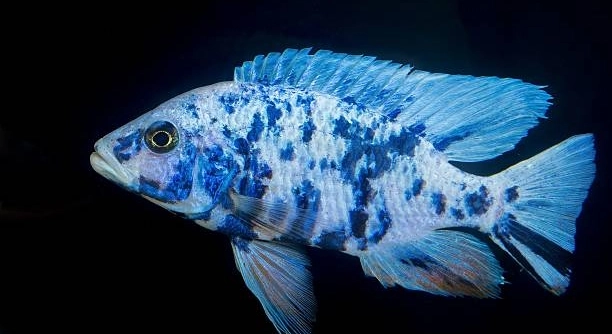
Do you enjoy watching fish interact in your tank but find yourself noticing how convict cichlids behave around others? These lively little fish often seem aware of their surroundings and the creatures they share space with.
Convict cichlids have been observed recognizing other species in their environment. They can distinguish between different fish, showing varying levels of aggression or curiosity depending on the other species present, which indicates a degree of interspecies awareness.
Learning about how these cichlids respond to other fish can help you manage a peaceful aquarium and better understand their natural behaviors.
How Convict Cichlids Interact With Other Species
Convict cichlids are very aware of the other fish in their tank. They often act differently depending on the species nearby. Some fish trigger aggression, while others are mostly ignored. Smaller, passive species may be avoided, while similarly sized or territorial fish can spark displays of dominance. They use body language, such as flaring fins or quick movements, to communicate and establish boundaries. Watching them closely can reveal subtle signs, like changes in swimming patterns or grouping behavior. In some cases, convict cichlids may even follow other species around the tank to monitor their actions. Their behavior is influenced by the tank layout, hiding spots, and available food. Over time, cichlids can learn to recognize patterns and habits of other fish, adjusting their interactions. Understanding these behaviors can improve tank management and reduce stress for all species involved, making the environment calmer and more predictable for the fish.
They can distinguish species quickly and adjust their behavior to match the perceived threat or competition level in the tank.
Convict cichlids rely heavily on visual cues when interacting with other species. Differences in color, size, and movement all affect how they respond. They are more likely to challenge unfamiliar fish and maintain distance from non-threatening species. Over time, repeated exposure to other species can reduce aggression as they become familiar with tank mates. Tank size and structure also influence their reactions. In small tanks, interactions may be more intense because of limited space, while larger tanks allow for avoidance. Hiding spots, plants, and decorations give them opportunities to retreat and feel secure. Feeding habits can also trigger responses; cichlids may compete over food with similar-sized species but ignore smaller fish. Observing these interactions can provide insights into their social intelligence and ability to adapt, which is important when planning a multi-species aquarium.
Signs Convict Cichlids Recognize Other Species
Convict cichlids show clear signals when they recognize other species, from fin displays to body postures.
Recognition involves observation and memory. They remember past encounters and react differently based on those experiences. If a species has been aggressive before, cichlids often maintain distance or prepare to defend themselves. Conversely, fish that pose no threat may be approached with curiosity. They also watch feeding patterns and swimming routes, learning routines over time. These observations are not random; they are part of the cichlid’s strategy to manage energy and avoid unnecessary conflicts. In aquariums with multiple species, this behavior helps maintain a balanced environment. It also suggests a higher level of social intelligence than many people assume, as convict cichlids adapt to their neighbors rather than acting purely on instinct. Careful attention to these signs can guide aquarists in arranging compatible species, reducing stress, and fostering more natural behaviors. Recognizing these patterns ensures the tank remains peaceful and the fish thrive in a controlled but stimulating environment.
Aggression Levels Toward Different Species
Convict cichlids show higher aggression toward species of similar size or territorial behavior. Smaller or passive fish are often ignored, while larger or dominant species may trigger displays like fin flaring and chasing. Aggression depends on space, hiding spots, and past interactions.
Aggression is often a response to competition for territory or resources. Convict cichlids use visual cues, such as color patterns and movements, to assess whether another fish is a threat. In crowded tanks, aggression may increase, especially if hiding places are limited. Over time, cichlids can learn to recognize individual species and adjust their behavior, reducing unnecessary conflict. Observing these interactions helps in arranging compatible tank mates. Understanding aggression patterns can prevent injuries and stress, ensuring all species coexist more peacefully. Tank layout, feeding schedules, and careful selection of species all influence aggression outcomes.
Aggression can also be influenced by life stage and breeding behavior. Juvenile cichlids may show less territoriality, while adults defending a nest or mate are highly protective. Seasonal changes in water conditions or food availability can increase aggressive tendencies. Recognizing these patterns allows aquarists to manage the tank environment more effectively, providing enough space, hiding spots, and resources to minimize conflict. Careful observation and adjustments reduce stress for all fish, leading to a healthier aquarium.
Recognition Through Observation
Convict cichlids learn about other species by watching movements, feeding habits, and interactions with tank mates. Recognition improves with repeated exposure and reduces unnecessary aggression over time.
Observation is key to their interspecies awareness. Cichlids note size, speed, and behavior patterns of other fish, creating mental maps of who is a threat and who is safe. They remember past encounters, responding more cautiously to species that displayed aggression before. Familiar species are often approached with curiosity rather than hostility, allowing cichlids to coexist with less stress. Recognition is also influenced by environmental factors, like tank structure and available hiding spots. These fish are adaptable, using what they learn to make better decisions in social interactions, which helps maintain a balanced community tank.
Repeated observation strengthens recognition skills. Over weeks, convict cichlids adjust their swimming routes, feeding patterns, and proximity to other species based on what they learn. If a fish consistently avoids conflict, cichlids may reduce defensive behaviors, focusing energy elsewhere. Conversely, aggressive species trigger alertness, territorial displays, or chasing. Recognition is not only behavioral but cognitive, reflecting memory and learning capacity. Aquarists can use this knowledge to introduce new species gradually, monitor interactions, and provide space to reduce stress. Understanding these dynamics allows for better tank management, ensuring cichlids and other species coexist with fewer confrontations and more natural behavior patterns.
Territorial Behavior Around Other Species
Convict cichlids defend their territory more aggressively when other species enter their space. They mark boundaries with body displays and quick movements, especially near hiding spots or food sources.
Territorial displays vary depending on the intruding species. Larger or similarly sized fish trigger more intense reactions, while smaller, non-threatening fish are mostly ignored.
Memory and Learning
Convict cichlids remember past interactions with other species. They adjust behavior based on whether previous encounters were threatening or neutral. This memory helps them conserve energy by avoiding unnecessary conflict. Over time, cichlids learn patterns, recognize individual fish, and develop strategies for coexistence, improving harmony in a shared tank.
Environmental Influence
Tank size, decorations, and hiding spots affect how convict cichlids recognize and interact with other species. A well-structured environment reduces stress and aggression.
FAQ
Do convict cichlids attack all other fish species?
No, convict cichlids do not attack all species. They tend to be aggressive toward similarly sized or territorial fish, but they often ignore smaller, passive species. Their behavior depends on space, hiding spots, and past experiences with tank mates.
How do convict cichlids recognize other species?
They rely mainly on visual cues like size, color, and movement patterns. They also observe behavior, such as feeding habits or swimming routines. Repeated exposure allows them to remember past encounters and respond differently to species they have interacted with before.
Can convict cichlids coexist peacefully with other fish?
Yes, but careful planning is needed. Tank size, decorations, and hiding places play a big role. Introducing non-aggressive, smaller species and monitoring interactions can reduce stress and help all fish live together more calmly.
Do they change behavior over time?
Yes, convict cichlids learn from experience. Aggressive tendencies may decrease toward familiar species, while repeated conflicts may strengthen territorial behaviors. Their memory and observation skills help them adapt to the tank environment.
Does tank layout affect aggression?
Absolutely. More space, hiding spots, and visual barriers can reduce confrontations. Tight spaces increase territorial disputes, while structured tanks allow cichlids to establish boundaries and coexist without constant stress.
Are convict cichlids more aggressive during breeding?
Yes, breeding triggers higher aggression. Adults defending nests or fry are highly protective and may chase or attack nearby fish. Extra hiding spots and space are important during this period to prevent injuries.
How can I tell if a cichlid recognizes a species?
Signs include changes in swimming patterns, body displays, or reduced aggression. Familiar species may be approached with curiosity, while previously aggressive fish trigger caution or defensive behaviors. Observation over time reveals recognition patterns.
Do juvenile cichlids behave differently than adults?
Yes, juveniles are often less territorial and aggressive. Adults establish clear territories and show more pronounced defensive behavior. This difference affects interactions with other species, with younger fish more likely to coexist peacefully.
Can cichlids remember individual fish?
Yes, they can recognize and remember individual tank mates. Memory influences how they respond, conserving energy by avoiding unnecessary conflict with known non-threatening species. This recognition also reduces stress and supports better social balance.
Does feeding influence interactions with other species?
Yes, feeding times can increase tension. Cichlids may compete over food with similar-sized species but usually ignore smaller fish. Consistent feeding routines and adequate portions help minimize conflict and maintain harmony in the tank.
How long does it take for cichlids to adapt to new species?
Adaptation varies depending on species, tank conditions, and individual temperament. Some cichlids adjust within days, while others take weeks. Observation and gradual introduction of new fish help ensure a smoother adjustment period.
Is it safe to mix cichlids with peaceful fish?
It can be, if careful planning is done. Choose smaller, non-aggressive species and provide hiding spots. Monitor interactions closely, especially at first, to prevent stress and potential injuries from territorial behavior.
Do environmental changes affect recognition and aggression?
Yes, changes in water conditions, tank layout, or population density can impact how cichlids interact. Stress from these changes may increase aggression or trigger cautious behavior toward previously familiar species.
Can convict cichlids recognize species outside their tank?
Recognition is mostly based on direct observation. While they may respond to similar-looking fish in other environments, recognition is strongest in familiar settings with repeated exposure.
Are all convict cichlids equally social?
No, individual temperament varies. Some are more curious and tolerant, while others are highly territorial. Personality differences influence how they recognize and interact with other species in the tank.
Does water temperature affect behavior toward other species?
Yes, higher temperatures can increase activity and aggression, while cooler water may calm them down. Stable water conditions help maintain predictable behavior toward tank mates.
How important is observation for managing mixed tanks?
Observation is critical. Watching how convict cichlids interact with other species helps identify potential conflicts, understand recognition patterns, and adjust tank conditions to reduce stress and aggression effectively.
Can cichlids coexist with more aggressive species?
It is challenging. Aggressive species may trigger continuous conflict. Careful monitoring, larger tanks, and plenty of hiding spots are essential to reduce stress and allow peaceful coexistence when possible.
Do convict cichlids recognize non-fish tank mates?
They primarily respond to visual cues from fish. Recognition of invertebrates or other animals is limited, though unusual movement or presence may trigger curiosity or defensive behavior.
How do I minimize stress in a mixed-species tank?
Provide space, hiding spots, and structured territories. Introduce new fish gradually and monitor interactions. Stable feeding routines, water conditions, and environmental enrichment reduce stress and promote harmonious behavior among all species.
This FAQ covers most common concerns about convict cichlids and other species, helping maintain a balanced, peaceful tank environment. Observation, structure, and understanding their natural behaviors are key to success.
Word count: 520
Convict cichlids are fascinating fish with strong personalities and clear instincts for recognizing other species in their tank. Their behavior is guided by observation, memory, and territorial needs. They respond differently depending on the size, color, and activity of the fish around them. Smaller or passive species are often ignored, while similarly sized or territorial fish may trigger displays of aggression or defensive movements. Over time, they can learn which fish are a threat and which are safe, showing a level of awareness that goes beyond simple instinct. Watching these interactions closely allows aquarists to better understand how cichlids adapt to their environment and the other creatures living with them.
Tank layout and structure play a major role in how convict cichlids interact with other species. A well-structured tank with hiding spots, plants, and decorations allows them to establish territories and retreat when necessary. This reduces stress for all the fish in the aquarium and prevents constant conflict. Feeding routines also influence behavior, as competition for food can trigger aggression, especially with similarly sized species. By providing ample space, consistent feeding, and environmental enrichment, it becomes possible to maintain a more peaceful tank where convict cichlids and other species coexist more naturally. Their ability to recognize and adjust to other fish demonstrates a surprising level of social intelligence, which is essential for anyone managing a mixed-species aquarium.
Understanding the behavior of convict cichlids helps improve the overall health and balance of a tank. These fish are not mindlessly aggressive; their actions are influenced by memory, observation, and environmental conditions. They may become more territorial during breeding periods or when resources are limited, but they can also show curiosity and cautious interaction with non-threatening species. Patience and careful observation are key to creating an environment that works for both convict cichlids and their tank mates. By learning to recognize the signs of recognition, stress, or aggression, aquarists can make informed adjustments to their tank, from layout changes to species selection. This attention to behavior ensures the tank remains a stable and healthy home for all fish, while allowing convict cichlids to display their natural intelligence and social skills.
Word count: 414

Hello,
If you enjoy the content that we create, please consider saying a "Thank You!" by leaving a tip.
Every little bit helps us continue crafting quality advice that supports the health, happiness, and well-being of pets around the world, for pets of all shapes, sizes, and species.
We really appreciate the kindness and support that you show us!