
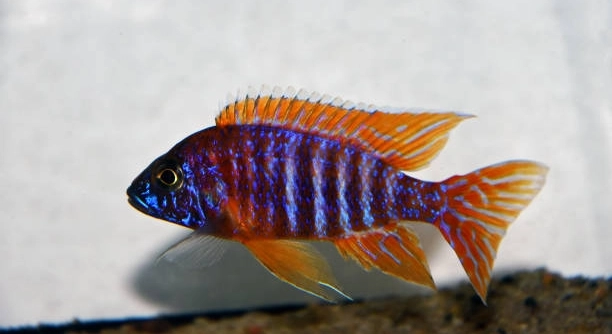
Breeding cichlids can feel challenging when you don’t have a cave setup in your tank. Many fish keepers assume caves are necessary, but with the right approach, these colorful fish can spawn successfully in open spaces.
Cichlids can breed without caves by providing flat surfaces and controlled environments. Using rocks, slates, or smooth decorations gives them a place to lay eggs while maintaining proper water quality and reducing stress during the spawning process.
Learning these simple adjustments can improve your tank’s breeding success and help your cichlids thrive in a cave-free environment.
Choosing the Right Diet for Breeding
Feeding cichlids properly is essential for successful cave-free breeding. High-quality, protein-rich foods such as live or frozen brine shrimp, daphnia, and bloodworms help prepare their bodies for spawning. Supplementing with vegetable matter like spirulina or blanched spinach ensures balanced nutrition. Avoid overfeeding, which can lead to poor water quality and stress. Observing how fish respond to different foods can help identify preferences. Feeding small portions multiple times a day keeps fish active and healthy. Healthy, well-nourished fish are more likely to lay eggs and guard them effectively. Including a variety of foods supports egg development and fry survival. Adjusting diet gradually before and during the breeding phase helps fish adapt and encourages natural reproductive behaviors. Consistent feeding schedules combined with good water quality create the ideal environment for cichlids to spawn without caves, supporting both adult health and offspring growth.
A balanced diet increases reproductive readiness and improves fry survival.
Proper nutrition ensures stronger eggs, healthier parents, and better growth for young fish. Regularly monitoring fish appetite also helps detect potential problems early. Maintaining variety in diet prevents deficiencies and encourages consistent spawning behavior. Observation of feeding patterns can indicate stress or environmental issues. Feeding adjustments support overall tank health and stability.
Balanced feeding improves breeding results while keeping the tank environment stable and clean. By providing a mixture of proteins and plant matter, cichlids develop energy reserves needed for reproduction. Monitoring food intake allows early detection of health issues or stress, helping prevent breeding failures. Fish respond positively to consistent feeding, often becoming more active and territorial as spawning approaches. Introducing foods that mimic natural prey increases interest in spawning and reduces aggressive competition. Avoiding overfeeding minimizes waste, keeping water conditions optimal for eggs and fry. Pairing diet with proper tank conditions, like flat surfaces for egg-laying, ensures the highest chances of success. Feeding strategies directly influence breeding behavior, and careful planning can make cave-free spawning more predictable and successful. Supporting both adult health and fry growth with thoughtful nutrition is a key component of breeding cichlids effectively without caves.
Monitoring Water Conditions Closely
Stable water parameters are critical for cichlid reproduction.
Regularly testing pH, temperature, and hardness ensures a consistent environment. Small fluctuations can stress fish and prevent spawning. Adjusting conditions gradually helps maintain stability. Clean water supports healthy eggs and fry development. Observing water clarity and removing debris keeps the tank safe for breeding.
Keeping water conditions optimal involves careful attention to daily changes. Temperature swings or sudden pH shifts can halt breeding entirely. Filtration systems should maintain cleanliness without creating strong currents that disturb eggs. Partial water changes help reduce toxins while preserving essential minerals. Monitoring ammonia, nitrite, and nitrate levels is crucial because even minor imbalances affect reproductive success. Using stable substrates and flat surfaces prevents eggs from being damaged during cleaning. Paying attention to lighting schedules and water movement also supports natural behaviors. Regular observation allows early intervention if water quality declines. Preparing water before changes prevents sudden shocks to fish. By controlling these factors, cichlids remain calm, healthy, and ready to spawn. A steady, clean environment increases egg survival and reduces stress, making cave-free breeding practical and reliable.
Using Flat Surfaces Effectively
Flat rocks and slates give cichlids secure areas to lay eggs without caves. These surfaces should be stable and easy to clean, reducing stress for the fish. Proper placement encourages natural spawning behaviors.
Position flat surfaces at different tank levels to give fish options for egg-laying. Some species prefer horizontal slates near the bottom, while others favor slightly angled rocks. Avoid stacking surfaces, which can trap fry or create unsafe spaces. Smooth edges prevent injury, and arranging surfaces near gentle water flow helps keep eggs oxygenated. Observing fish interactions with these areas allows adjustments for optimal spawning.
Monitoring fish behavior around flat surfaces ensures they feel safe. Parents often guard these spots, moving eggs carefully and fanning them. Offering multiple surfaces reduces aggression between pairs and increases spawning success. Stability is crucial, as shifting rocks can stress fish and damage eggs. Surfaces should mimic natural habitats, providing slight shelter while remaining open for observation. Over time, flat surfaces become familiar zones where fish consistently lay eggs, improving breeding outcomes without caves.
Managing Aggression During Breeding
Aggression increases when cichlids prepare to spawn, especially without caves. Clear territories help reduce stress and protect eggs.
Separating pairs with visual markers or spacing can lower fights. Observing early warning signs like chasing or color changes allows timely adjustments. Avoid overcrowding to maintain calm conditions.
Aggressive behavior is normal, but managing it prevents injury and loss of eggs. Providing multiple flat surfaces allows pairs to claim their own space. Moving decorations slightly can redirect chasing without separating fish completely. Some species benefit from subdued lighting to reduce tension. Removing overly dominant tank mates temporarily can protect weaker fish during spawning. Careful observation ensures conflicts do not escalate, allowing both parents to focus on egg care. Over time, adjusting environment and territories helps maintain harmony, supporting cave-free breeding while keeping fish healthy and stress-free.
Providing Hiding Spots for Fry
Even without caves, young cichlids need protection. Plants, broad leaves, or small rock crevices give fry places to hide from adults.
Floating plants or dense foliage near the surface help fry stay safe. These areas reduce stress and improve survival rates during early growth.
Observing Parental Care
Parents often guard eggs and fry closely. Watching how they interact with the flat surfaces shows if adjustments are needed. Proper care improves survival.
Adjusting Water Flow
Gentle currents help oxygenate eggs and fry without washing them away. Position filters carefully to avoid strong currents that can harm young fish.
Gradual Introduction of Fry
After hatching, gradually separating fry from adults can prevent accidental predation. Using small nets or partitioned areas ensures safety while they grow.
FAQ
How do I know if my cichlids are ready to breed without a cave?
Cichlids show several signs when ready to spawn. Coloration often becomes brighter, and they display increased territorial behavior. You may notice chasing or guarding of flat surfaces. Frequent cleaning of the chosen area by the fish is also a strong indicator. Observing these behaviors consistently signals readiness.
Can all cichlid species breed without a cave?
Not all species adapt easily. Many African and South American cichlids can spawn on flat surfaces if conditions are right. Some species are more demanding and may require hidden spaces or specific substrate textures. Researching species-specific behavior helps set realistic expectations.
What is the best surface for laying eggs without a cave?
Smooth, flat rocks or slates work best. These surfaces should be stable, easy to clean, and positioned at varying heights. Broad leaves or artificial platforms can also serve as suitable egg-laying areas. Edges should be smooth to prevent injury to adults or fry.
How should I feed cichlids during breeding?
Protein-rich foods like brine shrimp, daphnia, and bloodworms support reproductive health. Including some vegetable matter, such as spirulina or blanched spinach, ensures balance. Small, frequent feedings are better than large meals, preventing water quality issues and maintaining consistent energy levels for spawning.
How do I manage aggression between pairs?
Aggression is natural during breeding. Providing multiple flat surfaces and clear territories helps reduce conflicts. Adjusting decorations, using visual barriers, and temporarily removing overly aggressive tank mates can prevent injury. Observing fish behavior closely allows timely intervention before fights escalate.
What water conditions support cave-free breeding?
Stable temperature, pH, and hardness are critical. Sudden fluctuations stress fish and may stop spawning. Gentle water flow helps oxygenate eggs, and regular water changes maintain cleanliness without disturbing surfaces. Monitoring ammonia, nitrite, and nitrate levels ensures a safe environment for eggs and fry.
Do parents need hiding spots for fry?
Yes, even without caves, fry need protection. Floating plants, dense foliage, and small crevices allow fry to escape adult attention. These spots reduce stress and increase survival, letting parents guard eggs without accidentally harming their young.
How long does it take for eggs to hatch?
Hatching time varies by species and water temperature. Generally, eggs take two to seven days. Warmer, stable conditions speed development, while cooler water slows it. Observing the eggs’ appearance helps track progress; healthy eggs are clear and free from fungus or cloudiness.
Should I remove fry after hatching?
It depends on species and parental behavior. Some parents protect fry effectively, while others may eat them. Gradual separation using nets or partitions can ensure safety without causing stress. Providing hiding spots reduces the need for immediate removal, letting parents care naturally when possible.
Can cave-free breeding reduce maintenance?
Yes, using flat surfaces instead of caves makes monitoring eggs and fry easier. It allows cleaner tank setups, simplifies water changes, and reduces hidden areas where debris or mold can accumulate. Parents remain visible, making care adjustments more manageable.
How do I know if breeding was successful?
Successful breeding is indicated by healthy eggs, attentive parental care, and active fry after hatching. Regular observation ensures eggs are being fanned and protected. Fry that hide, feed, and swim actively show that conditions are favorable. Adjusting tank elements can improve outcomes for future spawns.
Can environmental cues trigger spawning without caves?
Yes, subtle cues like gentle water flow, slight temperature changes, and natural lighting cycles encourage spawning. Flat surfaces and clean conditions provide safe sites. Consistency and gradual adjustments mimic natural habitats, helping cichlids display reproductive behaviors even without traditional cave structures.
How many fry can I expect per spawn?
The number varies by species and adult health. Some cichlids produce dozens, while others may lay hundreds. Diet, water quality, and stress levels directly impact egg production. Providing optimal conditions and minimizing disturbances improves both quantity and survival rates.
How often can cichlids spawn without a cave?
Frequency depends on species, age, and health. Well-nourished adults in stable, clean tanks may spawn every few weeks or months. Avoid overbreeding, as frequent spawning can weaken adults and reduce egg quality. Observing natural behaviors helps determine readiness for subsequent spawns.
Can I combine different cichlid species in a cave-free tank?
It’s possible but risky. Aggression can increase, and fry may be eaten. Providing multiple surfaces, clear territories, and monitoring interactions reduces conflict. Compatibility research is important to ensure species coexistence and safe breeding conditions.
What should I do if eggs get fungus?
Remove affected eggs immediately to prevent spread. Adjust water quality, ensure proper flow, and avoid overcrowding. Fungus indicates stress, poor water conditions, or inadequate parental care. Maintaining cleanliness and observing parental behavior helps reduce the risk of recurring problems.
How do I transition fry to independent feeding?
Start offering finely crushed or live foods after yolk sac absorption. Gradually increase portion size as fry grow. Monitor feeding to ensure all fry have access. Maintain hiding spots during this period to reduce stress and improve survival.
Is cave-free breeding suitable for beginners?
Yes, with proper preparation. Flat surfaces, stable water conditions, and careful observation allow beginners to succeed. It requires patience and attention, but it simplifies monitoring and maintenance compared to traditional cave setups, making it a practical approach for those new to cichlid care.
How can I prevent adult fish from harming fry?
Providing multiple surfaces, hiding spots, and partitions reduces aggression. Gradual separation or temporary removal may be needed for overly aggressive adults. Observing interactions and making small environmental adjustments ensures higher survival rates while allowing natural parental behaviors to continue.
What are common mistakes in cave-free breeding?
Overcrowding, unstable water conditions, lack of flat surfaces, and ignoring aggression are frequent errors. Improper diet or inconsistent feeding can also reduce spawning success. Observing fish behavior, maintaining cleanliness, and providing suitable surfaces prevent most issues and improve survival of eggs and fry.
How long should parents guard fry?
Guarding duration varies by species. Some protect fry for weeks, while others become less attentive after a few days. Observing interactions helps determine when to provide additional hiding spaces or gradually separate fry to ensure safety while allowing natural development.
Can I reuse flat surfaces for multiple spawns?
Yes, but clean them carefully between spawns. Remove debris, algae, and leftover eggs to prevent fungal growth. Stable, smooth surfaces can be reused repeatedly, reducing setup time while maintaining safe conditions for future breeding cycles.
Are there signs of stress in breeding cichlids?
Yes, erratic swimming, hiding excessively, loss of color, or aggression beyond normal territorial behavior indicate stress. Address water quality, tank layout, and diet issues immediately to prevent failed spawns and ensure healthy adults.
How important is observation during breeding?
Observation is critical. Monitoring behavior, egg health, and fry survival allows timely adjustments. Even minor changes in water conditions, feeding, or aggression can impact success. Staying attentive ensures that cave-free breeding is safe, predictable, and productive.
How do I clean a tank without disturbing eggs or fry?
Use gentle siphoning, avoid moving surfaces, and clean only areas away from eggs. Partial water changes maintain quality without causing stress. Gradually introducing changes ensures parents continue to guard eggs properly and fry remain safe.
Can artificial lighting affect spawning?
Yes, consistent, moderate lighting helps regulate natural cycles. Sudden bright light or irregular schedules can stress fish and disrupt breeding. Mimicking day-night patterns supports spawning behavior and helps eggs develop normally.
Is it better to breed one pair at a time?
Yes, single pairs reduce aggression and competition. Multiple pairs can lead to fights and egg loss. Separate pairs using flat surfaces and visual barriers to maintain calm conditions and increase spawning success.
How do I prevent algae buildup on surfaces?
Regular cleaning, controlled lighting, and balanced feeding reduce algae growth. Smooth, flat surfaces are easier to maintain. Algae-free areas ensure eggs and fry remain healthy and visible for monitoring during breeding.
What should I do if eggs fail to hatch?
Check water quality, temperature, and parental care. Remove infertile or fungus-infected eggs. Adjust tank setup or diet for future attempts. Patience and small changes usually improve success in subsequent spawns.
Can cave-free breeding work in small tanks?
Yes, if space, water quality, and hiding areas are sufficient. Avoid overcrowding and provide multiple flat surfaces. Careful observation ensures fish remain healthy and fry survival is maximized.
How do I encourage repeat spawning?
Maintain stable conditions, a balanced diet, and multiple flat surfaces. Gradual water adjustments and gentle observation support natural cycles. Healthy, stress-free adults are more likely to breed again successfully without caves.
Are there any long-term benefits to cave-free breeding?
Yes, it simplifies tank management, makes observation easier, and reduces hidden debris buildup. Fish adapt to open spaces, and parents remain visible for monitoring. This approach supports both adult health and fry survival over time.
Final Thoughts
Breeding cichlids without a cave is very possible when the right conditions are provided. Using flat rocks, slates, or broad leaves gives fish secure areas to lay eggs. These surfaces need to be stable and safe so parents and fry are not at risk. Flat surfaces also make it easier to monitor eggs and young fish, unlike caves, which can hide them. The tank should remain calm, clean, and properly filtered, with gentle water flow that does not disturb eggs. Observing the fish closely helps identify when they are ready to spawn and whether adjustments are needed. Simple changes, like repositioning a rock or adding a leaf, can make a big difference in encouraging natural behaviors. Even small tanks can support cave-free breeding if space is carefully managed and aggression is minimized.
Diet plays an important role in successful breeding. Cichlids require protein-rich foods like brine shrimp, daphnia, or bloodworms to prepare for spawning. Adding some vegetable matter, such as spirulina or blanched greens, keeps their nutrition balanced. Feeding smaller amounts multiple times a day helps maintain water quality and provides constant energy for the adults. Well-fed fish are more likely to lay healthy eggs and protect their fry. Observing how they eat can also indicate their overall health. Overfeeding or underfeeding can affect spawning success, so it is important to maintain a consistent feeding routine. Combined with proper water conditions, diet ensures adults are strong and fry have a higher chance of survival.
Aggression and stress are common during breeding, especially without caves. Providing multiple flat surfaces and clear territories reduces fighting and protects eggs. Floating plants, dense foliage, and small crevices give fry places to hide from adults. Gradual separation of fry may sometimes be necessary to prevent accidental predation. Maintaining stable water parameters, gentle lighting, and calm tank conditions helps both adults and young fish thrive. Careful observation is key to identifying problems before they affect spawning or fry survival. With patience and consistency, cichlids adapt well to cave-free environments. This approach simplifies maintenance, improves visibility of parents and fry, and allows natural behaviors to continue, resulting in healthier fish and a more manageable tank overall.

Hello,
If you enjoy the content that we create, please consider saying a "Thank You!" by leaving a tip.
Every little bit helps us continue crafting quality advice that supports the health, happiness, and well-being of pets around the world, for pets of all shapes, sizes, and species.
We really appreciate the kindness and support that you show us!