
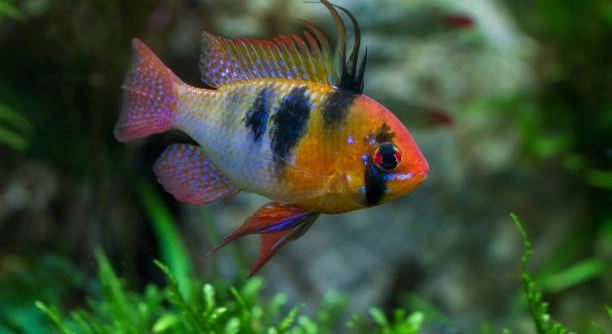
Keeping cichlids healthy requires attention to more than just feeding. Many hobbyists focus on diet but overlook the water conditions that strongly affect these fish’s growth, color, and overall wellbeing. Proper care starts with the right environment.
Cichlids thrive when water conditions such as pH, temperature, hardness, cleanliness, oxygen levels, and minimal toxins are maintained within species-specific ranges. Consistent monitoring and adjustments create a stable habitat, promoting optimal health, behavior, and longevity in these freshwater fish.
Understanding water requirements can prevent common health problems and ensure your cichlids display their best colors and natural behaviors in the aquarium. Proper knowledge makes maintenance simpler and more effective.
Stable Temperature
Maintaining a stable temperature is essential for cichlids. Sudden changes can stress them, making them more susceptible to illness. Most tropical cichlids prefer water between 75 and 82°F, while African species often need slightly higher ranges. Using a reliable heater with a thermostat helps keep the tank consistent. Checking daily ensures that fluctuations are noticed early, avoiding harm. Consistent temperature supports metabolism, digestion, and immune system function. Overheating or cooling can slow growth and reduce activity. Even small swings over a few degrees can cause stress behaviors, like hiding or aggression. Using a thermometer placed in the center of the tank gives the most accurate reading. If adjustments are needed, make changes gradually over several hours. Avoid placing tanks near windows, air vents, or heaters that can create temperature spikes. A stable environment encourages natural behavior, proper feeding, and healthier coloration. Keeping the water at the correct temperature also reduces the risk of bacterial or fungal infections, common in stressed fish.
Stable water temperature helps cichlids maintain normal activity and prevent stress-induced illnesses, ensuring healthier growth and vibrant colors over time.
Temperature control is one of the simplest yet most effective ways to promote cichlid health. By carefully monitoring, you can avoid unexpected problems, keeping fish calm and active. A well-maintained heater, thermometer, and regular checks make managing tank temperature straightforward. Proper temperature not only protects their immune system but also supports breeding and feeding patterns. When fish are comfortable, aggression decreases, and they display natural behaviors. Even minor temperature swings can trigger stress responses, so consistency matters more than extremes. Setting alarms or reminders for daily checks can help maintain stability. Temperature stability is a foundation for every other water condition, influencing pH, oxygen levels, and overall water chemistry. With steady temperature, cichlids thrive, making them more resilient to minor water changes or handling. It also allows you to plan maintenance without causing sudden environmental shocks. Learning the precise needs of each species ensures the tank remains suitable year-round, avoiding stress-related illnesses that can appear suddenly. Careful temperature management is an investment in their long-term health, vitality, and coloration, supporting a thriving aquarium environment.
Proper pH Levels
Most cichlids need slightly alkaline water, usually between 7.5 and 8.5. Stable pH prevents stress and supports digestion.
Monitoring pH with a reliable test kit is crucial. Gradual adjustments using buffers or natural additives keep the water within the preferred range, ensuring comfort.
Cichlids’ tolerance to pH changes varies by species, so research is essential. Sudden drops can cause shock, weaken immunity, or trigger aggressive behavior. African cichlids often require harder, more alkaline water, while South American species prefer slightly softer conditions. Using crushed coral, limestone, or commercial pH stabilizers can help maintain levels. Avoid frequent rapid changes, as fish cannot adapt quickly. Regular partial water changes with properly treated water help keep pH steady. Observing fish behavior can indicate imbalance, such as hiding, reduced appetite, or unusual swimming patterns. Maintaining stable pH also supports beneficial bacteria in filters, which contribute to overall water quality. Consistency is key; small fluctuations over time are preferable to frequent large swings. Accurate testing, proper buffering, and attentive monitoring create a safe, supportive environment where cichlids can grow, breed, and display vibrant colors naturally, enhancing the beauty of your aquarium.
Water Hardness
Cichlids need moderate to hard water depending on their species. Hardness affects mineral balance, which supports bone development and overall health. Using test kits ensures the right levels. Adjusting with minerals or substrates helps create a stable environment for long-term wellbeing.
Hard water contains calcium and magnesium, which help maintain strong bones and support metabolic processes. African cichlids, especially from the Rift Lakes, thrive in higher hardness, while some South American species prefer softer water. Sudden changes can stress fish, leading to illness or color loss. Gradual adjustments using natural substrates or commercial additives help maintain consistency. Regular monitoring ensures hardness stays within the desired range. Proper hardness also helps maintain pH stability. Over time, stable hardness improves growth, supports reproduction, and encourages natural behavior. Fish that are comfortable in their water conditions show better feeding responses and less aggression. Understanding your species’ specific needs is key for maintaining the right hardness level.
Maintaining consistent water hardness also supports beneficial bacteria in filters. These bacteria help break down waste, keeping water clean and healthy. Hardness influences how nutrients are absorbed, affecting growth and coloration. When hardness is too low, bones can weaken, and fish may become more sensitive to stress. Too high, and certain species may develop reproductive or digestive issues. Adjustments should be gradual, using crushed coral, mineral stones, or commercial solutions as needed. Regular testing and small tweaks create a stable habitat that encourages natural activity. Stable hardness complements other conditions like pH and temperature, ensuring cichlids thrive fully. Proper management prevents hidden health issues and keeps fish active, colorful, and resilient.
Clean Water
Frequent water changes remove waste and toxins, which cichlids are sensitive to. Dirty water stresses fish, reduces oxygen, and can cause disease. Filters help, but manual maintenance is essential for long-term health.
Regular partial water changes maintain water quality by diluting ammonia, nitrites, and nitrates. Even with a filter, uneaten food, plant debris, and fish waste accumulate over time. Cleaning the substrate with a siphon and changing 20–30% of water weekly prevents harmful buildup. Removing toxins keeps cichlids active, prevents illness, and supports coloration. Choosing the right filter type for tank size ensures water is properly circulated and cleaned. Avoid overfeeding, which can quickly degrade water quality. Monitoring water parameters after changes confirms stability. Clean water also reduces stress, leading to calmer behavior and better immune response. Consistency is more important than occasional large water changes, as sudden shifts can shock fish and alter pH or hardness. Over time, maintaining cleanliness improves fish longevity, feeding efficiency, and overall vitality, making the aquarium a safe and thriving environment.
Oxygen Levels
Cichlids need well-oxygenated water to stay healthy. Low oxygen can cause lethargy, rapid gill movement, and stress. Air stones, surface agitation, and proper filtration help maintain adequate oxygen throughout the tank.
Proper circulation ensures oxygen reaches all areas of the aquarium. Overcrowding reduces oxygen availability, so tank population must match filtration capacity. Plants also help by producing oxygen during the day, but they consume it at night, so supplemental aeration is often needed. Monitoring fish behavior can indicate oxygen levels; gasping at the surface is a warning sign. Maintaining stable oxygen supports metabolism, feeding, and overall activity, keeping cichlids thriving.
Minimal Toxins
Ammonia, nitrites, and nitrates are harmful even at low levels. Regular testing and water changes prevent buildup. Filters and biological media help break down waste effectively.
Consistent Lighting
Cichlids benefit from a regular light cycle that mimics natural day and night. Consistency helps regulate feeding, activity, and coloration. Too much light can stress fish and encourage algae growth.
FAQ
What is the ideal temperature for cichlids?
Most tropical cichlids do best between 75 and 82°F, while African species often prefer slightly warmer water. Consistency is key, as sudden changes can stress fish, reduce appetite, and increase susceptibility to disease. Using a reliable heater with a thermostat and monitoring daily keeps the environment stable.
How often should I check water hardness?
Hardness should be tested at least once a month or whenever a water change is made. African cichlids usually need harder water, while some South American species prefer softer conditions. Gradual adjustments with mineral additives or natural substrates help maintain a stable environment.
Why is pH stability important?
Sudden pH swings can stress cichlids, weaken immunity, and trigger aggression. Most species prefer slightly alkaline water between 7.5 and 8.5, though some South American cichlids tolerate slightly lower levels. Using buffers or natural additives helps maintain a consistent pH over time.
How much water should I change weekly?
Partial water changes of 20–30% per week help remove toxins like ammonia, nitrites, and nitrates. Even with a filter, waste and uneaten food build up over time. Regular changes maintain cleanliness, support healthy bacteria, and keep fish active and vibrant.
Do cichlids need extra oxygen?
Yes, proper oxygen levels are essential. Surface agitation, air stones, and good circulation ensure oxygen reaches all parts of the tank. Overcrowding reduces available oxygen, so tank population must match filtration. Plants contribute oxygen during the day but consume it at night, so aeration is often necessary.
Can lighting affect cichlid health?
Consistent light cycles regulate feeding, activity, and coloration. Too much light can stress fish and encourage algae growth. Mimicking a natural day-night cycle helps cichlids maintain normal behaviors and reduces unnecessary stress in the aquarium.
How do I prevent toxin buildup?
Ammonia, nitrites, and nitrates accumulate from waste, uneaten food, and decaying plants. Regular water changes, proper filtration, and monitoring water parameters prevent harmful levels. Biological filtration helps break down waste efficiently, supporting a safe environment for all cichlids.
What signs indicate stress from water conditions?
Behavioral changes like hiding, lethargy, reduced feeding, rapid gill movement, or unusual swimming indicate stress. Color fading, aggression, or clamped fins are also signs. Checking temperature, pH, hardness, oxygen, and toxin levels helps identify and correct the problem.
Is water hardness important for breeding?
Yes, appropriate hardness supports reproductive health. African cichlids need harder water for egg development, while some South American species prefer softer water. Gradual adjustments prevent shock and increase chances of successful spawning.
How can I make water adjustments safely?
Always make gradual changes to temperature, pH, or hardness. Rapid shifts can shock cichlids and trigger illness. Testing water before and after adjustments, using buffers or mineral supplements, and monitoring fish behavior ensures a smooth transition.
What role does filtration play in water quality?
Filters remove debris and provide a home for beneficial bacteria, which break down toxins like ammonia and nitrites. Mechanical, chemical, and biological filtration work together to maintain stable water conditions, supporting long-term health and vitality in cichlids.
How do I maintain consistent water conditions long-term?
Regular testing, partial water changes, proper filtration, temperature control, and monitoring pH, hardness, and oxygen are essential. Observing fish behavior and adjusting gradually ensures a stable, healthy environment where cichlids can thrive, display natural behaviors, and show vibrant coloration.
This FAQ covers the main aspects of cichlid care, emphasizing that stable water conditions, careful monitoring, and gradual adjustments are the foundation for healthy, active, and colorful fish. Proper attention to these factors reduces stress, prevents disease, and encourages natural behavior.
Caring for cichlids requires more than just feeding them regularly. Their health depends heavily on the quality of water they live in. Maintaining stable temperature, pH, hardness, and oxygen levels creates an environment where fish can grow, reproduce, and show their natural colors. Even small fluctuations in these conditions can cause stress, which often leads to illness or unusual behavior. By paying close attention to these factors, you give cichlids the best chance to thrive. Regular monitoring with simple tools like thermometers, test kits, and water change schedules makes this process manageable. Over time, keeping conditions steady becomes part of a routine that keeps your fish healthy and active.
Water cleanliness is equally important. Cichlids produce waste, and uneaten food or decaying plant matter can quickly lead to toxins like ammonia, nitrites, and nitrates. These substances are harmful even in small amounts and can weaken immune systems. Performing regular partial water changes and maintaining a good filtration system ensures that these toxins do not accumulate. Clean water also supports beneficial bacteria, which naturally break down waste and maintain water balance. By combining careful water testing, proper filtration, and consistent water changes, the tank becomes a safe, stable home where cichlids can display natural behavior without stress or health problems.
Attention to detail in water conditions not only prevents health issues but also enhances the beauty and vitality of the fish. Proper temperature, oxygen, and lighting routines help cichlids feed properly, reduce aggression, and display vibrant colors. When hardness and pH are appropriate, fish are more resilient and less likely to develop stress-related illnesses. Consistency is the key, and small, gradual adjustments are better than sudden changes. By understanding the specific needs of the cichlid species in your tank and applying these basic principles, you create a balanced and healthy ecosystem. This care routine may take time to set up, but the results are worth it: active, colorful, and long-lived fish that thrive in a stable, clean, and supportive environment.

Hello,
If you enjoy the content that we create, please consider saying a "Thank You!" by leaving a tip.
Every little bit helps us continue crafting quality advice that supports the health, happiness, and well-being of pets around the world, for pets of all shapes, sizes, and species.
We really appreciate the kindness and support that you show us!