
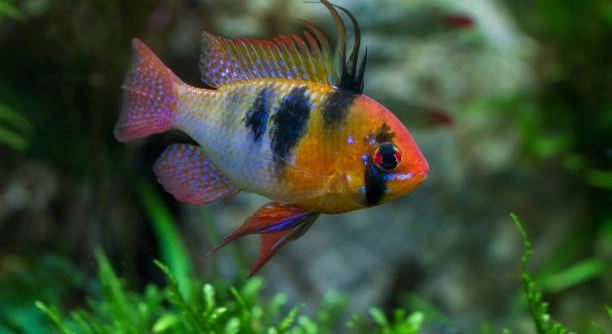
Are your cichlids spending most of their time at the bottom of the tank, avoiding the middle and top areas? This behavior can be surprising for any aquarium owner and may signal an underlying issue affecting your fish.
Cichlids often stay at the bottom due to stress, poor water quality, or unsuitable tank conditions. Low oxygen levels, incorrect temperature, or hiding instincts can cause them to retreat downward, impacting their health and natural activity patterns in the aquarium.
Understanding these causes can help you create a more comfortable environment for your fish and encourage healthier, more active behavior. Small adjustments often lead to noticeable improvements in their well-being.
Common Reasons Cichlids Stay on the Bottom
Cichlids often prefer the bottom of the tank when they feel stressed or unsafe. Poor water quality, such as high ammonia or nitrite levels, can make them retreat. Temperature fluctuations or improper pH also affect their comfort. Overcrowding and aggressive tankmates can push them downward to find safety. Hiding among rocks, plants, or decorations is a natural behavior, especially for shy or juvenile fish. Sometimes, a recent move or change in their environment causes temporary bottom-dwelling behavior. Lack of proper oxygen circulation in the tank can also make them stay low. Observing their swimming patterns and breathing can indicate whether environmental adjustments are needed. Small improvements, like regular water changes, careful temperature control, and gentle rearrangement of tank décor, often encourage them to explore other levels. Diet and feeding routines also influence activity, as insufficient or improper food may reduce their energy. Paying attention to all these factors helps maintain healthy, active cichlids.
Stress, water quality, and tank conditions are usually the main reasons for bottom-dwelling behavior.
Monitoring water parameters closely is essential. Regular testing for ammonia, nitrites, nitrates, and pH ensures a safe environment. Adjusting temperature, adding aeration, or rearranging hiding spots can improve comfort. Feeding a balanced diet at consistent times helps increase energy and activity.
Adjusting Tank Conditions
Small changes can make a big difference in cichlid behavior. Ensuring proper oxygen flow, maintaining stable temperatures, and keeping water clean often encourages fish to swim more freely. Adding hiding spots can reduce stress, while observing interactions with other fish helps prevent aggression.
Maintaining optimal tank conditions requires consistent attention. Frequent water changes, proper filtration, and testing for chemical levels are essential steps. Using a heater or chiller when needed keeps temperature stable. Rearranging plants, rocks, and decorations provides security without causing unnecessary stress. Overcrowding should be avoided, as limited space can increase competition and force bottom-dwelling. Balanced feeding schedules with varied nutrition support overall health. Monitoring behavior daily helps detect early signs of illness or discomfort. By observing their activity and adjusting conditions gradually, cichlids often become more active and explore the entire tank. Understanding their natural preferences and providing a stable, comfortable environment ensures long-term well-being and reduces stress-related behaviors effectively.
Feeding and Nutrition
Inadequate or improper feeding can make cichlids stay at the bottom. They may lack energy or avoid swimming if food does not meet their nutritional needs.
Feeding a balanced diet is critical for cichlid activity. High-quality flakes, pellets, and occasional live or frozen foods provide essential proteins and vitamins. Overfeeding can pollute the water, causing stress and reducing movement. Feeding smaller portions several times a day encourages consistent energy and exploration of all tank levels. Observing how quickly they eat and adjusting the amount prevents leftover food from decaying and harming water quality. Variety in diet also supports overall health and vibrant coloration, making fish more active.
Poor feeding practices often lead to lethargy. Ensuring a mix of foods while monitoring portion sizes keeps cichlids energetic. Nutritional deficiencies can cause stress, making them hide at the bottom more frequently. Proper feeding routines support growth, immune function, and natural behavior. Maintaining consistency and high-quality food encourages them to swim actively, interact with tankmates, and explore different levels of the aquarium, improving both health and visual appeal.
Tankmates and Social Behavior
Aggressive or incompatible tankmates often force cichlids to the bottom. They retreat to avoid confrontation or bullying. Proper selection is important to reduce stress.
Cichlids are territorial and may feel threatened by faster or more dominant species. Stress from constant chasing or harassment can suppress appetite and energy, causing them to hide. Observing interactions is essential to determine if aggression is a factor. Separating aggressive fish or providing more space and hiding spots allows cichlids to regain confidence. Social hierarchy also affects activity; submissive fish often stay low until they feel secure. Proper tank arrangement, with ample hiding areas and visual barriers, encourages natural behavior. Choosing compatible species and monitoring aggression ensures a balanced and peaceful environment, allowing cichlids to swim freely and maintain health.
Water Quality and Oxygen Levels
Low oxygen levels in the tank can make cichlids stay at the bottom. Poor water circulation and high waste buildup reduce their comfort.
Regular water changes and proper filtration are essential. Aeration with an air stone or adjusting flow helps maintain oxygen, keeping cichlids active throughout the tank.
Temperature and pH
Cichlids are sensitive to temperature and pH changes. Water that is too cold or too acidic/basic can cause stress and lethargy. Maintaining stable, species-appropriate conditions ensures they feel safe and swim at all levels.
Illness or Parasites
Sickness can force cichlids to stay at the bottom. Signs include slow movement, clamped fins, or discoloration. Prompt identification and treatment improve recovery and prevent further stress in the tank.
Tank Environment
A crowded or poorly arranged tank limits movement. Adding hiding spots and ensuring enough space encourages exploration and normal swimming behavior.
FAQ
Why are my cichlids staying at the bottom all the time?
Cichlids often stay at the bottom due to stress, poor water quality, or improper tank conditions. Low oxygen, incorrect temperature, or sudden changes in the environment can make them feel unsafe. Aggressive tankmates or overcrowding may also force them to hide at the bottom.
Can water quality really affect their swimming behavior?
Yes, water quality is one of the most important factors. High ammonia, nitrites, or nitrates can make cichlids lethargic. Testing water regularly and performing partial water changes keeps conditions stable, reducing stress and encouraging activity throughout the tank.
How does diet influence their behavior?
A poor diet can leave cichlids low on energy, causing them to remain at the bottom. Feeding high-quality flakes, pellets, and occasional live or frozen foods provides essential nutrients. Overfeeding should be avoided, as leftover food pollutes the water and increases stress.
Are certain tankmates causing this behavior?
Aggressive or faster fish can intimidate cichlids, making them retreat to the bottom. Observing interactions and separating overly aggressive species can reduce stress. Providing visual barriers and hiding spots allows more timid fish to explore the tank safely.
Does tank arrangement matter?
Yes, a poorly arranged tank can increase stress. Rocks, plants, and decorations provide hiding places and a sense of security. Too little space or lack of hiding spots can force cichlids to stay at the bottom for safety. Rearranging items thoughtfully encourages natural swimming.
Can temperature and pH changes make them stay low?
Cichlids are sensitive to sudden changes in temperature and pH. Water that is too cold or outside their preferred pH range causes stress and lethargy. Keeping these parameters stable helps them feel comfortable and swim more freely.
Could illness or parasites be the reason?
Yes, sickness often makes cichlids stay near the bottom. Slow movement, clamped fins, or faded colors are signs of illness. Prompt treatment and isolation if needed reduce stress and prevent the disease from affecting other fish.
How often should I check their environment?
Daily observation is important. Watch swimming patterns, feeding behavior, and interactions with other fish. Regularly check water parameters and make adjustments as needed to maintain a healthy environment. Consistency helps cichlids remain active and reduces bottom-dwelling behavior.
Will bottom-dwelling always indicate a problem?
Not always. Some cichlids naturally prefer lower areas for resting or hiding, especially during certain life stages or after rearranging the tank. Observing their overall activity and health is key to distinguishing normal behavior from stress-related issues.
What quick changes can I make to encourage activity?
Ensure proper oxygenation, stable temperature, and clean water. Rearrange decorations to create hiding spots and visual barriers. Feed a balanced diet in small, regular portions. Monitoring aggression among tankmates and adjusting stocking levels also helps cichlids explore the entire tank.
How long does it take for them to start exploring after improvements?
Once conditions are improved, changes in behavior can be seen within days to weeks. Cichlids gradually regain confidence as they feel safer, oxygen levels improve, and stress is reduced. Patience and consistent care are essential for long-term results.
Can stress alone keep them at the bottom?
Yes, stress from changes in environment, tankmates, or water parameters often causes bottom-dwelling. Reducing stress through stable conditions, hiding spots, and careful observation allows them to regain normal activity levels.
Is overcrowding a common cause?
Overcrowding limits swimming space and increases competition. This often forces cichlids to stay at the bottom. Adjusting the number of fish or increasing tank size improves comfort, reduces stress, and encourages natural movement.
How important is filtration?
Filtration is critical to maintain clean water and proper oxygen levels. Poor filtration can increase waste, reduce oxygen, and make fish lethargic. Choosing an appropriate filter and cleaning it regularly ensures a healthy environment and promotes active swimming.
Can seasonal changes affect their activity?
Yes, fluctuations in room temperature or lighting during different seasons can indirectly stress cichlids. Consistent tank conditions, including heating and stable lighting, help maintain regular activity levels and reduce bottom-dwelling tendencies.
Are hiding spots always beneficial?
Hiding spots reduce stress and give timid fish security. However, too many or poorly arranged spots may encourage excessive hiding. Balance is key—provide enough shelter to feel safe while leaving open swimming areas to promote natural behavior.
What signs indicate improvement?
Active swimming throughout the tank, regular feeding, bright colors, and social interaction with other fish indicate that cichlids feel comfortable. Gradual exploration of mid and upper tank levels shows they are regaining confidence and health.
Can water additives help?
Certain water conditioners or supplements can support fish health, but they cannot replace proper maintenance. Use additives cautiously to address specific issues like low minerals or stress, while keeping overall tank conditions stable.
Is patience important during recovery?
Yes, even after improvements, cichlids may take time to explore freely. Gradual adjustment, monitoring, and consistent care are necessary for long-term health. Avoid sudden changes that can trigger stress or repeat bottom-dwelling behavior.
How do I know if behavior is permanent?
Permanent bottom-dwelling is rare and usually linked to chronic illness, injury, or persistent stress. Most cases improve with proper care, stable conditions, and attention to diet, oxygen, and social environment. Observing behavior over weeks helps determine if intervention is needed.
Can lighting affect activity levels?
Lighting influences fish behavior. Bright or inconsistent lighting may stress some cichlids, causing them to hide. Adjusting light intensity and duration helps them feel secure, encouraging movement throughout the tank. Proper lighting also supports natural biological rhythms and overall well-being.
What is the best way to monitor progress?
Keep a daily log of behavior, feeding, water parameters, and interactions. Note changes in swimming patterns or hiding tendencies. This helps identify improvements, ongoing issues, and informs decisions about diet, tankmates, or environmental adjustments.
Are some cichlid species naturally bottom-dwellers?
Yes, certain species spend more time near the substrate as part of their natural behavior. Observing species-specific habits ensures expectations are realistic while distinguishing stress-related hiding from normal resting patterns.
How often should I rearrange the tank?
Frequent or sudden rearrangements can stress cichlids. Minor, gradual changes, combined with proper hiding spots, allow them to adjust safely. This encourages exploration while maintaining a secure environment.
Does feeding location matter?
Yes, placing food at different tank levels encourages swimming and exploration. Feeding only at the bottom may reinforce bottom-dwelling behavior. Rotating feeding spots stimulates natural foraging instincts and promotes balanced activity.
Can water hardness impact behavior?
Water hardness affects pH stability and overall comfort. Extremely soft or hard water outside species preferences may cause stress, leading to bottom-dwelling. Adjusting water hardness gradually ensures a more suitable environment.
How can I reduce stress from tankmates?
Provide hiding spots, visual barriers, and sufficient space. Choose compatible species and observe interactions. Separating aggressive fish temporarily may be necessary. Gradual reintroduction ensures cichlids regain confidence while minimizing bottom-dwelling behavior.
Do cichlids need companions?
Many cichlids are social but territorial. Proper group size and compatible species reduce stress. Isolation can increase hiding or lethargy, while careful social arrangement encourages normal swimming and interaction.
Is there a quick test for oxygen levels?
Using an aquarium oxygen test kit or observing breathing patterns can help. Rapid gill movement, gasping at the surface, or inactivity indicate low oxygen. Aeration and water movement adjustments quickly improve conditions.
Can changing filtration help immediately?
Upgrading or cleaning the filter improves water quality and circulation. Better filtration reduces waste, increases oxygen, and can lead to noticeable improvements in activity within days.
Should I worry if only one fish stays at the bottom?
Yes, this may indicate individual stress, illness, or social pressure. Isolate or observe the fish closely, check water parameters, and monitor interactions to identify specific causes.
Can enrichment activities help?
Yes, introducing new decorations, safe hiding spots, or varied feeding encourages exploration and natural behavior. Mental stimulation reduces stress and promotes active swimming throughout the tank.
How long before I see full recovery?
Recovery depends on cause. Environmental adjustments may show improvement in days, while diet or health issues can take weeks. Consistent care and observation ensure lasting results and reduced bottom-dwelling behavior.
Is it normal for juveniles to stay low?
Yes, younger cichlids often stay near the bottom for safety. Gradual exposure to open areas and secure hiding spots encourages confidence and normal swimming as they grow.
How does tank size affect behavior?
Smaller tanks limit space, causing stress and bottom-dwelling. Providing adequate room for swimming, hiding, and territory helps cichlids explore naturally and reduces conflict among tankmates.
What is the most common reason for long-term bottom-dwelling?
Chronic stress, poor water quality, or persistent aggression usually causes prolonged hiding. Addressing these factors through careful observation, stable conditions, and proper care allows cichlids to regain normal activity.
Are there signs I should consult a veterinarian?
Yes, persistent lethargy, faded colors, abnormal swimming, or visible injuries require professional attention. Early intervention prevents worsening conditions and ensures proper treatment.
Can tank lighting schedules improve behavior?
Yes, consistent day-night cycles reduce stress and support normal activity. Avoid sudden changes in lighting, which may trigger hiding or lethargy. Proper schedules encourage swimming and natural routines.
Do some foods increase activity more than others?
Protein-rich live or frozen foods often boost energy and activity. Balanced diets with vitamins and minerals support health, reduce stress, and encourage swimming at all tank levels.
Is it helpful to rotate decorations or hiding spots?
Occasionally changing the layout stimulates exploration and reduces boredom. Changes should be gradual to avoid stress, while maintaining sufficient hiding areas for security.
How can I balance tankmate aggression without removing fish?
Add visual barriers, rearrange decorations, and provide extra hiding spots. Observing interactions and slightly increasing space can reduce stress while keeping all fish in the same tank.
Are there signs that behavior is improving?
More frequent swimming in mid and upper levels, increased feeding interest, brighter colors, and interaction with other fish indicate progress. Gradual exploration shows that cichlids feel safer and more comfortable.
What role does water movement play?
Moderate water flow promotes oxygenation and activity. Too strong currents may stress timid cichlids, forcing them to stay at the bottom. Adjust flow to suit species preferences.
Can seasonal temperature changes affect behavior?
Yes, fluctuating room temperatures may stress cichlids. Using a stable heater and monitoring conditions ensures consistent activity and reduces bottom-dwelling tendencies.
Is bottom-dwelling reversible?
Most causes are reversible with proper care. Stress, environmental issues, or minor illness usually respond to stable conditions, improved diet, and attention to tankmates. Consistent monitoring ensures long-term recovery.
How can I make water changes less stressful?
Slow, partial water changes help maintain stability. Using similar temperature and pH water prevents shock. Gradual adjustments keep cichlids comfortable and encourage active swimming.
Can introducing plants help?
Yes, live or artificial plants provide hiding places and reduce stress. They offer security without crowding, encouraging exploration of open areas and more natural swimming behavior.
Do cichlids need areas of calm water?
Yes, sections with slower flow give timid fish space to rest safely. Balancing calm areas with open swimming zones encourages confidence and reduces constant bottom-dwelling.
Is tracking behavior over time necessary?
Yes, monitoring daily helps identify stress triggers, aggression, or environmental problems. Logs of activity, feeding, and interactions inform adjustments that improve comfort and encourage normal swimming.
What small adjustments have the biggest impact?
Consistent water quality, stable temperature, proper diet, and enough hiding spots quickly improve activity. Careful attention to aggression and tank arrangement reduces stress and encourages exploration.
Are certain species more prone to bottom-dwelling?
Some species naturally spend more time near the substrate. Understanding species-specific behavior ensures realistic expectations and helps distinguish stress from normal habits.
How important is gradual change for recovery?
Sudden changes increase stress and may worsen bottom-dwelling. Gradual adjustments in environment, tankmates, or diet allow fish to adapt safely and regain confidence in swimming at all levels.
Can observation alone detect issues?
Observation is critical. Changes in swimming, feeding, and social behavior often reveal problems before they become serious. Combining observation with water testing ensures a healthy, active tank environment.
How does tank size and layout work together?
Sufficient space combined with thoughtful decoration encourages movement and provides security. Crowded tanks with poor arrangement increase stress and prolong bottom-dwelling behavior. Proper layout supports natural exploration and interaction.
Will bottom-dwelling affect growth?
Extended lethargy can reduce feeding and slow growth. Addressing water quality, diet, and social stress ensures cichlids maintain normal growth rates and overall health.
Can supplements support activity?
Vitamins or trace minerals may help, but they cannot replace proper maintenance. Stable water conditions, oxygenation, and balanced feeding are more effective in encouraging active swimming.
Is consistent routine important?
Yes, regular feeding, water checks, and stable environmental conditions reduce stress. Predictable routines help cichlids feel secure and encourage exploration of all tank levels.
What role does tank shape play?
Elongated tanks allow more swimming space and reduce territorial conflicts. Tall tanks may encourage vertical exploration but need careful consideration of flow and hiding spots. Proper design balances movement with security.
Are there behavioral signs before bottom-dwelling starts?
Yes, slower swimming, hiding more often, or reduced feeding may precede consistent bottom-dwelling. Early recognition allows intervention before stress or illness worsens.
Does the age of fish matter?
Juveniles may hide more, while adults are generally bolder. Age affects confidence, activity, and social dynamics. Observing each fish individually helps identify if bottom-dwelling is normal or stress-related.
Can lighting changes help timid cichlids?
Yes, gradual adjustment of light intensity and duration helps them feel secure. Too bright or fluctuating lighting may increase hiding. Proper lighting encourages natural behavior and exploration.
How does water hardness interact with pH?
Water hardness affects pH stability. Sudden changes in hardness or incompatible levels cause stress. Gradual adjustments help maintain comfort and reduce bottom-dwelling.
Is it necessary to isolate sick fish?
Isolation prevents disease spread and reduces stress on healthy tankmates. Sick fish recover faster in controlled conditions with stable water, proper nutrition, and minimal disturbance.
Can substrate type affect behavior?
Soft sand or smooth gravel reduces stress and injury risk. Sharp or rough substrates may cause discomfort, leading cichlids to stay at the bottom. Proper substrate supports natural digging or resting behaviors.
Are air stones beneficial?
Yes, they improve oxygenation and create gentle water movement. Proper placement helps timid fish feel safe while encouraging mid-level swimming and reducing constant bottom-dwelling.
What is the best overall approach?
Focus on stable water parameters, balanced diet, compatible tankmates, sufficient space, and hiding spots. Observation and gradual adjustments ensure cichlids remain healthy, confident, and active throughout the tank.
How do I prevent future bottom-dwelling?
Consistent maintenance, proper diet, monitoring aggression, and stable environmental conditions prevent stress. Providing secure hiding spots and open swimming areas promotes natural behavior and long-term comfort.
Can seasonal maintenance affect behavior?
Yes, adjusting for seasonal temperature or light changes ensures comfort. Regular checks and gradual modifications prevent stress-induced bottom-dwelling and maintain overall health.
Does tank size limit social behavior?
Overcrowding increases aggression and forces timid fish downward. Adequate space allows natural hierarchies and reduces stress, supporting normal swimming patterns.
Are plants better than rocks for hiding?
Both provide security. Plants offer softer hiding areas, while rocks create secure caves. A combination works best to reduce stress and encourage exploration.
Can behavior improve without medical intervention?
Yes, most cases respond to improved water quality, proper feeding, compatible tankmates, and stable conditions. Only persistent lethargy or visible illness requires professional treatment.
How long should I monitor before making changes?
Daily observation for at least a week helps identify patterns. Gradual changes based on behavior and water tests ensure safe adjustments without increasing stress.
Is consistent feeding the most effective method to encourage activity?
Feeding at regular times with high-quality food encourages swimming and foraging. Irregular feeding may increase hiding and reduce energy, especially in stressed cichlids.
Do some cichlids prefer shaded areas?
Yes, providing areas with lower light levels helps timid fish feel safe. Proper balance of light and shade promotes natural swimming while reducing stress-related bottom-dwelling.
Can water additives replace maintenance?
No, they only supplement care. Proper water changes, filtration, temperature, oxygenation, and diet are necessary to keep cichlids healthy and active.
How do I balance hiding spots with open areas?
Offer secure hiding places while leaving sufficient open space for swimming. This balance reduces stress and encourages exploration, preventing prolonged bottom-dwelling behavior.
Will improved conditions affect all fish equally?
Individual temperament, species, and age affect response. Most cichlids benefit, but shy or subordinate fish may take longer to explore freely. Patience and gradual adjustments are key.
Can feeding at different tank levels help?
Yes, placing food at mid or upper levels encourages swimming and exploration. It stimulates natural foraging and reduces dependence on the bottom area for feeding.
Are decorations only for hiding?
Decorations also create visual barriers, break lines of sight, and reduce aggression. Proper placement encourages exploration while maintaining security, promoting natural behavior.
How do I track progress effectively?
Log daily observations of activity, feeding, interactions, and water parameters. Comparing trends over time helps identify improvements or ongoing issues, guiding adjustments in care.
Is it normal for some fish to remain bottom-dwellers?
Certain species or individuals may naturally prefer lower areas. Recognizing species-specific tendencies helps distinguish normal behavior from stress-induced hiding.
How important is tank lighting consistency?
Consistent lighting reduces stress, supports biological rhythms, and encourages activity. Sudden changes may increase hiding and prolong bottom-dwelling behavior.
Can multiple small changes be better than one large change?
Yes, gradual
Cichlids staying at the bottom of the tank is a common issue that can have multiple causes. It is often related to stress, poor water quality, or environmental factors in the aquarium. Temperature, pH, and oxygen levels all play a role in how comfortable fish feel in their space. If any of these factors are outside the ideal range, cichlids may retreat to the bottom to feel safer. Overcrowding or aggressive tankmates can also push fish downward. Even small changes in the environment, such as rearranging decorations or adding new fish, can temporarily make them hide. Observing the behavior carefully and noting any patterns is important. By understanding their needs and paying attention to their environment, it is possible to reduce stress and encourage more natural activity. Maintaining stability is often more effective than making sudden adjustments, as cichlids respond best to consistent care.
Proper feeding is another key factor in keeping cichlids active throughout the tank. A balanced diet with high-quality flakes, pellets, and occasional live or frozen foods provides essential nutrients that support energy, growth, and immune health. Overfeeding can cause water pollution, which contributes to stress and lethargy, so feeding small portions multiple times a day is often the best approach. Rotating the feeding locations in the tank can also encourage exploration and movement beyond the bottom level. In addition to diet, the presence of hiding spots and visual barriers helps fish feel secure while giving them the confidence to swim more freely. Decorations, plants, and rocks create natural shelter, reducing stress without limiting space for active swimming. By combining proper feeding with thoughtful tank arrangement, cichlids are more likely to feel comfortable and engage with their surroundings.
Monitoring health and social behavior is equally important. Illness, parasites, or injury can cause cichlids to remain at the bottom for extended periods, and early detection allows for prompt treatment. Observing interactions with tankmates helps identify aggression or territorial issues, which may also influence behavior. Addressing stressors through stable water conditions, proper tankmates, and sufficient space supports long-term well-being. Patience is essential, as recovery can take days or weeks depending on the cause. By paying close attention to their environment, diet, and social dynamics, cichlids can regain confidence and explore all areas of the tank. Consistent care, observation, and gradual adjustments create a balanced and healthy setting, encouraging natural swimming and reducing bottom-dwelling behavior over time.

Hello,
If you enjoy the content that we create, please consider saying a "Thank You!" by leaving a tip.
Every little bit helps us continue crafting quality advice that supports the health, happiness, and well-being of pets around the world, for pets of all shapes, sizes, and species.
We really appreciate the kindness and support that you show us!