
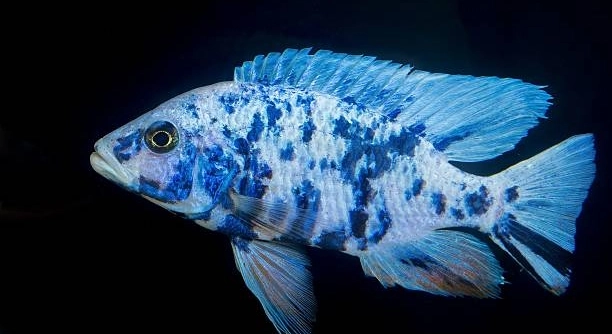
Keeping convict cichlids in a home aquarium can be rewarding, especially when observing pairs interact calmly. Many hobbyists enjoy their vibrant colors but worry about aggression, making peaceful behavior an appealing goal to achieve.
Peaceful convict cichlid pairs typically maintain calm interactions through established territory boundaries, consistent feeding routines, and compatible tank mates. Providing hiding spaces, monitoring water quality, and reducing stressors also promote harmony, ensuring both fish thrive while exhibiting minimal conflict.
Learning these habits can improve your aquarium experience and support your fish’s natural behavior, helping create a more balanced and enjoyable environment for your cichlid pairs.
Establish a Comfortable Territory
Convict cichlids feel more at ease when they have defined spaces within the aquarium. Rocks, caves, and plants can serve as boundaries that reduce stress and prevent constant chasing. Each fish needs a spot where it can retreat without feeling threatened. Observing their movements helps you identify favorite hiding places and resting areas. Overcrowding or lack of structures can lead to skirmishes and tension, even among otherwise compatible pairs. By arranging decorations thoughtfully, you allow the fish to stake their claims naturally. This not only limits aggressive encounters but also encourages natural behavior, like cleaning, digging, and nest building. Even subtle changes, such as adding a small plant or shifting a rock, can improve interactions. Consistency in layout is also important, as frequent rearrangements can confuse cichlids and trigger defensive behavior. Maintaining a balance between open swimming areas and secure shelters creates a stable environment that fosters peaceful coexistence, making the tank more visually pleasing and calm for observation.
Providing enough space reduces stress and encourages cooperative behavior, letting each cichlid enjoy its own area without conflict.
When you take the time to set up hiding spots and clearly defined territories, you’ll notice a calmer pair of convict cichlids. They spend more time exploring and feeding instead of chasing each other. Watching them interact naturally shows how comfortable they are in their environment. Proper territory setup also reduces the risk of injury from fights. Over time, this stability can improve breeding behavior, as stress levels remain low. It is important to monitor the pair periodically, adjusting decorations if one seems overly dominant or stressed. Small, thoughtful changes help maintain harmony while respecting the fish’s natural instincts.
Maintain Consistent Feeding Routines
Regular feeding schedules help convict cichlids feel secure and reduce aggressive competition.
Feeding at the same time each day minimizes stress and prevents fights over food, supporting a peaceful tank environment.
Consistency in feeding provides predictability, which cichlids respond to positively. Uneven or sporadic feeding can increase tension, as fish compete for resources, sometimes leading to prolonged chasing or bullying. Using separate feeding zones or scattering food across the tank allows both fish to access nutrition without confrontation. High-quality food and portion control also contribute to stability, as overfeeding can pollute the water and affect behavior. Watching how the pair responds during feeding gives insight into dominance dynamics, allowing you to adjust placement or timing. Over time, this routine strengthens trust and reduces territorial disputes, ensuring a calm and balanced environment for both fish. Maintaining a predictable feeding schedule is one of the simplest ways to encourage peace, helping convict cichlids coexist while remaining healthy and active.
Monitor Water Quality
Stable water conditions keep convict cichlids healthy and calm. Frequent testing for ammonia, nitrites, and pH prevents sudden changes that can trigger stress or aggression.
Proper filtration and regular water changes maintain clean water, which is essential for peaceful behavior. Poor water quality can irritate fish, causing them to become defensive or chase each other unnecessarily. Temperature consistency also plays a role, as convict cichlids prefer slightly warm water. Sudden fluctuations can increase tension and trigger fights, even in compatible pairs. Observing how they act after a water change helps determine if adjustments are needed. Clean, stable water encourages natural interactions, reduces disease risk, and keeps the pair comfortable. Using a reliable test kit and sticking to a routine helps maintain harmony without constant intervention.
Watching your cichlids interact in stable water highlights their calmer behavior. They explore more freely, defend territory appropriately, and show less chasing or aggression, making the tank more enjoyable to observe.
Maintaining water quality also ensures their long-term health. High ammonia or nitrite levels can damage gills and immune systems, leading to sickness that increases stress and aggression. A consistent schedule of partial water changes and filter maintenance is key. Observing tank parameters daily or weekly allows early detection of issues before they escalate. Additionally, removing uneaten food promptly prevents decay, which can affect both chemistry and behavior. By keeping water stable and clean, you create an environment where convict cichlids can focus on normal activities like feeding, resting, and caring for their territory, instead of constant defensive behavior or fighting. This approach builds a peaceful pair that interacts naturally, supporting both their physical and emotional well-being.
Provide Hiding Spaces
Cichlids need places to retreat, which reduces stress and prevents conflicts. Rocks, caves, and dense plants create safe zones where each fish feels secure.
Hiding spaces allow both fish to establish personal areas without constant confrontation. When one cichlid feels threatened, it can retreat, calming the pair quickly. These spaces also encourage natural behaviors like exploring, digging, and guarding eggs if breeding occurs. Arranging multiple hiding spots ensures neither fish dominates all safe areas. Changing the tank layout frequently can confuse the fish, so it’s better to keep these spaces consistent. Proper hiding areas help reduce chasing, aggression, and stress, allowing both fish to coexist comfortably and maintain a stable environment.
Observing how your convict cichlids use hiding spots helps determine if the tank is balanced. Some fish may prefer certain caves or plants, so providing variety ensures both feel secure. Well-placed shelters also support breeding pairs, giving them a sense of control over their surroundings. Dense plant clusters or rock formations create natural barriers that help reduce visual triggers, which can prevent unnecessary aggression. Over time, cichlids adjust to these zones and use them predictably, creating a calmer tank atmosphere. This approach not only improves behavior but also supports overall health by lowering stress-related issues, keeping the pair more peaceful and active.
Keep Compatible Tank Mates
Choosing peaceful tank mates prevents stress and reduces aggression. Avoid overly aggressive or fast-moving fish that can provoke convict cichlids.
Compatible tank mates share similar water needs and temperament. Small tetras, rasboras, or certain catfish can coexist without causing tension. Introducing new fish slowly helps the pair adjust without fights.
Avoid Overcrowding
Too many fish increase stress and territorial disputes. Maintaining an appropriate number of occupants allows each cichlid to have its own space and reduces chasing. Overcrowding can also worsen water quality, further affecting behavior. Providing enough room ensures calmer interactions and supports natural, healthy activity patterns.
Observe and Intervene Early
Watching cichlid behavior regularly helps spot early signs of aggression. Addressing tension quickly prevents fights from escalating and keeps the pair peaceful.
Maintain Stable Lighting
Consistent lighting helps regulate cichlid activity and mood. Sudden changes in brightness can trigger stress and defensive behavior, so keep day and night cycles predictable.
FAQ
How can I tell if my convict cichlid pair is truly peaceful?
A peaceful pair will spend most of their time exploring, feeding, and resting without constant chasing or aggressive displays. Mild territorial behavior is normal, but prolonged fights, fin nipping, or hiding indicate tension. Observing body posture, gill flaring, and chasing frequency helps identify if the pair is relaxed or stressed.
What is the ideal tank size for a peaceful pair?
A minimum of 30 gallons is recommended for a single pair. Larger tanks reduce territorial disputes and provide more space for decorations, hiding spots, and swimming areas. Extra space allows both fish to establish personal zones without frequent encounters, which is key for maintaining harmony.
How often should I perform water changes?
Weekly partial water changes of 20–25% help maintain stable water quality. Regular monitoring of ammonia, nitrites, and nitrates prevents stress-related aggression. Consistent changes support calm behavior and reduce the risk of disease, which can indirectly affect how the pair interacts.
Do hiding spaces really make a difference?
Yes, hiding spots are crucial. Rocks, caves, and plants let each fish retreat when threatened. These spaces reduce stress, prevent fights, and encourage natural behaviors like digging and guarding. Offering multiple shelters ensures neither fish dominates all the safe areas, which supports long-term peaceful coexistence.
Can feeding routines affect their behavior?
Absolutely. Feeding at consistent times prevents competition and reduces tension. Scattering food across the tank or using multiple feeding points allows both cichlids to eat without conflict. Overfeeding should be avoided, as leftover food can degrade water quality and lead to stress, triggering unnecessary aggression.
Will tank decorations influence aggression?
Yes, the right decorations help define territories and create barriers between fish. Rocks, driftwood, and plants break line-of-sight and reduce visual triggers that can cause chasing. Arranging these carefully encourages calm interactions while supporting natural behaviors like nesting or exploring without constant conflict.
How do I introduce a new pair to an established tank?
Introducing a new pair should be done gradually. Use a divider at first to let them see and get used to each other without direct contact. Monitor their reactions and only remove the divider once both appear calm. Sudden introduction can trigger immediate aggression, so patience is key.
Can water temperature affect their behavior?
Yes, convict cichlids prefer slightly warm water around 75–80°F (24–27°C). Sudden changes in temperature can stress them, increasing defensive or aggressive behavior. Maintaining consistent temperature, along with proper pH and hardness, helps the pair remain calm and reduces conflicts in the tank.
Is breeding likely to cause aggression?
Breeding increases territorial instincts, so aggression may temporarily rise. Providing plenty of hiding spots and monitoring interactions can prevent serious fights. Removing eggs or fry should be done carefully, as parents may become more defensive if they feel threatened. Managing space during breeding reduces stress for both fish.
How do I know if one fish is stressed?
Signs of stress include excessive hiding, clamped fins, loss of appetite, and unusual swimming patterns. A stressed fish may also chase or avoid the other more frequently. Early observation and intervention, like adjusting territory, water quality, or feeding routines, can restore balance and maintain peaceful behavior.
Can I keep more than one pair in the same tank?
Multiple pairs can be kept if the tank is large enough, usually 55 gallons or more. Each pair needs distinct territories and hiding spots to prevent fights. Overcrowding or lack of boundaries can lead to stress, aggression, and injury, so careful planning and monitoring are essential for harmony.
What role does tank maintenance play in peaceful behavior?
Regular tank maintenance, including cleaning the substrate, filter checks, and removing uneaten food, keeps water quality high and reduces stress. A clean, stable environment supports calm behavior, reduces the likelihood of disease, and ensures the pair can coexist without unnecessary tension.
Are there specific plants that help cichlids feel secure?
Yes, dense or bushy plants like java fern, anubias, and vallisneria offer hiding spots and visual barriers. These plants reduce stress and aggression by providing retreats and boundaries. Avoid delicate plants that may be uprooted, as they can lead to frustration and territorial disputes.
How can I tell if aggression is normal or a problem?
Short bursts of chasing or mild displays are natural territorial behavior. Aggression becomes a problem if it’s constant, leads to injuries, or prevents one fish from accessing food or hiding spots. Monitoring daily interactions helps determine if intervention is necessary to maintain peace.
Can lighting affect behavior?
Yes, stable day-night lighting supports natural rhythms. Sudden bright lights or irregular schedules can stress cichlids, making them defensive or aggressive. A predictable cycle ensures calm activity, proper feeding, and natural exploration, reducing conflicts between the pair and improving overall tank harmony.
Final Thoughts
Maintaining a peaceful convict cichlid pair is all about creating a stable and predictable environment. Providing enough space, proper hiding spots, and clearly defined territories allows each fish to feel secure. When the fish have places to retreat and areas to call their own, stress levels drop and aggressive behavior is minimized. Regular observation is important to understand how the pair interacts and to notice early signs of tension. Small adjustments, like rearranging a rock or adding a plant, can make a big difference in reducing conflicts. Over time, these consistent efforts help the pair coexist calmly, making the aquarium more enjoyable to watch.
Feeding routines and water quality play a major role in keeping convict cichlids peaceful. Fish respond well to consistency, so offering food at the same time and in a controlled manner reduces competition. Scattering food in multiple locations helps both fish access nutrition without fighting. Equally important is maintaining clean water with stable temperature, pH, and chemical levels. Poor water conditions increase stress, which can lead to chasing and territorial disputes. By combining regular feeding schedules with careful water maintenance, you provide a foundation that supports natural, relaxed behavior. This approach benefits the fish’s health, encourages normal activity, and allows them to thrive without unnecessary stress.
Observation and patience are essential components in creating harmony. Even with all precautions, convict cichlids may display occasional territorial behavior, especially during breeding or when new elements are added to the tank. It’s important to respond early when signs of aggression appear, such as chasing or hiding, before conflicts escalate. Adjusting the environment, ensuring adequate hiding spots, and monitoring interactions can prevent problems from becoming serious. Over time, a pair that is given proper space, consistent care, and attention will learn to coexist peacefully. A calm, well-maintained tank not only benefits the fish but also creates a more satisfying and enjoyable experience for anyone caring for them. Peaceful convict cichlid pairs are achievable with planning, consistency, and attention to their natural behaviors, ensuring both fish live in a stable, harmonious environment.

Hello,
If you enjoy the content that we create, please consider saying a "Thank You!" by leaving a tip.
Every little bit helps us continue crafting quality advice that supports the health, happiness, and well-being of pets around the world, for pets of all shapes, sizes, and species.
We really appreciate the kindness and support that you show us!