
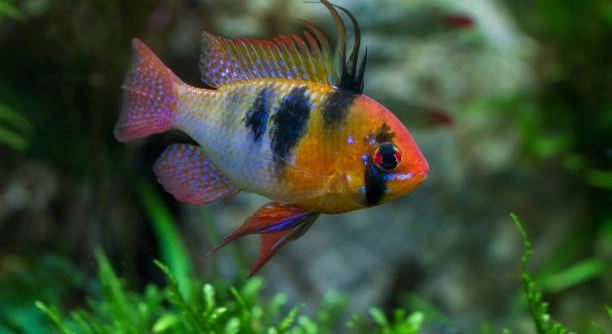
Convict cichlids are popular among aquarium enthusiasts for their vibrant colors and active behavior. Many fishkeepers observe their interactions closely, noticing the ways they swim, defend territories, and respond to each other in shared tanks.
Convict cichlids do not form permanent bonds in the way mammals or some bird species do. They exhibit pairing behavior primarily for breeding purposes, which is often temporary, and these bonds usually dissolve once offspring are independent or environmental conditions change.
Observing their social and breeding behaviors can provide insight into their natural instincts and help maintain a balanced aquarium environment.
Understanding Convict Cichlid Pairing
Convict cichlids form pairs mainly for reproduction. These pairings are strong while they are protecting eggs and fry. Outside of breeding, their bonds are much less stable. In a tank, pairs will defend a territory together, keeping other fish away. They display interesting behaviors like cleaning the nest, fanning eggs, and chasing intruders. This coordination shows they can cooperate effectively, but it does not guarantee long-term attachment. After the fry become independent, many pairs split or show aggression toward each other. Tank size, population density, and environment can all influence how long a pair stays together. Some cichlids may find a new mate quickly, especially in crowded conditions. Understanding these behaviors helps in managing their tanks and ensuring the safety of all fish. Observing their interactions reveals natural instincts that might otherwise be missed in a controlled environment.
Even with strong temporary bonds, convict cichlids will usually separate after breeding ends.
Recognizing their pairing as primarily reproductive behavior allows you to plan your tank setup better. Providing hiding spots, managing tank mates, and observing interactions can reduce stress and aggression. Overcrowding increases competition and can lead to fights between former pairs or other fish. By giving convict cichlids enough space and environmental enrichment, you can encourage healthier interactions. This knowledge also aids in breeding efforts, as it becomes easier to predict when pairs will form, protect their young, and eventually dissolve. Being mindful of these patterns ensures a more peaceful and well-balanced aquarium, benefiting all inhabitants.
Maintaining Healthy Convict Cichlid Relationships
Proper tank management prevents unnecessary conflicts.
Monitoring water quality, territory size, and tank mates is essential. Convict cichlids can become aggressive if stressed or overcrowded, and providing a structured environment reduces disputes. Separating pairs after fry grow may also prevent aggression. Careful observation allows you to identify compatible pairings for breeding without risking injuries. Tank decorations, plants, and rocks help define territories and give fish private spaces. Adjusting feeding routines and maintaining consistent water conditions further supports calm interactions. Keeping detailed notes on their behavior can highlight patterns and prevent repeated stress. While bonds are temporary, they can be managed to create a stable environment for breeding and general tank life. Understanding these dynamics ensures the fish remain healthy, active, and less aggressive. By implementing these practices, you create a habitat that respects their natural instincts while promoting safety and harmony for all fish.
Signs of Pair Bonding
Convict cichlids spend most of their time close to their chosen partner during breeding. They defend territory together and show coordinated care for eggs and fry. Signs include synchronized movements, joint nest guarding, and occasional chasing of intruders.
During breeding, pairs exhibit clear teamwork. Both male and female participate in nest preparation, egg fanning, and fry protection. The female usually stays closer to the eggs, while the male patrols nearby areas. They respond aggressively to intruders, including other cichlids or tank decorations that seem threatening. This behavior shows strong temporary bonds and mutual dependence. Outside of breeding, this synchronization fades, and pairs may act independently or even show minor aggression toward each other if space is limited or environmental stress occurs.
Even in temporary bonds, observing these behaviors helps understand their instincts. Coordinated care reflects natural reproductive strategies. Noticing subtle signs like joint movements or nest defense can inform tank management and breeding efforts, allowing for better timing and placement of pairs. Recognizing these behaviors reduces stress and prevents unnecessary conflicts within the tank. It also provides insight into the natural social dynamics of convict cichlids.
Environmental Factors Affecting Bonds
Tank size, water conditions, and population density influence pair stability. Crowded or stressful conditions often lead to aggression or separation between mates.
Providing adequate space, hiding spots, and stable water conditions reduces stress and promotes temporary pair cohesion. Environmental enrichment, like rocks or plants, allows pairs to establish territories without constant conflict. Temperature and pH stability also affect breeding readiness and pair cooperation. Overcrowded tanks increase competition, making bonds fragile and short-lived. Monitoring these factors ensures safer interactions and supports successful reproduction. Careful observation allows adjustments before aggression escalates, helping maintain peace in the aquarium.
Managing the environment carefully enhances the health and behavior of convict cichlids. Pairs respond well to consistent conditions and clear territory boundaries. Stress from poor water quality or insufficient space often causes unexpected aggression, making even temporary bonds unstable. By maintaining optimal conditions, pairs can coordinate better during breeding periods, reduce fights, and ensure fry survival. Decorations, plants, and rocks help define territories, giving both partners control over space while avoiding conflicts. Adjusting feeding schedules and water parameters supports calm interactions. Observing daily behavior informs necessary changes, ensuring pairs remain productive during breeding cycles. Environmental management directly influences their temporary bonding and overall tank harmony.
Lifespan of Pair Bonds
Convict cichlid bonds are mostly short-term, lasting only through the breeding cycle. Once fry become independent, pairs often separate or show aggression toward each other. Temporary bonding is normal and helps ensure offspring survival.
Even outside breeding, some pairs may stay close if the environment is stable. Limited space or stress can shorten this period, while calm, well-structured tanks may prolong interactions slightly.
Breeding and Bond Strength
During breeding, pair bonds strengthen as both parents focus on egg and fry care. The female typically remains near the nest, fanning and cleaning eggs, while the male patrols the territory. Coordinated efforts ensure protection against intruders. Once fry grow, parental attention decreases, and the bond weakens naturally.
Aggression Between Pairs
Aggression often increases when space is limited or multiple pairs occupy the same tank. Conflicts are usually territorial and instinctual rather than personal.
FAQ
How long do convict cichlid pairs stay together?
Convict cichlid pairs usually stay together only for the duration of breeding. Their bond is primarily focused on protecting eggs and fry. Once the young become independent, pairs often separate or may show aggression toward each other. Environmental conditions, tank size, and population density can influence how long pairs remain together. In calm, spacious tanks, a pair may interact longer, but this is not a permanent bond.
Do convict cichlids recognize their mate after separation?
They do not form long-term recognition like mammals. Once a pair separates after breeding, they treat each other more like other tank mates than permanent partners. Familiarity may slightly reduce aggression if they encounter each other again, but this does not create a lasting bond. Behavior reverts to territorial instincts and survival priorities.
Can convict cichlids form bonds outside breeding?
Temporary social bonds outside of breeding are rare. Most interactions outside reproduction are based on territory, dominance, or competition. While pairs may occasionally swim near each other without conflict, these interactions are situational and not emotionally driven. Stable tanks with adequate space may show more tolerance between previous pairs.
What signs indicate a strong breeding pair?
A strong breeding pair shows coordinated behavior. The female tends the nest, cleans eggs, and fans them regularly, while the male patrols the territory. Both chase intruders away efficiently, showing clear cooperation. Synchronized swimming, joint nest defense, and shared attention to fry are good indicators of a committed temporary bond.
Do environmental factors affect pair stability?
Yes, tank size, hiding spots, water quality, and population density directly impact pair stability. Crowded or stressful conditions can cause aggression and early separation. Stable water parameters, consistent feeding, and structured territories help maintain cooperation during breeding periods. Proper environmental management reduces conflicts and supports temporary pair bonding.
Is aggression normal between convict cichlid pairs?
Aggression is a natural part of their behavior, especially after fry become independent. Even bonded pairs may fight if space is limited or multiple pairs share the same tank. Providing adequate territory, decorations, and hiding spots helps reduce aggression and keeps interactions manageable.
Can pairs reform after separation?
Pairs can occasionally reform, especially if tank conditions are calm. However, reformed pairs may not show the same level of cooperation as the original bond. Environmental factors, previous conflicts, and the presence of other cichlids influence whether they reunite successfully.
How does tank size affect bonding?
Larger tanks give pairs more room to establish and defend territories, reducing stress and aggression. Smaller tanks limit space and increase encounters with other fish, often breaking temporary bonds earlier. Proper spacing is crucial for breeding success and maintaining healthier interactions.
Do bonds influence fry survival?
Strong temporary bonds improve fry survival. Coordinated care, nest protection, and territory defense increase the chances of eggs and fry reaching independence. Once parental attention decreases, survival relies on tank conditions, hiding spots, and absence of predators or aggressive tank mates.
What happens after the breeding cycle ends?
Once fry become independent, pairs often separate naturally. Aggression may increase, and previous cooperation fades. Some pairs tolerate each other in stable environments, but most revert to normal territorial behavior. Monitoring their interactions helps prevent stress and injuries post-breeding.
Are all pairs equally cooperative?
No, cooperation varies among pairs. Some exhibit strong coordination during breeding, while others may be less attentive or aggressive. Personality, environmental factors, and prior experience influence the level of cooperation. Observing interactions helps determine which pairs are likely to breed successfully.
How to manage multiple pairs in one tank?
Managing multiple pairs requires careful space allocation. Providing rocks, plants, and separate territories reduces conflict. Overcrowding increases aggression and weakens temporary bonds. Observing interactions and separating aggressive individuals helps maintain a balanced environment and improves breeding outcomes.
Can bonds form outside a controlled environment?
In natural habitats, convict cichlids also form temporary breeding pairs. Outside breeding, interactions are mostly territorial. Environmental pressures, predators, and resource availability influence how long pairs cooperate. Temporary bonding remains a survival strategy rather than a permanent attachment.
Do males and females behave differently in bonds?
Yes, females usually stay near the nest, focusing on egg and fry care, while males patrol and defend the surrounding territory. This division of labor strengthens temporary bonds and improves reproductive success. Outside breeding, these roles diminish, and both sexes prioritize territory and self-preservation.
What are common mistakes when observing bonds?
Assuming permanent attachment or attributing human-like emotions can mislead tank management. Temporary cooperation is reproductive and instinctual, not emotional. Overcrowding, poor water quality, and insufficient hiding spots can disrupt bonds and lead to aggression, even in previously paired fish.
Can previous pairs coexist peacefully after breeding?
Peaceful coexistence is possible with adequate space, territories, and environmental enrichment. Some pairs tolerate each other, but others may fight if stressed or crowded. Observing behavior and making adjustments prevents injuries and maintains a calmer tank environment.
How does diet affect pair behavior?
A balanced diet supports energy for breeding and territorial defense. Malnutrition or inconsistent feeding can increase stress and aggression, weakening temporary bonds. Providing consistent, high-quality food helps maintain calm interactions and ensures better reproductive outcomes.
What is the best way to observe pair bonding?
Focus on coordinated nest care, joint defense, and interactions with fry. Avoid overcrowding the tank, which can disrupt natural behavior. Observing regularly helps identify strong temporary pairs and informs tank management decisions for successful breeding cycles.
Can bonds last through multiple breeding cycles?
Some pairs may reunite for several cycles, especially in stable environments. However, each cycle is largely independent. Pairs may change behavior, show aggression, or separate between cycles, reflecting the temporary and reproductive nature of their bonding.
Do juvenile cichlids form bonds?
Juveniles do not form mating pairs but may establish small social hierarchies. Their interactions focus on territory, feeding, and survival rather than cooperative reproductive behavior. Temporary pairing behaviors emerge only at sexual maturity.
How do decorations influence bonding?
Rocks, plants, and hiding spots help define territories and reduce conflicts. Pairs use these spaces for nest building and protection, which supports temporary bonding. A well-structured tank allows safer interactions and encourages coordinated breeding behavior.
What role does water temperature play?
Stable and optimal water temperature encourages breeding and strengthens temporary bonds. Fluctuations can stress fish, reduce reproductive behavior, and lead to early separation or aggression between pairs. Consistency helps maintain natural instincts during breeding periods.
Are temporary bonds necessary for survival?
Yes, temporary bonds improve reproductive success and fry survival. Cooperation during breeding ensures eggs and young are protected. Outside this period, survival strategies shift to territory, food access, and avoiding aggression rather than maintaining a bond.
Do bonds differ between captive and wild cichlids?
Patterns are similar, with temporary pairing focused on reproduction. Captivity allows observation and control of environmental factors, while wild fish face more challenges. Territory, predator presence, and resource availability influence bonding duration in both settings.
How to reduce aggression after fry independence?
Separate pairs if aggression escalates. Increase hiding spots and territory boundaries. Maintain stable water conditions and consistent feeding to minimize stress. Observing behavior allows proactive adjustments to prevent injuries and maintain a balanced tank.
Do bonds impact tank dynamics with other fish?
Yes, strong temporary bonds can influence territorial behavior and aggression toward other species. Balanced tank setups and adequate space reduce conflicts. Understanding pair dynamics helps integrate convict cichlids with other fish without excessive stress or fighting.
Can observing bonds improve breeding success?
Careful observation allows identification of compatible pairs, timing of breeding cycles, and adjustment of tank conditions. Recognizing temporary bonding behaviors helps optimize fry survival and maintain healthier interactions within the aquarium.
Are some pairs more aggressive than others?
Yes, individual temperament, experience, and environmental conditions influence aggression levels. Even within temporary bonds, some pairs exhibit higher territoriality, while others are more tolerant. Monitoring behavior helps manage conflicts and maintain safer tank conditions.
Do previous bonding experiences influence future behavior?
Past experiences may slightly affect tolerance and aggression levels. Reformed pairs may be more cautious or assertive, depending on prior conflicts. However, bonds remain temporary and primarily reproductive in nature.
Final Thoughts
Convict cichlids are fascinating fish because of their unique social and breeding behaviors. They form pairs mainly for reproduction, and these bonds are temporary by nature. Observing a pair during breeding shows how coordinated and protective they can be. The female usually focuses on the nest and eggs, cleaning and fanning them, while the male patrols and defends the surrounding territory. This division of labor ensures the safety of the offspring and highlights their natural instincts. Even though these bonds do not last beyond the breeding period, they are critical for the survival of their young. In a well-maintained tank, watching these behaviors can provide insight into how convict cichlids interact and cooperate. Their temporary partnerships are a reflection of their instinctual strategies rather than emotional attachment.
Managing convict cichlids requires careful attention to environmental factors that influence their behavior. Tank size, hiding spots, water quality, and population density all affect how pairs interact. Overcrowded or stressful conditions can increase aggression and lead to early separation between mates. Providing adequate territory and enrichment can reduce conflicts and extend cooperative behaviors during breeding. Stable water parameters and consistent feeding routines support healthier interactions and improve reproductive success. Observing daily behavior helps identify which pairs are strong and which may need adjustments to the tank setup. Even after the breeding cycle, managing their environment carefully ensures that aggression remains minimal and that other fish in the tank are not affected. Maintaining these conditions allows temporary bonds to function effectively, promoting a safer and more balanced aquarium overall.
Understanding convict cichlids’ temporary bonding habits can improve both tank management and breeding outcomes. While these bonds are not permanent, they play a crucial role in reproduction and fry survival. Each pair behaves differently, and environmental conditions have a strong influence on how long they cooperate. Recognizing the signs of pairing, providing adequate space, and observing interactions closely can help reduce stress and aggression. Temporary bonds are a natural part of their reproductive cycle and are designed to increase the success of their offspring. Paying attention to these behaviors, while creating a stable and enriched environment, supports healthier fish and a more peaceful tank. By focusing on their instincts and needs rather than expecting permanent attachment, it is possible to maintain a harmonious and productive aquarium for convict cichlids and other species alike.

Hello,
If you enjoy the content that we create, please consider saying a "Thank You!" by leaving a tip.
Every little bit helps us continue crafting quality advice that supports the health, happiness, and well-being of pets around the world, for pets of all shapes, sizes, and species.
We really appreciate the kindness and support that you show us!