
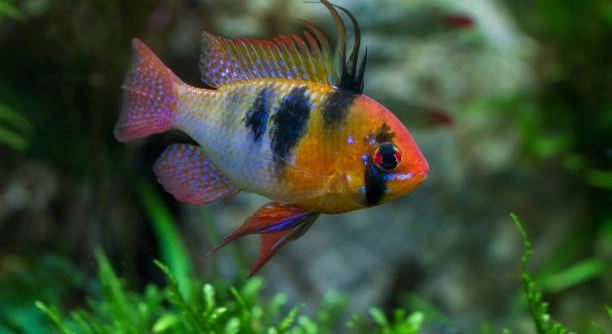
Do you ever watch your convict cichlids swimming around the tank and notice them guarding seemingly empty spots? These small but bold fish often act like they are protecting something important, even when there is nothing visible.
Convict cichlids guard empty areas as a natural instinct to establish territory and deter potential intruders. This behavior is linked to their breeding and social patterns, where protecting an area ensures safety for future eggs or fry.
Understanding this behavior helps you create a more harmonious aquarium and better care for your cichlids’ natural instincts and comfort.
Why Convict Cichlids Guard Empty Spots
Convict cichlids often pick seemingly empty areas in a tank and guard them with surprising intensity. This behavior stems from their natural instincts as territorial fish. In the wild, claiming and defending space increases their chances of successfully reproducing and raising fry. Even without eggs or fry present, the guarding behavior is triggered by environmental cues and perceived threats. The fish may sense subtle changes in water movement, tank decorations, or the presence of other fish. By establishing control over an area, they reduce stress and maintain a sense of security. Observing them closely can reveal patterns, like the spots they prefer and how aggressively they patrol. Over time, aquarists notice that these defended spots often coincide with areas suitable for breeding or hiding. This behavior is normal, and understanding it can prevent unnecessary concern. Respecting their territorial instincts creates a calmer, more predictable tank environment.
Guarding empty areas is a natural behavior, reflecting their need for territory and future breeding sites. It does not indicate illness or stress.
Convict cichlids may even move objects or choose corners with particular lighting or hiding options to guard. Their instincts make them highly attentive to the tank layout. Changes in tank conditions, like adding decorations or introducing new fish, can intensify guarding behavior. Even small fish swimming nearby may trigger defensive actions. Observing these patterns helps you predict their behavior and adjust the tank to reduce aggression. In many cases, providing multiple hiding spots and visual barriers allows them to feel secure without overreacting. While it might seem excessive to guard an empty area, it is a strategy that ensures survival in the long term. Understanding these instincts improves interactions with your fish and promotes a healthier, less stressful tank environment for all inhabitants.
How to Manage Guarding Behavior
Providing multiple areas for hiding and territorial claims reduces aggression and tension in the tank.
To manage guarding behavior effectively, adjust tank layout to include more shelters and visual separations. Rocks, plants, or artificial caves create distinct spaces, which can satisfy their territorial instincts. Avoid overcrowding the tank, as limited space increases stress and aggressive patrolling. Observe which areas they prefer and consider rotating decorations occasionally to keep them engaged without provoking fights. Introducing tank mates gradually ensures the fish adapt to new social dynamics without triggering constant defense of empty spots. Maintaining stable water parameters and minimizing sudden changes also reduces stress-driven guarding. While you cannot stop this instinct, you can redirect it in ways that make the tank environment safer and more harmonious. By understanding and planning around their behavior, you maintain a peaceful tank and protect weaker or more passive fish from excessive aggression. Patience and observation are key to balancing their natural tendencies with a well-structured habitat.
Spot Selection and Territory
Convict cichlids choose spots based on safety and visibility. They prefer corners, spaces near decorations, or areas with slight hiding options. Open water or exposed zones are usually avoided, even if no eggs are present.
These fish are very aware of their surroundings. They often patrol chosen spots repeatedly, checking for intruders or sudden movements. The presence of other fish, changes in lighting, or even minor water currents can influence which area they guard. Spots near rocks or plants are favored because they provide cover while allowing clear sightlines. Over time, they develop a pattern of preferred locations, which can help predict their behavior in a tank. Observing this closely can prevent conflicts and help with tank layout adjustments to reduce stress for all fish.
Patrolling behavior is consistent, with fish often circling and hovering near chosen spots. Their movement is deliberate, not random.
Breeding Instincts and Empty Spot Guarding
Even without eggs, convict cichlids’ guarding behavior is tied to breeding instincts. They are wired to defend potential nesting sites to ensure safety when reproduction occurs.
Territorial behavior is part of their reproductive strategy. By claiming and defending a spot in advance, they reduce competition and create a controlled environment for future eggs or fry. This preemptive guarding also strengthens pair bonds, as both male and female often coordinate to monitor the area. Even solitary fish may display guarding as preparation for potential mates or as a way to assert dominance in the tank. The intensity of guarding varies with fish age, health, and tank conditions, but it is always rooted in survival and reproduction instincts. Recognizing this behavior helps you understand that empty spots are not random targets—they are potential breeding zones that require attention to tank dynamics and placement of decorations.
Environmental Triggers
Changes in the tank can trigger guarding behavior. New decorations, water currents, or nearby fish can make a convict cichlid feel the need to defend a spot.
Even slight disturbances, like movement outside the tank or adjustments in lighting, can cause them to increase patrols. These triggers make the fish more alert and reactive to their surroundings.
Social Hierarchy and Spot Guarding
Convict cichlids use empty spot guarding to establish and maintain social hierarchy. Dominant fish often claim prime locations, while less dominant ones choose secondary spots. This behavior helps reduce constant conflicts by signaling ownership clearly. In group tanks, watching which fish controls key areas can provide insight into the pecking order. Guards are more aggressive toward intruders, reinforcing their position. Recognizing these dynamics allows you to manage space and prevent fights by arranging multiple hiding spots and visual barriers. This simple adjustment respects their natural social structure and keeps the tank environment calmer for all inhabitants.
Feeding and Territory
Food availability influences spot guarding. Fish may defend areas near preferred feeding zones to secure resources.
Stress and Guarding Behavior
Stress increases guarding intensity. Crowded tanks or sudden changes in water parameters can make convicts more protective of chosen spots.
FAQ
Why do convict cichlids guard empty spots instead of areas with food?
Convict cichlids guard empty areas primarily because of territorial and breeding instincts, not immediate food sources. They are wired to claim and defend space that could later serve as a nesting site. Even when food is present elsewhere, their focus remains on establishing control over specific areas. Guarding an empty spot ensures they have a secure location for potential eggs or fry, reducing competition from other fish. While feeding spots may see some attention, long-term security is more important to them than short-term resources.
Is guarding behavior a sign of stress?
Not necessarily. While stress can amplify guarding, this behavior is mostly instinctual. Healthy convict cichlids will guard spots even in stable tanks. Overreacting to minor disturbances or showing aggression toward new tank mates can be influenced by stress, but basic empty spot guarding is normal. Observing consistent patrolling patterns without other stress indicators, such as erratic swimming or hiding, usually means the fish is behaving naturally. Stress-related guarding tends to be more frantic or intense, while normal territorial behavior is deliberate and predictable.
Do both males and females guard empty spots?
Yes, both sexes engage in guarding, though the intensity can vary. Males often patrol larger areas and display more visible aggression to assert dominance. Females may focus on smaller, more secure areas, especially when preparing for future spawning. During breeding seasons, both male and female pairs coordinate to protect a chosen spot. Their combined vigilance ensures the area is defended from intruders, creating a safer environment for eggs or fry later. Recognizing these differences can help manage tank dynamics and prevent conflicts with other fish.
Can guarding empty spots lead to aggression with other tank mates?
Yes, defending territory can result in aggressive behavior toward other fish. Convict cichlids may chase, nip, or corner intruders that come near a guarded area. Aggression levels depend on tank size, the number of fish, and available hiding spots. Providing visual barriers, separate territories, or additional shelters can help reduce confrontations. Observing which areas each fish prefers allows adjustments to decorations and placement, minimizing conflict. While some aggression is natural, careful tank management ensures all fish remain safe and reduces the chance of injury or chronic stress.
Will convict cichlids guard spots without any breeding intentions?
Yes, even without immediate breeding intentions, these fish guard areas instinctively. Territorial behavior is deeply rooted and helps them practice controlling space for future reproduction. Empty spot guarding is a way to assert dominance and ensure readiness when breeding opportunities arise. This behavior is more pronounced in mature fish, who are instinctively preparing for potential spawning. Even solitary fish may exhibit this guarding, highlighting that territory control is as much about survival and hierarchy as it is about actual eggs or fry.
How can I reduce guarding aggression without changing their natural behavior?
You can reduce conflicts by adjusting the tank layout. Provide multiple hiding spots, visual breaks, and shelters to give fish options for secure territory. Avoid overcrowding and introduce new fish slowly. Observing preferred guarded areas allows you to rearrange decorations to satisfy territorial needs. Maintaining stable water parameters and minimizing sudden changes also helps reduce stress-induced aggression. These adjustments do not stop guarding behavior but redirect it in ways that maintain a calmer environment, protecting both dominant and more passive fish.
Does tank size affect empty spot guarding?
Yes, tank size has a significant impact. Smaller tanks limit available space, increasing territorial disputes and stress. Larger tanks provide room for multiple territories, allowing fish to patrol without frequent confrontations. Observing how fish choose spots in different-sized tanks helps plan layout and decoration placement to support natural behavior while minimizing aggression. Proper tank size combined with hiding spots and visual barriers ensures that guarding behavior remains healthy and controlled rather than destructive.
Can environmental changes trigger new spot guarding?
Absolutely. Adding decorations, plants, or rearranging existing elements can make convict cichlids claim new areas. Even slight shifts in water flow, lighting, or the introduction of tank mates can trigger heightened vigilance. These changes signal potential threats or opportunities, prompting fish to reassess and protect spots they consider valuable. Gradual changes reduce stress, while sudden modifications may provoke intense guarding. Understanding these triggers allows for strategic adjustments to maintain harmony and respect their natural instincts.
Are empty spot guarding patterns predictable?
Generally, yes. Convict cichlids often develop consistent routines, repeatedly choosing the same corners or areas near decorations. Observing their patrol paths over time reveals clear patterns, making it easier to plan tank layout. Predictable guarding helps anticipate aggression points and manage tank mates accordingly. Consistency also allows aquarists to balance multiple territories, creating a calmer environment while respecting the fish’s natural instincts.
Does guarding affect other fish’s feeding or movement?
It can. Fish guarding a spot may restrict access to nearby areas, influencing how other fish move and feed. In crowded tanks, dominant guards may block weaker fish from resources, so providing multiple feeding stations and space reduces competition. Ensuring visual breaks and separate zones allows all fish to thrive without constant confrontation. This management respects natural guarding behavior while maintaining overall tank balance and reducing chronic stress among inhabitants.
This FAQ section covers typical concerns about empty spot guarding and provides practical ways to observe, understand, and manage this instinctive behavior. By recognizing natural patterns and environmental influences, you can maintain a healthy and harmonious aquarium.
Word count: 508
Convict cichlids guarding empty spots is a behavior rooted in instinct and survival. It is not unusual to see them fiercely defending areas without any eggs or fry present. This action reflects their natural tendency to claim and protect territory, which in the wild would serve as a safe space for breeding. Even in a tank environment, where immediate threats are minimal, these instincts remain strong. Understanding that this behavior is normal helps reduce concern and allows aquarists to view their fish more clearly, without interpreting guarding as an indication of illness or stress. Observing which areas they prefer and how they patrol them can provide insight into their comfort levels and social dynamics.
Providing the right environment can help minimize unnecessary aggression while respecting these instincts. Adding multiple hiding spots, visual barriers, and decorations allows convict cichlids to claim their own territories without constant confrontation. Tank size also plays a significant role, as smaller tanks increase stress and competition, while larger tanks give each fish space to establish boundaries. Consistent water conditions, gradual changes in tank setup, and careful introduction of new fish further support a stable environment. Even small adjustments, like placing rocks or plants near frequently guarded spots, can make a noticeable difference in reducing tension. By structuring the tank thoughtfully, it is possible to observe natural guarding behavior without it negatively affecting other fish.
Recognizing the balance between instinct and tank management is key to maintaining a peaceful aquarium. Guarding empty spots is not random; it is a combination of territorial instincts, breeding preparation, and social hierarchy. Watching these behaviors unfold can be fascinating and helps aquarists better understand the needs of their fish. While the intensity of guarding may vary between individuals, providing adequate space and resources ensures that all fish feel secure. Over time, this approach fosters a calmer, more predictable tank environment, where both dominant and passive fish coexist successfully. Observing convict cichlids closely allows for adjustments that protect natural behaviors while maintaining harmony, making the aquarium a healthier and more enjoyable place for all its inhabitants.
Word count: 409

Hello,
If you enjoy the content that we create, please consider saying a "Thank You!" by leaving a tip.
Every little bit helps us continue crafting quality advice that supports the health, happiness, and well-being of pets around the world, for pets of all shapes, sizes, and species.
We really appreciate the kindness and support that you show us!