
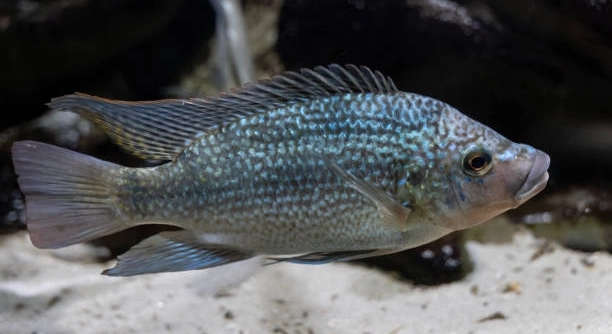
Do you ever notice your cichlids swimming in a certain direction more often than others? Observing their movements can reveal preferences that affect their comfort and health in your aquarium environment. Proper understanding helps improve their habitat.
Cichlids generally prefer filter flows that mimic natural water currents. Moderate to strong flow rates promote oxygenation and waste removal, while varied directional currents provide stimulation. Different cichlid species exhibit distinct flow preferences, influencing their overall behavior and well-being.
Knowing which flows suit your cichlids ensures a healthier aquarium. The following guide explores seven types of filter flows these fish commonly prefer.
Laminar Flow
Laminar flow is a smooth, consistent movement of water that mimics rivers and streams. Many cichlids, especially those from African lakes, thrive in this environment. The steady current allows them to swim with ease, conserving energy while still experiencing natural water motion. Laminar flow also helps distribute nutrients evenly throughout the tank. It can prevent areas of stagnant water where debris might accumulate, making it easier to maintain cleanliness. Using adjustable filters or flow directors allows you to control the intensity of the laminar flow. Observing your cichlids will help you determine if the flow is suitable. Signs they enjoy the flow include relaxed swimming and exploring all areas of the tank. Overly strong laminar currents can stress some species, so gradual adjustments are recommended. Combining laminar flow with areas of gentler currents can create a balanced environment, catering to different species’ needs. The setup ultimately supports both fish health and a visually appealing aquarium.
Laminar flow encourages natural behavior and efficient swimming, making it ideal for most lake-dwelling cichlids.
Providing laminar currents helps cichlids feel secure and reduces stress. Consistent movement improves oxygen levels, supports healthy feeding habits, and keeps the tank cleaner. It also allows for better observation of their behavior. Over time, cichlids adapt to specific flow patterns, showing which areas they prefer. Balancing laminar flow with quieter zones can satisfy multiple species within a community tank. Using proper filtration, such as canister filters or adjustable powerheads, can achieve this effect efficiently. Observing their activity ensures the flow is appropriate, preventing fatigue or avoidance. Laminar currents are especially effective for species that naturally inhabit lake edges or open-water zones, providing both exercise and comfort. This type of flow integrates smoothly into planted aquariums, helping plants sway gently while maintaining water clarity. Proper placement of intake and outflow tubes ensures even distribution, supporting consistent water quality. Overall, laminar flow enhances both fish health and the aesthetic appeal of the aquarium while allowing careful monitoring of cichlid interactions and preferences.
Turbulent Flow
Turbulent flow creates a choppy, irregular water movement that mimics fast-flowing rivers. Some river-dwelling cichlids prefer this environment.
Turbulent flow stimulates fish activity and encourages natural swimming behaviors. It can prevent boredom and improve fitness by forcing cichlids to navigate variable currents. This type of flow also helps circulate debris and detritus toward the filter intake, maintaining cleaner water. Not all cichlids tolerate turbulence, so it is important to monitor their reactions. Using spray bars, multiple powerheads, or directional filter outlets can generate controlled turbulence without overwhelming the tank. Fish may use calmer corners to rest, balancing high-energy swimming areas. Species like Tropheus and some South American river cichlids often enjoy turbulent conditions, which mimic their native habitats. Turbulent flow can also benefit plants by promoting water movement around roots, improving nutrient absorption. Adjusting intensity gradually allows cichlids to acclimate comfortably. A well-balanced setup combines turbulent areas with gentler currents, accommodating multiple species while maintaining overall water quality. Proper observation and equipment placement ensure that turbulent flow remains beneficial rather than stressful.
Moderate Flow
Moderate flow provides a steady, balanced current that suits many cichlid species. It is strong enough to circulate water and remove waste but gentle enough to prevent stress. Most aquarium setups benefit from this type of flow for overall fish health.
Moderate flow encourages consistent swimming without exhausting your cichlids. It helps oxygenate the water evenly, allowing fish to feed and explore naturally. By avoiding overly strong currents, it reduces aggression and territorial disputes. Adjusting filter output or using flow directors ensures the water moves efficiently while maintaining calm areas for rest. Many species, including both African and South American cichlids, thrive under this flow. Observing behavior is essential to fine-tune the intensity, ensuring each fish feels secure. Plants and decorations remain stable while benefiting from circulation, supporting a healthy environment.
Maintaining moderate flow requires placement of filter outputs to prevent dead zones. Some cichlids enjoy swimming against the current, while others prefer resting zones. Balancing these areas promotes natural behavior and reduces stress. Combining moderate flow with small turbulent patches can satisfy multiple species in a single tank. Proper monitoring of fish activity shows whether adjustments are necessary, helping to keep all cichlids healthy. Equipment selection, including powerheads or canister filters, should focus on controllable output. Overall, moderate flow creates a stable, enriched habitat that supports both fish and plant life without overwhelming the aquarium environment.
Gentle Flow
Gentle flow is calm, producing minimal water movement ideal for shy or slow-swimming cichlids. It creates quiet areas where fish can rest or feed without fighting currents.
Gentle flow reduces stress for species that prefer still or slow-moving waters. It allows juvenile or less aggressive cichlids to explore safely and avoid strong currents. Plants benefit from minimal disturbance, while fish can engage in natural behaviors such as hovering or grazing along the substrate. Gentle flow is easy to create using low-output filters or flow restrictors, maintaining water circulation without excessive turbulence. This flow is also beneficial in tanks with heavily planted areas, where stronger currents could uproot vegetation. Careful observation ensures fish remain active without showing signs of fatigue.
Using gentle flow strategically allows aquarists to create zones within the tank. Fish can choose between calm resting areas and moderate currents elsewhere. This approach supports diverse species and maintains overall water quality. Gentle flow promotes comfort for timid cichlids while preventing debris buildup in sensitive corners. Adjustable filtration allows fine-tuning to meet the needs of all inhabitants. Gentle currents also reduce stress-related health issues, encouraging feeding and natural social behaviors. By observing how fish interact with calmer zones, adjustments can be made to optimize tank conditions. This balance improves overall stability, supporting both fish welfare and a visually pleasing aquarium environment.
Variable Flow
Variable flow changes intensity across different areas of the tank, offering both calm and strong currents. Cichlids can choose where to swim depending on their mood or activity level. This setup accommodates multiple species with differing preferences.
Variable flow encourages natural exploration and reduces stress. Fish can rest in calmer areas while still enjoying active swimming zones. It helps simulate natural habitats with uneven currents, supporting behavior and overall health.
Directional Flow
Directional flow guides water in a specific path, allowing cichlids to swim against or along it. It can be used to create exercise zones or feeding currents. Proper placement of filter outputs ensures consistent movement throughout the tank, benefiting both fish and plants.
Minimal Flow
Minimal flow is very gentle, with almost no current, ideal for small or delicate cichlids. It prevents young or weak fish from being exhausted by stronger currents and allows them to feed and rest comfortably.
FAQ
What is the best flow for most cichlids?
Most cichlids do well in moderate or laminar flow. These currents provide steady movement without exhausting the fish. Moderate flow supports oxygenation and nutrient distribution, while laminar flow allows natural swimming patterns. Both types reduce stress and help maintain a clean, healthy environment for various species.
Can all cichlids tolerate turbulent flow?
Not all cichlids prefer turbulence. River-dwelling species like Tropheus often enjoy stronger, irregular currents, while lake-dwelling cichlids may find it stressful. Observing fish behavior is key. If fish constantly avoid certain areas or appear fatigued, the turbulence should be reduced or redirected. Using adjustable flow equipment can help balance different species’ needs.
How do I create variable flow in my aquarium?
Variable flow can be achieved by using multiple filter outputs or powerheads aimed in different directions. Combining strong and gentle currents gives fish the ability to choose swimming zones. Flow directors, spray bars, or adjustable filters allow precise control, helping to simulate natural water conditions that most cichlids find comfortable.
Is gentle flow suitable for all cichlids?
Gentle flow works best for shy, delicate, or slow-swimming species. It reduces stress, allows for easy feeding, and supports planted areas. However, active or larger cichlids may become bored or under-stimulated in minimal currents. Combining gentle flow zones with moderate or laminar areas can satisfy multiple species in one tank.
How do I know if the flow is too strong?
Signs of excessive flow include fish constantly swimming in place, struggling to reach calmer areas, or hiding excessively. Plants may also be uprooted, and debris may accumulate unevenly. Adjust filter output gradually, and observe fish behavior until swimming appears natural and relaxed.
Should flow be adjusted for breeding cichlids?
Yes, breeding cichlids often prefer calmer zones to protect eggs or fry. Gentle or minimal flow near breeding sites reduces stress and prevents eggs from being swept away. Moderate currents can be maintained in other areas of the tank for general water circulation, balancing oxygenation with safety for young fish.
Do plants affect preferred flow?
Plants can influence flow preferences. Dense vegetation benefits from gentle or moderate currents to prevent uprooting. Open areas can tolerate stronger or directional flows. Proper plant placement and flow adjustment create zones that satisfy both fish and plants while maintaining water clarity and nutrient distribution.
Can changing flow improve fish health?
Adjusting flow can positively impact fish health. Correct flow promotes oxygenation, reduces waste buildup, and encourages exercise. It also helps prevent stress-related illnesses. Observing behavior after changes ensures adjustments meet the needs of all tank inhabitants, supporting long-term health and natural activity.
Is directional flow necessary in a community tank?
Directional flow is not required but can be beneficial. It encourages exercise, prevents dead spots, and improves water circulation. In community tanks with multiple cichlid species, it helps balance different swimming preferences while maintaining overall water quality and supporting natural behaviors.
How often should I monitor flow preferences?
Regular observation is essential. Fish may change behavior over time due to growth, health, or environmental adjustments. Weekly checks help ensure that currents remain suitable for all species. Adjustments can then be made using flow controllers, filter outputs, or powerheads to maintain optimal conditions and comfort for every cichlid.
This FAQ covers the most common concerns about cichlid flow preferences, from selecting the right current to adjusting zones for different species and tank layouts. Monitoring behavior and using adjustable equipment ensures a healthy, balanced aquarium for all inhabitants.
Final Thoughts
Creating the right water flow for cichlids is more than just turning on a filter. Each species has its own natural preferences that influence how it swims, feeds, and rests. African lake cichlids often thrive in steady, laminar currents, while river-dwelling species may prefer stronger, turbulent flows. Observing their behavior is the most reliable way to determine whether your setup meets their needs. Fish that swim freely, explore their environment, and use all areas of the tank are usually comfortable. Signs of stress, such as constant hiding, erratic movements, or struggling against currents, indicate that adjustments are necessary. By paying attention to these behaviors, you can tailor the water movement to suit your specific cichlids, which helps them stay healthy and active.
Flow also plays a crucial role in water quality and tank maintenance. Proper currents help circulate oxygen, distribute nutrients, and carry debris toward filter intakes. Laminar or moderate flow is often ideal for general circulation, while turbulent or directional flow can be used strategically to stimulate exercise and activity. Gentle or minimal flow creates safe zones for shy or delicate species, supporting rest and feeding. Many aquariums benefit from combining different flow types, creating zones with varying intensity. This allows multiple species with different preferences to coexist without conflict. Using adjustable filters, spray bars, or powerheads makes it easier to control flow strength and direction. Maintaining balance between strong and calm areas ensures both fish and plants thrive, supporting natural behavior and tank stability.
Ultimately, understanding your cichlids’ flow preferences is key to their well-being. Each adjustment, whether small or significant, can have a noticeable effect on their comfort and health. Paying close attention to behavior, feeding habits, and activity levels allows for gradual changes that create an ideal environment. Even minor tweaks, such as redirecting a filter output or reducing powerhead speed, can improve swimming patterns and reduce stress. The goal is to create a tank where fish feel secure while still experiencing water movement that mimics their natural habitat. By carefully observing, adjusting, and maintaining these currents, you support both the physical health and the natural behavior of your cichlids, ensuring a thriving aquarium that benefits every inhabitant.

Hello,
If you enjoy the content that we create, please consider saying a "Thank You!" by leaving a tip.
Every little bit helps us continue crafting quality advice that supports the health, happiness, and well-being of pets around the world, for pets of all shapes, sizes, and species.
We really appreciate the kindness and support that you show us!