
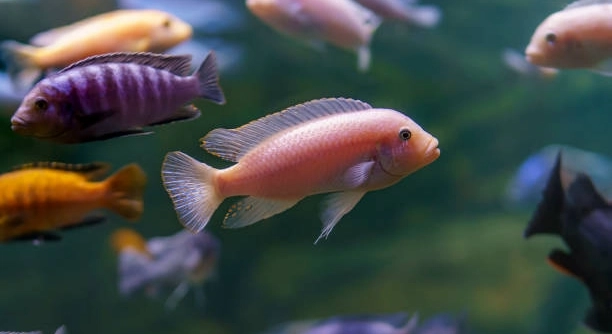
Many fish keepers enjoy having convict cichlids in their tanks because of their striking colors and active personalities. They are hardy and easy to care for, making them popular among beginners and experienced hobbyists alike.
Convict cichlids can breed in a community tank, but their aggressive nature may threaten other fish. Successful breeding requires careful monitoring, appropriate tank size, and plenty of hiding spaces to reduce stress and protect both the fry and other tank inhabitants.
Managing their behavior and environment is key to keeping peace while supporting natural breeding instincts in a shared tank setting.
Understanding Convict Cichlid Behavior
Convict cichlids are known for their bold and territorial nature, especially when breeding. They form strong pair bonds and fiercely protect their eggs and fry from perceived threats. In a community tank, this behavior can cause tension with other fish, particularly smaller or less aggressive species. Observing their interactions closely is essential to prevent injuries and maintain harmony. Providing hiding spots and plants can help diffuse potential conflicts.
During breeding periods, their aggression often increases. Tank mates may need to be temporarily moved to avoid stress or attacks. Proper tank layout can significantly reduce stress for all fish involved.
Being aware of these behavioral traits allows you to create a safer environment for both the cichlids and the other fish. With careful planning, it’s possible to manage aggression while still allowing natural breeding behavior to occur.
Setting Up a Community Tank
Tank size and layout are crucial for keeping convict cichlids with other fish.
A large tank with plenty of rocks, caves, and plants gives all fish enough territory. Separating areas reduces direct confrontations and allows shy species to find refuge. The more hiding spots, the less likely conflicts become during breeding or feeding times.
Choosing the right tank mates is equally important. Other semi-aggressive fish of similar size are ideal companions. Avoid very small or slow-moving species that may become targets. Maintaining clean water and stable conditions helps reduce stress, which in turn minimizes aggression. Observing interactions regularly lets you adjust the tank setup if needed. Feeding all fish adequately also ensures that competition does not escalate. Over time, careful management can lead to a balanced tank where convict cichlids can breed naturally without overwhelming their companions, creating a more peaceful and sustainable environment for everyone.
Breeding Conditions
Water temperature and quality directly affect convict cichlid breeding. Keeping the tank between 78°F and 82°F encourages spawning. Stable pH around 6.5 to 7.5 and clean, filtered water reduce stress. Poor conditions can delay or prevent breeding entirely.
Proper diet plays a significant role in encouraging healthy breeding behavior. Feeding a mix of high-protein foods such as pellets, frozen bloodworms, and brine shrimp ensures both male and female are in peak condition. Overfeeding should be avoided, as it can pollute the water and increase aggression. Observing their behavior after feeding can give clues about readiness to spawn.
Tank setup must include hiding spots and flat surfaces for egg-laying. Rocks, caves, and plant leaves provide suitable locations. Space should allow fry to escape from aggressive adults if necessary. Monitoring interactions closely ensures eggs and fry remain safe, and the adult pair maintains territory without stressing other tank inhabitants.
Fry Care and Growth
Separating fry from other fish initially prevents them from being eaten. Small mesh breeders or isolated areas within the tank work well.
Fry require frequent, tiny feedings of infusoria, baby brine shrimp, or finely crushed flakes to grow steadily. Consistent water quality is essential since fry are sensitive to ammonia and nitrites. Removing uneaten food helps prevent spikes in toxins. Providing gentle water flow ensures oxygen reaches all areas without overwhelming the tiny fry. As they grow, gradually introducing larger food helps them adapt. Monitoring growth rates can identify weak or sick fry early. Proper care during these early weeks dramatically improves survival rates.
Keeping adults and fry in the same tank requires careful observation. Aggression can arise even after hatching, so ensuring there are plenty of hiding spaces and visual barriers reduces conflict. Using plants, rocks, or tank dividers helps fry find refuge. Rotating feeding areas and observing parent behavior allows for timely intervention if aggression escalates. Over time, fry will grow stronger and more independent, eventually integrating safely into the community while adult cichlids continue their territorial routines.
Common Challenges
Convict cichlids may show aggression toward tank mates, especially during breeding. Monitoring their behavior helps prevent injuries. Providing hiding spots and separating overly aggressive fish can maintain harmony in a community setup.
Water quality issues can impact breeding success. Regular testing and partial water changes reduce stress, support fry survival, and keep adults healthy.
Choosing Compatible Tank Mates
Selecting the right tank mates is critical. Semi-aggressive fish of similar size, like certain tetras or barbs, are better suited than slow-moving or very small species. Avoid overcrowding, as limited space can intensify fights. Observing fish interactions early helps identify potential problems before they escalate. Feeding all fish adequately ensures competition does not cause unnecessary aggression. Tank layout with plenty of plants, rocks, and hiding spaces allows fish to establish territories without constant conflict. Adjusting decorations or creating visual barriers can prevent stress and improve coexistence, allowing convict cichlids to display natural behaviors without endangering others.
Monitoring Breeding Progress
Keeping track of egg laying and fry development ensures timely intervention if issues arise. Recording observations helps maintain a safe environment.
FAQ
Can convict cichlids harm other fish while breeding?
Yes, they are naturally territorial, especially when protecting eggs or fry. Smaller or less aggressive tank mates can be stressed or even injured. Providing hiding spots and observing interactions closely helps reduce risks. Some aggression is normal, but intervention may be needed if it escalates.
How often do convict cichlids spawn?
Convict cichlids can spawn frequently, sometimes every few weeks under ideal conditions. Water temperature, quality, and diet strongly influence their readiness. Healthy adults with enough space and a stable environment will often breed consistently. Monitoring their behavior helps anticipate spawning periods.
What is the best diet for breeding?
A high-protein diet is essential. Pellets designed for cichlids, frozen bloodworms, brine shrimp, and occasional live foods keep them healthy. Feeding small amounts multiple times a day supports energy levels and promotes egg production. Avoid overfeeding, which can pollute the water.
Do fry need special care?
Yes, fry are delicate and require frequent small feedings of infusoria, baby brine shrimp, or finely crushed flakes. Clean water and gentle filtration are vital, as fry are sensitive to toxins. Hiding spots help them escape from adults and reduce stress. Gradually increase food size as they grow.
Can convict cichlids breed in small tanks?
Breeding in small tanks is possible, but it increases stress and aggression. Limited space may lead to injured fry or fights with tank mates. Larger tanks with plenty of hiding spots provide safer conditions and improve survival rates for both fry and other fish.
How can I protect fry from adults?
Using mesh breeders, breeding nets, or isolated sections in the tank helps. Alternatively, providing dense plants and rock structures allows fry to hide. Monitoring adult behavior is crucial, as aggression can still occur even after eggs hatch. Timely separation ensures higher survival rates.
Are there compatible fish to keep with convict cichlids?
Yes, semi-aggressive fish of similar size work best. Avoid very small or slow-moving species that may be targeted. Observing interactions and providing plenty of hiding spaces reduces conflict. Adjust tank layout as needed to maintain peace and allow natural behavior.
How long does it take for eggs to hatch?
Convict cichlid eggs usually hatch within 3 to 5 days, depending on water temperature and conditions. Warmer water speeds up development, while cooler water slows it. After hatching, fry remain near the parents for protection until they are strong enough to explore.
What signs indicate breeding readiness?
Pairs become more territorial and often clean flat surfaces for egg-laying. They may chase away tank mates or show increased interaction with each other. Observing these behaviors helps predict when eggs will be laid and allows preparation for fry care.
Can breeding affect tank harmony?
Yes, breeding periods heighten aggression and stress in a community tank. Adjusting tank layout, providing hiding spots, and careful feeding helps reduce conflicts. Observing interactions regularly ensures that all fish remain safe while allowing convict cichlids to exhibit natural reproductive behavior.
Is special lighting needed for breeding?
Lighting is not critical for breeding, but a consistent day-night cycle helps maintain normal behavior. Avoid sudden changes in light intensity, as it can stress both adults and fry. Natural or standard aquarium lighting works well when combined with proper water and diet management.
How can I tell if fry are healthy?
Healthy fry are active, swim upright, and feed eagerly. Weak or lethargic fry may indicate poor water conditions or insufficient food. Observing growth and behavior helps catch problems early. Consistent feeding, clean water, and proper protection from adults support strong development.
Do I need to remove adults after spawning?
Not always. Convict cichlids often care for their fry, but in a community tank, adults may still pose a risk. Providing hiding spots or temporary separation ensures fry survival. Observation is key to knowing when intervention is necessary to prevent harm.
Can breeding cause water quality issues?
Yes, uneaten food, increased waste, and high activity can pollute the tank. Frequent water testing and partial changes help maintain safe conditions. Clean water reduces stress, supports fry survival, and keeps adults healthy during breeding periods.
How long until fry can join the main tank?
Fry are usually ready to mingle after 4 to 6 weeks, depending on growth and size. Gradually introducing them to open areas or reducing barriers helps them adapt while minimizing risk from larger fish. Consistent feeding and monitoring during this stage is important for survival.
Are convict cichlids easy to breed in community tanks?
They can breed, but careful planning is required. Aggression, tank size, hiding spots, and compatible tank mates all affect success. With proper observation and adjustments, it’s possible to maintain a balanced tank while supporting natural breeding behavior.
Can overfeeding affect breeding?
Yes, excess food increases ammonia and nitrites, stressing adults and fry. Stress can delay spawning or harm fry. Controlled, balanced feeding ensures water quality and supports healthy growth and reproductive behavior.
What is the best substrate for breeding?
Flat rocks, slate, or smooth surfaces are preferred for egg-laying. Avoid rough or sharp substrates that may damage eggs or fry. Providing multiple options allows pairs to choose suitable sites and reduces competition among adults.
How can I reduce aggression in a community tank?
Create visual barriers, provide hiding spots, and select compatible fish. Feeding all fish adequately and monitoring interactions helps maintain harmony. Adjusting tank layout or separating overly aggressive individuals may be necessary during breeding periods to prevent stress or injury.
Is it normal for adults to chase fry?
Yes, some chasing occurs even with protective behavior. Fry need hiding spaces to escape. Excessive aggression may require temporary separation. Observing interactions and providing shelter ensures higher survival rates while allowing adults to care for their young.
Can breeding happen without intervention?
Yes, convict cichlids can breed naturally if water, diet, and territory are adequate. Intervention may improve survival rates, especially in a community tank. Hiding spots, stable conditions, and monitoring ensure that eggs and fry remain safe while adults display natural behaviors.
Do cichlids need a specific pH for breeding?
A pH between 6.5 and 7.5 is ideal. Extreme fluctuations can stress adults and harm eggs or fry. Maintaining stable water chemistry supports successful breeding and healthy development of the young. Regular testing ensures optimal conditions are preserved.
How do I prevent tank stress during breeding?
Keep water clean, provide hiding spaces, monitor aggression, and avoid overcrowding. Stable temperature, diet, and pH reduce stress. Careful observation allows early intervention if issues arise, protecting both adults and fry.
Are there signs that eggs will not survive?
Fungus-covered, damaged, or missing eggs indicate problems. Stress, poor water quality, or aggression can cause egg loss. Removing affected eggs and maintaining proper conditions increases the chances of healthy fry development.
How long do adults care for fry?
Adults typically guard and guide fry for 2 to 3 weeks. During this time, they help fry find food and protect them from threats. Afterward, fry gradually become independent, though adults may still show territorial behavior around the tank.
Can multiple pairs breed in the same tank?
It is possible but increases aggression. Adequate space, hiding spots, and careful monitoring are essential. Multiple breeding pairs require careful management to prevent fights and ensure all fry have a chance to survive.
What temperature changes affect breeding?
Convict cichlids prefer 78°F to 82°F. Cooler water can slow spawning, while sudden fluctuations cause stress or egg loss. Maintaining a consistent temperature supports normal reproductive behavior and fry development.
Are there signs of fry sickness?
Lethargy, unusual swimming, or failure to eat indicate problems. Poor water quality, insufficient food, or disease can be causes. Early detection and maintaining clean water are key to preventing losses and supporting healthy growth.
How many fry usually survive?
Survival rates vary. In a well-managed tank, most fry can reach juvenile stage. Protection from adults, adequate hiding spots, proper feeding, and stable water conditions significantly improve outcomes.
Can breeding affect other fish’s behavior?
Yes, increased aggression and territoriality may stress tank mates. Providing separate territories and hiding spots reduces conflict. Monitoring behavior ensures peaceful coexistence while allowing convict cichlids to breed naturally.
Is it necessary to supplement minerals for breeding?
Not usually, if diet is balanced. High-quality foods provide essential nutrients. Occasional live or frozen foods enhance protein intake and support egg production. Supplements are only needed if deficiencies are detected.
Do adult cichlids eat their own fry?
It can happen if stressed, crowded, or poorly fed. Providing hiding spaces and observing behavior reduces the risk. Some adults are more protective, while others may inadvertently harm fry. Intervention may be necessary in community tanks.
How long until fry resemble adults?
Fry start showing adult markings after several weeks. Full coloration develops over months, depending on diet, water quality, and genetics. Proper care ensures healthy growth and normal development.
Can plants help during breeding?
Yes, dense plants provide hiding spots for fry and reduce adult aggression. They create natural barriers, offer shelter, and improve water quality. Plants support both breeding behavior and overall tank balance.
What is the best way to clean the tank during breeding?
Partial water changes with careful siphoning around eggs and fry prevent stress. Avoid disturbing hiding spots and adult territories. Regular testing and gentle cleaning maintain water quality without compromising breeding success.
Are there signs adults are stressed?
Hiding excessively, refusing food, or attacking too frequently indicate stress. Temperature fluctuations, poor water quality, or overcrowding are common causes. Addressing these factors quickly protects both adults and fry.
How often should water be tested?
Testing weekly for ammonia, nitrites, nitrates, and pH ensures safe conditions. During breeding or fry care, more frequent checks may be necessary. Consistent monitoring helps prevent stress and supports healthy development.
Can tank size prevent breeding?
Small tanks limit territory and increase aggression. Larger tanks with hiding spaces allow natural behavior, reduce conflicts, and improve fry survival. Adequate space is a key factor in successful breeding.
How do I handle overpopulation?
If too many fry survive, consider rehoming or separating some into another tank. Overcrowding stresses adults and slows growth. Proper planning helps maintain a balanced and healthy environment for all fish.
Can breeding affect adult health?
Yes, frequent spawning or poor conditions can weaken adults. Adequate nutrition, clean water, and rest periods between spawning events support long-term health. Monitoring behavior and condition ensures adults remain strong.
Do water changes affect breeding?
Partial changes improve water quality but should be gradual to avoid stressing adults and fry. Maintaining temperature and chemical balance during changes preserves a safe environment for reproduction.
Are convict cichlids compatible with plants during breeding?
Yes, plants offer shelter for fry and reduce adult aggression. Dense plantings support natural behavior while improving water quality. Selecting hardy plants ensures they survive interactions with active cichlids.
How long does breeding take from eggs to independent fry?
Typically 4 to 6 weeks. Eggs hatch in 3 to 5 days, and fry remain near adults for protection. Gradually, they explore the tank independently. Proper care throughout this period ensures strong and healthy young fish.
Can water hardness affect spawning?
Moderate hardness is preferred. Extreme soft or hard water may stress adults or reduce egg viability. Maintaining balanced water chemistry supports normal breeding behavior and fry survival.
Is supplemental feeding for fry necessary?
Yes, frequent small feedings are critical. Infusoria or baby brine shrimp provide essential nutrients. Gradually increase food size as fry grow. Proper feeding ensures steady growth and reduces mortality.
Do tank decorations impact breeding?
Yes, flat surfaces and hiding spots are essential. Rocks, caves, and plants allow egg-laying and fry protection. Visual barriers reduce aggression and provide safer spaces for all tank inhabitants.
How do I know if a breeding pair is compatible?
Pairs that clean surfaces together, defend territory, and show mutual interest are compatible. Incompatible pairs may fight or ignore spawning behaviors. Observing interactions helps determine suitability for breeding.
Are there signs of water-related stress?
Erratic swimming, loss of appetite, or chasing fry excessively indicate stress. Testing water quality and adjusting parameters quickly prevents harm and supports breeding success.
Can breeding affect filtration needs?
Yes, increased waste from adults and fry requires efficient filtration. Gentle flow prevents fry from being swept away while maintaining water clarity. Regular maintenance keeps the environment safe and healthy.
Do adult cichlids recognize their fry?
Yes, they often guard and guide their fry. Recognition is instinctual, helping protect offspring from threats. However, stress or overcrowding can override parental care, making hiding spots essential for fry survival.
Is temperature stability more important than lighting?
Yes, consistent temperature supports spawning and fry development more than lighting. Stable conditions reduce stress and encourage natural reproductive behavior. Standard lighting with a consistent day-night cycle is sufficient for breeding.
Can multiple pairs share a tank without issues?
It is challenging. Multiple breeding pairs increase aggression. Adequate space, hiding spots, and careful observation are necessary. In some cases, temporary separation may be required to protect fry and maintain adult health.
How often should I feed adults during breeding?
Feeding 2 to 3 times daily with high-protein foods keeps adults healthy. Avoid overfeeding to prevent water quality problems. Balanced nutrition supports energy for defending territory and caring for fry.
Can sudden tank changes affect spawning?
Yes, moving the tank, changing water, or adjusting temperature quickly can stress adults and disrupt spawning. Gradual changes maintain stability and prevent negative impacts on breeding behavior.
Are convict cichlids aggressive only during breeding?
No, they are naturally territorial, but aggression peaks during breeding. Providing space, hiding spots, and compatible tank mates reduces conflicts at all times.
Do fry need light immediately after hatching?
Low to moderate light is sufficient. Excessive brightness can stress fry. Maintaining consistent lighting supports normal feeding behavior and helps fry adapt to the tank environment.
Can adult cichlids live peacefully after fry leave?
Yes, once fry become independent, aggression usually decreases. Adults may still defend territory, but conflicts reduce as space needs normalize. Proper tank setup continues to support peaceful coexistence.
Is it necessary to track spawning dates?
Tracking helps plan care for eggs and fry. Knowing hatch times allows preparation of hiding spaces, food schedules, and monitoring. Organized observation improves survival rates and reduces stress for all fish.
Can stress prevent spawning altogether?
Yes, poor water quality, incompatible tank mates, overcrowding, or abrupt changes can stop breeding. Maintaining stable conditions, proper diet, and adequate territory encourages successful spawning.
Do adult males and females share parental duties?
Generally, both participate. Males often guard territory, while females tend eggs and fry. Roles may overlap depending on behavior, tank size, and environmental conditions. Cooperation improves survival chances for offspring.
How do I prevent overpopulation in the tank?
Control breeding by separating pairs, rehoming fry, or maintaining fewer adults in a community tank. Overpopulation stresses fish, reduces growth, and increases aggression. Proper management ensures a balanced and healthy environment.
Can tank water temperature fluctuate slightly during the day?
Small fluctuations are usually tolerated but should remain within 78°F to 82°F. Sudden swings or prolonged extremes can stress adults, reduce egg viability, and harm fry development.
Is it possible to breed without hiding spots?
Technically yes, but survival rates drop significantly. Eggs and fry are vulnerable to adult aggression. Providing hiding spots is strongly recommended to ensure successful breeding and minimize stress for all fish.
How long should I wait between breeding cycles?
Giving adults a rest period of a few weeks allows recovery and maintains health. Continuous breeding without breaks can weaken adults and reduce fry survival. Proper timing ensures strong, healthy fish for multiple cycles.
Can adult aggression affect non-fry fish?
Yes, territorial behavior may stress or injure tank mates. Observing interactions and adjusting tank layout or separating adults helps prevent harm while allowing natural breeding behavior.
Are there signs fry are ready to eat larger food?
Fry begin taking finely crushed flakes or small pellets once they grow larger and swim actively. Gradually increasing food size supports growth and helps them transition from tiny infusoria or baby brine shrimp.
Do breeding pairs need more space than usual?
Yes, providing ample territory reduces conflicts and improves fry survival. Larger areas with hiding spots support natural behavior and minimize stress for both adults and tank mates.
Can I keep multiple generations together?
Yes, with enough space and hiding areas. Monitoring aggression and providing appropriate food ensures older fry and adults coexist safely while maintaining a balanced tank.
Does water flow affect fry survival?
Gentle water flow is best. Strong currents can overwhelm tiny fry. Proper filtration and careful flow adjustment help maintain oxygenation without endangering the young fish.
Are there signs of overbreeding in adults?
Weakness, color fading, or refusal to eat may indicate overbreeding. Allowing rest periods, providing proper nutrition, and maintaining stable conditions support long-term health and successful reproduction.
Can plants reduce aggression during breeding?
Yes, dense plants create natural barriers, giving fry hiding spots and reducing confrontations. They also improve water quality and help maintain a more peaceful tank environment.
How do I know if eggs are fertile?
Fertile eggs are clear or slightly yellow and remain attached to the surface. Unfertilized eggs often turn white or opaque and may be removed by adults or need manual cleaning.
Can breeding occur without a male present?
No, both male and female are needed for fertilization. The male guards the territory and fertilizes eggs, while the female tends the nest and cares for fry.
Do adults change behavior after spawning?
Yes, aggression typically increases during egg and fry care. Once fry become independent, adults usually return to normal activity levels, though they may maintain some territorial behaviors.
Can fry survive in a community tank immediately?
Survival is low without hiding spaces. Dense plants, rocks, or breeding nets increase safety. Gradual introduction to open areas improves chances while minimizing stress from adult or tank mate aggression.
How important is observation during breeding?
Critical. Regular monitoring allows early intervention, ensures water quality, detects aggression, and tracks fry development. Observation helps maintain a safe and successful breeding environment.
Can tank decorations affect fry growth?
Yes, rocks, caves, and plants provide shelter, reduce stress, and encourage natural behavior. Open areas allow exploration and feeding, supporting healthy development. Poorly arranged tanks can increase mortality.
Are frequent water changes necessary for fry?
Yes,
Convict cichlids are fascinating fish with strong personalities, and their ability to breed in a community tank shows both their resilience and the care required to manage them. They are naturally territorial, especially during breeding, so planning the tank environment carefully is crucial. Providing plenty of hiding spots, flat surfaces for egg-laying, and a balanced diet are basic but essential steps. Observing their behavior closely allows you to anticipate aggression, protect fry, and maintain harmony among all the fish in the tank. Over time, learning to read their actions becomes easier, and it allows the tank to remain a safe space for both adults and young.
Water quality and tank setup play a major role in successful breeding. Clean, well-filtered water with a stable temperature between 78°F and 82°F encourages spawning, while a moderate pH around 6.5 to 7.5 supports egg and fry health. Regular partial water changes help reduce toxins and stress, which can otherwise prevent breeding or harm fry. Choosing compatible tank mates also contributes to a balanced community. Semi-aggressive species of similar size are ideal companions, while very small or slow-moving fish may be at risk. Plants, rocks, and caves are not just decorative; they serve as essential hiding spots for fry and help reduce adult aggression. All of these factors together create an environment where convict cichlids can reproduce successfully while keeping other fish safe.
Fry care requires patience and attention. Newly hatched fry are tiny and fragile, so feeding small amounts of infusoria or baby brine shrimp frequently ensures proper growth. Gradually increasing food size as they grow helps them adapt and strengthens their survival chances. Observing fry development allows you to detect weak or sick individuals early and take necessary action. Adults may remain protective, but providing sufficient shelter prevents unnecessary stress or loss. By maintaining stable water conditions, appropriate diet, and adequate space, you can support multiple breeding cycles. Over time, you will see the fry grow and integrate safely into the community, and the tank becomes a thriving, dynamic environment where both adults and young fish can coexist peacefully. This careful attention and management make keeping convict cichlids in a community tank a rewarding experience for anyone willing to understand their behavior and meet their needs.

Hello,
If you enjoy the content that we create, please consider saying a "Thank You!" by leaving a tip.
Every little bit helps us continue crafting quality advice that supports the health, happiness, and well-being of pets around the world, for pets of all shapes, sizes, and species.
We really appreciate the kindness and support that you show us!