
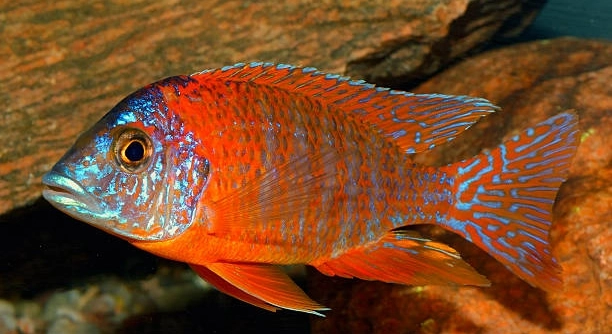
Cichlids are lively fish that often seem busy rearranging their tank decorations. Their constant activity can be puzzling for aquarists, but it reflects their natural instincts and desire to shape their environment comfortably.
Cichlids rearrange decor primarily to establish territory, create hiding spots, and prepare breeding areas. This behavior is instinctual, allowing them to feel secure, display dominance, and ensure suitable conditions for reproduction and social interactions within the tank.
Observing their efforts can reveal much about their needs and personalities, offering insights into maintaining a healthier, more engaging aquarium environment.
Understanding Cichlid Territory Behavior
Cichlids are naturally territorial fish, and their rearranging habits often stem from this instinct. In the wild, they defend specific areas to secure food, shelter, and breeding grounds. When kept in an aquarium, they treat the tank as their own space. Rocks, plants, and decorations are moved to mark boundaries or create barriers that make them feel safe. Some cichlids prefer open areas, while others like hiding spots. This behavior is more noticeable when multiple fish are present, as they establish dominance and hierarchy within the tank. Watching them push gravel or reposition stones can be surprisingly consistent, showing that even small changes matter. The tank setup should consider these habits, allowing space for rearranging and minimizing conflicts. By observing these patterns, aquarists can better understand each fish’s personality and adjust decor or tank size to support their natural instincts. Recognizing these territorial needs helps reduce stress and encourages healthier interactions among tank inhabitants.
Territorial behavior explains much of the constant movement and shifting of decorations. Fish often seek safety, dominance, and control within their environment, which drives their consistent activity.
Providing a mix of open areas and hiding spots can prevent tension. Rearranging also satisfies their instinctive drive to manage space.
Breeding and Nesting Instincts
Cichlids often move decorations in preparation for breeding. They create nests or clean areas to attract mates, sometimes clearing gravel or rearranging rocks to signal readiness. Males may build and defend these sites, while females select the safest spots for laying eggs. Proper substrate, flat surfaces, and secure hiding places can support these behaviors, reducing stress. Observing the fish during this period can help identify dominant pairs and understand social dynamics.
Breeding instincts also encourage constant inspection of the tank. Fish test each area, adjust decor, and ensure optimal conditions for their offspring. Even minor disturbances can prompt more rearranging. This activity is crucial for their reproductive success and maintaining natural behaviors in captivity. Supporting these instincts through tank design and maintenance allows cichlids to thrive, reducing aggression and promoting healthy interactions. Providing adequate space and hiding places ensures that their instinctive needs are met, creating a balanced environment that encourages natural activity without constant conflict.
Environmental Enrichment
Cichlids rearrange tank decor to explore and interact with their surroundings. Providing varied decorations, rocks, and plants keeps them active, mentally stimulated, and reduces boredom. Regularly changing layouts can encourage natural behaviors without causing stress.
Variety in the tank is important for cichlids. When decorations, plants, and rocks are arranged differently, fish explore, move items, and investigate their environment. This activity mimics natural habitats where they would navigate around obstacles, forage, and interact with other fish. Tanks with minimal variation can lead to boredom, aggression, or lethargy. Observing how your fish respond to changes can guide you in creating a more dynamic and comfortable environment. Small adjustments can make a big difference in behavior and overall health.
Consistent rearranging also reflects problem-solving instincts. Cichlids often test spaces for comfort, safety, or suitability for hiding. They may dig under gravel, shift small stones, or reposition plants to optimize their surroundings. This behavior is normal and shows they are actively engaging with their habitat. Encouraging this activity with thoughtful placement of decor helps fish feel secure and reduces tension among tankmates. Adjustments should be gradual to prevent unnecessary stress while supporting natural exploration instincts.
Stress and Comfort Signals
Frequent movement of decorations can indicate stress or a need for comfort. Providing stable hiding spots and familiar areas helps fish feel secure and reduces constant rearranging.
Cichlids respond strongly to changes in their environment. Sudden movements, overcrowding, or water fluctuations can trigger rearranging as a coping mechanism. By creating stable zones with rocks, caves, or dense plants, you give them predictable spaces that lower stress levels. Fish often push gravel or move items to reinforce these safe areas. Watching these behaviors can reveal their preferred spots and comfort levels, allowing you to adjust tank layout to meet their needs. Stress management is crucial for overall health and longevity in the aquarium.
Understanding how tank conditions affect behavior can improve cichlid welfare. Temperature, lighting, and tank mates all contribute to comfort. Fish may rearrange more if they feel threatened or insecure, using decorations to hide or define boundaries. Ensuring stable conditions, adequate space, and consistent feeding routines reduces the need for constant adjustment. Thoughtful tank management allows cichlids to express natural behaviors without stress, creating a healthier, more harmonious aquarium environment. Adjustments should respect their instincts while minimizing unnecessary disruption.
Natural Instincts
Cichlids constantly move decorations because it is part of their natural instincts. Rearranging the tank allows them to feel in control, mimic foraging, and maintain an environment that suits their behaviors. This instinct is visible even in well-established aquariums.
Some species are more active than others, often digging, shifting gravel, or nudging rocks. These movements are instinctive, not random. They simulate the activities they would perform in lakes or rivers, helping them feel safe and engaged.
Social Interactions
Cichlids use tank rearranging to communicate and establish social hierarchy. Moving decorations can signal dominance or submission among tankmates, preventing constant fighting. Proper tank setup with multiple territories reduces stress and aggression.
Feeding and Foraging Behavior
Cichlids often shift gravel or plants while searching for food. This behavior is part of their natural foraging instincts. Regular feeding routines can reduce excessive digging, but allowing some exploration keeps them active and mentally stimulated.
Tank Maintenance Signals
Frequent movement of objects sometimes indicates dissatisfaction with tank conditions. Uneven substrate, poor hiding spaces, or overcrowding can trigger more rearranging. Adjusting the layout, adding secure decorations, and maintaining water quality helps minimize stress-driven behavior.
FAQ
Why do my cichlids keep moving rocks and plants?
Cichlids move rocks and plants as part of their natural instincts. They establish territory, create hiding spots, and explore their environment. Shifting objects helps them feel in control and secure. Even in a well-set-up tank, this behavior shows they are active and engaged.
Is it normal for cichlids to constantly dig in the substrate?
Yes, digging is completely normal. It reflects foraging behavior, nest building, and territorial marking. Different species dig at different intensities. Providing a soft, safe substrate allows them to satisfy these instincts without damaging plants or tank decorations.
Can rearranging cause stress for cichlids?
Cichlids can become stressed if their rearranging is repeatedly interrupted or the tank is overcrowded. Stress may also increase if they lack hiding spots or feel unsafe. Observing their preferred territories and adjusting decor can reduce tension. Stable zones and secure decorations are important.
Should I try to stop my cichlids from moving decor?
No, it is better to accommodate the behavior rather than stop it. Restricting movement can increase stress. Instead, provide plenty of rocks, plants, and hiding spaces. Allowing them to interact with their environment supports mental stimulation and natural instincts.
Does rearranging indicate breeding behavior?
Often, yes. Many cichlids move objects to create nests or prepare spawning sites. Males may clear areas or stack rocks to attract females, while females select safe spots for laying eggs. Proper tank setup with flat surfaces and secure hiding areas encourages healthy breeding activity.
How can I minimize damage from constant rearranging?
Use heavier rocks, secure plants, and stable decorations to reduce risk of items toppling. Avoid fragile ornaments. Providing multiple areas to rearrange helps spread activity and prevents a single spot from being repeatedly disturbed. Gradual adjustments also keep fish comfortable.
Does tank size affect how much cichlids move objects?
Yes, smaller tanks can intensify rearranging and territorial disputes. Larger tanks give fish space to express natural behaviors without constant conflict. Providing distinct zones in the tank allows multiple cichlids to claim territories, reducing stress and excessive movement in one area.
Can rearranging indicate aggression among tankmates?
Sometimes. Cichlids establish dominance by moving or guarding objects. Watching interactions can reveal hierarchy, aggression, or submission. Providing separate hiding spots and visual barriers helps reduce tension and allows subordinate fish to feel secure while others claim territory.
Do cichlids rearrange more at certain times of day?
Yes, activity can peak during feeding or daylight hours. They are naturally more active when seeking food or interacting with tankmates. Adjusting feeding routines and providing enrichment can channel their energy productively and reduce stress-driven rearranging.
What decorations are best for active cichlids?
Rocks, driftwood, plants, and caves work well. Heavy or anchored items reduce accidents, while soft substrate allows digging. Multiple hiding spots, open spaces, and varied textures support exploration and natural behaviors. Arranging items to mimic natural habitats encourages healthy activity and reduces tension.
How can I tell if rearranging is harmful or normal?
Normal rearranging is consistent, careful, and without signs of injury or stress. Harmful behavior appears obsessive, overly aggressive, or leads to damaged plants and frequent collisions. Observing fish behavior and adjusting tank conditions or layout can prevent negative outcomes.
Does water quality influence rearranging?
Yes, poor water conditions can increase stress and lead to excessive rearranging. Stable temperature, proper filtration, and regular maintenance encourage normal behavior. Fish often move objects to create more comfortable areas when water parameters are suboptimal. Monitoring water quality is essential for healthy activity.
Can rearranging be a sign of boredom?
Sometimes, especially in tanks with little variation or stimulation. Providing diverse decorations, hiding spots, and environmental changes allows fish to express natural behaviors and reduces boredom-driven digging or moving objects. Rotating decorations occasionally keeps the tank dynamic and engaging.
Do all cichlid species rearrange equally?
No, some species are more active than others. Mbuna, convict, and certain African cichlids are known for frequent digging and moving objects, while others are calmer. Knowing your species’ tendencies helps in tank design and anticipating behavior. Observing patterns helps ensure proper habitat setup.
Can rearranging damage the tank?
It can if items are light or unstable. Heavy rocks, anchored decorations, and careful placement prevent accidents. Substrate digging is normal, but fragile ornaments or sharp objects should be avoided to protect fish and prevent breakage. Proper setup balances natural behavior with safety.
Is it safe to change the tank layout to reduce rearranging?
Yes, but changes should be gradual. Sudden rearranging can stress fish. Adjust one area at a time, monitor behavior, and allow fish to claim new territories. Gradual updates maintain engagement without causing unnecessary stress or conflict.
How do hiding spots affect rearranging behavior?
Adequate hiding spots reduce stress-driven movement and aggression. Fish feel secure when they have caves or dense plant cover, which decreases constant shifting of decor. Multiple options allow subordinate fish to retreat safely while dominant fish maintain control of territories.
Can rearranging be an enrichment activity?
Absolutely. Allowing cichlids to move objects, dig, and explore stimulates natural instincts, provides mental engagement, and encourages exercise. Controlled tank setups with multiple zones and decorations channel activity positively and prevent stress or destructive behavior.
Does rearranging affect plant growth in the tank?
Yes, frequent digging can uproot plants. Using heavier pots, anchoring plants, or selecting hardy species helps maintain greenery. Some plants may need protection or placement in areas less disturbed by active cichlids, allowing both fish and vegetation to thrive.
How often should I adjust the tank to accommodate rearranging?
Adjustments can be occasional, based on observation. Provide multiple areas for movement and allow fish to express natural behavior. Rotating decorations or adding new hiding spots periodically maintains engagement and prevents boredom while keeping the tank safe and comfortable.
Can rearranging predict breeding readiness?
Yes, increased activity around certain objects or areas often signals spawning preparation. Observing these patterns helps anticipate breeding events and supports proper care, ensuring safe nesting spots and appropriate tank conditions for successful reproduction.
Does rearranging indicate happiness or stress?
It can indicate both, depending on context. Controlled, natural movement reflects engagement and comfort, while obsessive or aggressive rearranging may signal stress. Observing overall behavior, interactions, and tank conditions helps interpret intentions and adjust care accordingly.
What is the best approach to managing rearranging behavior?
Provide variety, secure decorations, adequate space, and hiding spots. Observe interactions, support natural instincts, and maintain water quality. Gradual changes and enrichment help cichlids remain active and healthy without excessive stress, creating a balanced and harmonious tank environment.
Final Thoughts
Cichlids constantly rearranging tank decorations is a normal part of their behavior. This activity reflects their natural instincts, including territoriality, foraging, and breeding preparation. While it may seem frustrating to see gravel shifted or rocks moved around, these actions are a sign that your fish are actively engaging with their environment. Understanding that this behavior is instinctive helps aquarists view it as a healthy expression rather than a problem. Cichlids need to feel in control of their space, and rearranging is their way of achieving that. Providing a tank that allows room for this activity ensures they remain mentally stimulated and comfortable in their habitat.
The way cichlids interact with their tank decorations can tell a lot about their needs and personality. Observing which areas they repeatedly move or guard helps identify territorial preferences and comfort zones. Some species may focus on digging and clearing substrate, while others rearrange plants and rocks to create hiding spots. Their behavior is influenced by tank size, water conditions, and the presence of other fish. Ensuring proper water quality, stable temperatures, and balanced social dynamics minimizes stress and promotes natural activity. Over time, aquarists can learn how to read these behaviors and adjust the tank setup accordingly. By accommodating their natural instincts, fish become more confident and less aggressive, which leads to a healthier and more harmonious aquarium.
Supporting cichlids’ natural behavior doesn’t mean ignoring tank maintenance. A well-planned environment balances the fish’s need to rearrange with safety and structure. Using secure rocks, anchored plants, and multiple hiding spots reduces the risk of injury or damage. Rotating decorations occasionally or providing new elements encourages exploration while maintaining comfort. It is also helpful to consider the social hierarchy of the tank, ensuring each fish has space and privacy when needed. By observing their patterns, offering enrichment, and maintaining stable conditions, cichlids can express their instincts without causing stress or harm. Recognizing that rearranging is a natural, positive behavior allows aquarists to enjoy a dynamic and lively tank while keeping fish healthy, active, and content.

Hello,
If you enjoy the content that we create, please consider saying a "Thank You!" by leaving a tip.
Every little bit helps us continue crafting quality advice that supports the health, happiness, and well-being of pets around the world, for pets of all shapes, sizes, and species.
We really appreciate the kindness and support that you show us!