
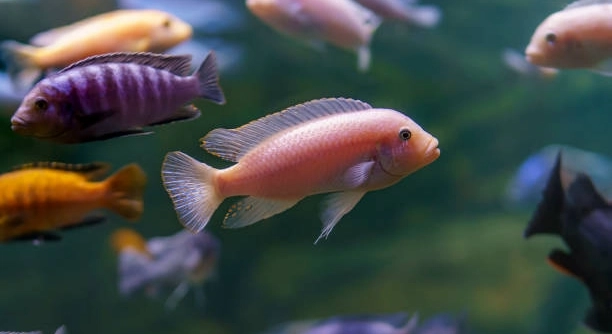
Convict cichlids are popular freshwater fish known for their hardiness and bold personalities. Many aquarium enthusiasts admire their vibrant colors and active behavior, making them a common choice for hobbyists with smaller tanks or limited space.
Convict cichlids can survive in a 10-gallon tank, but their aggressive and territorial nature often leads to stress and conflicts. A larger tank is recommended to provide adequate swimming space and reduce potential aggression among tank mates.
Learning how to properly care for convict cichlids in smaller spaces ensures a healthier, more balanced environment for both the fish and the aquarium ecosystem.
Understanding Convict Cichlid Behavior
Convict cichlids are naturally territorial and can be aggressive, especially in confined spaces like a 10-gallon tank. They often establish dominance quickly, chasing or nipping at other fish. This behavior is more pronounced during breeding, as they fiercely guard their eggs and fry. In smaller tanks, their energy has less space to dissipate, which can increase stress and heighten aggression. Providing hiding spots, like rocks or plants, helps reduce tension but cannot eliminate conflicts entirely. Their constant activity also means the tank needs frequent maintenance, as waste builds up faster in a smaller volume of water. Observing their interactions closely is important to prevent injuries and maintain a balanced environment. Adjusting tank mates and carefully monitoring water quality can help mitigate issues caused by their territorial instincts. Over time, you may notice patterns in their behavior that allow better management of space and interactions.
Smaller tanks limit swimming space, increasing stress. Careful observation and proper tank setup can reduce potential aggression.
Convict cichlids require stimulation and structure to thrive. Adding caves, rocks, and plants creates territories, allowing them to feel secure. Avoid overstocking, as limited space amplifies conflicts and stress. Consistent water quality, along with regular feeding and maintenance, supports their health. While a 10-gallon tank can work temporarily, it is often better suited as a quarantine or breeding setup rather than a permanent home. By providing structure and routine, their behavior can be managed, and their vibrant colors and activity can be appreciated safely. Balancing their needs with space limitations is key for a healthier, calmer aquarium environment.
Tank Setup for a 10-Gallon Convict Cichlid Home
Start with a bare minimum of decorations. Even a few rocks or a small cave can help reduce stress.
A 10-gallon tank is challenging for convict cichlids due to their size and activity. They grow quickly and need room to swim and explore. Overcrowding or lack of hiding spaces can trigger constant aggression, making it hard to maintain harmony. Filtration and water changes must be frequent because waste accumulates rapidly in a small tank. Choosing tank mates is limited, as only very small, fast, and non-territorial fish can coexist, but even then, conflicts are common. If breeding occurs, the small space makes fry protection difficult, increasing the risk of injury or death. Plants can soften aggression and provide cover, but they must be hardy to survive cichlid activity. Temperature, pH, and general water quality must be carefully monitored to prevent stress-related illnesses. While a 10-gallon tank is manageable for a single adult or a small pair temporarily, planning for a larger tank is essential for long-term health and reduced aggression.
Feeding and Diet Considerations
Convict cichlids are omnivores and need a balanced diet. High-quality pellets, flakes, and occasional live or frozen foods provide the nutrients they need. Avoid overfeeding, as leftover food pollutes small tanks quickly and can harm water quality.
Feeding should be consistent, giving them small amounts two to three times daily. They enjoy protein-rich foods like brine shrimp, bloodworms, or daphnia, which support growth and color. Vegetables, such as blanched spinach or zucchini, help maintain digestive health. In a 10-gallon tank, monitoring portions is critical, as excess waste can cause ammonia spikes. A varied diet keeps them active and healthy, ensuring they maintain vibrant colors and energy. Watching how they eat also allows you to spot early signs of illness or stress.
It is important to remove uneaten food promptly to maintain water quality. Convict cichlids can be aggressive during feeding, so distributing food evenly reduces competition. Rotating food types prevents nutritional deficiencies and keeps them engaged. Small tanks require close attention to water parameters, as leftover food decomposes faster. Feeding in different locations of the tank encourages natural foraging behavior and reduces territorial disputes. By managing diet and portions carefully, their health, coloration, and overall well-being can be supported effectively.
Breeding in a 10-Gallon Tank
Convict cichlids breed easily, even in small tanks. They pair up, lay eggs on flat surfaces, and defend their fry aggressively.
Breeding in a 10-gallon tank is possible, but the confined space intensifies territorial behavior. The pair will guard their eggs and fry, often attacking other tank inhabitants. Providing hiding spots, like small caves or rocks, helps fry survive and reduces adult stress. Water quality must be monitored closely, as waste accumulates quickly, and sudden changes can harm eggs or fry. Spawning can occur repeatedly, so preparation for fry care and potential relocation is essential to prevent overcrowding.
Careful management of breeding pairs is required in small tanks. The aggressive nature of convict cichlids during breeding can result in damaged plants or stressed tank mates. A dedicated tank for fry is recommended to improve survival rates and reduce conflict. Removing the adults after eggs hatch may be necessary in some cases, but providing sufficient cover allows natural parental care. Regular monitoring of water quality and tank conditions ensures a safer environment. Even with proper management, small tanks are a temporary solution, and larger tanks are ideal for sustainable breeding and healthy fish development.
Tank Maintenance and Water Quality
Regular water changes are essential in a 10-gallon tank. Small volumes make waste buildup rapid, which can stress convict cichlids and cause health issues if neglected.
Filtration should be efficient but not create strong currents. Frequent testing of ammonia, nitrite, and nitrate levels ensures a stable and safe environment for the fish.
Choosing Tank Mates
Convict cichlids are aggressive and territorial, limiting suitable tank mates. Only very small, fast, or non-aggressive fish may coexist, but conflicts are still likely. Careful observation is required, and separating fish may be necessary to prevent injury.
Decorations and Hiding Spots
Adding rocks, caves, and sturdy plants helps create territories and reduces aggression. Hiding spots give convict cichlids security and allow less dominant fish to escape confrontations.
Monitoring Behavior
Daily observation is important to catch early signs of stress or illness. Changes in color, appetite, or aggression can indicate problems that require immediate attention.
FAQ
Can convict cichlids live long-term in a 10-gallon tank?
Convict cichlids can survive temporarily in a 10-gallon tank, but their aggressive and active nature makes long-term housing difficult. The small space increases stress and territorial disputes, which can affect their health and lifespan. A larger tank is ideal for maintaining a stable and balanced environment.
How many convict cichlids can a 10-gallon tank hold?
A single adult or a carefully selected pair may live in a 10-gallon tank temporarily. Adding more fish often leads to constant aggression, injuries, and stress. Small tank size limits swimming space and territory, so overcrowding should always be avoided.
What should I feed convict cichlids in a small tank?
Convict cichlids thrive on a varied diet that includes high-quality pellets or flakes, supplemented with live or frozen foods such as brine shrimp, bloodworms, or daphnia. Occasional vegetables like zucchini or spinach help digestion. Overfeeding must be avoided to prevent water quality issues.
How often should water be changed in a 10-gallon tank?
Water should be changed at least 25-50% weekly. Small tanks accumulate waste quickly, leading to high ammonia and nitrate levels. Regular testing of water parameters ensures a safe and healthy environment, preventing stress-related diseases.
Can convict cichlids breed in a 10-gallon tank?
Yes, they can breed in a 10-gallon tank. However, their aggressive territorial behavior intensifies in small spaces. Eggs and fry need protection, and parents may attack other fish. Providing hiding spots and monitoring water quality is essential to support successful breeding.
What are the best tank decorations for convict cichlids?
Rocks, caves, and sturdy plants are recommended. They help establish territories, reduce aggression, and provide hiding places for less dominant fish or fry. Decorations should be secure to prevent injury during their active behavior.
How do I reduce aggression in a small tank?
Aggression can be mitigated with hiding spots, territory markers, and careful selection of tank mates. Feeding in different areas of the tank reduces competition. Despite these efforts, a 10-gallon tank is still limiting, and some aggression is unavoidable.
Are there any signs of stress in convict cichlids?
Signs include faded colors, rapid gill movement, loss of appetite, hiding excessively, or constant chasing of tank mates. Observing behavior daily allows early detection and intervention, which is crucial in a small tank where stress accumulates quickly.
Can I keep other fish with convict cichlids in a 10-gallon tank?
Tank mates are limited due to their territorial nature. Only very small, fast, and non-aggressive fish may survive alongside them temporarily. Careful observation is required, and separation may be necessary to prevent injuries.
Is a 10-gallon tank suitable for raising fry?
A 10-gallon tank can be used temporarily for fry, but overcrowding and water quality issues are major risks. Providing hiding spaces and maintaining strict water parameters is crucial. A larger tank is better for long-term growth and survival.
How often should I monitor water parameters?
In a 10-gallon tank, daily observation of ammonia, nitrite, nitrate, and pH levels is recommended. Small tanks experience rapid changes in water chemistry, which can impact health and stress levels significantly.
Do convict cichlids need a specific temperature range?
Yes, maintaining a temperature between 74-80°F supports their health, digestion, and breeding behavior. Sudden temperature fluctuations can stress them, so a stable heater and thermometer are essential in small tanks.
Can plants survive with convict cichlids in a small tank?
Only hardy plants can survive. Convict cichlids dig and may uproot or damage delicate plants. Rocks, driftwood, and artificial decorations are often more practical for reducing aggression and providing structure.
How do I handle water quality problems in a small tank?
Frequent water changes, careful feeding, and proper filtration are key. Avoid overstocking and remove uneaten food promptly. Regular monitoring allows early action to prevent ammonia spikes or other issues.
Are convict cichlids good for beginners with small tanks?
They are hardy, but their aggression and space requirements make them challenging in small tanks. Beginners must monitor behavior, water quality, and tank setup closely to avoid problems. A larger tank is better for learning and maintaining healthy fish.
Can aggression increase during breeding?
Yes, aggression rises significantly when guarding eggs and fry. Adults defend territory intensely, attacking other fish or even each other. Adequate hiding spots, careful monitoring, and separation when necessary are essential for safety in small tanks.
What is the ideal filtration for a 10-gallon convict cichlid tank?
A filter with moderate flow that removes waste efficiently is ideal. Strong currents can stress them, but poor filtration allows ammonia and nitrate to build up. Regular cleaning ensures consistent water quality.
How do I know if a tank is too small for them?
Signs include constant chasing, limited swimming space, high aggression, and rapid water parameter fluctuations. A small tank increases stress and makes long-term care difficult. Observing behavior and health helps identify when upgrading is necessary.
Can I keep a pair of convict cichlids alone in a 10-gallon tank?
A single pair is manageable temporarily. They need hiding spots, frequent water changes, and careful monitoring. Even as a pair, aggression may appear, especially during breeding or territorial disputes, so a larger tank is preferred.
How long do convict cichlids live in small tanks?
With careful care, they can live several years, but stress, aggression, and water quality issues often shorten lifespans. Proper diet, frequent maintenance, and attention to behavior can help improve longevity in a 10-gallon tank.
Is feeding live food necessary?
Live or frozen food is not mandatory but provides protein and encourages natural foraging behavior. Pellets or flakes can sustain them, but variety improves health, coloration, and activity.
Can I decorate the tank with sand or gravel?
Both are suitable. Sand allows digging but can be messy. Gravel is easier to clean but limits digging behavior. Either should be smooth to prevent injury and combined with hiding spots for security.
Do they require special lighting?
Standard aquarium lighting is sufficient. Lighting affects plants and enhances coloration but does not directly influence their health. Avoid intense lights that cause stress in a small tank.
How do I prevent water temperature swings?
A reliable heater and thermometer maintain a stable range. Avoid placing the tank near windows or vents. Sudden drops or rises in temperature stress convict cichlids, especially in smaller volumes of water.
Are there common diseases in small tanks?
Yes, ammonia burns, nitrite poisoning, and stress-related infections are common. Frequent water testing, proper filtration, and prompt treatment prevent serious health issues.
Can I rehome convict cichlids if the tank is too small?
Yes, rehoming is often the best option if a 10-gallon tank is insufficient. Finding a larger tank or another caretaker ensures their well-being and reduces stress and aggression.
How often should I clean decorations?
Decorations should be cleaned during water changes or as needed. Avoid harsh chemicals, and rinse with tank water to prevent disturbing the balance of beneficial bacteria.
Can I keep fry with adults in a 10-gallon tank?
Only temporarily, as adults may attack them once they start swimming. Providing hiding spots improves survival, but a separate tank is better for long-term growth and safety.
Do convict cichlids need a specific pH range?
Yes, a pH of 6.5 to 8.0 is ideal. Small tanks are sensitive to pH fluctuations, which can stress the fish and affect their immune system. Regular testing helps maintain stability.
Can aggressive behavior be completely prevented?
No, aggression is natural. Hiding spots, proper diet, and monitoring reduce intensity but cannot eliminate territorial disputes entirely. Small tanks always carry a higher risk of conflict.
How do I acclimate convict cichlids to a small tank?
Float the bag in the tank to equalize temperature, then gradually mix tank water with the water in the bag. This reduces stress and allows a smoother transition to a smaller environment.
Should I separate males and females?
Separation is not usually necessary unless breeding or aggression becomes extreme. In small tanks, pairing carefully is better than keeping multiple males or multiple females together.
What signs indicate the tank is too stressful?
Faded colors, constant hiding, aggressive chasing, loss of appetite, or lethargy are indicators. Early action, such as adding hiding spots or upgrading the tank, prevents health problems.
Can I use artificial plants instead of live ones?
Yes, artificial plants are more durable in small tanks. They provide cover without being uprooted or damaged, helping reduce stress and territorial disputes.
Do convict cichlids need supplements?
Supplements are not required if they receive a balanced diet with variety. Occasional vitamins or calcium can be helpful but are not essential for health in a well-maintained tank.
Is it better to keep one or two in a 10-gallon tank?
A single adult or a carefully selected pair is manageable. More than that increases aggression and stress, making maintenance and behavior management difficult in limited space.
How often should I observe their behavior?
Daily observation is recommended. Small tanks amplify stress and aggression, and spotting early signs of illness or conflict ensures timely intervention.
Can they live without hiding spots?
Technically, yes, but lack of cover increases stress and aggression. Even a single rock or small cave significantly improves security and reduces conflict.
What is the best water temperature range for breeding?
74-80°F supports egg laying, fry development, and adult health. Maintaining stability is critical, especially in small tanks, to prevent stress or egg loss.
How do I safely remove uneaten food?
Use a small net or siphon to remove leftovers after feeding. Prompt removal prevents decomposition, ammonia spikes, and water quality deterioration, which are critical in a small tank.
Can I use a sponge filter in a 10-gallon tank?
Yes, sponge filters provide gentle filtration and aeration, suitable for small tanks. They reduce stress, maintain water quality, and are safe for fry.
How important is tank location?
Tank placement affects temperature stability and stress. Avoid direct sunlight, heaters, vents, or high-traffic areas. A calm, stable environment supports overall health and reduces aggression.
Are there warning signs of overfeeding?
Cloudy water, leftover food, or increased waste indicate overfeeding. Feeding smaller portions multiple times daily helps maintain water quality and reduces health risks in small tanks.
Can I keep other cichlids with them?
Most cichlids are territorial and aggressive, so mixing species in a 10-gallon tank is not recommended. Conflicts are likely, making separate tanks the safer option.
How do I maintain a clean substrate?
Regular siphoning during water changes removes waste. Gravel vacuums or sand sifters help prevent debris buildup, reducing ammonia and nitrate accumulation in small tanks.
Do they need constant aeration?
Moderate aeration is beneficial but not essential. Convict cichlids tolerate low oxygen levels but maintaining some water movement supports health and reduces stagnation.
How do I prevent tank injuries?
Avoid sharp decorations, ensure rocks and caves are stable, and provide smooth substrates. Monitoring aggression and separating overly aggressive individuals prevents injuries in small tanks.
Can stress affect coloration?
Yes, stressed convict cichlids lose brightness and may appear dull. Stable water parameters, hiding spots, and proper diet help maintain vivid colors.
Are they suitable for a community tank?
In a 10-gallon tank, no. Their aggression makes community setups risky, as even small, fast fish may be chased or injured. Larger tanks allow better compatibility.
How do I know when to upgrade the tank?
Signs include constant aggression, limited swimming space, rapid water parameter changes, or health decline. Observing behavior and environment needs helps determine when a larger tank is necessary.
Can I keep them with invertebrates?
Most invertebrates are at risk of being eaten or stressed. Shrimp or snails may survive temporarily, but small tanks make coexistence challenging.
How do I manage fry population in a 10-gallon tank?
Fry grow quickly and can overcrowd small tanks. Moving them to a separate tank or reducing numbers ensures survival, reduces aggression, and maintains water quality.
Can tank size affect lifespan?
Yes, smaller tanks increase stress and aggression, reducing lifespan. Proper maintenance, diet, and observation improve longevity, but larger tanks provide a safer, healthier environment.
Is it okay to keep only juveniles in a 10-gallon tank?
Juveniles adapt better temporarily, but as they grow, aggression and space needs increase. Upgrading to a larger tank is necessary for adult health and behavior management.
How much light do they need daily?
Standard aquarium lighting for 8-10 hours daily is sufficient. Too much light can stress fish, while too little affects plant growth if live plants are present.
Do they rearrange tank decorations?
Yes, convict cichlids dig and move objects, which can be messy. Secure decorations and use hardy or artificial plants to maintain structure and reduce damage.
What is the minimum tank size for long-term care?
A minimum of 20 gallons is recommended for a single pair to reduce aggression and provide adequate swimming space. Larger tanks improve health, behavior, and breeding success.
Can they live with small schooling fish?
Small schooling fish are often targeted by convict cichlids due to aggression. In a 10-gallon tank, conflicts are likely, so separation is safer for both species.
How do I prevent fungal infections in fry?
Maintain clean water, remove uneaten food, and provide gentle filtration. Stable temperature and clean substrate reduce the risk of fungal growth and increase survival rates.
Can they live without caves?
Caves provide security, reduce stress, and allow territorial behavior. Without them, aggression and hiding issues increase, affecting health and overall well-being.
Are male and female behaviors different?
Males tend to be more territorial and aggressive. Females guard eggs and fry intensely during breeding. Both benefit from hiding spots and structure, especially in small tanks.
Do they need supplements for breeding?
A varied diet with protein-rich foods supports reproductive health. Vitamins or calcium are optional but can improve egg quality and fry development.
Can I keep more than one pair in a 10-gallon tank?
No, multiple pairs increase aggression, territorial disputes, and stress. Limited space is insufficient for safe coexistence of more than a single pair.
How do I safely remove fry from adults?
Use a small net or move them to a separate tank with hiding spots. Ensure water parameters match to reduce stress and prevent shock.
Are convict cichlids messy eaters?
Yes, they often scatter food and stir the substrate. Regular cleaning and careful feeding help maintain water quality in small tanks.
Do they require seasonal changes in water temperature?
No, a stable temperature year-round is best. Sudden fluctuations stress fish and reduce breeding success in a 10-gallon tank.
How do I know if aggression is normal or extreme?
Chasing, nipping, or guarding territory is normal. Constant injury, lethargy, or hiding of tank mates indicates extreme aggression requiring intervention or tank modification.
Can I keep them in a filtered unheated tank?
Filtration is essential, but heating is recommended to maintain stable temperature. Unheated tanks risk fluctuations, especially in small volumes, which stress the fish.
How do I maintain stable pH in a small tank?
Regular water changes, buffering substrates, and monitoring tap water help maintain pH. Small tanks are sensitive to fluctuations, which can affect health and behavior.
Are there any signs of poor diet?
Dull color, slow growth, lethargy, or poor appetite indicate nutritional deficiencies. Adjusting diet and offering variety supports health and vigor in small tanks.
How much space do fry need to grow?
Fry need room to swim freely and forage. In a 10-gallon tank, overcrowding occurs quickly, so separating or relocating them ensures healthy growth and reduces aggression.
Can they recognize their owners?
Yes, convict cichlids may respond to movement or feeding routines. Recognition is based on consistency and daily observation, not social bonding.
Do they enjoy enrichment activities?
Yes, rearranging decorations, adding hiding spots, or varying feeding locations stimulates natural behavior and reduces boredom. Enrichment improves overall well-being, even in small tanks.
What is the best way to acclimate fry to new tanks?
Float the container to equalize temperature, gradually add tank water, and monitor closely. This reduces stress and improves survival during transfer.
Can water hardness affect them?
Yes, they tolerate a wide range, but extremely soft or hard water can cause stress or impact breeding. Moderate hardness supports health and egg development.
How often should I clean the filter?
Clean sponge or mechanical parts every few weeks. Avoid complete replacement to preserve beneficial bacteria. In small tanks, regular maintenance prevents water quality issues.
Do they need a varied diet for color enhancement?
Yes, protein-rich foods and occasional vegetables enhance color. A balanced diet supports overall health, energy, and vibrant coloration in both adults and fry.
Can I use tap water directly?
Tap water must be treated to remove chlorine and chloramines. Conditioners make it safe for convict cichlids. Untreated water can cause stress, gill damage, or death.
How do I handle aggressive pairs?
Provide extra hiding spots, observe behavior, and separate if injuries occur. In small tanks, managing aggression is challenging, and sometimes a larger tank is the only solution.
Can they coexist with shrimp?
Most shrimp are at risk of being eaten. In a 10-gallon tank, coexistence is risky unless the shrimp are large, fast, and have plenty of hiding spots.
Are convict cichlids hardy in small tanks?
They are hardy but sensitive to stress, overcrowding, and poor water quality. Careful management, diet, and monitoring are necessary to maintain health in limited space.
Do they need current in the tank?
Moderate water flow is sufficient. Strong currents can stress them, while stagnant water reduces oxygen and water quality, especially in small tanks.
Can juvenile behavior predict adult aggression?
Yes, juveniles that are overly territorial or nippy often continue this behavior as adults. Early observation helps plan tank setup and management.
**Is gravel or sand
Convict cichlids are strong, active, and bold fish that can adapt to many tank conditions, but small tanks like a 10-gallon setup create unique challenges. Their territorial nature becomes more pronounced in limited space, which can lead to stress and conflicts between fish. Even a single pair may display frequent aggression if the tank lacks proper hiding spots or enough territory for both to feel secure. Small tanks also make it difficult to maintain water quality, as waste and uneaten food accumulate quickly. Filtration and frequent water changes are critical to keep ammonia, nitrite, and nitrate levels within safe ranges. Without consistent care, convict cichlids in small tanks may experience health problems, reduced color vibrancy, and shorter lifespans.
Feeding convict cichlids in a 10-gallon tank requires careful portion control and a varied diet. High-quality pellets or flakes form the base of their nutrition, while occasional live or frozen foods like brine shrimp or bloodworms provide essential protein. Blanched vegetables such as zucchini or spinach can help support digestive health. Overfeeding is a common issue in small tanks, as leftover food quickly decomposes and can harm water quality. Observing their eating habits allows early detection of stress or illness, as changes in appetite often indicate underlying problems. Providing food in multiple areas of the tank helps reduce competition and aggression during feeding times. Maintaining a balanced diet alongside proper water management is crucial to ensure convict cichlids remain healthy and active, even in confined spaces.
Breeding convict cichlids in a 10-gallon tank is possible but comes with added considerations. Their aggressive behavior intensifies during egg guarding, which can place additional stress on both adults and tank mates. Providing small caves or rocks as hiding spots allows fry to survive and gives adults territory to defend, but the small space limits how much protection can be offered. Parents may need to be separated from the fry if aggression becomes extreme, and water quality must be monitored closely, as rapid changes can negatively impact eggs or young fish. While a 10-gallon tank can serve as a temporary breeding or quarantine space, long-term care, growth, and well-being are better supported in a larger environment. Proper maintenance, careful observation, and attention to diet and water conditions allow convict cichlids to live healthier, more balanced lives, even in a limited space.

Hello,
If you enjoy the content that we create, please consider saying a "Thank You!" by leaving a tip.
Every little bit helps us continue crafting quality advice that supports the health, happiness, and well-being of pets around the world, for pets of all shapes, sizes, and species.
We really appreciate the kindness and support that you show us!