
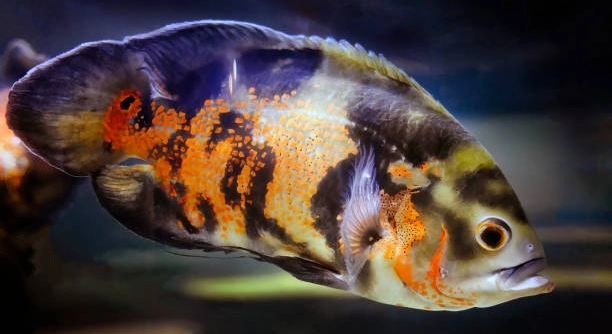
Convict cichlids are popular freshwater fish known for their striking black-and-white stripes and lively personalities. Many aquarists enjoy keeping them for their hardiness and ease of care. Their adaptability makes them a favorite in home aquariums.
Convict cichlids are tropical fish that thrive in water temperatures between 74°F and 82°F. While they can survive in slightly cooler conditions, prolonged exposure to cold water can cause stress, reduce immunity, and negatively affect growth and breeding.
Understanding the temperature needs of convict cichlids will help maintain their health and ensure a vibrant, active aquarium environment for years to come.
Understanding Cold Water Effects on Convict Cichlids
Convict cichlids are naturally tropical, so their bodies are built to function in warmer water. When temperatures drop below their preferred range, their metabolism slows, making them less active and reducing appetite. Prolonged cold can weaken their immune system, making them more susceptible to disease. Behavioral changes are common, such as hiding more often or becoming less aggressive during feeding. Breeding is also affected, as cold water can prevent spawning and reduce egg viability. Sudden temperature changes are particularly stressful and can lead to shock or even death. Maintaining consistent warmth is crucial for keeping them healthy, and using a reliable aquarium heater helps mimic their natural environment. Even minor fluctuations can cause subtle stress, impacting growth and coloration over time. Observing their behavior closely allows you to respond quickly if signs of stress appear. Overall, consistent warmth supports activity, feeding, and overall well-being, ensuring convict cichlids thrive.
Cold water slows activity, reduces feeding, and increases vulnerability to illness. Their health depends on maintaining stable, appropriate temperatures for their natural needs.
Proper temperature management ensures your convict cichlids remain lively and healthy. With stable warmth, they grow well, maintain bright coloration, and breed successfully. Observing their reactions to temperature changes helps prevent stress-related issues. Consistent care allows them to exhibit natural behaviors, creating a balanced and visually appealing aquarium environment. By providing conditions close to their native habitat, you encourage active swimming, proper digestion, and overall vitality. Even small adjustments in water temperature can have noticeable effects on behavior and immunity. Maintaining a thermometer and monitoring water conditions regularly ensures early detection of potential problems. This attention to detail minimizes risks associated with temperature fluctuations. Healthy water conditions also promote proper social interactions among convict cichlids, reducing conflicts and supporting a stable tank community. Ultimately, careful temperature management leads to a more vibrant, resilient, and thriving aquarium population.
Tips for Maintaining Optimal Temperature
Using a heater with a thermostat ensures the water stays within the safe range for convict cichlids. Small fluctuations can be managed with insulation or placing the tank away from cold drafts.
Selecting the right heater and monitoring it closely are essential steps. Heaters should match the tank size and be tested regularly for accuracy. Combining a thermometer with daily checks gives a clear view of water conditions, allowing prompt adjustments. Avoid placing tanks near windows or vents, as sudden changes in room temperature can affect stability. Partial water changes should use preheated water to prevent temperature shocks. Creating a consistent environment supports feeding, activity, and breeding. Even small additions of cold water during cleaning can affect the fish, so gradual temperature adjustments are safer. Over time, maintaining a stable temperature reduces stress-related illnesses, supports immune function, and enhances coloration. A well-managed aquarium fosters natural behaviors, ensuring convict cichlids feel secure and comfortable. Consistent conditions contribute to a healthy, thriving tank that showcases their lively personalities.
Signs Your Convict Cichlids Are Too Cold
Lethargy is one of the first signs of cold stress. Fish may hide more, swim sluggishly, or ignore food. Faded colors and reduced aggression during normal interactions also indicate they are uncomfortable with the water temperature.
When convict cichlids experience prolonged cold, their metabolism slows, causing them to eat less and digest food poorly. They may spend long periods at the bottom of the tank or cluster near heaters, trying to find warmth. Immune function drops, making them prone to infections or fungal growth. Behavioral changes such as reduced territory defense or decreased spawning are common. Close observation helps catch these early signs before serious health problems develop.
Cold water can also affect breeding success. Eggs may not develop properly, and fry survival drops. Even adult fish may become irritable or stressed, showing unusual patterns like frequent hiding or listless swimming. Maintaining a stable, warm environment is crucial to prevent these issues. Temperature management supports proper feeding, natural behavior, and overall vitality, keeping convict cichlids healthy and active in the long term.
Maintaining a Healthy Tank Environment
Consistent water temperature is essential, but other factors also contribute to stress. Filtration, pH, and clean water all support overall health. Regular checks reduce the risk of compounded problems.
A healthy tank combines stable warmth with good water quality and proper filtration. Regular water changes prevent the buildup of harmful compounds, while monitoring pH ensures it stays in a comfortable range for convict cichlids. Proper aeration supports oxygen levels, which becomes more critical if temperatures fluctuate. Keeping the tank clean reduces stress from parasites or debris, allowing fish to maintain normal behavior. Balanced nutrition complements environmental care, supporting immune function and growth. Observing fish daily helps identify any unusual patterns early. With consistent attention to all these factors, convict cichlids thrive in a safe, stable habitat.
Adjusting Tank Temperature Gradually
Rapid temperature changes are dangerous for convict cichlids. Increasing or decreasing water too quickly can cause shock. Use a heater with a thermostat and make small adjustments over several hours to maintain stability.
Adding preheated water during changes helps avoid sudden drops. Even small temperature shifts can stress fish, so patience is important. Monitoring with a reliable thermometer ensures the tank stays within a safe range, protecting the health and behavior of your convict cichlids.
Ideal Temperature Range
Convict cichlids thrive best between 74°F and 82°F. Staying within this range supports metabolism, immunity, and normal behavior. Temperatures consistently below 70°F can slow growth, reduce appetite, and increase disease risk. Maintaining stable warmth allows them to remain active, feed properly, and display natural behaviors such as breeding and territorial defense.
Winter Care Tips
Avoid placing tanks near windows or vents where cold drafts occur. Insulating the tank can help maintain consistent warmth.
FAQ
Can convict cichlids survive in cold water?
Convict cichlids can survive short periods in cooler water, but long-term exposure below 70°F is harmful. Cold water slows metabolism, reduces appetite, and weakens the immune system. Fish may become lethargic, hide more often, and fail to grow or breed properly. Keeping them in stable, warm conditions is essential for health and vitality.
What is the minimum temperature convict cichlids can tolerate?
The minimum temperature they can tolerate without severe stress is around 70°F. Temperatures below this level for extended periods increase risk of disease, stunted growth, and behavioral changes. Even if they survive, long-term cold can shorten their lifespan and reduce overall activity.
Can I use a regular heater for their tank?
Yes, a standard aquarium heater works, but it must match the tank size. Heaters with built-in thermostats are ideal because they prevent sudden fluctuations. Always check the water temperature with a thermometer to ensure accuracy. Proper placement and regular monitoring maintain a stable environment for your fish.
How quickly should I adjust water temperature?
Adjust water temperature gradually, no more than 1–2°F per hour. Rapid changes can shock convict cichlids, causing stress, illness, or even death. During water changes, preheat replacement water to match tank conditions. Patience is crucial, as small adjustments prevent sudden stress.
What are signs of cold stress in convict cichlids?
Signs include sluggish swimming, hiding, loss of appetite, faded coloration, and reduced aggression. Fish may cluster near heaters or at the tank bottom. Breeding may stop, and fry survival drops. Observing behavior daily helps detect stress early and allows prompt correction of temperature or environmental issues.
Do cold temperatures affect breeding?
Yes, breeding is strongly affected by cold water. Eggs may fail to develop, and fry may not survive. Even adults may stop showing mating behavior or guarding eggs. Maintaining consistent warmth encourages spawning and ensures healthy development of eggs and fry.
Is it safe to mix cold and warm water fish with convict cichlids?
Mixing species with different temperature needs is risky. Cold-water fish may tolerate lower temperatures, but convict cichlids require warmth to remain healthy. Combining them can compromise the health of one or both species, making temperature management difficult. Keeping similar-temperature fish together ensures stability.
Can tank size affect temperature stability?
Yes, larger tanks retain heat better and resist rapid fluctuations, while smaller tanks are more sensitive. Proper insulation and a correctly sized heater help maintain consistent warmth. Frequent monitoring is especially important in small tanks to prevent sudden drops that stress convict cichlids.
How often should I monitor tank temperature?
Daily checks are recommended. Even minor fluctuations can stress fish. Use a reliable thermometer and record readings if needed. Consistent observation allows quick action to adjust heaters or placement, ensuring convict cichlids remain in their ideal temperature range.
Are there long-term effects of keeping convict cichlids in slightly cooler water?
Even slightly cooler water slows metabolism, reduces growth, and can lower immunity over time. Fish may appear less active and show duller colors. Breeding success declines, and disease susceptibility increases. Maintaining temperatures within the 74–82°F range ensures long-term health and a vibrant, active aquarium.
Can winter room temperatures affect them?
Yes, drafts or cold rooms can lower tank water, stressing the fish. Tanks near windows, vents, or exterior walls are more prone to temperature drops. Using insulation or moving the tank to a warmer spot helps maintain stability and prevents stress-related health issues.
Is it necessary to use a thermometer even with a heater?
Absolutely. Heaters can malfunction or drift over time. A thermometer ensures accurate monitoring, helping you detect issues before they affect the fish. Consistent readings give confidence that the water stays within the optimal range, supporting health and natural behavior.
What should I do if the water gets too cold accidentally?
Gradually raise the temperature using a heater or preheated water. Avoid rapid changes. Observe the fish for stress signs such as lethargy or hiding. If needed, isolate vulnerable fish or provide supplemental warmth until the tank stabilizes. Quick action prevents illness and supports recovery.
Can diet help fish cope with cooler temperatures?
Diet cannot replace the need for proper warmth. However, high-quality food supports immune function, making fish more resilient to minor stress. Feed smaller, frequent portions if activity decreases, as slower metabolism reduces appetite and digestion efficiency. Nutrition complements temperature management for overall health.
Is it better to maintain the higher end of their temperature range?
Maintaining 78–82°F promotes activity, feeding, and breeding. Staying near the upper range supports metabolism, immune response, and coloration. Avoid overheating, as temperatures above 84°F can cause stress. Consistency is more important than maximum temperature, ensuring convict cichlids thrive naturally.
How does cold affect fish behavior?
Cold slows movement and reduces aggression. Territorial behaviors may diminish, and fish spend more time hiding. Feeding response drops, and interaction between tank mates declines. Behavioral changes are early indicators of stress and should prompt adjustments to restore warmth and stability.
Can I rely on room heaters to keep the tank warm?
Room heaters may help slightly, but they are not reliable for consistent aquarium warmth. Water temperature can lag or fluctuate unpredictably. A dedicated aquarium heater with a thermostat is essential for stable conditions, protecting convict cichlids from stress and illness.
What precautions should I take during water changes in winter?
Use preheated water to match tank temperature. Add it gradually to avoid sudden drops. Monitor the tank thermometer throughout the process. Gradual adjustments prevent shock and stress, keeping convict cichlids healthy and active even during routine maintenance.
Can I use temperature controllers or smart plugs for stability?
Yes, temperature controllers provide an extra layer of safety, automatically adjusting heaters or alerting you to fluctuations. Smart devices can maintain consistent warmth, reduce risk of sudden cold exposure, and protect the long-term health of your convict cichlids.
How long can fish recover from temporary cold exposure?
Recovery depends on duration and severity. Short exposure may require a few days in stable warmth, while prolonged cold can cause lasting immune suppression. Monitor behavior, appetite, and appearance to ensure full recovery and prevent secondary illness.
Are there signs of permanent damage from cold?
Permanent effects can include stunted growth, weak immune response, and reduced breeding ability. Chronic exposure to suboptimal temperatures may dull coloration and alter behavior. Preventing cold stress is far more effective than attempting recovery after long-term exposure.
Does tank decor or substrate affect temperature management?
Yes, thick substrate and plants can slightly insulate water, slowing temperature drops. Decorations near heaters help circulate warm water. Proper placement ensures even heating and reduces cold spots, contributing to a stable environment for convict cichlids.
What should I prioritize for a cold winter month?
Focus on stable water temperature, regular monitoring, and gradual adjustments during water changes. Ensure the heater is functioning properly and check insulation or placement. Consistency supports metabolism, behavior, and immunity, preventing stress and promoting overall health.
How do I balance temperature with water quality?
Temperature alone is not enough. Regular water changes, filtration, and pH monitoring are essential. Cold water can slow filtration efficiency, so maintain consistent cleaning schedules. Healthy water combined with proper warmth ensures convict cichlids remain active, disease-free, and thriving.
Can juvenile convict cichlids handle cooler water better than adults?
Juveniles are more sensitive due to developing immune systems and faster metabolism. Even short cold exposure can stunt growth or cause illness. Adults tolerate minor fluctuations slightly better, but stability is crucial for all ages to ensure proper development, feeding, and overall vitality.
Are there natural indicators in fish behavior for temperature stress?
Yes, lethargy, reduced feeding, faded coloration, hiding, and clustering near heaters are common indicators. Watching daily behavior provides early warning signs, allowing timely adjustments to temperature or tank conditions to prevent long-term health issues.
Can I mix heater types for better stability?
Using multiple heaters can improve distribution in larger tanks, but all must be rated for the tank size and monitored with a thermometer. Proper placement prevents hot or cold spots, ensuring uniform temperature and reducing stress across all convict cichlids.
Is it safe to lower temperature slightly at night?
A minor drop of 1–2°F overnight is generally safe if gradual, but avoid large fluctuations. Stability matters more than absolute warmth. Sudden nighttime cooling can shock fish, so monitor closely and adjust heater settings if needed.
Can cold water affect coloration?
Yes, cooler temperatures can dull black-and-white stripes and reduce vibrancy. Metabolism and activity slow, impacting overall appearance. Maintaining consistent warmth helps convict cichlids keep their natural coloration and look lively in the tank.
What is the best way to acclimate convict cichlids to a new tank in winter?
Gradually match water temperatures during transfer. Use a quarantine container if needed, allowing fish to adjust slowly. Monitor behavior and feeding closely for the first days. Slow acclimation prevents stress, reduces risk of illness, and ensures the fish adapt to their new environment safely.
How often should I replace or check the heater?
Check functionality regularly, especially before winter. Replace any malfunctioning heater promptly. Heaters can drift over time, so consistent monitoring and testing ensure stable conditions, protecting convict cichlids from temperature-related stress or disease.
Can cold stress cause disease outbreaks?
Yes, weakened immunity from cold makes convict cichlids more vulnerable to bacterial, fungal, or parasitic infections. Maintaining stable warmth and clean water reduces disease risk and supports long-term health and activity.
Are there specific thermometer types recommended?
Digital thermometers with probes provide precise readings. Floating or stick-on thermometers may be less accurate. Accurate monitoring is essential for detecting fluctuations, ensuring stable conditions, and protecting the health of convict cichlids throughout the year.
Can I combine temperature management with automated feeding?
Yes, automated feeders complement temperature stability. Cold stress may reduce appetite, so small, frequent feedings are ideal. Feeding should align with activity levels to prevent overfeeding or water quality issues, supporting metabolism and overall health in colder months.
Is constant observation necessary during seasonal changes?
Yes, seasonal changes can affect room temperature and indirectly impact the tank. Daily checks allow early intervention if fluctuations occur. Combining observation with a reliable heater, thermometer, and insulation ensures convict cichlids remain healthy and active despite environmental changes.
Do all convict cichlids respond the same to cold?
Responses vary slightly with age, health, and individual temperament. Some may tolerate minor drops better, while others show stress signs quickly. Observing each fish helps adjust care individually and maintain overall tank stability.
Can cold affect aggression in tanks with multiple cichlids?
Yes, cold water often reduces territorial behavior. Fish may hide rather than compete, leading to less interaction. While aggression may decrease, overall stress remains, so maintaining proper warmth is essential for natural behavior and social structure in the aquarium.
Should I reduce feeding in cooler water?
Yes, slower metabolism reduces appetite. Feed smaller amounts more frequently to prevent uneaten food from decaying. Adequate nutrition supports immunity, growth, and recovery from minor stress, complementing stable temperature management for convict cichlids.
Are there signs that recovery from cold is complete?
Normal swimming, regular feeding, bright coloration, and resumed territorial or breeding behavior indicate recovery. Continued observation ensures fish remain healthy and that water conditions support ongoing well-being.
Can stress from cold cause long-term behavior changes?
Chronic cold stress can lead to lasting lethargy, hiding tendencies, and reduced aggression. Maintaining consistent warmth prevents permanent changes, allowing convict cichlids to exhibit normal activity, feeding, and social interactions.
Do I need to change filtration with temperature changes?
Filtration may work slower in colder water. Regular maintenance ensures efficient waste removal and oxygenation. Proper filtration combined with stable warmth maintains a healthy tank environment, preventing compounded stress from both cold and poor water quality.
Is it better to insulate the tank or rely solely on the heater?
Both are important. Heaters provide warmth, while insulation prevents heat loss and reduces fluctuations. Combining these strategies ensures consistent conditions, protecting convict cichlids from stress and supporting overall health and activity.
How long can fish tolerate minor temperature fluctuations?
Minor, gradual fluctuations of 1–2°F are generally safe, but larger or rapid changes cause stress. Even small repeated shifts can impact metabolism, immunity, and behavior. Consistency is more important than brief extremes for long-term health.
Are there alternative heating methods besides electric heaters?
Electric heaters are most reliable, but supplemental options like heating mats or heat lamps exist for small tanks. Any method should be carefully monitored with a thermometer to ensure stable temperatures and prevent overheating or cold spots.
Can cold stress trigger aggressive outbreaks in some cases?
While cold usually reduces aggression, stressed fish may occasionally react unpredictably. Uneven temperatures or weak individuals may provoke conflicts. Maintaining uniform warmth minimizes stress and helps keep social interactions normal within the tank.
Should I adjust lighting with temperature changes?
Lighting can slightly influence water temperature, but major effects come from room temperature. Consistent lighting supports natural behaviors and feeding schedules, complementing temperature management to maintain a healthy environment.
Does colder water require more frequent observation of fish health?
Yes, colder water slows metabolism and may mask early illness signs. Regular checks of appetite, coloration, swimming patterns, and interactions ensure prompt intervention if problems arise. Early detection prevents stress from escalating into serious disease.
Is acclimation slower in winter months?
Yes, colder ambient temperatures can slow the acclimation process. Gradual adjustments and close monitoring help convict cichlids adapt safely, minimizing stress and ensuring proper feeding, activity, and immunity during seasonal changes.
Can cold water affect fry differently than adults?
Fry are extremely sensitive to low temperatures. Growth slows, survival drops, and susceptibility to disease increases. Maintaining stable warmth is critical for successful development, feeding, and long-term health of young convict cichlids.
Are there tools to automate temperature stability?
Yes, thermostats, controllers, and smart heaters help maintain a consistent range. Automated systems reduce human error, prevent sudden drops, and protect the long-term health of convict cichlids, especially during extended absences or seasonal changes.
Can stress from cold water affect coloration permanently?
Extended cold exposure may dull stripes and reduce vibrancy. Consistent warmth helps restore natural coloration, but prolonged stress can lead to long-term changes, emphasizing the importance of stable temperature management.
What should I prioritize if multiple stressors exist?
Temperature takes priority, followed by water quality, nutrition, and tank maintenance. Cold stress amplifies vulnerability to disease, poor feeding, and behavioral issues. Addressing the primary factor first ensures overall health and minimizes compounded problems for convict cichlids.
How can I tell if my heater is failing?
Check for sudden temperature drops or inconsistent readings. Fish behavior may also indicate issues—lethargy or clustering near one area signals uneven heating. Regular testing and maintenance prevent prolonged exposure to unsafe conditions.
Is water circulation important for temperature distribution?
Yes, proper circulation spreads warmth evenly, preventing cold spots. Filters, powerheads, or strategically placed decorations help maintain uniform temperature, ensuring all convict cichlids benefit from stable conditions.
Do plants and decorations help or hinder temperature stability?
They can insulate slightly but may also create areas where cold water collects. Strategic placement helps distribute heat and reduces temperature extremes, supporting stable conditions for convict cichlids throughout the tank.
Can I keep other tropical species with convict cichlids in slightly cooler water?
Only if other species tolerate similar temperature ranges. Mixing fish with different needs can compromise health, feeding, and behavior. Ensuring compatible species simplifies temperature management and maintains a stable, healthy tank environment.
Does colder water impact waste breakdown?
Yes, beneficial bacteria work slower in cooler water. Regular monitoring and partial water changes prevent buildup of harmful compounds, supporting healthy metabolism and immunity for convict cichlids.
Is it necessary to adjust feeding schedules in winter?
Yes, slower metabolism means smaller, more frequent feedings. Overfeeding can harm water quality, while underfeeding can stress fish. Adjusting portions and timing helps maintain health and energy levels in cooler conditions.
How do I know when the tank is properly stabilized?
Consistent thermometer readings, normal feeding, bright coloration, and active behavior indicate stable conditions. Daily observation ensures any minor fluctuations are corrected before causing stress or health issues.
Can stress from cold water be cumulative?
Yes, repeated minor stress events weaken immunity, reduce growth, and affect behavior. Maintaining a consistent, warm environment prevents cumulative effects and supports long-term health for convict cichlids.
Is it better to maintain slightly warmer water than slightly cooler?
Yes, staying near the upper end of the safe range supports metabolism, immunity, and breeding. Slight warmth is safer than low temperatures, which increase stress and health risks. Stability remains the most important factor.
Can cold stress affect social hierarchy in tanks?
Yes, reduced activity and hiding can alter territorial interactions. Some fish may dominate, while others retreat more than usual. Maintaining proper warmth ensures normal social behavior and reduces unnecessary stress.
Should I quarantine new fish in winter differently?
Quarantine procedures remain the same, but ensure the quarantine tank maintains stable warmth. Gradual acclimation to both quarantine and main tank temperatures prevents stress, illness, and mortality in new convict cichlids.
Can using a backup heater prevent emergencies?
Yes, a secondary heater provides security if the primary fails. Always monitor both heaters and use a thermometer to ensure consistent, safe temperatures, especially during cold months or extended absences.
Does colder water affect oxygen levels?
Cold water holds slightly more oxygen, but slower fish metabolism means they consume less. Proper aeration and circulation remain essential to prevent localized oxygen depletion, especially in densely stocked tanks.
Are there temperature ranges that reduce aggression?
Slightly cooler temperatures can reduce territorial behavior, but excessive cold stresses fish. Maintaining warmth within their optimal range supports normal aggression and social interactions while keeping stress low.
Is monitoring behavior more important than exact temperature?
Both matter. Temperature is the primary factor, but observing behavior provides immediate feedback on fish comfort and health. Lethargy, hiding, or feeding changes signal adjustments may be necessary.
Can stress from cold water affect reproduction long-term?
Yes, prolonged cold stress reduces fertility, egg viability, and fry survival. Even adults may stop displaying mating behaviors. Consistent warmth ensures healthy reproduction cycles and long-term population maintenance in the tank.
How do I balance seasonal temperature changes with stable conditions?
Use heaters, insulation, and gradual adjustments during water changes. Avoid placing tanks near drafts or heat sources. Consistent monitoring ensures convict cichlids remain within their ideal temperature range despite seasonal shifts.
**Is it possible
Final Thoughts
Maintaining the proper temperature for convict cichlids is essential for their health and well-being. These fish are naturally tropical, so they thrive in warmer water between 74°F and 82°F. Water that is too cold can slow their metabolism, reduce activity, and weaken their immune system. Over time, exposure to low temperatures may lead to stunted growth, poor coloration, and even illness. It is important to recognize that convict cichlids may survive in cooler water temporarily, but long-term exposure can cause serious health issues. A stable and warm environment supports natural behavior, feeding, and breeding, ensuring that the fish remain active and lively in the aquarium.
Using a reliable heater with a thermostat is the most effective way to maintain consistent water temperature. Gradual adjustments during water changes or seasonal temperature shifts prevent shock and stress. Even small fluctuations can affect convict cichlids, so daily monitoring with a thermometer is recommended. Tank placement is also important, as exposure to cold drafts from windows or vents can lower water temperature unexpectedly. Insulating the tank or moving it to a warmer area can help maintain stability. In addition to temperature, overall tank care is crucial. Regular water changes, proper filtration, and monitoring pH levels work together with warmth to create an environment where convict cichlids can thrive.
Observing the behavior of convict cichlids is an effective way to gauge their comfort in the tank. Signs of cold stress include lethargy, hiding, faded colors, and reduced aggression. Breeding may also slow or stop if the water is too cold. Paying attention to these signals allows for timely adjustments in temperature and environment. Providing consistent warmth, clean water, and balanced nutrition supports their metabolism and immune system, helping them recover quickly if minor stress occurs. Overall, keeping convict cichlids in conditions close to their natural habitat ensures they remain healthy, active, and visually vibrant. With careful attention to temperature management and tank care, these fish can live a long, stable, and thriving life in your aquarium.

Hello,
If you enjoy the content that we create, please consider saying a "Thank You!" by leaving a tip.
Every little bit helps us continue crafting quality advice that supports the health, happiness, and well-being of pets around the world, for pets of all shapes, sizes, and species.
We really appreciate the kindness and support that you show us!