
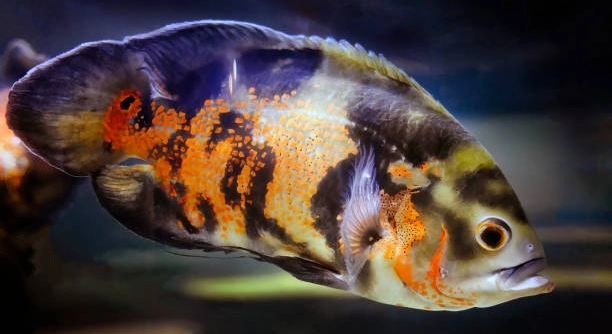
Many aquarium owners enjoy observing the behavior of their fish and often notice unique patterns in how they move and interact. Convict cichlids are no exception, showing particular preferences within their tank environment.
Convict cichlids often display favorite spots in their tanks, typically areas that offer shelter, territory, or a comfortable resting place. These preferences are influenced by security, social dynamics, and environmental conditions within the aquarium.
Understanding why these spots matter can improve tank setup, fish well-being, and overall harmony in your aquatic environment.
How Convict Cichlids Choose Their Spots
Convict cichlids tend to select spots that feel safe and give them a sense of control over their surroundings. Rocks, caves, and decorations often become preferred areas because they offer shelter and a clear view of the tank. These fish are naturally territorial, so having a consistent area helps them feel secure. Observing your cichlids over time reveals patterns in their swimming and resting habits. They may favor a corner or a specific hiding spot for long periods, especially during stressful times like tank cleaning or when new fish are introduced. Temperature, light, and current also affect their choices, as convicts prefer areas that match their comfort needs. Repeatedly noticing them in the same spot is normal behavior and indicates they are settling well. Paying attention to these preferences allows you to adjust tank arrangements to support their comfort and reduce aggressive behavior, making care easier for both you and the fish.
Favorite spots usually involve sheltered areas that offer both safety and control over the surroundings.
Convict cichlids’ spot preferences are linked to their natural instincts. In the wild, they seek places that protect them from predators while allowing them to guard eggs or young. Even in home tanks, they continue this behavior, selecting areas that reduce stress and let them monitor their environment. Recognizing these preferences can help prevent fights, especially in community tanks, and makes feeding and observation easier. Adjusting decorations, providing multiple hiding spaces, and ensuring consistent water conditions can encourage healthy habits. Over time, you may notice certain fish defending a favored area or spending most of their day in a single location. Understanding their choices gives insight into their comfort levels and overall well-being. Spot selection is an important part of their daily activity, reflecting both instinct and adaptation to the tank setup. Observing these patterns helps create an environment that meets their needs naturally.
Signs Your Cichlid Has a Favorite Spot
You can often tell a convict cichlid’s preferred area by where it rests or spends the most time.
Fish repeatedly return to the same spot for protection or observation. They may interact with their surroundings differently, inspecting nearby rocks or rearranging substrate. Consistent presence in one area shows comfort and a sense of territory. This behavior becomes more apparent during feeding, breeding, or when the tank experiences changes, like new lighting or decorations. By noting these favorite areas, you can ensure that each fish has enough space to reduce stress. Providing multiple options prevents conflicts while supporting natural behaviors, allowing cichlids to thrive in a balanced environment. Watching closely can reveal subtle preferences, such as a favored hiding spot near a filter or under a plant. Understanding these choices helps guide tank layout, making care and observation more effective.
Spot preference reflects both safety needs and social behavior. Convict cichlids choose locations that offer concealment, clear sightlines, and protection from perceived threats. These areas help establish territories, which reduces disputes and stress among tankmates. The preferred spot often becomes a hub of activity, where the fish feed, rest, and monitor the environment. Providing adequate hiding spaces and multiple areas for selection encourages natural behaviors and minimizes aggression. Observing and respecting these choices supports overall fish health, as it ensures comfort, reduces stress, and promotes consistent eating and breeding habits. Adjustments in tank setup can reinforce these preferences, creating a harmonious environment that meets both individual and social needs. Understanding these behaviors allows you to manage space effectively, giving each convict cichlid the opportunity to claim a spot where it feels secure and content, ultimately supporting long-term well-being in the aquarium.
Setting Up Comfortable Spots
Providing multiple hiding places reduces stress and prevents fights. Rocks, caves, and plants help cichlids feel safe while giving them areas to explore. Proper spacing between decorations ensures fish can claim territory without constant confrontation.
Spot placement affects fish behavior significantly. Convict cichlids prefer areas with stable water flow and gentle lighting. Sheltered corners allow them to rest and observe without feeling threatened. Adding substrate variations and small caves mimics their natural habitat, encouraging natural exploration. Overcrowding the tank or placing decorations too close can lead to aggression and stress, making it harder for each fish to feel secure. Observing their movement helps identify where they feel most comfortable, guiding future adjustments in tank layout. Ensuring water conditions remain consistent in these spots is also crucial, as sudden changes can make even the safest area uncomfortable, impacting feeding and social behavior.
Regular observation helps refine tank arrangements. By noting which spots are used most, you can rearrange or add structures to improve comfort. Convict cichlids may change their favorite areas over time, responding to new fish or environmental changes. Adjusting décor allows them to claim safe zones and reduces stress-induced aggression. Creating multiple options ensures dominant fish do not monopolize one area, allowing all tankmates to feel secure. Maintaining consistency in lighting, temperature, and water quality around these spots further encourages healthy behavior. Watching closely over days and weeks provides insight into evolving preferences, helping maintain harmony and supporting long-term well-being for each fish.
Observing Fish Behavior
Changes in movement and rest patterns indicate spot preference. Frequent visits to one area show comfort and territory establishment.
Convict cichlids interact differently with favored spots. They may dig, move substrate, or guard nearby areas, signaling that the spot holds importance. Watching how fish approach, retreat, or defend these spaces provides clues about their stress levels and social hierarchy. Even small details, like circling a rock or lingering under a plant, reveal attachment to a location. Recognizing these behaviors allows you to create a tank environment that meets both social and safety needs, while minimizing conflict and encouraging natural activity. Adjustments based on observation can help maintain peace, ensuring each fish has a spot where it can thrive comfortably.
Territorial Behavior
Convict cichlids often claim specific areas as their own. They patrol, defend, and spend most of their time in these spots. Recognizing this helps prevent conflicts and allows each fish to feel secure within the tank.
Territorial behavior increases during breeding. Fish become more protective of caves or shaded areas, ensuring a safe environment for eggs or fry. Observing boundaries and interactions allows you to manage space effectively, reducing stress and aggression.
Signs of Comfort
Favorite spots show fish are relaxed. Resting, slow swimming, and minimal hiding indicate satisfaction with their chosen area.
Adjusting Tank Layout
Rearranging decorations or adding new hiding places can help cichlids find comfort. Even small changes encourage exploration and reduce territorial disputes, improving overall tank harmony.
Spot Preference and Feeding
Convict cichlids often feed near preferred areas. Placing food close to these spots encourages natural behavior and makes feeding predictable.
FAQ
How can I tell if my convict cichlid has a favorite spot?
You can tell by observing where your fish spends most of its time. Resting in the same area, patrolling a section, or frequently returning to a cave or corner are clear signs. Changes in behavior when the spot is altered also indicate attachment.
Why do convict cichlids guard certain areas?
Guarding is part of their natural territorial instinct. Even in a home tank, they protect spots that feel safe, provide shelter, or offer visibility over surroundings. This behavior becomes stronger during breeding or when new fish are introduced.
Do all convict cichlids choose the same type of spots?
No. Preferences vary depending on personality, size, and social rank. Some prefer caves, others open areas with substrate to dig. Environmental factors like light, water flow, and tank layout also influence their choice.
How do I create spots my cichlids will like?
Use rocks, caves, plants, or PVC tubes to create secure areas. Offer multiple options to prevent aggression. Ensure spacing allows fish to claim territory without constant conflict. Adjusting water flow, temperature, and light in these areas also makes them more appealing.
Will my cichlid defend its spot aggressively?
Yes. Aggression is common, especially if the tank is crowded or other fish approach the favored area. Providing multiple hiding places and respecting boundaries reduces conflict and stress. Observing patterns helps predict which spots may trigger aggressive behavior.
Can spot preference affect feeding habits?
Absolutely. Fish often feed near their favorite areas. Placing food close to these spots encourages natural behavior, reduces competition, and makes feeding easier to monitor. Avoid scattering food in high-traffic or contested areas to prevent stress.
Do spot preferences change over time?
Yes. Changes in tankmates, decorations, or water conditions can shift preferences. Breeding behavior can also make fish choose different areas temporarily. Watching these changes helps you understand their comfort and social needs better.
Is it important to have multiple favorite spots?
Providing several options is beneficial. It reduces territorial disputes, lets less dominant fish find safe areas, and encourages natural behavior like exploring or digging. This approach improves overall tank harmony and promotes well-being.
How do I know if my fish is stressed about its spot?
Signs include hiding excessively, rapid swimming, aggression, or refusing to eat near the area. Sudden changes in water conditions or tank rearrangements can trigger stress. Observing body language and activity patterns helps identify discomfort early.
Can I use spot observation to improve tank setup?
Yes. Watching where fish prefer to spend time allows you to adjust decorations, add hiding spaces, and create a balanced environment. Understanding these choices ensures each cichlid has a secure area, supporting both comfort and social stability.
Are there differences in spot preference between males and females?
Males often claim more visible and central locations to assert dominance and attract mates, while females may choose sheltered or quieter spots, especially during breeding. Noticing these tendencies helps manage tank layout and reduces conflict.
How long does it take for cichlids to pick a favorite spot?
It can take days or weeks. Fish gradually explore their tank, test different areas, and settle where they feel safest. Consistency in tank conditions and careful observation help them establish a comfortable routine.
Do juveniles behave differently than adults?
Yes. Juveniles explore more and may change spots frequently as they grow and establish hierarchy. Adults tend to settle quickly and defend areas more strictly. Providing enough space ensures all age groups can develop safely.
Can I encourage a shy cichlid to choose a spot?
Yes. Place shelters in quiet corners and avoid frequent disturbances. Adding plants or small caves helps timid fish feel secure. Over time, they’ll claim these areas and gradually show more natural behavior.
Is it normal for a fish to have more than one favorite spot?
Yes. Some cichlids rotate between a few preferred areas depending on activity, lighting, or social interactions. Observing these rotations helps you maintain balance and ensures no area becomes overcrowded or stressed.
Do environmental changes affect spot choice?
Absolutely. Adjustments in lighting, water flow, decorations, or temperature can shift preferences. Monitoring responses to changes allows you to create conditions that support natural behavior and comfort consistently.
Can I predict aggression based on spots?
Observing which areas are heavily defended can help predict potential conflicts. Dominant fish often patrol and guard these spots. Providing alternatives and enough space minimizes fights and stress in the tank.
How much space should each favorite spot have?
Each spot should allow the fish to move freely, retreat, and observe surroundings without interference. Small cramped areas increase stress, while well-sized spots reduce aggression and encourage natural behavior.
Do cichlids ever abandon favorite spots?
Yes. They may leave if the area becomes uncomfortable, threatened by other fish, or altered by environmental changes. New favorite spots emerge as conditions and social dynamics shift.
Are favorite spots important for breeding?
Definitely. Convict cichlids often choose secure areas like caves or shaded spots for laying eggs. Providing appropriate spots increases breeding success and reduces stress on both parents during the process.
How can I track my fish’s favorite spots?
Observation and notes are useful. Track where each fish spends the most time, behaviors around those areas, and any changes in activity. This helps you maintain an environment that supports comfort, reduces aggression, and encourages natural behavior patterns.
Can lighting influence spot preference?
Yes. Fish may avoid bright areas and prefer shaded or dimly lit spots. Adjusting light intensity and providing shaded zones can make spots more appealing and encourage fish to settle comfortably.
Does substrate type matter for favorite spots?
It does. Convict cichlids enjoy digging and rearranging substrate. Soft sand or fine gravel near favored areas encourages natural behavior. Hard or sharp substrate may deter them from using certain spots.
What should I do if two fish want the same spot?
Monitor interactions carefully. Adding extra hiding places or enlarging existing spots helps reduce conflicts. Temporary separation or rearranging decorations can prevent stress and aggression, allowing both fish to feel secure in the tank.
How often should I reassess favorite spots?
Regularly, especially after tank changes, new fish introductions, or during breeding. Frequent observation ensures each fish remains comfortable, reduces stress, and maintains harmony in the aquarium.
Do tank size and shape influence spot choice?
Yes. Larger tanks allow multiple territories and more options for hiding. Narrow or small tanks may intensify competition, making it harder for each fish to claim a spot, increasing stress and aggression.
Can favorite spots impact overall health?
Yes. Comfortable areas reduce stress, encourage normal feeding and social behavior, and support immune function. Observing and maintaining these spots promotes both mental and physical well-being for convict cichlids.
How long should I wait before changing a spot?
Give fish time to settle, usually a few days to a week. Sudden changes can trigger stress or aggression. Gradual adjustments help fish adapt without disrupting established territories.
Are favorite spots unique to each fish?
Yes. Individual personality, size, and hierarchy determine choices. Even in the same tank, each convict cichlid may prefer different areas, reflecting their comfort and social rank.
Do decorations need to match natural habitats?
Not exactly, but resembling caves, rocks, or plants encourages natural behavior. Convict cichlids respond to shelter and structure rather than precise replicas of their native environment.
Can observation help prevent tank problems?
Absolutely. Watching spot use reveals stress, aggression, or discomfort early. Adjustments in layout, hiding spaces, and feeding routines based on these observations maintain a healthy and balanced aquarium environment.
How do I balance multiple fish with favorite spots?
Provide enough hiding areas and spread out preferred locations. Ensuring sufficient space and visual barriers prevents fights and allows each fish to claim a spot without conflict. Observing behavior regularly helps maintain harmony.
Do water parameters affect spot preference?
Yes. Temperature, pH, and current influence comfort. Fish may avoid areas with poor flow, inconsistent temperature, or unsuitable conditions, so maintaining stable water parameters is crucial.
Are favorite spots more important for single fish or groups?
They matter for both, but groups increase competition. Multiple options and careful layout ensure each fish can find a safe space, reducing stress and aggression in community tanks.
Can changes in diet affect spot use?
Indirectly. Hungry or stressed fish may stay near feeding areas, which often overlap with favorite spots. Consistent feeding routines help reinforce natural patterns and reduce conflicts.
Do cichlids prefer spots near the surface or bottom?
Bottom or mid-level areas are usually preferred, offering shelter and protection. Surface areas are more exposed, making them less desirable unless conditions are calm and safe.
How do I handle dominant fish taking over multiple spots?
Monitor interactions and add extra hiding places. Rearranging decorations can distribute territory more evenly. Ensuring enough space reduces aggression and allows subordinate fish to find safe areas.
Can favorite spots change after breeding?
Yes. Once fry are grown, parents may shift to new areas. Observing post-breeding behavior helps you adjust the tank to support continued comfort and territorial balance.
What role do plants play in spot selection?
Plants provide shelter, shade, and security. Fish use them as hiding spots or visual barriers, reducing stress and territorial disputes while encouraging natural behavior.
Do different cichlid species have similar spot behaviors?
Many species show comparable territorial instincts, but preferences vary by size, aggression, and natural habitat. Convict cichlids are particularly territorial and consistent in spot attachment.
Can stress cause fish to abandon spots?
Yes. Overcrowding, water quality issues, or frequent disturbances can drive fish away from previously preferred areas. Identifying and correcting stressors helps fish return to comfort zones.
How important is observation for long-term tank care?
Observation is essential. It reveals preferences, stress, aggression, and feeding patterns. Understanding favorite spots ensures a balanced environment, reducing conflicts and supporting both mental and physical health of cichlids.
Can spot preferences indicate overall happiness?
Yes. Calm behavior, frequent use of safe areas, and minimal aggression suggest comfort. Observing these patterns provides insight into the fish’s well-being and helps maintain a healthy, balanced tank.
How often should I rearrange the tank to suit spot preferences?
Rearrangements should be minimal and gradual. Major changes disrupt territory and cause stress. Small adjustments over time help maintain comfort while allowing fish to explore new areas naturally.
Do juveniles compete differently for spots than adults?
Yes. Juveniles explore more and rarely defend territory strictly, while adults claim and guard preferred spots aggressively. Providing space for both ensures all fish can feel secure.
Can favorite spots reduce aggression in a community tank?
Yes. Multiple options and clear territories reduce conflicts. Allowing fish to claim spaces suited to their preferences keeps interactions calmer and improves overall tank harmony.
How do I know if a new decoration will be accepted as a spot?
Observe reactions over a few days. Fish exploring, resting near, or using it for hiding indicate acceptance. Avoid forcing use; natural adoption is better for comfort.
Are caves better than open areas for spot preference?
Caves provide safety and shelter, making them highly preferred. Open areas are sometimes used for visibility or feeding but usually require additional security measures like nearby plants or barriers.
Can lighting and decoration together influence spot selection?
Yes. Fish prefer shaded or dim areas with structural support. Combining shelter with appropriate lighting increases comfort and encourages consistent use of a chosen spot.
Do water currents affect spot preference?
Yes. Convict cichlids avoid strong currents near resting or hiding spots. Gentle flow allows comfort, reduces stress, and encourages natural use of preferred areas.
Is it normal for a fish to have temporary favorite spots?
Yes. Changes in tank conditions, social interactions, or mood may lead to temporary spots. Monitoring behavior helps you maintain comfort without unnecessary interference.
Can spot preference indicate social hierarchy?
Yes. Dominant fish claim prime areas, while subordinate fish adapt by selecting secondary spots. Observing these choices reveals hierarchy and helps manage tank balance.
Do favorite spots affect breeding success?
Absolutely. Providing secure, well-placed spots increases egg-laying and fry survival. Spot selection is critical for reducing stress and supporting natural reproductive behavior.
Are favorite spots consistent across different tanks?
Not always. Preferences depend on available structures, tank size, water conditions, and social dynamics. Observing adaptation helps maintain comfort in each unique setup.
Can spot observation help identify illness?
Yes. Sick or stressed fish may hide excessively, abandon normal spots, or behave unusually around favorite areas. Early recognition allows prompt care and treatment.
How long should I observe before making layout changes?
At least a week. Watching daily routines and interactions provides insight into preferences and stress points. Gradual changes ensure comfort and reduce aggression.
Do dominant fish ever allow others to share their spot?
Rarely. Sharing usually occurs only if space is large enough or the dominant fish is less aggressive. Providing multiple areas prevents conflict.
Can favorite spots encourage natural digging behavior?
Yes. Convict cichlids often dig in substrate near preferred spots. Observing this helps provide appropriate materials and encourages natural activity safely.
Is spot preference linked to personality?
Yes. Some fish are more adventurous, while others prefer hidden or shaded areas. Recognizing individual traits helps design a tank that suits each personality.
How does tank noise affect spot preference?
Excessive vibration or noise can make fish avoid exposed areas. Quieter corners with shelter become more attractive, highlighting the importance of stability and calm in tank placement.
Can spot preference predict future behavior?
To some extent. Fish consistently returning to areas show comfort zones, territorial habits, and likely breeding or feeding patterns. Observation aids in anticipating interactions.
Should I limit human interaction around favorite spots?
Yes. Frequent disturbances near preferred areas can cause stress. Approach calmly, observe from a distance, and avoid tapping or sudden movements to maintain comfort.
Can favorite spots help reduce aggression in mixed-species tanks?
Yes. Providing separate zones for each species or individual fish allows natural territory establishment, reducing competition and improving overall harmony in the aquarium.
Are there seasonal changes in spot preference?
Possibly. Water temperature, daylight, or breeding cycles can influence activity and location choice. Monitoring these changes helps maintain consistent comfort and reduce stress.
Do spot preferences impact sleep patterns?
Yes. Fish choose safe, sheltered areas for resting at night. Comfort and security in these spots support proper rest and overall health.
Can favorite spots help with acclimating new fish?
Yes. Offering multiple options allows new fish to claim territory without confrontation. This eases adaptation and reduces stress in established tanks.
How often do fish move between spots?
It varies. Some rotate based on activity or comfort, while others stay in one area most of the time. Observing patterns helps maintain balance and prevent conflicts.
Are favorite spots more important in small tanks?
Yes. Limited space increases competition, making multiple hiding places and careful layout critical for comfort, safety, and reducing aggression.
Do favorite spots influence social bonds?
Yes. Fish that tolerate sharing or remain nearby may develop hierarchy or pairing bonds. Observing these interactions helps manage tank harmony effectively.
Can favorite spots change after illness or injury?
Yes. Fish may avoid previous areas and choose safer locations until fully recovered. Providing multiple options supports recovery and reduces stress.
Are favorite spots affected by tank decorations being moved?
Yes. Moving rocks, plants, or caves can disrupt territory. Gradual changes and observation allow fish to adapt without excessive stress or aggression.
Can temperature variations shift spot preference?
Yes. Fish often move to areas with preferred temperature. Stable, consistent water conditions around favorite spots encourage long-term comfort and predictable behavior.
Do favorite spots affect exercise or activity levels?
Yes. Fish with secure spots feel safer to explore, swim, or dig. Proper layout encourages natural activity while reducing stress and territorial disputes.
How do I balance multiple dominant fish with favorite spots?
Provide enough distinct areas, visual barriers, and space to minimize overlap. Observing behavior helps identify conflicts early, ensuring all fish feel secure and reducing aggression.
Can favorite spots be used to train or condition fish?
Yes. Placing food or enrichment near preferred areas reinforces natural behaviors. Observing responses allows subtle guidance without forcing interactions or creating stress.
Do juvenile and adult spot preferences differ?
Yes. Juveniles explore and rotate more, while adults settle into defined territories. Providing adequate space ensures both age groups feel safe and can express natural behaviors.
Can water clarity affect spot preference?
Yes. Fish may avoid murky or debris-filled areas. Clean, well-maintained water around favorite spots encourages use and supports comfort and health.
How much observation is enough to understand preferences?
Daily monitoring over several weeks provides a clear picture. Noting time spent, behaviors, and responses to changes allows you to maintain a tank that meets both comfort and social needs.
Do favorite spots affect aggression toward other species?
Yes. Claiming territory can increase tension in mixed-species tanks. Providing multiple zones and hiding spaces helps reduce conflict and ensures all fish can feel secure.
Can spot preferences indicate mood?
Yes. Calm fish in safe spots show contentment, while restless or constantly moving fish may feel stressed or threatened. Observing patterns helps interpret overall well-being.
Are favorite spots consistent across different tank sizes?
Not exactly. Preferences adjust based on available space, flow, and decorations. Larger tanks allow multiple territories, while small tanks may increase competition and stress.
How do I know if a spot is truly preferred?
Consistent presence, repeated return, active use for resting, digging, or guarding, and reduced stress behaviors indicate genuine preference. Observation over days to weeks confirms this pattern.
Can favorite spots influence interactions during breeding?
Yes. Parents choose secure areas for eggs or fry. Spot selection impacts success, reduces stress, and determines which fish may guard or defend the area.
Do fish ever fight over favorite spots?
Yes. Aggression is common if space is limited or multiple fish want the same area. Providing extra spots and careful layout reduces conflicts and ensures safety.
Can spot preference affect growth or health?
Indirectly. Comfortable areas reduce stress, encourage regular feeding, and support normal activity. Healthy fish are more likely to grow and maintain good condition in secure spots.
Do tank plants affect spot preference more than rocks?
Both matter. Plants offer shade and cover, rocks provide shelter and security. Combining both creates desirable spots for convict cichlids, enhancing comfort and natural behavior.
How long can a spot remain a favorite?
Weeks to months, depending on tank stability, social dynamics, and environmental factors. Some fish
Convict cichlids clearly show preferences for certain areas in the tank, and these spots play an important role in their daily life. Observing where they spend most of their time can tell you a lot about their comfort and sense of security. Some fish choose caves, rocks, or shaded corners, while others may prefer open spaces where they can monitor their surroundings. These choices are influenced by their natural instincts, water conditions, lighting, and even the layout of the tank. Understanding these preferences is useful because it helps create an environment that reduces stress and allows the fish to act naturally. A fish that feels safe is more likely to eat regularly, interact calmly with tankmates, and show normal behaviors like digging or exploring. Ignoring these preferences or placing too many obstacles in their chosen spots can lead to aggression, hiding, or refusal to eat, which impacts their overall health.
Providing multiple spots and hiding places is key to maintaining a balanced and calm aquarium. Convict cichlids are territorial by nature, and giving each fish options prevents fights and stress. Caves, plants, rocks, and even small PVC tubes can serve as secure areas where they can retreat or rest. Observing the fish over time helps identify which areas they actually prefer, allowing you to rearrange decorations to better suit their habits. It is also important to maintain stable water conditions, consistent lighting, and gentle currents in these areas. Sudden changes can make even the most comfortable spot undesirable. Offering multiple options ensures that dominant fish do not monopolize the best spots and that less assertive individuals have safe areas to rest. This careful arrangement encourages natural behavior and supports both mental and physical well-being.
Finally, understanding favorite spots can improve not just comfort but also breeding and social interactions. Fish that feel secure are more likely to engage in natural behaviors, including caring for eggs or fry. They may also feed more predictably when food is placed near their preferred areas, reducing competition and stress. Regular observation allows you to notice changes in behavior, stress, or territory use, which can indicate health or environmental issues. Over time, spot preferences may shift due to changes in tankmates, decorations, or water conditions, and adjusting the layout to accommodate these changes supports harmony in the aquarium. Paying attention to these details ensures that convict cichlids thrive in a tank environment that is safe, engaging, and suited to their natural instincts, promoting long-term health and a stable community.

Hello,
If you enjoy the content that we create, please consider saying a "Thank You!" by leaving a tip.
Every little bit helps us continue crafting quality advice that supports the health, happiness, and well-being of pets around the world, for pets of all shapes, sizes, and species.
We really appreciate the kindness and support that you show us!