
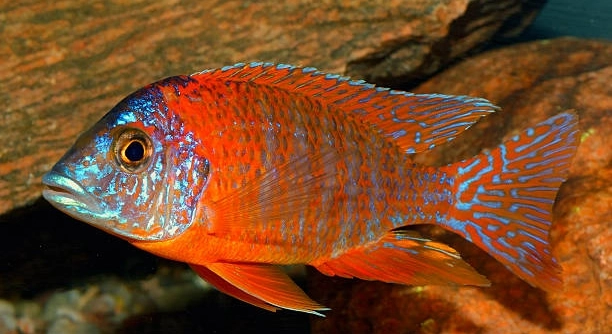
Many cichlid owners notice their fish flashing against rocks or tank walls and wonder what it means. This behavior can seem unusual at first, leaving hobbyists unsure if it signals stress, illness, or natural activity patterns.
Flashing in cichlids refers to the rapid rubbing or scraping of their bodies against surfaces. This behavior is usually a response to irritation, parasites, or skin discomfort and can serve as a natural method for relieving such issues.
Understanding flashing can help maintain your fish’s health and comfort, ensuring they stay active and vibrant in their aquarium environment.
Common Causes of Flashing in Cichlids
Flashing often happens when cichlids experience skin irritation. Parasites, such as ich, can make them rub against rocks, gravel, or tank walls to relieve discomfort. Poor water conditions, including high ammonia or nitrite levels, can also trigger this behavior. Even minor abrasions or fin damage may lead to flashing, as fish instinctively try to reduce irritation. Sometimes, cichlids flash after introducing new tank mates or during territorial disputes. Stress from overcrowding or sudden changes in water temperature can make them more prone to this behavior. Observing when and where your fish flash can provide clues about the cause. Regular water testing, proper filtration, and maintaining a balanced diet all help reduce incidents. Flashing is a natural response, but repeated or intense behavior often signals a problem that needs attention. By monitoring your fish closely, you can intervene early and prevent potential health issues.
Flashing is rarely harmless if it occurs frequently, as it can indicate ongoing irritation or disease, needing timely intervention.
Tracking behavior patterns, tank conditions, and interactions with other fish helps determine the exact cause. Addressing water quality and health concerns promptly ensures the fish recover quickly and reduces the likelihood of recurring flashing.
Preventing and Treating Flashing
Maintaining clean, stable water is essential for preventing flashing. Regular testing and partial water changes reduce irritants.
Treating flashing depends on the cause. Parasites may require medicated treatments, while minor injuries or stress often improve with proper tank conditions. Consistent maintenance, suitable tank mates, and careful observation can prevent many common triggers. Providing hiding spots and gentle water flow also reduces stress. Adjusting diet with high-quality food supports skin and immune health, further decreasing irritation. If flashing persists, isolating affected fish for treatment can help prevent spreading disease. Early detection and proactive care ensure cichlids remain healthy, active, and display natural behavior, minimizing distress.
Recognizing Flashing Behavior
Flashing often appears as quick rubbing against tank surfaces. It may involve side-to-side movements or repeated scraping along rocks and decorations.
Flashing can be subtle or intense, depending on the cause. Fish affected by parasites may rub more aggressively, while minor irritations often result in occasional, brief flashes. Observing the frequency and location of flashing helps determine if it is natural behavior or a sign of stress or illness. Fish rubbing against gravel may indicate skin discomfort, while rubbing on tank walls can signal water quality issues. Paying attention to these details allows for early action to prevent more serious health problems.
Behavior patterns, such as flashing after feeding or during tank interactions, provide further insight. Changes in color, fin condition, or appetite often accompany problematic flashing. Noting these signs alongside water testing results ensures appropriate corrective measures, whether adjusting tank conditions, treating parasites, or reducing stressors. Consistent observation improves overall fish health and comfort.
Environmental Factors Influencing Flashing
Poor water quality is a major factor in flashing. High ammonia, nitrite, or sudden pH changes can irritate fish skin.
Temperature fluctuations, overcrowding, and insufficient hiding spaces increase stress, prompting frequent flashing. Rough substrate or sharp decorations may also cause minor injuries. Fish in unstable environments often show more intense or repeated flashing, signaling discomfort. Providing stable conditions, proper filtration, and gentle water flow reduces irritation. Regular monitoring, careful feeding, and maintaining compatible tank mates help prevent flashing triggered by stress. Environmental adjustments often resolve flashing without additional treatment, promoting healthier, calmer fish over time.
Health-Related Causes of Flashing
Parasites like ich or skin flukes often cause cichlids to flash. These organisms irritate the skin, prompting rubbing against surfaces to relieve discomfort.
Injuries, fungal infections, or bacterial issues can also trigger flashing. Early detection of these conditions is important to prevent worsening health problems and to apply treatment effectively.
Monitoring and Observing Flashing
Tracking when and how often cichlids flash provides insight into potential causes. Note patterns related to feeding, tank interactions, or environmental changes. Regular observation helps identify whether the behavior is occasional or a persistent problem, allowing timely action before it affects overall health.
Simple Steps to Reduce Flashing
Improving water quality, providing smooth surfaces, and maintaining stable tank conditions often lessen flashing. Simple adjustments in care routines can significantly improve fish comfort and minimize irritation.
FAQ
What does flashing mean in cichlids?
Flashing in cichlids is when a fish rubs or scrapes its body against surfaces like rocks, gravel, or tank walls. It usually happens because of irritation, parasites, or minor injuries. While occasional flashing can be normal, repeated or intense behavior often signals a problem that needs attention.
Is flashing harmful to my cichlids?
Occasional flashing is not harmful and can be a natural way for fish to relieve minor discomfort. However, frequent or aggressive flashing can damage fins or scales, increase stress, and make fish more vulnerable to infections. Identifying and addressing the cause quickly reduces these risks.
Why does my cichlid flash after feeding?
Flashing after feeding can occur if food irritates the skin or if the fish accidentally scrapes against rough surfaces while eating. Overfeeding or poor-quality food can contribute to discomfort. Observing how often it happens and adjusting feeding habits may help reduce flashing.
Can water quality cause flashing?
Yes, poor water conditions are a common trigger. High ammonia, nitrite, or sudden pH changes irritate fish skin and can lead to frequent rubbing. Regular testing, partial water changes, and proper filtration are crucial for maintaining a stable environment that minimizes flashing.
Are parasites the main reason for flashing?
Parasites, such as ich or skin flukes, are a frequent cause. They create itchiness or discomfort, prompting the fish to flash. Treating the tank with appropriate medications and isolating affected fish can stop parasite-related flashing. Early detection is key to preventing more severe health issues.
Does flashing indicate stress?
Flashing can indicate stress caused by overcrowding, aggressive tank mates, sudden temperature changes, or lack of hiding spots. Stress makes fish more sensitive to irritation and increases flashing behavior. Improving tank conditions and providing hiding areas helps reduce stress-related flashing.
Should I treat my fish immediately if it flashes?
Treatment depends on the cause. If flashing is caused by parasites, infections, or water issues, immediate intervention is necessary. For occasional flashing due to minor irritation or stress, adjusting the environment and monitoring the fish may be sufficient. Observation is important to decide the right approach.
Can injuries lead to flashing?
Yes, minor cuts, fin damage, or abrasions from decorations or substrate can cause fish to flash. Fish often rub against surfaces to relieve discomfort. Keeping the tank free of sharp objects and using smooth decorations helps prevent injury-related flashing.
How can I tell if flashing is serious?
Flashing becomes serious if it is frequent, prolonged, or accompanied by other signs like loss of appetite, color changes, clamped fins, or lethargy. Persistent flashing often indicates parasites, infection, or ongoing stress. Acting quickly helps prevent complications and protects the overall health of your fish.
What preventive measures can I take?
Regular water testing, stable tank conditions, gentle water flow, smooth substrate, and appropriate tank mates reduce the likelihood of flashing. Providing hiding spots, proper diet, and careful observation ensures fish remain healthy and display natural behavior without frequent irritation.
Can flashing spread between fish?
Flashing itself is not contagious, but the underlying cause, like parasites or bacterial infections, can spread. Isolating affected fish and treating the tank helps prevent disease from reaching other cichlids. Maintaining cleanliness and monitoring fish regularly is important for overall tank health.
How long does flashing last?
The duration depends on the cause. Minor irritations may last a few minutes or hours, while parasite infections or poor water conditions can cause prolonged or repeated flashing. Identifying and addressing the root cause usually reduces the behavior quickly.
Will flashing affect my fish’s growth or lifespan?
Occasional flashing has little effect on growth or lifespan. However, frequent flashing due to illness, stress, or poor water conditions can impact health, growth, and longevity. Providing proper care and monitoring ensures fish remain active, healthy, and comfortable in the tank.
Is flashing common in all cichlid species?
Flashing is observed across many cichlid species, though frequency varies. Some species are more prone to rubbing due to skin sensitivity or natural behavior patterns. Observing your species’ normal activity helps determine when flashing indicates a problem.
Can diet influence flashing?
Yes, poor nutrition or overfeeding can contribute to skin irritation or digestive stress, which may lead to flashing. Feeding high-quality, balanced food in appropriate amounts supports skin health, reduces irritation, and minimizes the likelihood of flashing.
Should I change tank mates if flashing occurs?
If flashing results from stress caused by aggressive or incompatible tank mates, adjusting the population or rearranging the tank can help. Separating aggressive fish and providing sufficient space reduces stress-induced flashing and promotes a calmer environment for all fish.
Does flashing always indicate disease?
Not always. Flashing can occur naturally, during minor irritation, or as part of normal behavior. However, repeated or intense flashing often points to underlying issues, such as parasites, infections, or poor water quality, which should be addressed promptly.
What is the best way to monitor flashing?
Regular observation of your fish, noting the frequency, intensity, and triggers of flashing, is essential. Recording patterns alongside water quality measurements helps identify causes early. This proactive approach allows timely intervention and keeps cichlids healthy and comfortable.
Can flashing lead to secondary infections?
Yes, frequent rubbing can damage scales or fins, creating entry points for bacteria or fungi. Treating the cause of flashing and maintaining good tank hygiene helps prevent secondary infections and supports faster recovery.
Are there natural ways to reduce flashing?
Providing hiding spots, smooth surfaces, stable water conditions, and proper diet all help reduce flashing. Avoiding sudden changes, managing stress, and keeping compatible tank mates also promotes a calmer environment, allowing fish to display natural behavior without irritation.
How often should I check for flashing?
Daily observation is ideal. Noting behavior each day helps detect early signs of irritation, stress, or disease. Quick detection allows for timely adjustments in water quality, diet, or tank conditions, reducing the risk of persistent flashing or health complications.
When should I consult a veterinarian?
If flashing persists despite improving tank conditions, water quality, and diet, or if other signs of illness appear, consulting a veterinarian or aquatic specialist is recommended. Early professional guidance ensures proper diagnosis and treatment, preventing long-term health issues for your cichlids.
What are the first steps when flashing is noticed?
Check water parameters, inspect for parasites or injuries, and observe behavior patterns. Adjust environmental factors like tank cleanliness, hiding spaces, and temperature stability. These initial steps often resolve minor causes and guide further action if flashing continues.
Can flashing indicate stress from handling?
Yes, frequent handling, netting, or moving fish can trigger flashing due to stress. Minimizing direct contact, performing gentle maintenance, and reducing disturbances in the tank helps prevent stress-induced flashing and maintains overall fish well-being.
Is flashing more common in new tanks?
Yes, fish in newly established tanks often flash due to unstable water parameters, stress from relocation, or minor irritations from substrate and decorations. Careful monitoring and maintaining consistent water conditions help fish adjust and reduce flashing behavior over time.
How long does it take for flashing to stop after treatment?
Depending on the cause, improvement can be seen within hours to days after addressing parasites, water quality, or stress. Persistent flashing may require ongoing observation and adjustments. Quick intervention typically leads to faster recovery and a noticeable reduction in behavior.
Does flashing affect behavior with other fish?
Frequent flashing can increase stress and irritability, sometimes making fish more defensive or withdrawn. Improving tank conditions and reducing causes of irritation allows fish to interact normally and maintain social balance within the aquarium.
Are there signs that flashing is about to start?
Fish may become restless, swim erratically, or show fin clamping before flashing. Skin changes or sudden rubbing against surfaces are also indicators. Observing these warning signs helps address the cause before more serious health issues develop.
Can flashing damage the tank or decorations?
Intense flashing can sometimes scrape soft decorations, disturb substrate, or dislodge plants. Using smooth decorations and monitoring fish behavior reduces this risk while keeping both fish and tank safe.
Is flashing seasonal or constant?
Flashing is usually behavior-based rather than seasonal. However, stressors like temperature fluctuations in certain seasons can increase frequency. Maintaining stable conditions year-round minimizes irritation and reduces flashing incidents.
Can flashing affect breeding behavior?
Flashing itself does not directly prevent breeding, but stress or irritation causing frequent flashing may reduce activity or courtship behaviors. Ensuring a healthy, comfortable environment helps cichlids display natural breeding behaviors without interference.
How do I document flashing behavior?
Keeping a daily log of frequency, duration, triggers, and water parameters is useful. Photos or short videos can also help track changes and provide reference for treatment decisions or consultations with aquatic specialists.
Are some cichlids more sensitive to flashing triggers?
Yes, certain species with delicate skin or natural rubbing habits may flash more easily. Understanding species-specific behavior helps distinguish normal activity from irritation or health issues.
Can multiple causes contribute to flashing?
Often, flashing results from a combination of factors, such as parasites, poor water quality, stress, and minor injuries. Addressing all potential causes together is the most effective way to reduce persistent flashing.
Does flashing indicate pain?
Flashing signals discomfort rather than direct pain. Fish rub to relieve irritation or itching. While not necessarily painful, it shows the fish is experiencing stress or skin irritation that should be addressed promptly.
What equipment helps reduce flashing?
Good filtration, heaters for stable temperatures, smooth substrate, and decorations without sharp edges all help reduce environmental triggers of flashing. Proper tank setup promotes comfort and minimizes rubbing behavior.
Can I prevent flashing completely?
While occasional natural flashing may occur, consistent care, stable water conditions, suitable tank mates, and proper diet minimize irritation and stress. These preventive steps significantly reduce the frequency and severity of flashing behavior.
Does flashing ever indicate boredom?
Boredom alone rarely causes flashing. However, lack of stimulation or hiding spaces can increase stress, making fish more sensitive to minor irritations. Providing enrichment and hiding spots supports natural behavior and reduces unnecessary flashing.
Are there signs that flashing has resolved?
Reduced frequency, calmer swimming, and improved coloration or fin condition indicate flashing has decreased. Fish appear more comfortable, interact normally, and show less rubbing against surfaces. Continued observation ensures long-term recovery and comfort.
Can lighting affect flashing behavior?
Harsh or inconsistent lighting can stress fish and contribute to flashing. Providing consistent, moderate lighting and hiding areas helps reduce stress-induced rubbing and promotes normal behavior.
How do I balance multiple causes of flashing?
Address water quality, diet, tank conditions, and potential parasites simultaneously. Monitoring fish behavior and adjusting one factor at a time ensures each cause is managed effectively. Combining these strategies provides the best results for minimizing flashing.
Does age influence flashing?
Younger fish may flash more as they explore or adjust to new tanks, while older fish may show increased sensitivity to irritation. Age-related behavior patterns should be considered when assessing the cause and frequency of flashing.
Is flashing always noticeable?
Not always. Some fish flash subtly, rubbing only for brief moments or in less obvious areas. Close observation is needed to detect minor or occasional flashing that could signal underlying issues.
Can tank size influence flashing?
Yes, overcrowded tanks increase stress and reduce space for hiding, making fish more prone to flashing. Providing adequate space for swimming and territorial behavior reduces irritation and promotes overall well-being.
Are there natural remedies to help flashing?
Salt baths, proper diet, and maintaining stable water parameters can reduce irritation naturally. While these steps help, serious causes like parasites or infections may still require medication.
Can flashing return after treatment?
Flashing may recur if the underlying cause is not fully resolved or if environmental conditions deteriorate. Continued observation, maintenance, and preventive measures are essential to prevent repeated incidents.
Does flashing indicate social issues in the tank?
Aggressive tank mates or territorial disputes can trigger flashing. Observing interactions and adjusting tank populations or providing additional hiding spots reduces stress-related rubbing and promotes harmony among fish.
How do I choose the right treatment for flashing?
Identify the root cause through observation, water testing, and inspection for parasites or injuries. Treatment should target the specific issue, whether it is environmental adjustment, dietary improvement, or medication. Accurate diagnosis ensures effective resolution of flashing.
Can flashing cause long-term damage?
Frequent, intense flashing can damage fins, scales, and skin, leading to infections and stress. Early detection and intervention minimize long-term health risks and support the overall well-being of your cichlids.
Does flashing affect tank mates?
Flashing itself does not harm other fish, but it may indicate a contagious issue, like parasites, that could spread. Monitoring all fish and treating the tank helps protect the entire aquarium population.
Are there signs that flashing is improving?
Fish swim calmly, reduce rubbing against surfaces, maintain vibrant color, and show normal feeding habits. Observing these signs confirms that interventions and adjustments are working.
How often should I review my fish for flashing?
Daily checks are ideal, especially after water changes, adding new fish, or environmental adjustments. Consistent monitoring ensures any issues causing flashing are addressed promptly.
Can flashing indicate overfeeding?
Overfeeding can irritate the digestive system or cause minor discomfort, contributing to flashing. Adjusting portion sizes and feeding high-quality food helps reduce this trigger.
Is flashing more common in community tanks?
Community tanks may increase flashing if there are aggressive or incompatible species. Providing space, hiding areas, and monitoring interactions helps reduce stress-related flashing.
Can substrate type affect flashing?
Rough or sharp substrate can irritate skin and fins, prompting flashing. Using smooth gravel or sand reduces abrasion and promotes a comfortable environment for cichlids.
Does flashing affect coloration?
Stress or irritation from flashing may temporarily dull colors. Addressing causes restores natural coloration as the fish recovers and experiences less discomfort.
How can I prevent recurring flashing?
Maintain stable water conditions, avoid overcrowding, provide hiding spots, monitor diet, and observe behavior regularly. These steps reduce irritation, stress, and the likelihood of repeated flashing, keeping cichlids healthy.
Are certain times of day worse for flashing?
Flashing may increase during feeding, tank cleaning, or periods of high activity. Observing patterns helps identify triggers and adjust care routines to reduce irritation.
Can flashing indicate temperature stress?
Sudden temperature changes can irritate fish, leading to flashing. Keeping a stable, species-appropriate temperature prevents stress-related rubbing and maintains overall fish comfort.
Is flashing linked to breeding behavior?
Flashing is not directly related to breeding, but stress or irritation from flashing can reduce courtship and mating activity. Addressing causes ensures fish are healthy and capable of normal breeding behavior.
Can lighting changes trigger flashing?
Yes, sudden changes in lighting or overly bright conditions may stress fish, leading to increased rubbing. Consistent, moderate lighting reduces stress-induced flashing.
Are there signs flashing has become a chronic problem?
Persistent rubbing, damaged fins, loss of appetite, or ongoing stress indicate a chronic issue. Long-term observation and intervention are required to prevent lasting health consequences.
Can I use observation logs to improve tank conditions?
Yes, tracking flashing alongside water parameters, feeding, and behavior helps identify patterns. Logs guide adjustments to reduce triggers and maintain a comfortable, healthy environment for cichlids.
Does flashing affect social hierarchy?
Frequent flashing may indicate stress or irritation, impacting dominance or territorial behavior. Resolving the cause helps fish maintain normal interactions and reduces tension in the tank.
Can flashing be seasonal?
Environmental changes like temperature shifts or light cycles may increase flashing frequency. Stable conditions throughout the year minimize stress-induced rubbing.
How long does it take for fish to fully recover from flashing?
Recovery time varies by cause. Minor irritation may resolve in hours, while parasites, infections, or stress-related flashing may take days to weeks. Consistent care accelerates healing and restores normal behavior.
Are there visual cues that flashing is worsening?
Increased intensity, frequency, visible scale loss, fin damage, or lethargy indicate the condition is worsening. Immediate intervention is needed to prevent further health issues.
Can flashing affect appetite?
Yes, discomfort or stress causing flashing may reduce feeding interest. Addressing environmental or health issues helps restore normal appetite and ensures proper nutrition.
Does flashing indicate poor tank design?
Inadequate space, sharp decorations, or lack of hiding spots can trigger flashing. Optimizing tank layout promotes comfort and reduces rubbing behavior.
Can flashing signal imminent disease outbreaks?
Frequent or intense flashing can be an early warning of parasites or infections. Early detection allows prompt treatment, minimizing the risk of widespread disease.
How do I combine observation with treatment?
Track flashing behavior daily while adjusting water quality, diet, and treatment protocols. Recording changes helps assess effectiveness and ensures the problem is fully resolved.
Can flashing be mistaken for normal behavior?
Subtle or occasional rubbing may appear normal but can indicate irritation or stress. Close monitoring distinguishes harmless behavior from problematic flashing that requires intervention.
Are all flashing behaviors equal in severity?
No, brief, occasional rubbing is usually minor, while repeated, aggressive, or prolonged flashing indicates irritation, stress, or disease. Severity helps guide appropriate treatment and environmental adjustments.
Can flashing impact long-term health?
If caused by persistent irritation, parasites, or poor conditions, frequent flashing can lead to infections, stress, or fin damage. Addressing causes promptly prevents long-term consequences and supports healthy growth.
Do cichlids recover fully from flashing?
Yes, with proper care, stable conditions, and treatment of underlying causes, cichlids can fully recover. Flashing usually decreases once irritation, stress, or parasites are resolved, and fish return to normal behavior.
Does flashing always require medication?
Not always. Minor irritation or environmental stress may resolve without medication. Parasites, infections, or severe skin issues may require treatment. Correctly identifying the cause ensures effective care and avoids unnecessary use of medication.
Can flashing be prevented in new fish introductions?
Quarantining new fish, monitoring water quality, and gradual acclimation reduce stress and irritation that cause flashing. Careful integration helps maintain a healthy, calm tank environment.
Are certain foods better for preventing flashing?
High-quality, balanced diets support skin and immune health, reducing irritation and stress that trigger flashing. Avoiding overfeeding or low-quality food helps maintain comfort and overall fish health.
Does flashing indicate age-related sensitivity?
Older fish may be more sensitive to minor irritations, stress, or environmental changes, making them flash more frequently. Adjusting care routines for age-related needs reduces discomfort.
Can flashing be seasonal?
Environmental changes like temperature shifts or light cycles may increase flashing frequency. Stable conditions throughout the year minimize stress-induced rubbing.
**How long does it take for flashing to fully stop after adjustments
Flashing in cichlids is a behavior that many fish owners notice and often worry about. It is usually a response to irritation, parasites, or stress, but sometimes it can also be a natural activity. Understanding what flashing means helps in identifying whether it is a normal behavior or a sign that something in the tank needs attention. Observing your fish closely and noting when and how they flash provides important information. Patterns in flashing can reveal triggers, such as water quality problems, aggressive tank mates, or minor injuries. Being attentive to these details allows for early intervention and can prevent minor issues from becoming serious.
Addressing the causes of flashing often involves simple but consistent care. Maintaining stable water conditions, monitoring temperature, and testing for ammonia, nitrites, and pH are essential steps. Providing smooth decorations, adequate hiding spaces, and a gentle water flow reduces irritation and stress. Diet also plays a role; feeding high-quality, balanced food supports overall health and skin condition. When parasites or infections are present, targeted treatment is necessary, but the combination of environmental improvements and careful observation often resolves flashing quickly. Keeping a clean, calm, and well-maintained tank helps minimize the behavior and supports the long-term well-being of your cichlids.
Flashing should be seen as a signal from your fish rather than just a behavior to ignore. While occasional rubbing can be harmless, persistent or intense flashing usually indicates that something in the tank or the fish’s health needs attention. Monitoring behavior daily, making gradual improvements, and addressing any potential stressors ensures your cichlids remain active, healthy, and comfortable. Over time, these practices not only reduce flashing but also create a stable and safe environment where fish can thrive. Consistent care, observation, and preventive measures are key to managing flashing and maintaining a balanced, healthy aquarium.

Hello,
If you enjoy the content that we create, please consider saying a "Thank You!" by leaving a tip.
Every little bit helps us continue crafting quality advice that supports the health, happiness, and well-being of pets around the world, for pets of all shapes, sizes, and species.
We really appreciate the kindness and support that you show us!