
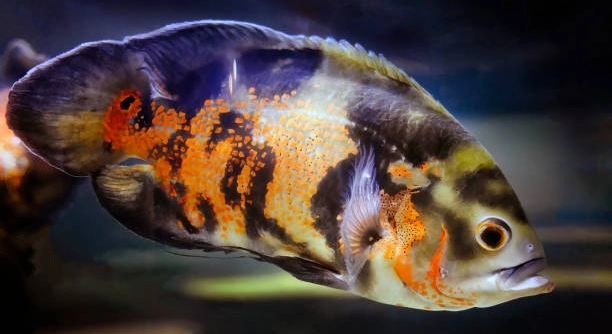
Do you ever notice how convict cichlids are often misunderstood in the aquarium world? These fish are colorful, active, and engaging, yet many people rely on myths that complicate their care unnecessarily.
Convict cichlids are hardy freshwater fish, and many common beliefs about their behavior, diet, and tank requirements are inaccurate. Proper care depends on understanding their natural tendencies, environmental needs, and social interactions without relying on misconceptions.
Learning the truth about these popular fish can improve your aquarium setup, promote healthier fish, and make daily care simpler and more enjoyable.
Myth 1: Convict Cichlids Are Always Aggressive
Many people believe convict cichlids are inherently aggressive and impossible to keep with other fish. While they can show territorial behavior, aggression usually depends on their environment and tank setup. Providing enough space, hiding spots, and a balanced population helps reduce unnecessary conflict. Overcrowded tanks or a lack of shelter often trigger fighting, not the fish’s nature. Convict cichlids are naturally protective of their eggs and territory during breeding, which can make them defensive, but outside of breeding, they are generally manageable. Understanding their body language and signs of stress can prevent many problems. Proper tank maintenance, water quality, and compatible tank mates also play a role. Many hobbyists overestimate aggression due to isolated incidents.
Aggression in convict cichlids is situational, not constant, and can be managed with thoughtful aquarium planning and monitoring.
Observing these fish daily allows owners to recognize normal behaviors versus signs of stress. Adjusting tank arrangements, adding plants or rocks, and keeping appropriate numbers of cichlids can maintain harmony. Knowing when to intervene and when to let natural behavior occur ensures a healthy environment and reduces unnecessary conflict. Over time, owners notice that aggression often diminishes when basic needs are met, making convicts far easier to care for than myths suggest.
Myth 2: Convict Cichlids Only Eat Live Food
Convict cichlids are often thought to require live food to thrive, but they are actually quite flexible eaters.
These fish are omnivores and will accept a variety of foods, including flakes, pellets, frozen foods, and vegetables. Relying solely on live food is unnecessary and can increase the risk of disease in the tank. A well-rounded diet includes protein for growth and plant matter for health. Overfeeding protein can lead to water quality issues, so feeding smaller, balanced portions is best. Observing their feeding habits helps identify preferences and ensures they get the nutrients they need. Variety in diet also promotes vibrant coloration and strong immune systems. Homemade or commercial foods can easily meet nutritional requirements without live options. Learning this can save time and reduce maintenance while keeping convicts healthy and active.
Feeding convict cichlids a balanced mix of foods is simple, effective, and supports long-term health.
Including flakes or pellets along with occasional frozen foods satisfies nutritional needs and reduces reliance on live prey. Some vegetables like peas or spinach add fiber and variety, preventing boredom. Rotating food types encourages natural foraging behaviors and keeps them engaged. Avoiding overfeeding and removing uneaten food prevents water quality issues, which is essential for long-term health. By providing a structured, balanced diet, owners can maintain healthy fish with minimal effort. Even occasional treats like bloodworms or brine shrimp are beneficial but not necessary for survival, highlighting that these cichlids are adaptable and resilient feeders.
Myth 3: Convict Cichlids Need Huge Tanks
Convict cichlids do not require massive tanks to thrive. A properly maintained tank of 30 gallons can support a pair comfortably, as long as hiding spots and decorations are included to reduce stress.
Providing adequate space, even in smaller tanks, helps maintain peace. Overcrowding often causes aggression, not tank size alone. Decorations such as rocks, caves, and plants create boundaries and reduce conflict. A pair of cichlids can establish territories without constant fighting if the environment is structured properly. Regular water changes and filtration maintain water quality, ensuring fish remain healthy even in a moderately sized tank. Careful monitoring of their behavior and tank conditions ensures they adjust well.
Even in smaller setups, proper care and environment prevent stress and allow convicts to exhibit natural behaviors. Hiding spaces, adequate water quality, and thoughtful tank mates are key for a harmonious aquarium.
Myth 4: Convict Cichlids Can Be Kept Alone
Keeping convict cichlids alone is not necessary, though some assume they need solitude to thrive.
These fish are social in certain contexts, forming strong pair bonds during breeding. While a single fish will survive, having a compatible mate or tank companions encourages natural behaviors, reduces stress, and promotes activity. Proper pairing prevents boredom and helps them display courtship and parenting instincts. Alone, they may become lethargic or stressed, showing reduced interaction with the environment. Selecting appropriate tank mates and maintaining space for territories ensures minimal conflict. Observation and adjustments help balance social needs and tank harmony, making them more interactive and healthier.
A single convict cichlid can live without companions, but a pair or community setup supports natural behavior. Carefully planned environments and compatible fish reduce stress and improve overall well-being. Social interactions, whether with a mate or other species, encourage feeding, exploration, and territorial displays. Understanding their social tendencies helps owners make better choices, keeping aggression in check while allowing the fish to thrive. Even in small community setups, monitoring interactions ensures the cichlids remain active, healthy, and display natural instincts without conflict or stress.
Myth 5: Convict Cichlids Don’t Need Hiding Spots
Hiding spots are essential for convict cichlids. Even though they are hardy, caves, plants, and rocks reduce stress, provide refuge during disputes, and support natural behavior. A tank without shelters can lead to unnecessary aggression and anxiety.
Proper placement of hiding spots allows each fish to establish territory. Multiple shelters help prevent constant conflict and give shy or new fish areas to retreat. Providing different textures and spaces encourages exploration while maintaining a sense of security. Hiding spots also support breeding, as convicts feel safe protecting eggs and fry. Even hardy fish benefit from structured environments that mimic their natural habitat.
Myth 6: Convict Cichlids Can Live in Any Water Conditions
Convict cichlids are adaptable but still require stable water conditions for long-term health. Sudden changes in temperature, pH, or hardness can stress fish and trigger illness. Maintaining consistent levels ensures growth, color, and activity.
Myth 7: Convict Cichlids Don’t Care About Tank Cleanliness
Regular maintenance is crucial. Even hardy cichlids need clean water, proper filtration, and scheduled water changes to prevent disease and promote healthy behavior.
FAQ
How often should I feed my convict cichlids?
Feeding convict cichlids once or twice a day is sufficient. Offer small portions they can finish within a few minutes to prevent overfeeding and water quality issues. A mix of pellets, flakes, and occasional frozen foods provides balanced nutrition. Overfeeding leads to poor water quality and stress, which can trigger disease and aggression. Monitoring how quickly they eat helps adjust portions to their appetite. Vegetables like peas or spinach can be included occasionally for fiber and variety. Feeding at consistent times also establishes a routine, reducing erratic behavior.
Can convict cichlids live with other fish?
Yes, they can coexist with carefully selected tank mates. Non-aggressive species of similar size work best, and tanks must be spacious with plenty of hiding spots. Avoid slow-moving, long-finned fish, as convicts may nip fins. Territorial disputes can occur, so observe interactions closely. Adding decorations, rocks, and plants helps establish boundaries. Introducing other fish gradually allows convicts to adjust without unnecessary stress. Even with compatible species, providing multiple shelters ensures shy or subordinate fish have space to retreat. Successful community setups require monitoring, proper stocking levels, and water quality maintenance.
What is the best tank size for a pair?
A 30-gallon tank is usually sufficient for a pair of convict cichlids. More space reduces aggression and allows them to establish territories. Tanks should include hiding spots, plants, and rocks to mimic their natural environment. Overcrowding leads to stress, aggression, and poor health. Proper filtration and regular water changes are essential regardless of tank size. Observing fish behavior helps determine if the space is adequate. For breeding or community tanks, larger setups are recommended. Structured environments ensure the fish remain active and healthy while displaying natural behaviors.
How do I know if my cichlid is stressed?
Signs of stress include hiding excessively, loss of appetite, faded color, or aggressive behavior beyond normal territory disputes. Stress can result from poor water quality, overcrowding, sudden changes in temperature, or lack of hiding spaces. Regular monitoring of water parameters and observing fish behavior helps prevent prolonged stress. Adjusting tank conditions, adding shelters, and ensuring a proper diet improves overall health. Stress weakens the immune system, making fish more prone to disease. Keeping a balanced environment reduces anxiety and allows natural activity and social interactions to occur comfortably.
Do convict cichlids need a specific pH or hardness?
Convict cichlids are adaptable but prefer slightly alkaline water with a pH of 7.0–8.0. Water hardness can range from soft to moderately hard. Sudden changes in pH or hardness can cause stress and illness. Regular monitoring and gradual adjustments prevent shocks. Stability is more important than exact numbers. Using natural substrates, rocks, and proper filtration helps maintain consistent parameters. Consistent water conditions support growth, vibrant coloration, and active behavior. Regular testing and maintenance ensure the aquarium remains a healthy environment for convict cichlids to thrive over the long term.
Can I breed convict cichlids in a community tank?
Breeding is possible in a community tank if sufficient hiding spaces exist. Convict cichlids will defend eggs and fry, so nearby fish may be at risk. Pairing them in a tank with protective shelters increases survival rates. Removing fry to a separate tank is optional but can prevent predation. Ensuring a balanced diet, clean water, and minimal disturbances supports successful breeding. Monitoring behavior helps anticipate territorial aggression during spawning. Even in a community setup, providing adequate space and boundaries allows convicts to display natural reproductive instincts safely without endangering other tank inhabitants.
What is the lifespan of a convict cichlid?
Convict cichlids typically live 8–10 years with proper care. Good water quality, a balanced diet, and a stress-free environment contribute to longevity. Regular monitoring, maintenance, and observing health prevent early mortality. They remain active and maintain bright coloration when cared for consistently. Avoiding overcrowding and ensuring compatible tank mates reduces stress and supports a longer life. Providing shelters, proper feeding routines, and stable water parameters encourages healthy growth and resilience. Understanding their behavior and needs ensures that these hardy fish can thrive well into adulthood, making them a rewarding species to keep in home aquariums.
Are convicts hardy enough for beginners?
Yes, convict cichlids are often recommended for beginners due to their resilience. They tolerate a range of water conditions, adapt to various diets, and recover from minor mistakes more easily than sensitive species. Even beginners need to provide clean water, proper diet, and hiding spots. Observing behavior and learning from early experiences helps prevent common issues like aggression or stress. While forgiving, they still require consistent maintenance to thrive. Starting with a pair in a properly prepared tank allows new owners to understand their habits and needs without overwhelming challenges, making them accessible yet engaging fish.
How do I prevent aggression during breeding?
Providing multiple hiding spots, adequate space, and tank decorations reduces aggression during breeding. Convict cichlids naturally defend eggs and fry, so territorial disputes are normal. Monitoring interactions helps prevent injury. Removing overly aggressive tank mates temporarily can protect other fish. Ensuring water quality, feeding regularly, and reducing disturbances keeps stress low. Gradually introducing new fish or rearranging the tank prevents sudden confrontations. Observing body language, such as flaring fins or chasing, signals when intervention is necessary. Structured environments and careful planning allow convicts to breed while maintaining overall tank harmony and minimizing conflicts.
What common mistakes should I avoid with convict cichlids?
Overcrowding, poor water quality, lack of hiding spots, overfeeding, and ignoring tank parameters are the most frequent mistakes. Misunderstanding their social behavior can lead to unnecessary aggression or stress. Providing proper space, decorations, and a balanced diet prevents most issues. Regular water changes and monitoring parameters are essential. Introducing incompatible tank mates or sudden changes in conditions can trigger illness or aggression. Observing daily behavior allows early detection of problems. Avoiding these mistakes ensures healthy, active fish and a peaceful aquarium. Understanding their natural tendencies helps create a stable environment where convict cichlids thrive.
Final Thoughts
Convict cichlids are often misunderstood due to myths about their behavior, diet, and tank requirements. Many people assume they are constantly aggressive, require large tanks, or only thrive on live food. In reality, these fish are adaptable, hardy, and capable of living well in a variety of setups when their basic needs are met. Understanding their natural tendencies is key. They are territorial mainly during breeding, but in a well-structured tank with hiding spots and proper space, aggression is usually limited. Balanced water conditions, regular maintenance, and a thoughtful approach to tank mates prevent stress and promote peaceful behavior.
Feeding convict cichlids does not need to be complicated. A mix of high-quality flakes or pellets with occasional frozen foods is sufficient to meet their nutritional needs. Vegetables like peas or spinach provide fiber and variety, supporting overall health. Overfeeding or relying only on live food can create water quality issues and stress the fish. Observing their eating habits allows adjustments to portion sizes, ensuring they remain healthy without polluting the tank. Their resilience makes them suitable for both new and experienced aquarists, but success depends on understanding the proper balance of space, diet, and water quality.
Providing a proper environment is just as important as diet. Convict cichlids benefit from hiding spaces, rocks, and plants that allow them to establish territories and feel secure. Even hardy fish show signs of stress if they lack shelter or face sudden changes in water conditions. Regular monitoring, proper filtration, and consistent water parameters ensure their long-term health and vibrant coloration. By addressing common myths and focusing on their actual needs, keeping convict cichlids becomes straightforward and rewarding. With attention to space, diet, social interactions, and tank maintenance, these fish can thrive and display natural, engaging behaviors in a home aquarium, making them both hardy and enjoyable to care for.

Hello,
If you enjoy the content that we create, please consider saying a "Thank You!" by leaving a tip.
Every little bit helps us continue crafting quality advice that supports the health, happiness, and well-being of pets around the world, for pets of all shapes, sizes, and species.
We really appreciate the kindness and support that you show us!