
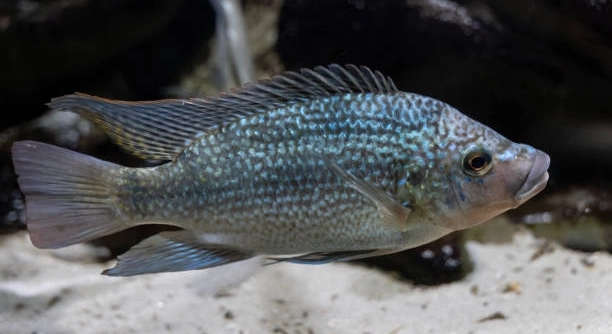
Have you ever kept convict cichlids and noticed how often they behave in unexpected ways within a home aquarium, turning simple fishkeeping moments into experiences that feel surprising, memorable, and sometimes deeply endearing to owners.
The primary reason convict cichlids surprise their owners lies in their advanced social behaviors, strong parental instincts, and environmental awareness, which collectively produce actions resembling problem solving, cooperation, territorial defense, and adaptive communication within controlled aquarium settings during captivity conditions.
These surprising behaviors reveal layers of intelligence and personality that transform ordinary aquariums into spaces filled with constant discovery daily.
Aggressive Parenting Behavior
Convict cichlids are known for their strong parenting instincts. They guard their eggs and fry fiercely, often chasing away anything that comes close. Even experienced fish owners can be surprised by the intensity of this behavior. Watching them protect their young can feel both impressive and slightly intimidating. Their aggression isn’t random; it is a survival strategy. Parents often patrol the tank constantly, moving fry and defending territories. Some cichlids may even attack larger fish if they come near the breeding area. Their behavior can change depending on tank size, water conditions, and the number of fry present. Owners who think a peaceful tank will remain quiet are often startled when the pair suddenly turns protective. Aggression can escalate quickly, showing how instinct drives their daily actions. It’s a reminder that convict cichlids are highly attentive parents who prioritize their offspring above everything else. Their vigilance can dominate their tank for weeks at a time, making them remarkable yet challenging pets.
These parenting instincts manifest as highly aggressive actions toward perceived threats. Convict cichlids consistently defend their territory, eggs, and fry using chasing, nipping, and blocking strategies, demonstrating an innate behavioral response critical to offspring survival and population maintenance.
Watching this behavior unfold can be intense. Even small movements near the tank often trigger a quick reaction, highlighting the fish’s alertness. Observing their protective patterns helps owners understand their strong instincts.
Unusual Feeding Habits
Convict cichlids sometimes display unexpected eating behavior. They may ignore usual food or suddenly become selective. Their preferences can shift quickly, especially during breeding periods. Changes in diet often reflect health, stress, or environmental factors. Owners often notice them picking out one type of food and leaving the rest. Occasionally, cichlids show preference for live or moving food, showing curiosity and hunting instincts. Feeding at different times may also affect their choices. Some will even steal food from tank mates, surprising owners with their boldness. Adjusting feeding strategies, such as offering varied textures or smaller portions, helps maintain balance. Observing these habits can reveal a lot about their condition and mood. Being attentive ensures cichlids receive proper nutrition and prevents aggression over food. Small changes can influence their behavior dramatically, creating either calmer or more territorial interactions. Recognizing patterns helps owners manage feeding while keeping the tank peaceful. These behaviors highlight the complex nature of convict cichlids, making them interesting yet demanding pets.
Convict cichlids can develop distinct food preferences influenced by health, age, and breeding status. They may ignore certain pellets or favor live insects.
Unexpected feeding behavior can provide insights into the overall well-being of convict cichlids. Some cichlids adjust their intake depending on the tank environment, competition, or water conditions. During breeding, their appetite may decrease, while at other times they might eat aggressively or hoard food. Sudden disinterest in typical foods can signal stress or illness, requiring closer observation and possible diet adjustments. Offering a mix of protein-rich items and plant matter helps ensure balanced nutrition. Monitoring patterns also allows owners to separate food-sensitive individuals or intervene if a fish is being bullied. Understanding these feeding quirks not only maintains health but also minimizes conflict in shared tanks. Paying attention to subtle changes can prevent long-term problems and improve interaction between tank mates. Feeding convict cichlids isn’t just about nutrition; it’s a key part of observing behavior and maintaining a stable environment. Proper feeding routines reflect a deeper understanding of their natural instincts and needs.
Unexpected Tank Territory
Convict cichlids often claim unusual spots in the tank as their own. Rocks, decorations, or corners become defended areas, surprising owners with sudden aggression.
Territorial behavior in convict cichlids is strong and can change quickly. Even areas previously ignored can become a focus if the fish decides it’s valuable. They mark boundaries with visual displays, fin flaring, and chasing smaller fish. These boundaries are not random but are influenced by hiding spots, breeding areas, and food sources. Tank layout can trigger shifts in territory, and changes in decorations or plants may provoke disputes. Owners notice that cichlids sometimes patrol unexpected spaces, moving objects or rearranging substrate. This behavior shows how sensitive they are to their environment and their desire for control. Over time, they learn which areas are safest for laying eggs or raising fry.
Unexpected territorial claims can create tension among tank mates. Aggression often spikes in shared tanks, and even passive fish may be chased. Understanding these patterns allows for better tank management, reducing stress and maintaining harmony. Observing these shifts helps owners anticipate conflicts and adjust the environment. Some owners add hiding spots or separate areas to minimize clashes. Territorial instincts are a constant in convict cichlids’ behavior, showing their need for space and security. Recognizing which areas are claimed prevents surprises and ensures all fish have safe zones, improving overall tank stability.
Sudden Color Changes
Convict cichlids can display rapid color changes that catch owners off guard. Darkening or brightening is often linked to mood or health.
Color shifts in convict cichlids reflect emotional and physical states. Stress, breeding, or aggression can trigger darker hues, while calm or feeding periods may lighten their bodies. These changes act as signals to other fish, indicating dominance, readiness to mate, or discomfort. Observing patterns over time helps owners distinguish between natural variation and signs of illness. Substrate color and lighting also affect how these changes appear. Noticing subtle shifts allows adjustments in tank conditions, such as adding hiding spaces or controlling light intensity. Maintaining stable water quality and reducing sudden disturbances ensures that color changes are natural and not stress-induced. Color signals play a key role in social hierarchy, breeding behavior, and territory disputes, giving a visible window into cichlids’ instincts and moods.
Rapid color changes may also indicate health issues. Pale or faded areas can signal poor diet, parasites, or water imbalances. Immediate attention to water testing, dietary adjustments, and observation of interactions is necessary. Owners who track daily changes can identify patterns and intervene before conditions worsen. Providing a consistent environment helps reduce stress-related color shifts. These visual cues are critical for understanding cichlid behavior and preventing escalation of aggression. Color changes also affect tank aesthetics, making them more noticeable during feeding or breeding events. Paying attention ensures cichlids stay healthy and that tank harmony is maintained.
Breeding Surprises
Convict cichlids often breed unexpectedly, even in a well-established tank. Eggs can appear in hidden corners, catching owners by surprise.
Pairing instincts can trigger quickly. Mates may choose unusual spots for laying eggs, and their focus on the fry becomes intense, changing their usual behavior and interactions with other fish.
Aggressive Interactions
Convict cichlids frequently show sudden aggression toward tank mates. Chasing, nipping, or blocking behaviors may appear without warning. Their reactions are often linked to territory, breeding, or food disputes, making careful observation necessary to prevent injury and stress.
Escaping Behavior
Some convict cichlids attempt to jump or climb out of the tank. Covers and high tank walls are essential to prevent accidents.
FAQ
Why do convict cichlids become aggressive suddenly?
Convict cichlids are naturally territorial and protective. Sudden aggression often occurs when they perceive a threat to their space, food, or offspring. During breeding, their instincts intensify, causing them to chase or nip other fish. Changes in tank layout, water conditions, or lighting can also trigger defensive behavior, even if no apparent threat exists. Observing their patterns helps predict when aggression is likely. Providing hiding spots, sufficient space, and maintaining stable tank conditions can reduce conflicts. Owners should remember that aggression is normal, not a sign of illness, and is part of their survival strategy.
How can I tell if my convict cichlids are stressed?
Stress in convict cichlids often shows through changes in behavior and appearance. They may hide more, stop eating, or display faded or darkened colors. Rapid movements, excessive swimming, or frequent chasing of tank mates can also indicate stress. Poor water quality, overcrowding, or sudden changes in environment are common causes. Monitoring daily activity, maintaining clean water, and providing appropriate hiding spots help reduce stress. Stress can affect health and breeding success, so timely intervention is important. Recognizing these signs early ensures cichlids remain healthy and maintain their natural behaviors.
Do convict cichlids need special diets?
Convict cichlids are omnivores and require a mix of protein and plant-based foods. High-quality pellets or flakes can form the base, supplemented with occasional live or frozen foods like brine shrimp or bloodworms. Fresh vegetables such as peas or spinach support overall health and digestion. During breeding, protein-rich foods can encourage egg production and fry development. Feeding smaller, frequent portions prevents overeating and reduces aggression over food. Observing which foods your cichlids prefer helps maintain balance. Diet variety is key to ensuring proper coloration, growth, and energy, while preventing malnutrition or unhealthy feeding habits.
Can convict cichlids live with other fish?
Convict cichlids can cohabit with other species if tank size and layout allow. However, aggression, especially during breeding, can make shared tanks challenging. Choosing robust, similarly sized species reduces risk, but slow or passive fish may be chased or injured. Providing multiple hiding spots and clearly separated territories helps manage interactions. Owners should monitor behavior closely and be prepared to separate individuals if fights escalate. Tank size plays a significant role; larger tanks reduce pressure and allow natural territorial boundaries. Understanding their instincts ensures safer cohabitation without compromising the health of any fish.
Why do my convict cichlids change color suddenly?
Color changes are normal responses to mood, breeding, or stress. Darker colors often indicate aggression or dominance, while lighter colors suggest calmness or submission. Environmental factors like lighting, substrate color, and water quality also influence appearance. Rapid or extreme fading, however, may signal illness, poor diet, or water imbalance. Tracking daily patterns helps distinguish natural shifts from warning signs. Adjusting tank conditions or diet can restore normal coloration and reduce stress. Observing these changes provides insight into cichlids’ behavior, health, and interactions with other fish.
How often should I clean a tank with convict cichlids?
Regular maintenance is essential to prevent stress and aggression. Partial water changes of 20–30% weekly help maintain water quality. Cleaning substrate, removing uneaten food, and checking filters ensures the environment remains safe. Overcleaning can disrupt natural bacteria and stress the fish, so balance is important. Monitoring water parameters like pH, ammonia, and nitrate levels guides cleaning frequency. A stable, well-maintained tank supports healthy behavior, breeding success, and vibrant colors. Clean tanks reduce disease risk and prevent unexpected behavioral changes caused by poor water conditions.
What should I do if my convict cichlids are fighting constantly?
Frequent fighting can be addressed by checking tank size, layout, and hiding spaces. Adding rocks, plants, or decorations creates separate territories and reduces direct confrontations. If aggression persists, separating individuals temporarily or permanently may be necessary. Avoid overcrowding, as limited space increases stress and territorial disputes. Observing triggers like feeding times, water changes, or breeding events helps anticipate conflicts. Ensuring stable water conditions and proper diet also minimizes tension. Interventions should be timely to prevent injuries and maintain overall tank harmony. Understanding their natural instincts allows better management of aggressive interactions.
Can convict cichlids jump out of the tank?
Yes, they sometimes attempt to escape when stressed or exploring. High water flow, aggressive tank mates, or lack of space can trigger this behavior. Using a secure lid and keeping water levels safe prevents accidents. Providing enrichment like hiding spots and decorations reduces boredom and minimizes jumping. Observing patterns helps predict attempts and ensures safety.
How can I encourage breeding without causing stress?
Stable water conditions, proper diet, and appropriate tank layout are essential. Providing flat rocks or caves for egg laying encourages natural behavior. Avoid sudden changes in temperature, lighting, or tankmates during breeding periods. Observing pair interactions ensures safety for both the parents and fry. Minimal disturbance and sufficient space allow cichlids to follow their instincts naturally.
Is it normal for convict cichlids to be very protective of their fry?
Yes, intense protection is part of their survival strategy. Parents may move fry, chase intruders, or defend specific areas. Monitoring their behavior helps ensure other fish are safe while supporting the parents’ instincts. Protective behavior can last several weeks and is strongest in the early stages of fry development.
Do convict cichlids recognize their owners?
They often react to human presence, associating owners with feeding or movement near the tank. Recognition may appear as following hands or becoming more active. This behavior reflects curiosity and routine rather than emotional attachment, showing how observant they are of their environment and daily patterns.
What signs indicate a sick convict cichlid?
Common signs include lethargy, loss of appetite, faded or blotchy coloration, clamped fins, and unusual swimming patterns. Rapid breathing or hiding can also indicate illness. Early detection allows timely treatment, preventing disease spread and maintaining tank health. Regular observation and water quality checks are key to keeping them healthy.
How long do convict cichlids typically live?
With proper care, they can live around 8–10 years in captivity. Lifespan depends on diet, water quality, tank size, and stress levels. Consistent care, stable environment, and attention to health significantly increase longevity.
Can I rehome fry from convict cichlids safely?
Yes, separating fry is often necessary to prevent aggression from adults. Use a nursery tank with gentle filtration and proper feeding. Gradual acclimation to the main tank ensures survival. Monitoring growth and health is essential during the rehoming process.
Are convict cichlids suitable for beginners?
They can be kept by beginners if basic care and tank management are understood. Aggression, breeding, and feeding behaviors require attention. Learning to manage territory and maintain water quality ensures a healthy, balanced environment. Patience and observation are key.
Do they need a specific tank temperature?
Convict cichlids thrive between 75–82°F. Stable temperatures prevent stress and support health. Sudden fluctuations can trigger aggression, illness, or reduced appetite. Using a reliable heater and thermometer ensures consistency.
Can they coexist with other cichlid species?
Compatibility depends on tank size, species temperament, and layout. Avoid pairing with slow or passive fish. Robust, similar-sized species are better, but monitoring is necessary. Providing separate territories reduces risk of conflicts.
How do I manage water quality effectively?
Regular testing for ammonia, nitrites, nitrates, and pH is essential. Partial water changes, proper filtration, and avoiding overfeeding maintain stability. Stable water prevents stress, disease, and behavioral changes.
What is the best tank setup for convict cichlids?
A tank with ample space, hiding spots, flat rocks for breeding, and stable water conditions supports natural behaviors. Decorations help establish territories and reduce aggression. Adequate filtration and consistent temperature ensure long-term health and tank harmony.
How do I handle sudden deaths in the tank?
Remove the deceased fish immediately and test water quality. Observe other fish for signs of illness or stress. Quarantine new additions to prevent disease spread. Maintaining clean water and proper care reduces risks.
Do convict cichlids interact socially with each other?
Yes, social interactions include establishing hierarchies, defending territories, and pairing for breeding. Observing these behaviors helps understand their instincts and prevents conflicts. Social dynamics change depending on tank population, layout, and breeding activity.
What are the signs of successful breeding?
Eggs on flat surfaces, active guarding by parents, and fry movement indicate success. Parents move fry to safer areas and protect them from intruders. Monitoring these signs ensures the health of both adults and offspring.
Can they be trained to recognize feeding times?
Yes, convict cichlids often associate humans with feeding routines. Consistent schedules help them anticipate meals and reduce aggressive scavenging. Training improves observation and allows smoother tank management.
How do I prevent overpopulation?
Separate fry from adults, limit breeding pairs, or monitor breeding closely. Overpopulation strains resources, increases aggression, and risks water quality. Planning and careful observation prevent these issues.
Are convict cichlids sensitive to tank changes?
Yes, they respond to lighting, decorations, and water fluctuations. Gradual adjustments reduce stress, aggression, and illness. Sudden changes often trigger unexpected behavior, requiring careful planning.
Can I keep only one convict cichlid?
A single fish is possible but may be less active or display abnormal behavior without a partner. They thrive in pairs or groups that allow natural social behavior. Observing interactions ensures they remain healthy and stimulated.
What is the best way to introduce new fish?
Quarantine new fish first, introduce them gradually, and provide multiple hiding spots. Monitor interactions closely to prevent territorial disputes and aggression. Proper acclimation reduces stress for all tank inhabitants.
Do they require special lighting?
Normal aquarium lighting is sufficient. Lighting should mimic day and night cycles. Sudden or harsh changes can stress fish and trigger color or behavior changes. Stable, moderate lighting supports health.
How do I prevent aggression during feeding?
Feed small amounts in multiple areas to reduce competition. Ensure hiding spots and sufficient space for weaker fish. Consistent feeding routines minimize conflict and stress.
Can convict cichlids recognize tank mates?
They observe and remember other fish. Recognition influences territory, social hierarchy, and interactions. Patterns develop over time, affecting aggression and cooperation within the tank.
Are there common illnesses to watch for?
Ich, fin rot, and parasites are common. Watch for discoloration, clamped fins, lethargy, or unusual swimming. Early intervention and quarantine prevent spread and ensure survival.
What are the signs of aging convict cichlids?
Slower swimming, faded colors, reduced appetite, and less breeding activity indicate aging. Maintaining water quality and diet supports longer, healthier lives.
How do I know if they are happy?
Active swimming, healthy appetite, vibrant colors, and proper interaction with tank mates show contentment. Calm behavior and exploration indicate comfort and low stress.
Can they survive without hiding spots?
Hiding spots are important. Lack of shelter increases stress, aggression, and risk of injury. Providing caves, plants, or decorations supports natural instincts and safety.
How do I identify male and female convict cichlids?
Males are slightly larger, brighter, and have longer fins. Females are smaller, darker, and develop a more rounded belly during breeding. Observation over time confirms sex.
Do convict cichlids remember feeding locations?
Yes, they learn where food is typically offered. Consistent placement helps them anticipate meals and reduces stress or confusion.
Can they adapt to different water hardness?
They are adaptable but prefer moderate hardness. Sudden changes can cause stress, color shifts, or illness. Gradual acclimation ensures health and stability.
How do I prevent fry from being eaten?
Provide separate nursery tanks or safe hiding spaces. Parents are protective, but overcrowding or aggression can endanger fry. Careful observation ensures survival.
Are convict cichlids noisy?
They produce minimal sound. Most communication is through movement, displays, or fin flaring rather than audible noise. Observing behavior is the best indicator of activity.
Do they need water movement?
Moderate water flow is ideal. Too strong currents cause stress, while stagnant water reduces oxygen. Filtration and circulation support healthy behavior and tank balance.
How long does it take for fry to grow?
Fry grow quickly under proper conditions. Within a few weeks, they become independent and develop adult features. Feeding, water quality, and space affect growth rate.
Can they live in community tanks long-term?
Yes, with proper planning, size, and compatible species. Monitoring aggression and providing territories is essential for long-term harmony.
Do convict cichlids sleep?
Yes, they rest during darker periods, reducing movement and activity. Providing a consistent light-dark cycle supports natural rhythms.
How often should I test water parameters?
Weekly testing is recommended. Checking ammonia, nitrites, nitrates, pH, and temperature ensures a stable environment. Prompt correction prevents stress and illness.
What is the best substrate for them?
Sand or fine gravel is ideal. It allows digging, nesting, and natural behavior. Rough or sharp substrates can cause injury.
How do I prevent algae overgrowth?
Control lighting, avoid overfeeding, and maintain water changes. Algae-eating fish or snails can help, but balance is key. Excess algae impacts water quality and stress levels.
Do convict cichlids need a heater in all climates?
Temperate climates may need a heater to maintain 75–82°F. Sudden drops in temperature stress fish and affect behavior. Stable heat ensures health.
Are they sensitive to sudden movements outside the tank?
Yes, rapid movements or tapping can trigger stress and defensive behavior. Maintaining calm surroundings helps reduce unnecessary aggression.
How can I improve their social behavior?
Provide space, multiple hiding spots, and compatible tank mates. Observing interactions and adjusting layout encourages positive social dynamics and reduces conflict.
Do convict cichlids dig in the substrate?
Yes, digging is natural. They rearrange substrate for nesting, territorial boundaries, or hiding. Owners should accommodate this instinct to prevent stress.
Can they recognize reflections in the glass?
They may react to reflections, mistaking them for rivals or mates. Positioning the tank and controlling lighting can reduce unnecessary aggression.
How do I acclimate new fry to the main tank?
Gradually introduce fry to stable water conditions using a drip method. Monitor interactions and provide hiding spaces to prevent bullying or predation.
Are convict cichlids hardy fish?
Yes, they tolerate a range of conditions but require stable water quality, proper diet, and space for optimal health and behavior.
What is the best way to observe breeding behavior?
Watch for egg-laying on flat surfaces, guarding actions, and fry movement. Minimal disturbance ensures accurate observation and supports natural instincts.
Can they live without tank decorations?
They can survive, but decorations reduce stress, establish territories, and encourage natural behavior. Lack of shelter increases aggression and hiding difficulties.
Do convict cichlids need special lighting for breeding?
Normal aquarium lighting is sufficient. Consistent day-night cycles support breeding patterns. Sudden or harsh lighting can stress fish and reduce success.
How do I prevent water contamination from overfeeding?
Feed small, controlled portions. Remove uneaten food promptly. Regular water changes and filtration prevent ammonia spikes and maintain tank health.
Can convict cichlids tolerate low oxygen levels?
No, low oxygen causes stress, rapid breathing, and lethargy. Aeration, water movement, and plants help maintain sufficient oxygen.
Are there seasonal behaviors in convict cichlids?
Breeding activity may increase with temperature and light changes. Territorial and feeding behaviors can fluctuate depending on environmental conditions.
Do convict cichlids ever ignore each other?
Yes, outside of breeding or territorial disputes, they may coexist peacefully, especially with sufficient space and hiding spots.
Can they live in brackish water?
They are primarily freshwater fish. Slightly soft or hard water is acceptable, but brackish conditions may stress or harm them.
What is the ideal pH for convict cichlids?
A pH between 6.5–8.0 is suitable. Stability is more important than exact numbers. Sudden changes can trigger stress and illness.
Do convict cichlids interact with plants?
Yes, they may uproot or move plants while digging or defending territory. Hardy plants or decorations help reduce damage.
How do I prevent fry from overcrowding?
Separate fry regularly, monitor growth, and limit breeding pairs. Overcrowding increases aggression, stunts growth, and affects water quality.
Are convict cichlids affected by tank size?
Yes, small tanks increase aggression, stress, and territorial disputes. Larger tanks reduce conflict, provide space for territories, and support natural behavior.
Can they tolerate tap water?
Yes, if treated to remove chlorine and chloramine. Proper cycling and testing ensure safe conditions. Untreated tap water can harm fish.
Do convict cichlids benefit from tank mates?
Compatible tank mates reduce boredom and establish social dynamics, but size, temperament, and space must be considered to prevent aggression.
How often do they lay eggs?
Frequency varies with age, health, and environmental conditions. Mature, healthy pairs may spawn multiple times a month under optimal conditions.
Can convict cichlids live alone?
Yes, but social and territorial instincts may be limited. They often thrive in pairs or small groups that allow natural behavior.
What is the best way to handle aggression during breeding?
Provide separate breeding tanks or additional hiding spaces. Avoid disturbing the pair and monitor closely to prevent injuries.
Do they interact with humans during feeding?
Yes, they often recognize routines and may follow movement near the tank. Consistent feeding builds predictable behavior patterns.
Can they survive in cooler water?
They tolerate mild drops but prolonged low temperatures stress the fish and reduce immunity. Maintaining 75–82°F is recommended.
How do I maintain consistent water temperature?
Use a reliable heater and thermometer. Avoid sudden changes from drafts, lights, or room temperature fluctuations. Stability supports health, feeding, and breeding.
Do convict cichlids need a specific water hardness?
Moderate hardness is ideal. They tolerate variations but sudden shifts can stress fish and affect breeding success. Gradual acclimation prevents problems.
Can they recognize individual tank mates?
Yes, recognition influences hierarchy, territorial behavior, and interactions. Familiarity develops over time, shaping social patterns.
**How do I prevent
Final Thoughts
Convict cichlids are fascinating fish that often surprise their owners with behavior that is both instinctive and unpredictable. Their strong territorial instincts, protective nature, and sudden changes in color or mood can be challenging for those who are not prepared. At the same time, these same traits make them interesting to watch. Understanding their natural behaviors helps owners anticipate actions, reduce conflicts, and create a tank environment that allows the fish to thrive. Paying attention to subtle signs, such as changes in appetite, color, or swimming patterns, provides insight into their health and mood. Every tank is different, and observing how convict cichlids interact with one another or with their surroundings is key to maintaining a balanced and healthy environment.
Taking care of convict cichlids requires consistency and attention to detail. Maintaining stable water parameters, providing a proper diet, and creating a well-structured tank are all important for their well-being. Overcrowding, sudden changes in water conditions, or a lack of hiding spots can lead to stress and increased aggression. During breeding periods, their behavior can become even more intense, and owners may need to provide extra space or separate tanks to protect fry. By keeping track of feeding habits, territorial behavior, and social interactions, owners can make adjustments to ensure a calmer and healthier tank environment. Small actions, like adding rocks, plants, or other decorations, often make a noticeable difference in reducing stress and preventing conflicts.
Despite their occasional aggression or unpredictable moments, convict cichlids are resilient and adaptive fish. Observing their interactions can be rewarding, and over time, owners often develop an understanding of their personalities and routines. These fish are capable of forming strong pair bonds, recognizing feeding patterns, and responding to changes in their environment. While they require careful management, the effort is balanced by the opportunity to watch natural behavior unfold in a controlled setting. Being attentive to their needs, respecting their instincts, and maintaining a stable environment ensures that convict cichlids live long, healthy, and active lives. Their surprising behaviors, while sometimes challenging, highlight the complexity and intelligence of these small but powerful fish. With patience and observation, owners can enjoy the full experience of keeping convict cichlids while ensuring a safe and comfortable home for them.

Hello,
If you enjoy the content that we create, please consider saying a "Thank You!" by leaving a tip.
Every little bit helps us continue crafting quality advice that supports the health, happiness, and well-being of pets around the world, for pets of all shapes, sizes, and species.
We really appreciate the kindness and support that you show us!