
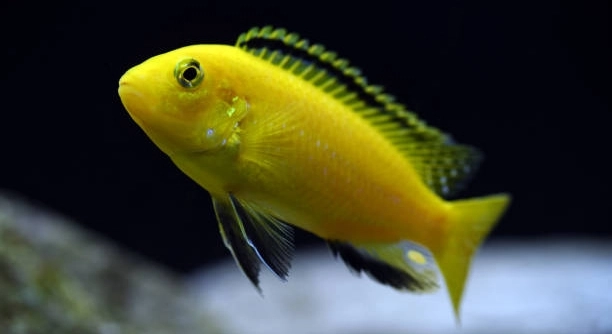
Have you ever wondered how convict cichlids behave so differently in home aquariums, showing unexpected traits and roles that confuse keepers while still remaining hardy, social fish admired by beginners and experienced hobbyists alike worldwide?
Convict cichlids do not undergo true gender change; they are genetically fixed as male or female. Apparent shifts arise from dominance behaviors, mating roles, or environmental stressors, which can temporarily alter coloration, aggression, and breeding participation without altering biological sex.
Behavior, hierarchy, and environment play subtle roles, and understanding them helps aquarists interpret surprising changes seen during breeding and life.
Why Gender Confusion Happens in Convict Cichlids
Convict cichlids are known for strong social structure, and this often leads to confusion about gender roles. In breeding pairs, females can display intense aggression and territorial control, traits many people associate with males. I have seen females guard fry, chase larger tank mates, and dominate feeding areas. These behaviors are part of natural reproductive strategy, not a biological shift. When a dominant fish is removed, another may adopt similar behaviors to stabilize the group. Size differences, color intensity, and breeding tubes can also appear inconsistent, especially under stress. Juveniles further blur perception because their physical traits are not fully developed. All of this creates the impression of gender change, even though the fish remains biologically the same. Understanding social hierarchy helps explain why behavior changes without assuming physical transformation is taking place. Observation over time usually reveals consistent patterns once breeding cycles and tank dynamics settle down naturally again.
Color shifts, fin wear, and bold actions often signal status rather than sex. During spawning periods, hormones intensify these traits. I have noticed that once breeding ends, many fish return to calmer patterns that match their biological role. Tank stability and time help these changes become easier to recognize clearly.
Physical indicators provide clearer answers than behavior alone. Females develop a more pronounced orange or pink belly, especially when mature. Males tend to grow larger and show longer dorsal and anal fins. During breeding, the genital papilla is the most reliable marker. Females display a blunt, wider tube, while males show a narrower, pointed shape. I rely on this detail when observing my own tanks. Lighting, diet, and stress can mute these signs, so patience matters. Careful observation over several weeks usually prevents misidentification and unnecessary concern. This approach supports healthier management and calmer expectations for long term care overall.
How Environment Shapes Convict Cichlid Behavior
Tank size, stocking levels, and breeding opportunities strongly affect behavior. Limited space can force one fish into a dominant role. I have found that even small layout changes can shift interactions, making roles appear to change quickly. Plants, rocks, and barriers help reduce pressure and stabilize group behavior over time.
Environmental conditions influence how convict cichlids express their instincts. Temperature swings, poor water quality, and inconsistent feeding schedules can heighten stress responses. Under stress, a female may become unusually aggressive, while a male may retreat or lose coloration. I have noticed this pattern after skipped water changes or sudden tank rearrangements. Stable parameters encourage predictable behavior and clearer physical traits. Breeding setups also matter. When pairs are allowed to form naturally, roles are easier to identify. Forced pairings or overcrowding can blur these lines. Diet plays a quiet but important role as well. Protein rich foods support breeding readiness, while deficiencies can delay development. Over time, repeated stress can suppress normal behavior, creating misleading signals. Consistency is the key factor. By maintaining clean water, steady temperatures, and adequate space, most confusion fades. What remains is a species acting according to biology rather than pressure. This perspective has helped me stay calm when changes appear sudden, because the cause is usually environmental, not physical transformation. Long term observation builds confidence and prevents rushed conclusions that often lead to unnecessary adjustments or stress. This steady approach supports healthier fish, clearer behaviors, and a more balanced aquarium overall for keepers at home environments.
Can Convict Cichlids Actually Change Sex
Convict cichlids are born with a fixed sex determined at development. Unlike some marine species, their reproductive organs do not restructure later in life. Hormonal fluctuations may influence behavior and appearance, but these changes remain external and temporary rather than anatomical throughout adulthood without altering chromosomes or reproductive function permanently.
Scientific observation shows no documented cases of true sex reversal in convict cichlids. Laboratory studies and long term breeding records confirm stable male and female anatomy. When behavior appears reversed, it is often linked to dominance hierarchy or breeding pressure. Females may assume control of territory, while males reduce activity during stress. I have observed this pattern repeatedly in community tanks. These shifts can persist for weeks, especially during spawning cycles. Once conditions normalize, behavior usually aligns again with physical sex. This consistency across generations supports the conclusion that biological sex remains unchanged despite environmental variation and social pressure factors.
Sexual dimorphism in convict cichlids can be subtle outside breeding periods. Young fish especially lack clear markers, leading to assumptions based on action alone. Stress suppresses coloration and growth, further masking traits. In my tanks, improved diet and stable water quickly clarified differences. Males resumed larger body mass, while females showed distinct belly coloration. Breeding tubes provided final confirmation. Relying on multiple indicators over time prevents confusion. This method reduces unnecessary tank changes and limits stress on the fish. Patience remains the most reliable tool when identifying sex accurately in home aquariums with changing social dynamics over long term care.
What This Means for Aquarium Care
Understanding that convict cichlids do not change sex helps set realistic expectations. Behavioral shifts should be read as responses to environment, not biological anomalies. I stopped second guessing once I focused on stability. Consistent water quality, proper space, and compatible tank mates reduce misleading behavior. Observation over time offers clearer answers than quick conclusions. This approach supports calmer management and healthier fish overall for keepers maintaining breeding pairs or community setups long term consistently successfully.
Misinterpreting behavior as gender change often leads to unnecessary separation or rehoming. This disrupts established hierarchy and increases stress. I learned that allowing pairs to resolve dominance naturally produced better outcomes. Providing caves and visual barriers reduced conflict significantly. Regular maintenance kept aggression predictable. When spawning occurred, roles became clearer rather than more confusing. Recording observations helped identify patterns over months. This patience prevented reactive decisions. Convict cichlids thrive when their environment remains steady. Clear understanding of their biology allows keepers to respond calmly to changes. Instead of correcting behavior, supporting natural instincts produces healthier tanks. This mindset improves long term success and reduces frustration for those managing active, territorial species in small aquariums where space and resources are limited and stocking choices matter greatly.
Behavioral Roles Versus Biological Sex
Convict cichlids communicate status through posture, movement, and space control within the tank. When one fish becomes dominant, it may display behaviors commonly linked to the opposite sex. This shift helps maintain order, not signal physical change or altered reproductive identity during social adjustments in confined environments over time periods.
I have noticed these changes occur after tank rearrangements or breeding losses. Another fish steps into a controlling role to stabilize interactions. Once balance returns, behavior softens. This pattern repeats often and reflects adaptability, not biology, across different setups and long term care situations in home aquariums worldwide today now.
How Dominance Can Blur Identification
Dominance behavior can mask sex traits, especially in smaller tanks. A stressed male may lose coloration, while a confident female may appear larger and more aggressive. I have seen this happen when space is limited. Feeding order, shelter access, and spawning pressure all influence expression. Over time, consistent conditions allow true traits to resurface. Watching interactions daily reveals patterns that single moments miss. Taking notes helped me separate temporary behavior from permanent characteristics. This awareness prevents unnecessary interventions. Stable environments support predictable roles. Observation remains more reliable than assumption when managing active, territorial species in captivity safely long term care.
Why Patience Matters Most
Clear understanding of convict cichlid behavior reduces stress for both fish and keeper. I found that patience solved most concerns. When conditions remain stable, confusion fades. What looks dramatic is often temporary adjustment. Allowing time protects health, hierarchy, and overall balance within the aquarium for long term success and stability.
Can a convict cichlid appear to change gender over time?
Convict cichlids can appear to change gender due to shifts in behavior, size, or dominance, but their biological sex remains fixed. I have seen fish take on new roles after a tank mate was removed or during breeding stress. These changes are temporary and driven by social structure. Once the environment stabilizes, the fish usually returns to patterns that match its biological sex. Visual cues alone can be misleading, especially in small or crowded tanks.
Why does my female convict cichlid act more aggressive than the male?
Female convict cichlids often show intense aggression, especially during breeding. This behavior protects eggs and fry and helps secure territory. In my tanks, females frequently chased larger fish without hesitation. Aggression in this species is not limited to males. Hormonal changes during spawning can amplify these actions. Outside breeding periods, the same female may appear calm and reserved again. This shift can confuse keepers who expect aggression to align with sex.
Do convict cichlids have physical traits that confirm their sex?
Yes, but these traits are easiest to identify during maturity and breeding. Females usually develop an orange or pink belly, while males grow larger and have longer fins. The most reliable marker is the breeding tube. I rely on this feature more than behavior. Stress, age, and lighting can reduce visibility of these traits, so patience is important when identifying sex accurately.
Can stress cause a convict cichlid to look like the opposite sex?
Stress can mute colors, reduce growth, and change behavior. I noticed this after skipped maintenance or sudden tank changes. A stressed male may appear smaller and dull, while a dominant female may look bolder and larger. These changes do not affect reproductive organs. Once water quality and routine improve, physical traits often become clear again within weeks.
Is it possible for two females or two males to pair up?
Yes, same sex pairings can occur, especially in limited spaces. I have seen two females guard territory together without producing eggs. This behavior is about security, not reproduction. Without fertilized eggs, the pairing eventually dissolves or shifts. This situation often leads to confusion about gender roles, but it does not indicate a sex change.
Does tank size influence gender confusion in convict cichlids?
Tank size plays a major role. Smaller tanks force fish into closer contact, increasing dominance behavior. In my experience, cramped spaces exaggerate aggression and blur physical traits. Larger tanks allow clearer roles and reduce stress. Providing hiding spots and visual breaks helps maintain balance and makes identification easier over time.
Can diet affect how gender traits appear?
Diet influences growth, color, and breeding readiness. Poor nutrition can delay development and mask traits. I noticed clearer differences once I improved food variety. Protein supports breeding condition, while balanced feeding promotes steady growth. Diet does not change sex, but it can affect how visible sex traits become.
How long should I observe before deciding a fish is misidentified?
Observation over several weeks is best. I avoid making judgments based on a single behavior. Watching through breeding cycles, feeding routines, and tank changes gives a clearer picture. Patterns matter more than moments. This approach prevents unnecessary separation or stress.
Do convict cichlids behave differently when breeding ends?
Yes, behavior often softens after breeding. Aggression decreases, colors fade slightly, and territory shrinks. I have seen fish that seemed dominant return to calmer roles. This shift can look like a change in identity, but it is simply a hormonal adjustment. Recognizing this cycle helps avoid confusion.
Should I separate a fish if I think it changed gender?
Separation is rarely needed. I learned that moving fish often creates more stress. Unless there is constant injury, it is better to adjust the environment. Adding space, shelter, or improving water quality usually resolves the issue. Understanding that sex does not change helps keep decisions calm and measured.
Final Thoughts
Convict cichlids often challenge expectations because their behavior is flexible and strongly shaped by surroundings. What looks like a change in gender is almost always a shift in role, driven by breeding pressure, dominance, or stress. These fish respond quickly to changes in space, tank mates, and routine. When one fish becomes more aggressive or another appears passive, it can feel confusing, especially for keepers who rely on behavior as the main indicator. Over time, patterns become clearer. Biological sex remains stable, while actions rise and fall based on circumstance. Understanding this distinction removes much of the frustration that comes from sudden changes. Instead of reacting to every new display, it helps to step back and look at the overall environment. Stable water conditions, proper tank size, and predictable care routines reduce dramatic shifts. When these needs are met, convict cichlids tend to settle into recognizable roles that reflect their natural biology rather than temporary pressure.
Observation plays a larger role than quick judgment. Many identification errors happen because changes are viewed in isolation. A single aggressive display or color shift does not define sex. Watching how a fish behaves across feeding times, breeding periods, and environmental changes offers better insight. Physical markers, especially breeding tubes, provide more reliable confirmation than behavior alone. Stress can hide these markers, so patience becomes essential. In my own experience, resisting the urge to intervene too quickly led to healthier tanks and clearer understanding. Moving fish, separating pairs, or making frequent changes often creates new problems instead of solving the original concern. Convict cichlids are resilient, but they still respond negatively to constant disruption. Giving them time to adjust allows their natural traits to reappear. This steady approach also builds confidence for the keeper, making care decisions calmer and more consistent over the long term.
A clear understanding of convict cichlid biology supports better aquarium management. Knowing that these fish do not change sex helps shift focus toward environment and behavior instead of assumed anomalies. When care is centered on stability, most confusing behavior resolves on its own. This perspective encourages long term thinking rather than reactive fixes. Convict cichlids thrive when their needs are met and their social structure is allowed to function naturally. By prioritizing observation, patience, and consistent care, keepers can avoid unnecessary stress for both themselves and their fish. The result is a more balanced aquarium, clearer behavior patterns, and a stronger sense of trust in the process of fishkeeping.

Hello,
If you enjoy the content that we create, please consider saying a "Thank You!" by leaving a tip.
Every little bit helps us continue crafting quality advice that supports the health, happiness, and well-being of pets around the world, for pets of all shapes, sizes, and species.
We really appreciate the kindness and support that you show us!