
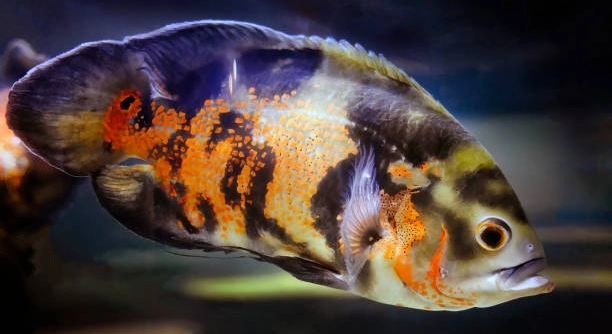
Are your convict cichlids looking paler than usual, losing their vibrant color that first caught your attention? Changes in their appearance can indicate shifts in their environment, health, or diet that often go unnoticed by owners.
A convict cichlid may appear pale due to stress, poor water quality, inadequate nutrition, illness, improper tank lighting, incompatible tank mates, or natural color variation. Addressing these factors systematically can help restore their normal coloration and overall well-being.
Understanding the reasons behind a cichlid’s paleness will help you make informed adjustments, ensuring your fish stay healthy, colorful, and active in their home environment.
Stress and Its Impact on Color
Convict cichlids are sensitive to changes in their environment, and stress can quickly affect their coloration. Common stressors include sudden water parameter changes, overcrowding, or aggressive tank mates. When stressed, their bodies divert energy from vibrant pigmentation to essential survival functions. Even subtle disturbances like rearranging decorations or introducing new fish can trigger paleness. Recognizing the signs early helps prevent prolonged stress, which can lead to illness. Stress may also cause hiding, reduced appetite, or erratic swimming. Ensuring stable water conditions, providing hiding spots, and keeping compatible fish together can reduce stress levels. Observing your cichlid’s behavior daily makes it easier to notice small changes. A calm environment allows them to regain energy and restore natural coloration. Over time, consistent care and minimal disruptions support their health and vibrant appearance. Patience is key, as it may take several days or weeks for color to fully return.
Stress can reduce pigmentation, making your cichlid appear washed out or dull.
Maintaining a low-stress environment involves more than just water parameters. Tank layout should include sufficient hiding spots and territories to minimize conflict. Avoid overcrowding, as excessive competition increases stress and triggers paleness. Even compatible fish can provoke anxiety if the space is insufficient. Consistency in feeding times and water maintenance routines also supports stability. Observing subtle behavioral cues, like lethargy or hiding, helps detect stress early. Gradually acclimating new fish or decorations prevents sudden shock, keeping color vivid. Providing proper lighting and gentle filtration further reduces environmental stress. By addressing these factors, your convict cichlid can regain its natural coloration and display active, healthy behavior consistently, enhancing the overall harmony of your aquarium.
Poor Water Quality
Dirty or unbalanced water is one of the most common reasons a convict cichlid loses color. Ammonia spikes, nitrite levels, or extreme pH fluctuations can stress fish and impact pigmentation.
Regular water testing, frequent partial changes, and proper filtration help maintain a clean environment, keeping cichlids healthy and vibrant.
Water quality affects more than just color. High levels of toxins like ammonia and nitrites irritate gills, disrupt metabolic processes, and weaken the immune system. Even if fish appear active, poor water conditions silently cause paleness and long-term health issues. Consistent monitoring of pH, hardness, and temperature is essential, as convict cichlids thrive in stable conditions. Filtration systems must be appropriately sized, and mechanical, chemical, and biological filtration should work together to remove waste efficiently. Partial water changes of 20–30 percent weekly dilute accumulated toxins. Additionally, avoid overfeeding, as leftover food decomposes and increases ammonia. Introducing live plants or beneficial bacteria can further stabilize water chemistry. Maintaining clean, stable water ensures your cichlids remain healthy, stress-free, and vibrant, allowing their natural coloration to flourish consistently in the tank.
Inadequate Nutrition
Convict cichlids need a balanced diet to maintain vibrant colors. Poor nutrition or a monotonous diet can lead to paleness, sluggishness, and weakened immunity.
A diet lacking in protein, vitamins, and carotenoids directly affects pigmentation. Feeding only flakes or generic pellets may not provide enough nutrients to support their natural colors. Including high-quality pellets, live or frozen foods, and occasional vegetables ensures they receive essential nutrients. Rotating food types prevents deficiencies and keeps feeding interesting. Overfeeding can also cause problems, such as poor water quality and digestive issues, which indirectly affect color. Providing a balanced diet consistently allows cichlids to regain energy, strengthen their immune system, and restore their vivid pigmentation over time.
Observing feeding behavior is important. Pale fish may eat less due to illness or stress, so ensuring they actually consume nutritious food is key.
Proper portion control and nutrient-rich food prevent overfeeding while supplying essential vitamins. A varied diet supports growth, health, and coloration. By maintaining balanced feeding routines, convict cichlids will display stronger, brighter colors.
Illness and Disease
Parasites, bacterial infections, or fungal growth can cause convict cichlids to lose color. Sudden paleness often signals underlying health issues.
Early detection is crucial. Watch for abnormal swimming, clamped fins, or spots. Quarantining sick fish prevents spreading diseases to other tank inhabitants.
Treatment depends on the specific illness. Medications, improved water quality, and supportive care can restore health. Stress reduction and proper nutrition improve recovery chances. Even minor infections can dull coloration if left untreated. Maintaining a clean tank, observing behavior daily, and acting quickly at the first signs of illness helps prevent prolonged paleness and supports long-term health. Regular check-ups and preventive measures, including water testing and proper diet, minimize the risk of recurring disease. A healthy cichlid displays strong color, energetic behavior, and resilience against environmental changes.
Improper Lighting
Convict cichlids need consistent, appropriate lighting to display their natural colors. Too little or too much light can make them appear pale.
Lighting that mimics a natural day-night cycle helps maintain healthy pigmentation. Bright, harsh lights can cause stress, while dim lighting may reduce vibrancy.
Incompatible Tank Mates
Aggressive or territorial fish can stress convict cichlids, leading to paleness and hiding behavior. Conflicts over space or food increase tension.
Providing enough territory and choosing compatible species minimizes stress. Separating aggressive fish or using dividers can help maintain calm interactions.
Natural Color Variation
Not all convict cichlids have the same intensity of color. Genetics play a role in how vibrant a fish appears.
Some fish naturally have lighter or duller coloration. This variation is normal and not always linked to health issues.
FAQ
Why does my convict cichlid look pale all of a sudden?
Sudden paleness usually indicates stress, illness, or a change in water conditions. Stress from aggressive tank mates, poor water quality, or improper lighting can dull their color. Illnesses like parasites or bacterial infections also affect pigmentation. Observing behavior and water parameters helps identify the cause.
Can poor diet really make my cichlid pale?
Yes. Convict cichlids need protein, vitamins, and carotenoids to maintain vibrant colors. Feeding only generic flakes or pellets can lead to deficiencies. Including frozen or live foods like brine shrimp, bloodworms, or vegetables ensures they get essential nutrients for bright coloration.
How can I reduce stress in my tank?
Stress can be minimized by maintaining stable water conditions, keeping compatible tank mates, and providing hiding spots. Avoid sudden changes like moving decorations or introducing new fish abruptly. Calm water flow, consistent feeding routines, and proper lighting also help cichlids feel secure and maintain their color.
Does water quality affect pigmentation?
Absolutely. High ammonia or nitrite levels, sudden pH changes, or fluctuating temperatures can stress fish and cause paleness. Regular water testing, partial water changes, and effective filtration are essential. Keeping the tank clean ensures cichlids remain healthy and display vibrant coloration consistently.
Is pale color always a sign of illness?
Not always. Natural color variation means some fish may be lighter than others. However, if paleness is accompanied by lethargy, loss of appetite, or unusual behavior, illness or stress is likely. Monitoring overall health and environmental factors is crucial.
How long does it take for a pale convict cichlid to regain color?
Recovery time depends on the cause. Stress-related paleness may improve within a few days to weeks once the environment stabilizes. Nutritional deficiencies take longer, often several weeks of consistent, high-quality feeding. Illness recovery depends on treatment effectiveness and the fish’s overall health.
Can lighting improve my cichlid’s color?
Proper lighting enhances natural pigmentation. A day-night cycle that mimics natural light helps maintain color. Avoid overly bright or harsh lights, which can stress fish. Dim or inconsistent lighting can cause paleness. Balanced lighting promotes both health and vibrant appearance.
Should I separate my fish if they are stressed?
If aggression or bullying causes stress, temporarily separating fish can help. Dividers or separate tanks give pale fish space to recover. Ensure each section has hiding spots and proper conditions to reduce anxiety and restore natural coloration.
Can medication restore color in sick fish?
Medication can help treat illnesses that cause paleness. Antibiotics, antiparasitics, or antifungals target the specific condition. Combined with clean water and proper nutrition, treatment helps fish regain health and vibrant coloration over time.
How do I prevent future paleness in my cichlids?
Maintaining stable water conditions, a balanced diet, compatible tank mates, proper lighting, and regular observation prevents stress and illness. Small, consistent efforts in tank management help convict cichlids retain their bright colors and overall health for the long term.
What signs indicate my fish are truly stressed?
Signs include hiding frequently, loss of appetite, rapid breathing, clamped fins, or erratic swimming. Pale coloration often accompanies these behaviors. Observing these patterns early allows for timely intervention to reduce stress and restore color.
Can genetics affect how pale a cichlid looks?
Yes. Some cichlids naturally have lighter colors due to genetic variation. Pale coloration in this case is normal and not a sign of health problems. Understanding the specific strain or lineage helps set realistic expectations for color intensity.
Do tank size and space affect color?
Insufficient space increases competition and stress, which can lead to paleness. Larger tanks with territories and hiding spots allow cichlids to establish dominance hierarchies peacefully, reducing stress and promoting bright, healthy coloration.
Is it okay if only one fish in a group looks pale?
Individual variation or mild stress may cause one fish to appear paler. Monitor the fish’s behavior and health. If paleness persists or other symptoms appear, check water quality, diet, and interactions with tank mates to prevent further decline.
How often should I monitor my tank to maintain color?
Daily observation of behavior, appetite, and appearance is ideal. Weekly water tests for ammonia, nitrite, nitrate, pH, and temperature help catch potential issues early. Prompt action ensures convict cichlids remain healthy and colorful consistently.
Does temperature affect convict cichlid color?
Yes. Convict cichlids thrive in stable temperatures around 75–80°F. Sudden drops or spikes stress the fish and can lead to paleness. Using a reliable heater and thermometer helps maintain consistent temperatures for optimal coloration.
Can overfeeding cause paleness?
Indirectly, yes. Overfeeding leads to poor water quality and digestive issues, both of which stress fish and affect pigmentation. Controlled, nutritious feeding routines prevent these problems and support healthy coloration.
Are there signs that paleness is permanent?
Permanent paleness is rare and usually genetic. If the fish maintains normal behavior, appetite, and growth despite lighter color, it may simply be natural variation. Persistent paleness accompanied by illness or stress requires intervention to restore health.
Can I use supplements to improve color?
Yes, color-enhancing foods rich in carotenoids, spirulina, or natural pigments can improve vibrancy. Supplements should be part of a balanced diet, not a replacement. Consistent nutrition combined with good water quality supports lasting, healthy coloration.
How important is observation in maintaining convict cichlid color?
Observation is key. Daily checks allow early detection of stress, illness, or environmental issues. Promptly addressing changes ensures paleness doesn’t worsen, helping fish maintain health, vibrant color, and normal behavior over time.
This FAQ section provides guidance for common questions regarding pale convict cichlids, covering stress, diet, water quality, illness, and environmental factors. Careful attention and consistent management help maintain their natural, vibrant appearance.
Word count: 511
Convict cichlids are naturally vibrant fish, and noticing them look pale can be concerning. Paleness is often a signal from the fish that something in their environment or routine needs attention. It may be caused by stress, poor water conditions, nutritional deficiencies, illness, or even natural color variation. Observing your fish carefully and identifying the cause is the first step toward restoring their health and coloration. Small adjustments, such as stabilizing water parameters, improving diet, or separating aggressive tank mates, can make a noticeable difference in how your cichlids appear and behave. Maintaining a consistent routine and creating a calm environment helps prevent sudden changes in color and reduces the likelihood of stress or illness.
Proper nutrition plays a major role in a convict cichlid’s overall health and vibrancy. Feeding a variety of high-quality foods, including pellets, frozen or live protein sources, and occasional vegetables, ensures that they receive essential vitamins and minerals. A balanced diet supports immune function, energy levels, and pigmentation, making it easier for fish to maintain their natural coloration. Overfeeding or feeding only one type of food can lead to deficiencies or water quality problems, which in turn contribute to paleness. By providing a consistent, nutritious diet and monitoring feeding behavior, you help your cichlids remain active, healthy, and visually vibrant.
Water quality, tank environment, and compatible tank mates are equally important for keeping convict cichlids healthy. Regular testing and maintenance of water parameters, including ammonia, nitrites, nitrates, pH, and temperature, create a stable habitat. Proper filtration and partial water changes remove waste and reduce stress on the fish. Providing sufficient space, hiding spots, and minimizing aggressive interactions further supports a calm environment. Even natural genetic differences can affect color, and recognizing this helps set realistic expectations. Overall, consistent care, careful observation, and attention to diet and environment are key to helping convict cichlids maintain their bright colors, strong health, and active behavior.
Word count: 408

Hello,
If you enjoy the content that we create, please consider saying a "Thank You!" by leaving a tip.
Every little bit helps us continue crafting quality advice that supports the health, happiness, and well-being of pets around the world, for pets of all shapes, sizes, and species.
We really appreciate the kindness and support that you show us!