
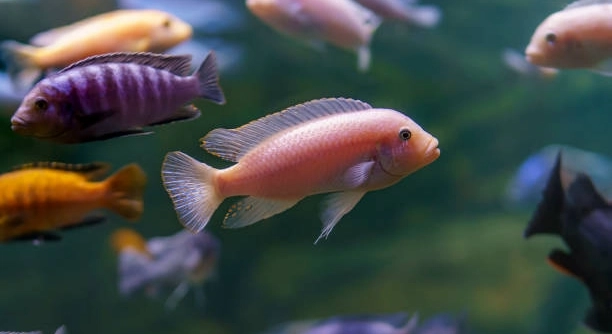
Keeping cichlids happy in a home aquarium can sometimes feel challenging. These colorful fish have distinct needs, and creating a comfortable environment requires more than just water and food. Attention to tank features makes a big difference.
Cichlids are highly responsive to specific tank features that mimic their natural environment. Proper substrate, hiding spots, water flow, decorations, lighting, temperature, and territorial markers promote well-being, reduce stress, and encourage natural behaviors, enhancing their overall health.
Implementing the right tank features transforms your aquarium into a space your cichlids naturally enjoy. These adjustments can improve behavior, comfort, and the visual appeal of your setup.
Substrate That Feels Natural
The type of substrate you choose for your cichlid tank has a major impact on their behavior and comfort. Sand and fine gravel are often preferred because they allow digging, which is a natural behavior for many cichlid species. Avoid sharp or rough materials, as these can injure your fish. Some cichlids like to sift through the sand looking for small food particles, so a soft, smooth substrate helps them perform these actions safely. Substrate color also matters; neutral or darker tones often reduce stress, as bright, unnatural colors can be unsettling. Additionally, maintaining a clean substrate is important to prevent the buildup of harmful bacteria and waste. Regular siphoning and occasional replacement help keep the tank environment healthy. A carefully selected substrate not only supports natural behaviors but also enhances the overall aesthetic, giving the tank a balanced and pleasing look. Watching cichlids interact with their environment is rewarding when the substrate is suitable.
A soft, smooth substrate encourages digging, sifting, and natural behaviors, supporting the fish’s comfort while maintaining tank health and cleanliness.
Substrate acts as the foundation of your tank’s ecosystem. It provides more than just a base—it affects water chemistry, the growth of beneficial bacteria, and the overall stability of the tank. A proper substrate ensures cichlids feel secure, reduces stress, and allows them to exhibit natural behaviors. Selecting the right type also improves the tank’s appearance, giving it a natural, balanced look. Maintenance is simpler with the correct substrate, as waste is easier to remove and bacterial growth can be controlled. For species that love to dig or rearrange their environment, such as African cichlids, the substrate becomes a key element in their daily activity. Choosing the right color, texture, and particle size supports health, behavior, and visual harmony, making it a critical feature of a thriving aquarium.
Hiding Spots and Shelters
Providing hiding spots is essential for cichlids. They need spaces to feel secure and reduce stress in the tank.
Rocks, caves, and driftwood offer shelter where cichlids can retreat, establish territories, and feel safe. Multiple hiding places help minimize aggression among tank mates, especially in species with strong territorial instincts. Hiding spots also encourage natural exploration and breeding behaviors. Placement matters: create both open areas for swimming and secluded spots for retreat. Using natural materials that match the tank’s aesthetic keeps the environment visually appealing while functional. Properly arranged shelters give shy or newly introduced fish a chance to acclimate comfortably, preventing stress-related illness.
When selecting hiding places, consider size, number, and material. Large rocks or ceramic caves work well for bigger species, while small fish need smaller, secure spots. Driftwood not only provides cover but also releases tannins that can slightly soften water, benefiting certain cichlid species. Arranging hiding spots in multiple areas reduces conflict and allows each fish to claim its own territory. Dense clusters or layered structures mimic their natural habitats, giving the fish a sense of control and safety. Watching cichlids use these shelters is rewarding, as it shows their comfort and engagement with the tank. A well-planned setup supports health, reduces aggression, and enhances the aquarium’s overall visual appeal.
Water Flow and Filtration
Cichlids prefer moderate water flow that simulates natural currents. Strong currents can stress them, while stagnant water reduces oxygen levels. Proper filtration maintains water clarity and quality, removing debris and toxins effectively.
Water movement in the tank supports oxygenation and circulation, which is critical for cichlid health. A reliable filter ensures ammonia, nitrites, and nitrates stay at safe levels, preventing stress and disease. Positioning the filter outlet to create gentle, consistent currents allows fish to swim naturally without fighting strong water streams. Regular maintenance, including cleaning filter media and monitoring flow, keeps water conditions stable. This combination of flow and filtration mimics their natural habitats, supporting growth and promoting active, healthy behavior.
Choosing the right filtration system is equally important. Canister filters, sponge filters, or hang-on-back filters each offer unique benefits depending on tank size and population. Adequate water flow ensures waste is carried to the filter efficiently while preventing dead spots where debris accumulates. Observing how cichlids respond to flow helps adjust equipment placement and output. Too much turbulence can make fish avoid certain areas, while too little can cause sluggish behavior. Proper balance fosters a lively, comfortable environment, encouraging natural swimming patterns and overall well-being in the aquarium.
Lighting and Temperature
Consistent lighting helps regulate cichlids’ activity and feeding patterns, while maintaining temperature stability supports metabolism and immune health.
Lighting should mimic natural day-night cycles. LED or fluorescent lights are suitable, providing adequate brightness without overheating. Light intensity should be moderate, highlighting colors without stressing fish. Temperature stability is equally important; sudden changes can cause shock or illness. Most cichlids thrive in the 75–82°F range. Using a reliable heater and thermometer ensures conditions remain constant, promoting comfort and normal behavior. Gradual adjustments prevent stress and help fish adapt to seasonal changes, supporting breeding and daily activity.
Temperature fluctuations affect metabolism, aggression, and feeding habits. Stable warmth encourages growth and reduces vulnerability to disease. Combined with proper lighting, it enhances coloration, making fish appear vibrant and healthy. Lights placed above the tank should avoid direct exposure to reduce algae growth while maintaining visibility. Using timers ensures consistent cycles, helping cichlids distinguish day from night, which regulates sleep and activity. Proper environmental control creates a stable, safe habitat that supports physical health and natural behaviors, making the tank visually appealing and biologically balanced for all inhabitants.
Decorations and Tank Layout
Decorations give cichlids places to explore and claim territory. Rocks, driftwood, and plants create interest and reduce stress.
A balanced layout with open swimming areas and covered spaces prevents aggression. Position decorations to allow hiding spots while keeping pathways clear, promoting natural movement and comfort.
Territorial Markers
Cichlids respond well to visual markers that define their space. Rocks, caves, or plant clusters act as boundaries, reducing conflicts and helping them establish territories. Clearly defined areas support social hierarchy and allow fish to feel secure, encouraging normal behavior and lessening stress in a community tank.
Compatible Tank Mates
Choosing compatible species prevents aggression and stress. Avoid overcrowding and pair cichlids with similar size and temperament. Peaceful community fish or other cichlids with matching habits make cohabitation smoother. Careful selection ensures balance, minimizes conflicts, and promotes a calm, healthy aquarium environment for all inhabitants.
Feeding Stations
Designated feeding areas help cichlids recognize where food is placed. Using separate zones prevents competition, reduces stress, and encourages natural foraging. Consistent feeding routines support healthy growth, maintain water quality, and allow observation of each fish’s appetite and behavior, making feeding time organized and calm.
FAQ
What type of substrate is best for cichlids?
Cichlids prefer soft, smooth substrates like sand or fine gravel. These allow digging and sifting behaviors that are natural for many species. Avoid sharp or rough materials that could injure their delicate mouths and fins. Substrate color should be neutral or dark to reduce stress and create a calming environment.
How many hiding spots should I provide?
The number of hiding spots depends on tank size and the number of fish. Multiple shelters such as caves, rocks, and driftwood reduce aggression and give shy fish areas to retreat. Providing at least one hiding spot per fish or group is a good starting point.
Do cichlids need strong water flow?
Moderate water flow is ideal. Strong currents can stress fish, while stagnant water reduces oxygen levels. Position the filter output to create gentle movement throughout the tank without overwhelming the fish. Flow supports swimming activity and helps maintain water quality.
What is the ideal water temperature?
Most cichlids thrive in temperatures between 75–82°F. Sudden changes can cause stress or illness. Using a reliable heater and thermometer ensures consistent warmth. Gradual adjustments prevent shock and support feeding, breeding, and general activity.
How important is lighting?
Lighting regulates activity and feeding cycles. LED or fluorescent lights provide adequate brightness without overheating the tank. Maintain a consistent day-night cycle with timers to help fish distinguish day from night. Proper lighting also enhances colors and makes the tank more visually appealing.
Can cichlids live with other species?
Yes, if tank mates are compatible in size and temperament. Avoid overcrowding and pair species with similar behavior. Peaceful community fish or other cichlids with matching habits help reduce stress, aggression, and territorial disputes.
How should I arrange decorations?
Create both open swimming areas and secluded spots for retreat. Place rocks, plants, and driftwood to form territories, reduce conflicts, and mimic a natural environment. Proper layout encourages exploration, natural behavior, and reduces stress.
How often should I feed cichlids?
Feed small amounts two to three times a day. Use designated feeding areas to prevent competition and stress. Observe each fish’s appetite and adjust portions to avoid overfeeding, which can harm water quality and fish health.
Do cichlids need special water chemistry?
Yes, maintaining appropriate pH, hardness, and cleanliness is important. Many African cichlids prefer slightly alkaline, hard water, while South American species prefer softer, slightly acidic water. Regular testing and water changes ensure optimal conditions.
How do I reduce aggression in a cichlid tank?
Provide sufficient hiding spots, clearly defined territories, and compatible tank mates. Avoid overcrowding and maintain stable water conditions. Observing behavior and rearranging decorations when needed helps reduce disputes and ensures a balanced, healthy environment.
What decorations are safe for cichlids?
Use smooth rocks, driftwood, and sturdy plants. Avoid sharp or toxic materials that could harm fish. Natural decorations also support normal behavior and improve the tank’s aesthetic. Ensure all items are aquarium-safe before adding them.
Is it necessary to monitor cichlid behavior daily?
Yes, daily observation helps detect illness, aggression, or stress early. Noticing changes in swimming patterns, appetite, or interaction allows for quick adjustments in care, feeding, or tank layout, keeping fish healthy and comfortable.
How do I maintain a clean tank?
Regular water changes, substrate cleaning, and filter maintenance are essential. Remove uneaten food and debris to prevent harmful bacteria buildup. Consistent maintenance ensures water quality and supports fish health, growth, and natural behavior.
Can cichlids breed in a home aquarium?
Many species can breed if the environment mimics their natural habitat. Provide hiding spots, appropriate substrate, stable temperature, and suitable tank mates. Some species may guard eggs or fry, so sufficient shelter and space are crucial.
What is the role of territorial markers?
Territorial markers like rocks and plant clusters define space, reduce aggression, and allow cichlids to feel secure. Clearly defined areas help establish hierarchy, encourage natural behavior, and reduce stress in community tanks.
How do I introduce new cichlids safely?
Quarantine new fish before adding them to the main tank to prevent disease spread. Introduce them gradually, preferably into a tank with multiple hiding spots. Observe interactions closely and rearrange decorations if conflicts arise.
Are there specific feeding tools I should use?
Using feeding rings or designated zones helps control food placement and prevent competition. It allows fish to find food easily and reduces aggression, especially in species that feed aggressively or territorially.
What should I do if aggression escalates?
Separate aggressive fish temporarily or rearrange tank decorations to disrupt established territories. Providing additional hiding spots can reduce tension. Monitoring behavior and maintaining proper tank size is key to long-term harmony.
How do I keep colors vibrant?
Balanced nutrition, proper lighting, and clean water enhance coloration. High-quality pellets, occasional live or frozen foods, and maintaining stable tank conditions contribute to bright, healthy fish. Stress reduction and appropriate tank setup also support natural color expression.
Can cichlids tolerate minor mistakes in tank care?
They are resilient to small changes, but consistent water quality, temperature, and feeding are critical. Repeated or extreme mistakes can cause stress, illness, or aggression. Observing behavior helps correct minor issues before they escalate.
How do I know if my tank is too small?
Signs include frequent aggression, limited swimming space, and stress-related behaviors. Overcrowding impacts health, growth, and social interaction. Ensure the tank provides enough room for each cichlid to swim, establish territory, and retreat when needed.
How often should I test water parameters?
Weekly testing for pH, hardness, ammonia, nitrites, and nitrates is recommended. Frequent monitoring ensures stable conditions, early detection of issues, and supports overall health and behavior of cichlids.
Are live plants beneficial for cichlids?
Yes, sturdy live plants provide hiding spots, improve water quality, and reduce aggression. Some species may uproot them, so choose resilient varieties or use anchored plants. Plants contribute to a natural, comfortable environment.
Do cichlids require supplements?
Occasional vitamins or mineral supplements may support growth and color, especially if diet lacks variety. Ensure supplements are appropriate for species and do not disrupt water chemistry. Overuse can harm fish and tank stability.
Can cichlids adapt to new tank features quickly?
They usually adapt well if changes are gradual. Sudden rearrangements can cause stress and aggression. Introduce new decorations, substrate, or hiding spots slowly, allowing fish to explore and adjust to the environment safely.
How do I prevent algae overgrowth?
Control lighting, avoid overfeeding, and maintain regular cleaning. Live plants compete with algae for nutrients, while proper filtration and water changes limit growth. Occasional algae scrubbing helps keep surfaces clean without stressing fish.
What is the best tank shape for cichlids?
Rectangular tanks with horizontal swimming space are preferred. They allow territory formation, reduce conflicts, and provide sufficient area for exploration. Taller tanks may limit swimming but offer vertical territory options for certain species.
How important is tank stability for cichlids?
Highly important. Stable temperature, consistent water quality, and predictable environment reduce stress, aggression, and illness. Unstable conditions compromise immune function and natural behavior, making careful monitoring essential.
Do cichlids recognize their owners?
They can become familiar with feeding routines and movements, showing excitement or approaching the glass. This behavior reflects memory and conditioning rather than affection but can be rewarding to observe regularly.
Can cichlids live in community tanks?
Yes, with careful selection. Choose species of similar size and temperament, provide hiding spots, and avoid overcrowding. Proper planning ensures compatibility, reduces aggression, and promotes a balanced environment.
What common mistakes should I avoid?
Overcrowding, sudden temperature changes, insufficient hiding spots, improper substrate, and poor water quality are frequent issues. Maintaining stable conditions and observing fish behavior prevents stress, disease, and aggression, supporting overall health.
How do I know if my cichlids are healthy?
Healthy fish are active, eat regularly, show vibrant colors, and interact normally. Lack of appetite, clamped fins, or erratic swimming signals stress or illness. Early observation allows prompt care adjustments.
Can decorations affect breeding?
Yes, caves, rocks, and plants provide secure breeding sites. Appropriate substrate and shelter encourage natural spawning and protect eggs and fry from aggression or stress.
How do I manage multiple cichlid species?
Ensure similar size, temperament, and environmental needs. Provide ample hiding spots and define territories clearly. Monitor behavior closely and separate fish if aggression becomes excessive. Proper planning minimizes conflict and supports harmony.
Are there signs of stress I should watch for?
Signs include hiding excessively, loss of appetite, faded color, or constant chasing. Address causes immediately, such as water quality issues, overcrowding, or aggression, to restore comfort and health.
What maintenance routine is recommended?
Weekly water testing, partial water changes, substrate cleaning, and filter maintenance maintain optimal conditions. Daily observation helps detect early signs of stress or illness. Consistency is key to a healthy, balanced tank.
How can I encourage natural behavior?
Provide proper substrate, hiding spots, decorations, moderate flow, stable temperature, and compatible tank mates. Structured environments allow cichlids to explore, dig, defend territory, and interact naturally, improving comfort and well-being.
Can stress affect breeding?
Yes, stress inhibits spawning and parental care. Stable water conditions, sufficient hiding spots, and minimal aggression are essential for successful breeding and fry survival.
Do cichlids need specific water hardness?
Yes, depending on species. African cichlids prefer hard, alkaline water, while South American species thrive in softer, slightly acidic conditions. Regular testing ensures appropriate water chemistry for health and behavior.
What is the best way to introduce new tank features?
Add decorations, substrate, or plants gradually. Allow fish time to explore and adapt. Sudden changes may cause stress or aggression, so observe behavior and make adjustments slowly.
How can I prevent aggression between males?
Provide multiple hiding spots, visual barriers, and enough space. Separating dominant individuals or rearranging territories reduces conflict and supports coexistence. Observing interactions helps maintain harmony.
Are artificial plants safe for cichlids?
Yes, if made from aquarium-safe materials. Choose sturdy, non-toxic plants that withstand digging or nipping. Artificial plants offer cover and decoration without affecting water chemistry.
What type of food is best for cichlids?
High-quality pellets or flakes form the main diet, supplemented with frozen or live foods. Balanced nutrition promotes growth, coloration, and health. Avoid overfeeding, which can harm water quality.
How do I monitor water quality effectively?
Use test kits for pH, hardness, ammonia, nitrites, and nitrates regularly. Record results and make adjustments as needed. Maintaining stable conditions supports overall fish health and comfort.
Can cichlids live in tanks smaller than recommended?
They may survive but show stress, aggression, and stunted growth. Proper tank size is essential for territory formation, natural behavior, and long-term health.
How do I adjust tank conditions seasonally?
Maintain temperature, lighting, and water chemistry consistently. Gradual adjustments prevent stress, especially during seasonal changes. Monitor fish response and correct as needed to maintain comfort.
Are there signs of illness I should recognize?
Symptoms include lethargy, loss of appetite, faded color, frayed fins, or abnormal swimming. Early detection allows treatment before the condition worsens.
How important is observing feeding behavior?
Crucial. Appetite changes indicate stress, illness, or social issues. Monitoring feeding helps adjust portions, detect problems, and ensure all fish receive adequate nutrition.
Can rearranging the tank reduce aggression?
Yes, moving decorations or adding hiding spots can disrupt established territories and reduce conflicts. Gradual changes help fish adapt without causing stress.
What are the benefits of driftwood?
Driftwood provides shelter, territorial boundaries, and surfaces for exploration. Some types release tannins that slightly soften water, benefiting certain cichlid species and adding a natural aesthetic.
How do I prevent overfeeding?
Feed measured portions, remove uneaten food, and stick to a consistent schedule. Overfeeding harms water quality, encourages aggression, and can lead to obesity.
Can cichlids live with non-cichlid species?
Only if tank mates are peaceful, similar in size, and environmental needs align. Adequate space, hiding spots, and careful observation are required to maintain harmony.
How do I encourage breeding behavior?
Provide secure hiding spots, suitable substrate, stable temperature, and compatible mates. Reducing stress and offering proper nutrition supports spawning and fry survival.
Are there visual cues that cichlids use for territory?
Yes, rocks, caves, plants, and substrate patterns act as territorial markers. Clear boundaries reduce conflicts and help fish establish dominance and security within the tank.
What maintenance helps prevent disease?
Regular water changes, substrate cleaning, filter upkeep, and monitoring water parameters maintain optimal conditions. Early detection of stress or illness is key to prevention.
Do cichlids benefit from observation and interaction?
Yes, watching their behavior allows early problem detection, encourages proper care, and enhances understanding of individual needs, supporting overall health and comfort.
How can I make my tank visually appealing for cichlids?
Use natural substrates, decorations, plants, and proper lighting. Balanced layout, sufficient hiding spots, and clear swimming areas create an aesthetically pleasing and comfortable environment for fish.
What common mistakes reduce cichlid happiness?
Overcrowding, poor water quality, insufficient hiding spots, sudden temperature changes, and incompatible tank mates. Correcting these factors improves comfort, behavior, and health.
How do I manage multiple males?
Provide ample hiding spots, visual barriers, and space to reduce aggression. Monitor interactions and separate dominant fish if necessary to maintain harmony.
Can I mix African and South American cichlids?
Not recommended due to different water chemistry, temperament, and habitat needs. Mixing can cause stress, aggression, and health issues. Separate tanks are safer.
How long should I acclimate new cichlids?
Acclimate slowly over 1–2 hours using a drip or float method. Gradual adaptation prevents shock from water chemistry differences and reduces stress.
Do cichlids need seasonal lighting changes?
Maintaining a consistent day-night cycle is more important than seasonal variation. Consistent lighting supports normal behavior, feeding, and sleep patterns.
What are effective ways to reduce stress?
Provide hiding spots, stable water conditions, compatible tank mates, and gradual environmental changes. Minimizing sudden disturbances ensures comfort and health.
How can I tell if a cichlid is comfortable?
Active swimming, normal feeding, bright coloration, and exploration of the tank indicate comfort. Shy or hiding behavior may signal stress or discomfort.
Can decorations influence feeding behavior?
Yes, designated feeding areas near rocks or plants help organize mealtime, reduce competition, and encourage natural foraging behaviors.
How often should I rearrange the tank?
Only when necessary, such as reducing aggression or improving flow. Frequent changes can stress fish. Gradual adjustments are best.
Do cichlids require water softening or hardening?
Depends on species. African cichlids prefer hard, alkaline water, while South American species favor softer, slightly acidic conditions. Adjust gradually to avoid stress.
How do I balance open and covered areas?
Provide enough swimming space for activity while maintaining hiding spots for security. A mix supports natural behavior and reduces stress.
Can lighting affect aggression?
Bright, constant lighting may increase visibility and territorial disputes. Moderate, consistent lighting reduces stress and maintains natural behavior patterns.
Is quarantine necessary for new fish?
Yes, it prevents introducing disease and allows observation before adding fish to the main tank. A minimum of two weeks is recommended.
How do I maintain stable water chemistry?
Regular testing, partial water changes, and avoiding sudden chemical adjustments ensure stable pH, hardness, and nutrient levels. Stability supports health and natural behavior.
What is the role of plants in stress reduction?
Plants provide hiding spots, visual barriers, and enrich the environment. Dense or layered planting helps shy or territorial fish feel secure and reduces conflicts.
Can cichlids adapt to different tank layouts?
They adapt gradually if changes are introduced slowly. Sudden rearrangements may cause aggression or stress. Allow exploration and adjust carefully.
How do I support cichlid growth?
Provide balanced nutrition, stable water conditions, and sufficient space. Appropriate tank features like substrate, hiding spots, and moderate flow promote healthy development.
Are artificial caves as effective as natural ones?
Yes, as long as they are smooth, stable, and large enough for shelter. Material should be aquarium-safe and allow territorial establishment.
How often should I clean decorations?
Clean periodically during water changes to remove algae and debris. Avoid harsh chemicals that could harm fish. Regular maintenance keeps surfaces safe and visually appealing.
Do cichlids need varied terrain?
Yes, rocks, slopes, and uneven substrate encourage exploration, natural digging, and territory establishment. A mix of terrain supports activity and comfort.
Can water temperature affect aggression?
Yes, cooler or fluctuating temperatures can reduce activity but may increase irritation. Stable warmth encourages natural behavior and reduces conflict.
What is the ideal tank size per cichlid?
Provide at least 10–20 gallons per small to medium cichlid and more for larger species. Adequate space supports territory, swimming, and social behavior.
How do I maintain consistent feeding routines?
Feed at the same times each day using measured portions. This consistency reduces stress, encourages natural behavior, and prevents overeating or competition.
Are there signs that hiding spots are insufficient?
Excessive chasing, prolonged hiding in one area, or stress-related behavior suggests a need for additional shelters or reorganization.
Can water flow influence breeding?
Yes, gentle, consistent flow mimics natural habitats and encourages natural behaviors, while strong currents may disrupt spawning and fry care.
How do I prevent overcrowding?
Calculate space based on species size and behavior, avoid overstocking, and provide sufficient territories. Adequate space reduces aggression and stress.
Is temperature or pH more critical for cichlids?
Both are critical, but rapid temperature changes often cause immediate stress. pH should remain stable to support long-term health and behavior.
How do I know if a tank feature is working?
Observe behavior: active swimming, exploration, reduced aggression, and use of hiding spots indicate features support comfort and natural
Caring for cichlids successfully comes down to understanding their natural needs and creating an environment that supports them. Every aspect of the tank, from substrate to water flow, hiding spots, decorations, lighting, and temperature, contributes to their well-being. A soft, smooth substrate allows digging and sifting behaviors, while carefully placed rocks, caves, and driftwood provide shelter and reduce aggression. The right balance of open swimming space and covered areas helps cichlids feel secure while encouraging natural movement. These features are not only important for their comfort but also for maintaining a visually appealing tank that mimics natural habitats.
Proper water conditions are just as critical as physical features. Maintaining stable temperature and consistent water chemistry ensures that fish remain healthy and active. Moderate water flow and reliable filtration support oxygenation and remove waste, keeping the environment clean and safe. Lighting should follow a regular day-night cycle to regulate activity and feeding patterns, while avoiding overly bright conditions that can stress the fish. Feeding routines in designated areas help reduce competition and make it easier to monitor each cichlid’s appetite and health. Paying attention to these details allows cichlids to thrive, exhibit natural behaviors, and maintain their vibrant coloration.
Observing cichlids closely is essential for long-term success. Behavior provides clear insight into comfort, stress, and potential issues before they become serious problems. Aggression, hiding, changes in appetite, or faded color often indicate that adjustments in tank features or water conditions are needed. Introducing new decorations, fish, or features gradually allows adaptation without causing unnecessary stress. Regular maintenance, including water changes, filter cleaning, and substrate care, supports a stable environment and healthy fish. By focusing on these fundamentals, you create a space where cichlids feel secure, explore freely, and interact naturally. A well-maintained tank not only promotes their health and growth but also provides a rewarding experience for anyone caring for these intelligent and active fish.

Hello,
If you enjoy the content that we create, please consider saying a "Thank You!" by leaving a tip.
Every little bit helps us continue crafting quality advice that supports the health, happiness, and well-being of pets around the world, for pets of all shapes, sizes, and species.
We really appreciate the kindness and support that you show us!