
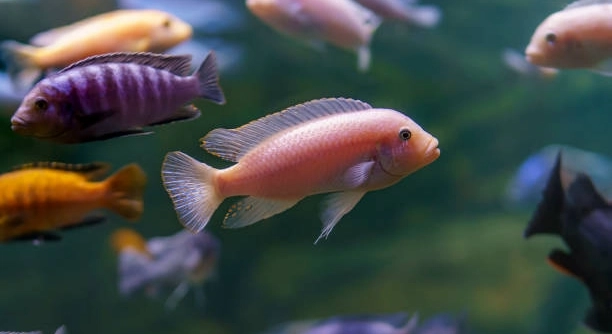
Convict cichlids are popular aquarium fish known for their striking patterns and lively behavior. Many aquarists enjoy keeping them, but their interactions can vary depending on tank size, group dynamics, and environmental conditions. Understanding their behavior helps ensure harmony.
Convict cichlids can display increased aggression when kept in groups, particularly in confined spaces. Territorial disputes and hierarchical establishment often lead to frequent chasing and nipping, which can be minimized through proper tank management and providing adequate hiding spots.
Observing their group interactions closely allows owners to maintain a balanced and peaceful environment in the aquarium. Careful planning ensures both the fish’s well-being and a more enjoyable viewing experience.
Understanding Aggression in Convict Cichlids
Convict cichlids are naturally territorial, and their aggression often increases when multiple fish share the same tank. In groups, they establish dominance hierarchies, with the most dominant individuals controlling prime areas. Smaller or weaker fish may become targets of constant chasing or nipping. Aggression can also escalate during breeding periods, as pairs guard their chosen spawning sites. Tank size plays a crucial role; overcrowding amplifies stress and heightens confrontations. Providing adequate hiding spots, such as rocks, plants, or decorations, allows less dominant fish to escape, reducing overall tension. Environmental factors like water quality, temperature, and feeding schedules further influence behavior. Consistent monitoring helps identify patterns early and allows timely interventions. Observing these dynamics makes it easier to maintain harmony and prevent injuries. While convict cichlids are known for their spirited nature, careful planning and attention to their needs can create a balanced group, where aggression is present but manageable, and the fish can thrive.
Groups of convict cichlids often show more activity and occasional chasing than solitary individuals, especially when space is limited.
Aggression is not always destructive if properly managed. By arranging the tank with multiple territories and visual barriers, each fish can claim a personal area, reducing the need for constant conflict. Introducing fish in stages, rather than all at once, helps establish social order more smoothly. Feeding strategies also play a role; distributing food evenly prevents competition over limited resources, which can trigger aggressive behavior. Some aquarists separate highly aggressive fish temporarily to maintain balance. Observation is key, as subtle changes in posture or coloration often indicate rising tension. Over time, a well-structured environment allows most group interactions to remain controlled, letting the natural behaviors of convict cichlids be observed without significant harm. Understanding these dynamics can improve both fish welfare and the overall enjoyment of maintaining a lively, yet peaceful, aquarium community.
Managing Group Dynamics Effectively
Keeping a larger tank with enough hiding spaces helps minimize conflict among convict cichlids.
When adding multiple convict cichlids to a tank, careful planning can prevent excessive aggression. Introduce fish gradually, giving each time to adjust. Large tanks with distinct territories reduce stress, allowing fish to coexist peacefully. Visual barriers like rocks, plants, or ornaments create separate areas and help break line-of-sight confrontations. Consistent water conditions and feeding routines maintain a stable environment, which lowers tension. Some owners separate highly aggressive individuals temporarily or permanently to protect weaker fish. Observing interactions daily allows early detection of potential problems. Recognizing signs of stress, like constant chasing or fin damage, is critical. Providing multiple food sources ensures no single fish dominates feeding. Over time, convict cichlids usually establish a hierarchy that minimizes fights, while still displaying natural territorial behaviors. Maintaining this balance requires attention and adjustments, but results in a healthier, more stable aquarium where aggression exists but is controlled, supporting the fish’s overall well-being and making group keeping more manageable.
Signs of Aggression to Watch
Fin nipping, chasing, and sudden color changes are common indicators of aggression among convict cichlids. These behaviors usually appear more frequently when space is limited or when establishing dominance in a group. Monitoring these signs helps prevent serious injuries.
Aggressive interactions often escalate during feeding or breeding periods. Dominant fish may block access to food or chase others from prime spots, while less dominant individuals hide or become stressed. Observing patterns over time allows for better tank management. Recognizing early warning signs, such as constant tail chasing, flared gills, or territorial displays, can help you intervene before injuries occur. Consistent observation ensures all fish remain healthy and reduces unnecessary stress in the aquarium.
Subtle behaviors can indicate rising tension before full aggression appears. Eyeing other fish closely, posturing, or minor nips often precede more serious confrontations. By noting these early signals, owners can rearrange territories, add hiding spaces, or separate individuals if needed. Maintaining a calm environment helps the group establish a more stable hierarchy. Small adjustments, like relocating decorations or adjusting feeding routines, can prevent aggressive behaviors from becoming harmful. These proactive steps support both the fish’s well-being and a more peaceful aquarium.
Environmental Factors Affecting Behavior
Tank size, water conditions, and hiding spots strongly influence convict cichlid aggression. Smaller tanks with poor layout increase tension, while well-structured environments reduce conflicts and stress.
Water quality and temperature also impact behavior. Poor conditions can make fish irritable and more likely to attack others. Adequate space, consistent temperature, and clean water help maintain calmer interactions. Decorations like rocks, plants, and caves create boundaries and allow fish to escape confrontations, which reduces stress. Regular observation of water parameters and tank layout adjustments ensure that environmental stressors do not contribute to aggressive behavior. Feeding practices matter too, as uneven distribution or limited food can trigger disputes. By controlling environmental factors, owners can reduce tension, allowing convict cichlids to display natural behaviors without frequent conflict.
Group Size Considerations
Smaller groups tend to show less aggression overall, as fewer fish compete for territory. Overcrowding amplifies chasing and nipping, making stress more common. Monitoring group size helps maintain balance.
Larger groups can spread aggression across multiple fish, sometimes reducing direct attacks on any single individual. However, space must be adequate to prevent conflicts and allow fish to establish territories without constant confrontation.
Breeding and Territorial Behavior
During breeding, convict cichlids become highly protective of their chosen nesting sites. They guard eggs and fry aggressively, chasing any intruders away. Even in a well-planned tank, these behaviors can cause tension among other fish. Providing multiple hiding spaces and separate territories helps reduce stress and injuries.
Feeding Strategies
Distributing food evenly throughout the tank minimizes competition. Multiple feeding points prevent dominant fish from controlling resources and reduce aggressive interactions among the group.
FAQ
Why are my convict cichlids so aggressive in groups?
Aggression in groups is usually linked to territory and hierarchy. Each fish tries to claim a space, especially in smaller tanks. Dominant individuals chase weaker ones to assert control. Breeding periods and limited hiding spots can intensify this behavior. Stress and poor water conditions can also make aggression worse.
How can I reduce fighting in a group of convict cichlids?
Increasing tank size and adding decorations or plants creates multiple territories. Providing hiding spots allows less dominant fish to escape confrontations. Feeding at different locations prevents fights over food. Introducing fish gradually and observing interactions helps establish a calmer social order. Temporary separation of aggressive individuals may also be necessary.
Do all convict cichlids fight in groups?
Not all fish will display constant aggression. Some establish a hierarchy quickly and coexist peacefully. The level of fighting depends on tank size, number of fish, environmental setup, and individual temperament. Observing early warning signs of tension helps prevent severe injuries.
What tank size is best for multiple convict cichlids?
A tank of at least 30 gallons for a small group is recommended. Larger groups require proportionally more space to reduce territorial disputes. Extra room allows fish to claim personal areas, minimizing direct conflict. Visual barriers and hiding spaces further support a balanced environment.
How do breeding pairs affect group dynamics?
Breeding pairs become highly territorial and will chase other fish from their nesting site. This can increase overall aggression in the tank. Providing separate territories or additional hiding spots helps reduce stress on both the pair and other tank inhabitants. Close monitoring during this period is essential.
Can aggression harm my fish?
Yes, frequent chasing and nipping can cause stress, fin damage, or injuries. Stress lowers immunity, making fish more susceptible to illness. Early identification of aggressive behavior and intervention through tank adjustments or temporary separation helps prevent long-term harm.
Are there behavioral signs to watch for?
Look for flared gills, rapid chasing, tail nipping, and changes in color. Subtle behaviors, like posturing or eyeing other fish closely, can indicate rising tension. Observing these signs early allows timely adjustments to tank layout or group management to reduce aggression.
Does feeding affect aggression?
Feeding routines play a significant role. Dominant fish may try to monopolize food, triggering fights. Distributing food in multiple areas and using slow-sinking or scattered feeding methods reduces competition. Consistent schedules help maintain calm and predictable interactions.
Can rearranging the tank help manage aggression?
Yes, moving decorations, plants, or rocks can break line-of-sight conflicts and create new territories. Changes should be gradual to prevent added stress. Strategic placement of hiding spots allows weaker fish to escape, lowering tension in the group.
Is it better to keep convict cichlids alone or in groups?
Both setups work, but groups require careful management. Alone, aggression is minimal, but social interaction is reduced. In groups, providing enough space, hiding spots, and monitoring behavior ensures that natural social behaviors are expressed safely without excessive fighting.
How do I introduce new fish to an established group?
Introduce new fish gradually, ideally in a separate section or with a divider initially. This allows the existing group to acclimate without immediate territorial disputes. Observe interactions closely and remove any fish showing excessive aggression toward the newcomer.
Can environmental stress increase aggression?
Yes, poor water quality, fluctuating temperature, or insufficient hiding spots make fish more irritable. Stable water parameters, consistent temperature, and adequate enrichment help reduce stress, making the group less prone to aggressive confrontations.
What are some long-term strategies to manage aggression?
Maintain a spacious tank with multiple territories, provide ample hiding spots, and monitor fish behavior daily. Gradually introduce new fish, distribute food evenly, and separate overly aggressive individuals if necessary. Over time, these strategies help the group settle into a manageable social structure, reducing overall conflict.
Is aggression in convict cichlids a sign of illness?
Not always, but sudden increases in aggression can indicate stress or underlying health issues. Check water quality, feeding, and tank conditions first. Monitor fish for signs of disease, injury, or unusual behavior that may contribute to irritability.
How do I know when intervention is necessary?
Intervene if chasing causes injury, fin damage, or persistent hiding. Adjust tank layout, provide more hiding spaces, separate aggressive fish, or reduce group size. Early intervention prevents long-term harm and helps maintain a stable, peaceful aquarium.
Are some convict cichlids naturally more aggressive than others?
Yes, individual temperament varies. Some are bolder and more territorial, while others are submissive. Observing each fish and understanding their behavior allows better management of the group, reducing stress for all tank inhabitants.
Can aggression affect breeding success?
High aggression can stress fish, reduce spawning behavior, or harm fry. Providing separate breeding territories and minimizing conflicts improves the chances of successful reproduction and healthy offspring.
Do hiding spots really help reduce aggression?
Absolutely. Hiding spots break line-of-sight, allow retreat from dominant fish, and reduce overall tension. Rocks, plants, and caves create multiple territories and make the tank feel less crowded, which directly lowers aggressive encounters.
How often should I monitor aggression?
Daily observation is ideal. Early detection of tension prevents serious injuries. Note chasing, nipping, and subtle posturing to make timely adjustments to tank layout, group size, or feeding methods, ensuring a balanced and healthy aquarium environment.
Is there a limit to how many convict cichlids can be kept together?
Yes, the limit depends on tank size, territory availability, and hiding spaces. Overcrowding leads to constant aggression, stress, and injury. Careful planning ensures that the group size allows natural social behavior without excessive fighting or health risks.
Can aggression ever be completely eliminated?
No, aggression is a natural behavior, especially in groups. The goal is to manage and reduce it, not eliminate it. Proper tank design, monitoring, and intervention allow aggression to remain within safe limits while letting fish display natural behaviors.
Does age affect aggression?
Yes, younger fish may fight less but establish dominance as they grow. Adult fish are usually more territorial, especially during breeding. Observing age-related behavior helps in arranging territories and managing group dynamics effectively.
How important is tank layout in preventing fights?
Tank layout is crucial. Visual barriers, multiple hiding spots, and distinct territories allow fish to escape conflicts and reduce tension. A well-planned layout distributes aggression across the tank, preventing any one fish from being constantly targeted.
Are there any behavioral cues before full-blown fights occur?
Yes, subtle cues like eyeing, chasing, flaring gills, or slight nipping often precede major aggression. Recognizing these signs early allows adjustments to territory, tank layout, or feeding strategies, preventing serious conflicts and injuries.
Can adding more fish reduce aggression?
Sometimes. Larger groups can diffuse aggression across multiple fish, reducing direct targeting of individuals. However, space must be sufficient, and adequate hiding spots are essential. Simply adding fish without proper planning may worsen stress and fighting.
How do I handle an overly aggressive individual?
Separate aggressive fish temporarily or permanently to protect others. Rearrange territories and provide extra hiding spots. Observation helps identify which fish cause the most stress, ensuring a safer, calmer environment for the remaining group.
Does aggression decrease over time?
Often, yes. As hierarchy stabilizes and territories are established, chasing and fighting usually decrease. Proper tank management and sufficient space allow fish to coexist with minimal stress, while still showing natural territorial behavior.
What should I do if injuries occur?
Remove injured fish if necessary and treat wounds. Check water quality to prevent infections. Assess the cause of aggression and adjust tank layout, group size, or hiding spots to prevent future incidents. Early action helps maintain a healthy aquarium.
Can tankmates influence aggression?
Yes, peaceful or compatible species reduce tension, while aggressive or territorial species may trigger conflicts. Choosing tankmates carefully ensures a more balanced environment and reduces stress-induced aggression among convict cichlids.
Is aggression linked to diet?
Diet affects energy and behavior. Hungry fish may become more aggressive during feeding. Providing regular, balanced meals and spreading food in multiple locations helps reduce competition and limits aggression in groups.
How do I know when the tank setup is sufficient?
If chasing is occasional, hiding spots are used effectively, and no fish are consistently stressed or injured, the setup is likely adequate. Regular monitoring ensures ongoing adjustments as fish grow or behavior changes.
Can lighting affect aggression?
Yes, bright lighting may increase visibility and territorial disputes, while dimmed or natural lighting reduces stress. Adjusting lighting can help create a calmer environment, particularly in tanks with limited hiding spaces.
Is it better to rearrange decorations frequently?
Not frequently, as sudden changes can stress fish. Gradual rearrangements help establish new territories without causing excessive tension. Minor adjustments support balance and prevent one area from being dominated consistently.
How do I maintain harmony long-term?
Consistent observation, adequate space, hiding spots, proper feeding, and careful management of group size keep aggression in check. Intervening early, separating aggressive individuals, and adjusting tank layout help maintain a stable, peaceful aquarium. Over time, a balanced environment allows convict cichlids to thrive naturally.
What is the key takeaway about aggression in groups?
Aggression is natural and inevitable in convict cichlids, but it can be managed with proper tank design, observation, and intervention. Understanding their behavior ensures a healthier, safer, and more enjoyable aquarium environment.
Convict cichlids are naturally territorial and expressive fish. Their behavior can sometimes seem aggressive, especially in groups, but this is part of how they interact and establish social hierarchies. Understanding these tendencies helps in creating a balanced aquarium environment. Observing them closely allows you to notice patterns, such as chasing, nipping, or posturing, which indicate territorial disputes. These behaviors are more pronounced in smaller tanks or during breeding periods. Providing adequate space, hiding spots, and multiple feeding locations can help reduce conflicts. Even in a well-planned setup, minor aggressive interactions are normal and do not necessarily indicate a problem. Recognizing this helps set realistic expectations for keeping a group of convict cichlids, making it easier to respond appropriately when tension arises.
Proper tank management plays a key role in minimizing aggression while still allowing natural behavior. Tank size and layout directly influence how fish interact with each other. Larger tanks with defined territories and visual barriers allow fish to claim spaces without constant confrontation. Rocks, plants, and decorations act as hiding spots and break line-of-sight between more dominant and submissive fish. Consistent water quality, temperature, and feeding routines also reduce stress, which can trigger aggressive behavior. Gradual introductions of new fish and careful observation of interactions ensure that hierarchies are established without severe injury. While aggression cannot be completely eliminated, it can be managed in a way that allows all fish to coexist safely and express normal behaviors. The goal is to create an environment where aggression remains controlled and stress is minimized.
Monitoring convict cichlids regularly and making adjustments as needed is essential for maintaining a healthy group. Early intervention when signs of tension appear prevents serious injuries and long-term stress. Paying attention to fin nipping, chasing, and subtle posturing helps identify which individuals may need extra space or temporary separation. Feeding strategies, such as distributing food throughout the tank, also help reduce competition. Over time, a carefully managed group can settle into a stable hierarchy where aggression occurs but is rarely harmful. By understanding their natural behavior and providing an appropriate environment, owners can enjoy the lively and dynamic interactions of convict cichlids without compromising the health and safety of the fish. This approach ensures a more balanced, peaceful aquarium where both fish and keeper benefit from a well-maintained habitat.

Hello,
If you enjoy the content that we create, please consider saying a "Thank You!" by leaving a tip.
Every little bit helps us continue crafting quality advice that supports the health, happiness, and well-being of pets around the world, for pets of all shapes, sizes, and species.
We really appreciate the kindness and support that you show us!