
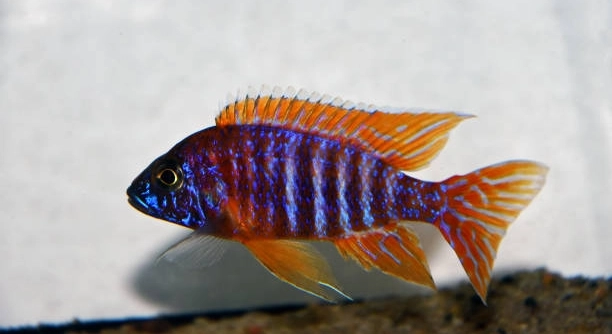
Keeping territorial cichlids can be challenging for any aquarium owner. Their natural instincts make them protective of space, often leading to conflicts. Understanding their behavior and environment is key to maintaining a peaceful and healthy tank.
Effective management of territorial cichlids requires careful tank planning, proper hiding spaces, and strategic selection of compatible species. Providing sufficient territory, consistent feeding schedules, and monitoring interactions reduces aggression while promoting the overall well-being of all fish within the aquarium.
Implementing these strategies can transform a chaotic tank into a balanced, harmonious environment where your cichlids thrive comfortably.
Choosing the Right Tank Size
A spacious tank is essential for territorial cichlids to reduce stress and prevent aggression. Crowded conditions make fish feel threatened, increasing fights and injuries. A larger tank provides distinct territories and hiding spots, allowing fish to establish boundaries naturally. It also ensures proper water circulation and filtration, which are crucial for maintaining water quality. When selecting a tank, consider both the adult size of your cichlids and their activity levels. Some species are more active swimmers, requiring longer tanks, while others need vertical space for vertical territories. Providing separate zones with rocks, plants, or decorations helps mimic their natural habitat. These divisions reduce conflicts and create safe areas for shy or smaller fish. Observing your fish regularly allows you to adjust space and arrangements as needed. Over time, fish will learn their territories, and the tank will feel balanced. Proper planning now prevents aggressive behavior later.
A large tank with well-defined zones gives each cichlid room to establish its territory without constant stress.
Spacing, hiding areas, and territory management are key. This setup minimizes fighting, supports natural behaviors, and keeps the tank peaceful and healthy for every fish.
Monitoring Aggression Levels
Aggression is normal for territorial cichlids, but unchecked hostility can harm the group. Keep an eye on chasing, nipping, or cornering behaviors. Early observation allows intervention before injuries occur. Use visual barriers or rearrange decorations to break up dominant territories. Avoid overcrowding, which can escalate tension. Feeding schedules also influence aggression; providing enough food at consistent times reduces competition. Some species are naturally more assertive, so knowing their temperament helps when pairing fish. Introducing new cichlids slowly allows existing fish to adapt and reduces immediate confrontations. Signs of stress, like faded colors or hiding, indicate a need for changes in the tank layout. Recording interactions over time helps identify patterns of conflict. Consistent monitoring ensures every fish has a safe space.
Regular observation helps maintain harmony and prevents stress-related illnesses, creating a balanced environment for your cichlids.
By actively watching behavior, you can adjust tank conditions to limit aggression. Small changes, like adding hiding spots, rearranging territories, or separating overly dominant fish, help reduce tension. Understanding each cichlid’s personality allows better pairings and timing for new additions. Consistent feeding, appropriate tank size, and environmental enrichment all work together to minimize conflict. Tracking interactions over weeks shows which fish need more space and which tolerate each other. Some temporary separation may be necessary for aggressive individuals. In the long term, these measures support natural behaviors, reduce injuries, and keep the aquarium visually appealing. A carefully monitored and structured tank helps every cichlid thrive, balancing their territorial instincts with a peaceful community environment.
Providing Ample Hiding Spots
Hiding spots reduce stress and aggression among territorial cichlids. Rocks, caves, and dense plants allow shy fish to retreat. Properly placed shelters give each fish its own safe area, helping establish boundaries and minimizing conflicts.
Adding multiple hiding spaces ensures every cichlid can find refuge when needed. Use rocks stacked securely to create caves, leaving open swimming areas between them. Dense plants or artificial decorations provide cover without crowding the tank. Avoid placing all shelters in one area, as this can lead to competition for the same spot. Rearranging decorations occasionally prevents long-term dominance of certain areas and encourages exploration. Providing varied spaces also supports natural behaviors, like nesting or resting, which are essential for well-being. Observing how fish interact with shelters allows adjustments for safety and comfort, ensuring a balanced environment for all inhabitants.
Regular inspection of hiding spots is necessary to ensure stability and accessibility. Broken or collapsed shelters can trap fish or trigger fights. Maintaining these areas preserves peace, supports territorial needs, and reduces stress. Well-planned hiding zones promote natural behavior, improve health, and make daily tank maintenance easier. Attention to these details ensures fish feel secure and the aquarium remains visually organized.
Feeding Strategies
Feeding habits influence territorial behavior. Offering food consistently and in adequate amounts reduces competition and fights among cichlids.
Structured feeding prevents aggressive disputes and supports health. Distribute food across the tank to avoid dominant fish monopolizing it. Use sinking pellets, flakes, or frozen foods based on species preferences. Feeding multiple times a day in small portions ensures all fish eat without stress. Observe each fish during feeding to confirm they are getting enough nutrition. If some fish consistently miss meals, provide separate feeding zones or hand-feed as needed. Proper diet also strengthens immune systems and enhances coloration. Adjust food types and quantities as fish grow or breeding begins. Feeding should never be rushed; calm distribution minimizes chaos.
Consistent feeding patterns reduce territorial aggression and ensure balanced nutrition. Overfeeding or irregular schedules can increase tension. Watching fish during meals identifies individuals struggling to compete. Offering varied diets improves health, reduces stress, and maintains natural behavior. Feeding carefully reinforces the structure of the tank’s social hierarchy, supporting a peaceful environment for all.
Selecting Compatible Species
Choosing compatible cichlid species minimizes aggression. Some species are naturally more dominant, while others are more peaceful. Pairing fish with similar temperaments helps maintain balance and reduces constant fighting in the tank.
Researching species behaviors and adult sizes is essential. Avoid mixing overly aggressive cichlids with smaller, timid ones. Proper selection ensures each fish can establish territory without excessive conflict, creating a calmer aquarium environment.
Maintaining Water Quality
Consistent water quality is critical for territorial cichlids. Poor conditions increase stress and aggression, impacting health and behavior. Regular testing, filtration, and water changes maintain stable parameters, supporting a peaceful tank and strong, healthy fish.
Observing Social Dynamics
Watching how cichlids interact allows adjustments to prevent persistent bullying. Separating aggressive fish when necessary keeps all fish safe and reduces stress.
FAQ
How can I tell if my cichlids are stressed?
Signs of stress in territorial cichlids include faded colors, constant hiding, rapid gill movement, and loss of appetite. Aggressive chasing or repeated fights beyond normal territorial displays also indicate stress. Observing their behavior daily helps identify issues early, allowing adjustments in tank setup or environment to reduce tension.
What is the ideal tank size for multiple territorial cichlids?
A larger tank is always better for territorial species. As a rule, a minimum of 55 gallons is recommended for small groups, but bigger tanks reduce conflicts and allow fish to establish their own territories. Consider tank length, width, and height to provide horizontal and vertical space.
How many hiding spots should I provide?
Multiple hiding spots are necessary. Each fish should have access to at least one or two shelters. Use rocks, caves, or dense plants spread evenly throughout the tank. Rearranging decorations occasionally prevents a single fish from claiming dominant territory, keeping aggression lower.
Can I keep different cichlid species together?
Yes, but only with compatible species. Avoid pairing highly aggressive fish with timid ones. Research temperament, adult size, and natural habitat preferences. Introduce new fish gradually to minimize conflict, and monitor closely during the first few weeks to ensure peaceful coexistence.
How often should I feed my cichlids?
Feeding two to three times daily in small portions is ideal. Distribute food across the tank to prevent dominant fish from monopolizing meals. Offer a mix of pellets, flakes, and occasional frozen foods to meet nutritional needs and maintain vibrant health. Avoid overfeeding, which can pollute water and trigger aggression.
What should I do if one fish is overly aggressive?
Separate the aggressive fish temporarily if chasing or attacks become severe. Adjust hiding spots or rearrange decorations to break up territories. Sometimes simply providing more space or additional shelters can reduce conflict, allowing the tank to return to balance without permanent separation.
How important is water quality for territorial cichlids?
Water quality is critical. Poor water increases stress, which in turn heightens aggression and makes fish more susceptible to illness. Test regularly for ammonia, nitrite, nitrate, and pH. Perform partial water changes weekly and maintain proper filtration to keep conditions stable and healthy for all fish.
Do cichlids need specific decorations?
Yes, decorations support natural behaviors. Rocks, caves, and plants create territories, provide hiding spots, and offer surfaces for breeding. Avoid overcrowding; leave open swimming areas between structures. Rearranging decorations occasionally can prevent long-term dominance and encourage natural exploration.
Can breeding increase aggression?
Yes, cichlids become more territorial during breeding. They guard eggs and fry aggressively. Separate tanks or additional hiding spots may be needed to prevent fights. Monitoring breeding behavior ensures other fish remain safe and reduces stress on all tank inhabitants.
How do I know if my tank setup is working?
Observe fish interactions and behavior. A balanced setup shows minimal persistent aggression, healthy appetites, vibrant colors, and active exploration of the tank. Fish use hiding spots appropriately and show natural behaviors. Adjustments to space, decorations, or species mix can improve harmony if issues arise.
What is the best way to introduce new cichlids?
Introduce new fish slowly, ideally using a quarantine or divider method. This allows residents to adjust without immediate physical contact. Monitor reactions closely for signs of excessive aggression. Gradually remove dividers or acclimate fish to ensure a smooth transition and reduced stress for all individuals.
How do I prevent bullying in a mixed cichlid tank?
Ensure enough space, hiding spots, and compatible species. Monitor interactions, separate overly aggressive fish, and provide multiple feeding zones. Regular observation and minor adjustments to decorations or territories can prevent dominance and support a peaceful environment for all fish.
Can water temperature affect aggression?
Yes, higher temperatures can increase metabolism and activity, sometimes intensifying territorial behavior. Maintain species-specific temperature ranges for stability. Avoid sudden changes, which stress fish and may trigger fights. Stable conditions contribute to calmer interactions and overall health.
Is it necessary to rearrange the tank regularly?
Occasionally rearranging rocks, caves, or plants can prevent long-term territorial dominance. It encourages exploration, reduces fights, and allows timid fish to establish safe areas. Monitor responses carefully, as some fish may temporarily become more defensive before adjusting.
What signs indicate a fish is not adapting to a new tank?
Persistent hiding, refusal to eat, rapid gill movement, and excessive fading in color are red flags. Aggression from or toward other fish may worsen. Intervene by adjusting decorations, separating aggressive individuals, or reviewing water quality and feeding schedules. Early action helps the fish adapt safely.
How can I reduce aggression during feeding?
Spread food evenly, feed small portions multiple times a day, and use sinking or floating options depending on species. Observing which fish struggle ensures all get adequate nutrition. Separate feeding zones or hand-feeding may be necessary for weaker or smaller fish to avoid stress and injury.
Are certain species naturally more aggressive?
Yes, some cichlids are inherently more dominant. Research temperament and behavior before adding them to a tank. Pairing them with similarly assertive fish or providing extra space and hiding spots reduces fights and ensures a balanced environment.
How do I maintain long-term harmony in the tank?
Consistently monitor behavior, maintain water quality, provide adequate space, and adjust hiding spots as needed. Balanced feeding schedules and careful species selection contribute to long-term stability. Regular observation and minor interventions prevent small issues from becoming major conflicts, supporting a peaceful, thriving aquarium.
What is the best way to handle severe fights?
Temporarily remove or isolate aggressive fish. Check hiding spots and territory arrangements. After calming periods, reintroduce fish gradually. Continuous monitoring ensures no lingering tension, reducing stress and injury for all individuals.
Final Thoughts
Managing territorial cichlids requires attention to their natural behaviors and careful planning of their environment. These fish are naturally protective of their space, and without proper management, aggression can quickly escalate. Ensuring your tank is large enough, with plenty of hiding spots and clearly defined territories, is essential. Proper placement of rocks, caves, and plants gives each fish a sense of security and reduces stress. Observing their interactions daily allows you to notice early signs of conflict, such as chasing, nipping, or hiding. Making small adjustments, like adding shelters or rearranging decorations, can prevent aggression from becoming a bigger problem. Consistency in tank conditions, including water quality, feeding, and lighting, also plays a significant role in keeping territorial disputes under control. A stable environment supports natural behavior and helps the fish establish a balance without constant interference.
Feeding strategies and species selection are equally important for maintaining harmony in the aquarium. Providing a variety of nutritious foods in multiple locations prevents dominant fish from taking more than their share, reducing competition and stress. Choosing species with compatible temperaments helps avoid unnecessary fights and ensures all fish can coexist peacefully. Introducing new fish gradually, while monitoring their interactions closely, gives residents time to adjust and reduces the likelihood of conflict. It is also helpful to observe the personality of each individual fish, as some cichlids are more assertive or shy than others. Temporary separation or careful rearrangement of territories may be necessary for overly aggressive fish. These measures, though simple, have a significant impact on the overall health and well-being of all the fish in the tank. A well-planned and thoughtfully managed setup allows territorial cichlids to thrive without constant stress or injury.
Long-term success with territorial cichlids depends on consistent observation, proper tank management, and adaptability. Aggression is natural, but it can be managed with the right approach. Regular water changes, stable temperature, and proper filtration maintain a healthy environment. Ensuring hiding spots and feeding zones are adequate prevents unnecessary stress and competition. Paying attention to how fish interact and adjusting the environment when needed helps maintain balance. Over time, your cichlids will establish their territories, reducing conflicts and allowing for calmer, more predictable behavior. By respecting their natural instincts and providing a supportive environment, you create a tank where all fish can coexist and grow healthily. Careful management and attention to detail result in a peaceful, thriving aquarium that highlights the beauty and unique behavior of territorial cichlids.

Hello,
If you enjoy the content that we create, please consider saying a "Thank You!" by leaving a tip.
Every little bit helps us continue crafting quality advice that supports the health, happiness, and well-being of pets around the world, for pets of all shapes, sizes, and species.
We really appreciate the kindness and support that you show us!