
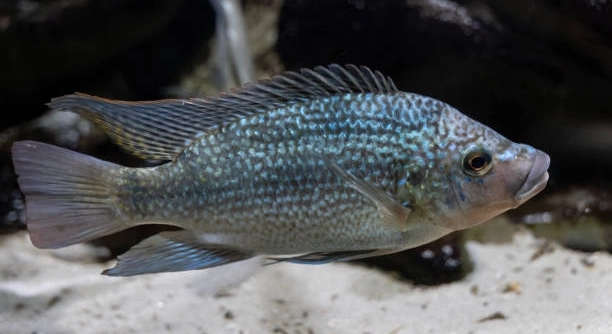
Convict cichlids are small, lively fish that many aquarium owners enjoy keeping. They are known for their strong personalities and territorial behavior. Observing them can be entertaining, especially when they start recognizing patterns in their environment.
Convict cichlids are capable of learning simple routines through repetition and consistent cues. By providing regular feeding times and predictable interactions, these fish can adapt their behavior to follow patterns, demonstrating basic memory and recognition skills.
Learning how to interact with these fish can improve both their well-being and your experience. Consistent routines create a stable environment that benefits convict cichlids over time.
Understanding Convict Cichlids’ Behavior
Convict cichlids are more than just colorful additions to an aquarium. They have clear patterns in their daily behavior that can be observed and gently guided. These fish respond well to consistent routines, such as feeding at the same time each day. Over time, they start associating certain actions or locations with outcomes, like expecting food near a specific spot. Territorial instincts also play a role, as they establish favorite areas and recognize intrusions. Noticing small behaviors, such as swimming toward the front of the tank during feeding, can indicate their learning progress. These patterns are influenced by both environmental consistency and the fish’s natural instincts. By paying attention to their signals and maintaining predictable interactions, owners can create an environment where convict cichlids feel secure and adapt more quickly to daily routines. Observing these behaviors helps in understanding the limits of their memory and response capabilities.
Convict cichlids develop routines faster when their environment is stable. Predictability encourages learning.
Providing a consistent tank setup with familiar hiding spots, feeding areas, and minimal sudden changes allows these fish to recognize and repeat actions. Repetition strengthens their ability to follow patterns and reduces stress. Over time, convict cichlids may anticipate feeding times or react to signals like approaching hands, showing they can learn. Creating a calm, consistent environment encourages healthy behaviors and makes it easier to notice when a fish has adopted a routine.
Training Techniques That Work
Simple cues can help convict cichlids learn predictable behaviors. Regular feeding and consistent movements are effective.
Using small, repeatable actions helps the fish associate signals with outcomes. For example, tapping the tank lightly or approaching the same spot before feeding can condition them to respond. Patience is key, as some fish take longer to recognize patterns than others. Avoid sudden changes in their environment, as it can disrupt their learning and increase stress. Observing how each fish reacts allows adjustments to techniques, improving routine adoption. Over weeks, these small steps build a predictable pattern that the cichlids can follow consistently. This approach not only encourages learning but also strengthens the fish’s comfort within the tank. Maintaining repetition and clear cues ensures that their natural instincts support, rather than conflict with, the routine being established.
Regular routines improve feeding efficiency and reduce aggression between tank mates. A structured approach also makes it easier to monitor their health. Maintaining repetition and consistent signals helps cement learned behaviors. Observing reactions over time provides insight into each fish’s memory capacity and adaptability. Small adjustments, like slightly changing feeding locations or timing, can test their learning and encourage flexibility. By combining predictable cues with careful observation, owners can help convict cichlids adapt to daily routines without stress. Over time, this strengthens their confidence and reduces erratic behaviors. Training does not need to be complex; simple, repeated patterns create a stable environment that promotes learning, healthy interactions, and overall well-being. These strategies allow both the fish and the owner to experience a smoother, more predictable tank environment.
Setting Up a Predictable Environment
A stable tank helps convict cichlids learn faster. Keeping decorations, hiding spots, and feeding areas consistent allows them to recognize their surroundings and develop routines. Sudden changes can confuse or stress the fish, making learning slower.
Arranging the tank in a predictable way gives the fish visual and spatial cues. They remember where food usually appears and where they feel safe. Repeating feeding times reinforces this knowledge, allowing the cichlids to anticipate daily events. Observing their behavior can show when they start responding to these patterns, like moving to the front of the tank at feeding times.
Providing multiple safe spots encourages natural exploration without stress. Convict cichlids can then establish territories while still recognizing the cues associated with routines. Consistency helps reinforce learned behaviors and reduces aggression. Over time, predictable placement of objects and consistent daily patterns create a calmer environment, making it easier to train them with cues like tapping or hand motions. This approach helps the fish feel secure and confident in following routines.
Reinforcing Learned Behaviors
Rewarding specific actions encourages routine development. Offering food at predictable moments teaches the fish to respond consistently to cues.
Repeating the same actions daily strengthens memory and reinforces behavior. For instance, approaching the tank in the same manner before feeding signals the start of an event. Convict cichlids notice these patterns and begin to anticipate outcomes. Over time, they may respond by swimming to a particular area or showing excitement for feeding. Consistency ensures that learning is maintained and stress is minimized.
Using gradual repetition and timing adjustments improves long-term retention. Short, consistent sessions prevent overwhelming the fish and support natural learning. Observing subtle changes in behavior helps identify when a fish fully associates a cue with a response. Incorporating small environmental adjustments, like moving feeding spots slightly, can test flexibility without causing confusion. Tracking responses over days or weeks confirms whether the routine is established. Reinforcing behaviors in a calm, structured way ensures the fish adapts naturally, enhancing both learning and their overall comfort within the tank.
Recognizing Daily Patterns
Convict cichlids quickly notice repeated events in their environment. Feeding times, light changes, and tank activity become signals they learn to anticipate. Observing these patterns helps in establishing routines that the fish can follow consistently without stress.
Small movements or sounds often act as cues. Approaching the tank the same way each day reinforces their understanding and encourages predictable responses.
Using Visual and Physical Cues
Simple visual cues like hand movements or tapping the tank gently can signal feeding time. Pairing these with consistent timing strengthens learning. Over repeated sessions, the fish begin to associate the cue with an expected outcome. Predictable cues reduce stress and encourage participation in the routine. Fish may swim toward the source of the signal or position themselves near feeding areas in response. Gradually, these cues become part of their daily behavior, making it easier to manage tank interactions. Visual consistency combined with repetition supports memory retention and helps maintain calm, organized behavior patterns within the tank.
Adjusting Routines Gradually
Small changes in timing or placement can test adaptability without causing stress. Careful adjustments keep routines effective.
FAQ
Can convict cichlids really learn a routine?
Yes, convict cichlids can learn simple routines when their environment is consistent. Repeating actions like feeding at the same time and approaching the tank similarly each day helps them recognize patterns. Over time, they start responding predictably, such as swimming to the front during feeding or moving to familiar hiding spots when lights change. Consistency is key, and patience is required, as not all fish learn at the same pace.
How long does it take for them to learn?
Learning speed varies depending on the individual fish and the clarity of the routine. Some convict cichlids may begin responding within a few days, while others may take a few weeks. Factors that influence learning include the stability of the tank environment, frequency of repetition, and minimal sudden changes. Short, consistent sessions are more effective than irregular or long periods of training. Observing subtle behavior changes helps determine when a fish is starting to follow the routine.
What are the best cues to use?
Visual and physical cues work best for convict cichlids. Approaching the tank the same way, tapping lightly, or moving food in a predictable manner signals what will happen next. Fish associate these cues with outcomes like feeding. Consistent timing paired with these signals strengthens learning. Over time, they may swim toward the source of the cue or adjust their behavior in anticipation. Using gentle cues that do not stress the fish ensures they respond positively.
Can changing the tank affect their learning?
Yes, sudden changes in the tank can disrupt routines. Moving decorations, adding new objects, or changing lighting abruptly may confuse the fish and slow learning. Maintaining familiar hiding spots, feeding areas, and visual landmarks helps reinforce routines. Small, gradual changes are more manageable, allowing fish to adapt without stress. Observing their reactions during adjustments ensures that learning continues smoothly. Stability supports both behavioral learning and overall well-being.
Do all convict cichlids learn at the same rate?
No, individual differences exist. Some fish are quick to notice and respond to cues, while others are slower to adopt routines. Personality, age, and previous experiences influence learning speed. Providing consistent routines and gentle repetition helps each fish reach its potential. Patience and observation are important, as pushing too quickly may increase stress or cause erratic behavior.
Is it possible to train multiple convict cichlids at once?
Yes, but it requires careful observation. Dominant individuals may take over feeding areas or respond faster to cues, so smaller or shy fish might need extra attention. Ensuring multiple food points and clear cues for each fish reduces competition and allows all to participate in the routine. Gradual reinforcement for each fish helps maintain calm and predictable behavior in the tank.
Can routines reduce aggression?
Predictable routines can help reduce aggression in convict cichlids. Knowing when feeding occurs and having consistent territories reduces surprise conflicts. While territorial instincts remain, a stable schedule lowers stress and encourages calmer interactions. Gradual introductions of new fish or objects with consistent routines help maintain order and limit disputes. Over time, routine encourages a more balanced tank dynamic.
How can I tell if my fish has learned the routine?
Look for consistent behavior in response to cues. Swimming to the front of the tank at feeding times, positioning near familiar spots, or reacting to hand movements indicates understanding. Sudden movements or confusion when cues are absent may show that learning is still in progress. Tracking behavior over days or weeks provides a clear view of progress.
Can environmental stress affect learning?
Yes, stress interferes with memory and responsiveness. Loud noises, sudden light changes, or aggressive tank mates can make it harder for convict cichlids to learn routines. Minimizing stress through calm handling, predictable feeding, and stable surroundings helps reinforce learned behaviors and encourages healthy responses.
Are there limits to what they can learn?
Convict cichlids can learn simple routines and associate cues with outcomes, but they do not have complex memory like mammals. They respond best to repetition, consistency, and clear signals. Expecting highly complex behaviors may lead to frustration. Simple routines, gentle reinforcement, and observation of small progress yield the best results.
Do feeding routines improve health?
Yes, consistent feeding routines support digestive health and prevent overeating. Predictable meal times reduce stress and encourage fish to be active at specific times. It also allows owners to monitor appetite and detect early signs of illness. A well-structured feeding schedule benefits both behavior and overall well-being.
Can I combine feeding cues with other interactions?
Yes, pairing feeding cues with mild tank interactions like gentle tapping or hand movements can enhance learning. These additional signals reinforce recognition of routine without causing stress. Over time, fish begin responding to multiple consistent cues, which strengthens memory and promotes predictable behavior.
What if my fish forgets the routine?
If routines are interrupted, fish may take a few days to readjust. Consistency is key after disruptions. Returning to the previous schedule and cues gradually restores learned behavior. Some fish may adapt faster than others, so patience and observation remain important to reinforce the routine successfully.
How important is patience in training convict cichlids?
Patience is essential. Learning takes time, and forcing responses can cause stress or aggression. Gentle repetition, consistent cues, and gradual changes allow fish to adapt naturally. Monitoring behavior and adjusting methods when needed ensures routines are learned effectively without negative impact.
Can routines be adapted as fish grow or age?
Yes, routines can be adjusted slowly. As fish grow, they may require different feeding amounts or environmental space. Maintaining consistent cues while modifying timing or locations ensures that learning continues without confusion. Gradual adaptation helps older or larger fish remain comfortable and engaged in predictable behavior.
Do routines affect social behavior?
Consistent routines can improve social interactions by reducing stress and territorial disputes. Predictable feeding and clear cues allow each fish to understand its environment, promoting calmer coexistence. While dominant instincts remain, structured patterns create a more manageable tank dynamic and smoother daily behavior.
Is it necessary to track learning progress?
Tracking behavior is helpful. Noting responses to cues, timing, and positioning shows whether routines are effective. It also highlights fish that may need additional attention. Observation allows adjustments and ensures that learning continues smoothly without causing confusion or stress.
How often should routines be repeated?
Daily repetition is most effective. Consistent cues and schedules strengthen memory and encourage anticipation of events. Irregular timing can confuse fish and slow progress. Short, predictable sessions work best, reinforcing learning without overwhelming or stressing the convict cichlids.
Are there signs a routine isn’t working?
Signs include confusion, avoidance of cues, increased aggression, or lack of response during expected times. These behaviors suggest stress or inconsistency in reinforcement. Adjusting cues, timing, or tank setup gradually can restore effectiveness and help fish return to predictable routines.
Can routines help new fish settle in?
Yes, establishing predictable feeding and environmental patterns helps new fish adapt. Consistent cues reduce stress and allow them to learn where food and hiding spots are. Gradual introduction with clear routines encourages smoother adjustment to the tank and existing inhabitants.
Do all tank setups support routine learning?
Routines are most effective in stable, consistent environments. Tanks with clear hiding spots, minimal sudden changes, and predictable feeding areas allow fish to recognize patterns. Crowded or frequently altered setups can make learning slower or confusing, so stability is essential for routine development.
Is there a risk of overtraining?
Yes, too much repetition or stress from forced interactions can overwhelm fish. Short, gentle sessions with consistent cues are more effective. Allowing time for rest and natural behavior ensures learning occurs without negative effects. Gradual reinforcement supports memory without causing frustration or aggression.
Can cues be combined with feeding schedules?
Combining visual or physical cues with regular feeding enhances learning. Fish associate the cue with the expected outcome, strengthening routine adoption. Consistent timing and repeated pairing reinforce recognition, making responses predictable and reducing stress over time.
How do I maintain routines long-term?
Long-term maintenance relies on consistency, repetition, and observation. Keeping feeding times, environmental cues, and tank layout stable ensures routines remain effective. Occasional gradual adjustments are acceptable if done carefully. Observing fish behavior helps identify when reinforcement or minor changes are needed to sustain predictable patterns.
Do routines make daily care easier?
Yes, predictable behavior simplifies feeding, cleaning, and health monitoring. Fish that follow routines reduce surprises, making interactions smoother and stress lower. Daily tasks become more manageable, and it is easier to notice changes in appetite, activity, or health.
Are routines beneficial for all fish in the tank?
Most fish benefit from consistency, but individual differences exist. Shy or less dominant fish may need extra care or feeding points. Maintaining clear cues and predictable schedules helps all inhabitants participate in routines without conflict. Observing responses ensures every fish adapts comfortably.
Can routines replace other forms of enrichment?
Routines support learning and stability but do not replace environmental enrichment. Providing hiding spots, plants, and gentle variation in surroundings keeps convict cichlids mentally stimulated. Combining routine with enrichment encourages natural behavior and reduces stress while maintaining predictable daily patterns.
What if my fish ignores the routine?
Some fish may respond slowly or need more repetition. Consistency, patience, and gentle cues are essential. Gradually reinforcing routines allows them to adapt without stress. Ignoring cues may indicate stress, disruption, or insufficient reinforcement, which can be addressed through observation and careful adjustments.
Do routines affect feeding aggression?
Yes, structured feeding reduces competition. Predictable schedules and multiple food points prevent dominant fish from taking over. Clear cues help each fish understand when and where to eat, reducing stress and conflicts during feeding times.
Can routines improve observation of health issues?
Following predictable routines makes it easier to notice changes in behavior, appetite, or movement. Sudden deviations from learned patterns can indicate illness, stress, or environmental problems, allowing earlier intervention and better care.
Are routines suitable for all tank sizes?
Yes, small or large tanks benefit from consistent patterns. In smaller tanks, cues help fish understand their space, while in larger setups, routines guide behavior and reduce stress. Stability and predictability improve learning regardless of tank size.
Can routines be adapted for breeding pairs?
Yes, feeding and environmental cues can support breeding behavior. Consistent routines reduce stress and help pairs recognize each other and nesting areas. Gradual adjustments ensure comfort and encourage predictable, healthy reproductive behavior.
How often should I adjust cues or timing?
Adjustments should be gradual and infrequent. Sudden changes can confuse fish. Minor shifts test adaptability while maintaining consistency. Observing reactions ensures that the fish continue to follow routines without stress or disruption.
Do routines help in multi-species tanks?
Yes, consistent cues and feeding schedules support harmony. Each species responds to predictable patterns, reducing conflicts. Careful observation ensures that routines meet the needs of all tank inhabitants without increasing stress or aggression.
Is it possible to track routine learning effectively?
Yes, noting behaviors daily helps monitor progress. Recording responses to cues, timing, and positioning shows which routines are effective and which need adjustment. Tracking allows for gradual improvements and ensures that learning continues smoothly.
What are common mistakes when establishing routines?
Common errors include inconsistent timing, sudden environmental changes, overfeeding, and using confusing cues. These disrupt learning and increase stress. Maintaining stable, clear patterns with gentle repetition ensures the fish understand and follow routines effectively.
How do I balance routines with natural behavior?
Routines should guide, not replace, natural behaviors. Providing exploration space, hiding spots, and opportunities for territorial activity allows fish to act instinctively while still following predictable patterns. Balancing structure and freedom supports overall health and well-being.
Are routines more effective for certain ages of fish?
Younger fish may learn faster, while older fish take longer but can still adapt. Adjusting repetition and cues to suit the fish’s stage ensures effective learning without stress, making routines practical for all ages.
Do routines influence activity levels?
Yes, predictable events encourage activity at specific times. Fish may become more alert before feeding or during environmental cues. This structured activity helps maintain fitness, reduces boredom, and improves overall tank dynamics.
Can routines help reduce hiding behavior?
Yes, consistent cues signal safety and predictability. Fish may emerge more often during expected events like feeding. While territorial instincts remain, stable routines reduce unnecessary hiding and encourage more visible, active behavior in the tank.
What tools are useful for tracking routines?
Simple logs, notebooks, or apps can record feeding times, responses, and behavior changes. Tracking allows evaluation of progress, identification of patterns, and adjustments when needed. Observation paired with records ensures routines are effective and sustainable.
Is reinforcement necessary for routine maintenance?
Yes, occasional reinforcement keeps learned behavior consistent. Even after routines are established, repeating cues and maintaining schedules helps prevent regression and ensures the fish continue responding predictably.
How do I know when to introduce new routines?
Introduce changes gradually, observing responses first. When fish consistently follow current routines, small additions or adjustments can be made. Gradual implementation prevents confusion and ensures ongoing learning without stress.
Can routines affect lifespan or overall health?
Stable routines reduce stress, encourage regular feeding, and support natural behavior. Over time, this promotes overall well-being and can positively influence longevity. Predictability in the environment contributes to healthier, calmer convict cichlids.
Do environmental enrichments interfere with routines?
Properly planned enrichments complement routines. Hiding spots, plants, and safe objects enhance mental stimulation while maintaining consistent feeding and cues. Balancing enrichment and routine encourages natural behavior without disrupting learned patterns.
Are routines flexible for vacation or absence?
Short absences can be managed by automatic feeders or pre-established schedules. Long breaks may require gradual reintroduction of routines to avoid confusion. Maintaining cues and consistency ensures the fish quickly readapt after absence.
Can routines help with aggressive tank mates?
Yes, predictable feeding and cues reduce competition and stress. Clear patterns allow all fish to anticipate events, lowering aggression and creating a calmer tank environment. Observation ensures routines are effective for all inhabitants.
Do routines need to be modified seasonally?
Minor seasonal adjustments in light, temperature, or feeding amounts can be incorporated gradually. Maintaining overall consistency ensures fish continue to follow routines without stress. Careful monitoring ensures adaptations are safe and effective.
How do I prevent routines from becoming boring for the fish?
Adding small variations in enrichment while keeping cues and feeding consistent keeps fish engaged. Changing decorations or introducing new safe objects gradually prevents boredom without disrupting established routines.
Can routines help detect illness early?
Yes, deviations from learned patterns often indicate health issues. Monitoring behavior during routine events allows early detection of illness, appetite changes, or stress, supporting timely care and intervention.
Is it possible to train multiple behaviors simultaneously?
Yes, but keep it simple. Introduce one cue or routine at a time, ensuring the fish learn each before adding another. Gradual, step-by-step reinforcement prevents confusion and strengthens memory.
Do routines affect mating behavior?
Consistent feeding and cues create stability, which can encourage natural courtship behaviors. Predictable conditions reduce stress and allow pairs to recognize nesting areas, supporting healthy reproductive activity.
Are visual cues better than sound cues?
Visual cues are generally more effective because convict cichlids respond strongly to movement and positioning. Sound cues can work but may stress some fish if too sudden or loud. Gentle visual signals combined with timing provide the clearest routine reinforcement.
How often should I review routine effectiveness?
Observing daily behavior is ideal. Tracking responses weekly helps evaluate whether routines are working, need adjustments, or if new cues should be introduced. Consistent monitoring ensures learning is reinforced and maintained.
Can routines be used for feeding variety?
Yes, different foods can be introduced using the same cues. Fish associate the cue with feeding, regardless of food type. Gradually rotating foods keeps diet interesting while maintaining predictable behavior.
Do routines reduce stress during tank maintenance?
Yes, fish that follow predictable patterns are calmer during cleaning and water changes. Knowing when feeding and interactions occur creates a sense of security, reducing stress during necessary maintenance activities.
Can routines be adapted for nighttime or low-light conditions?
Yes, keeping cues consistent even in low-light conditions helps fish anticipate feeding or activity times. Visual or gentle tactile signals can be effective if lighting is limited, maintaining routine without confusion.
Are there signs a routine is too complex?
Signs include inconsistent responses, stress, aggression, or avoidance. Simplifying cues and repeating predictable patterns ensures the fish can learn without confusion. Gradual, simple routines work best for reliable learning and healthy behavior.
Is reinforcement needed after learning is established?
Periodic reinforcement helps maintain behavior. Even after routines are learned, repeating cues and feeding at consistent times ensures responses remain strong and predictable. Regular reinforcement strengthens memory and overall routine stability.
Can routines help during water parameter changes?
Yes, stable cues can reduce stress when minor water changes occur. Fish can rely on predictable events like feeding to stay calm while the environment adjusts. Gradual changes combined with routines support smooth adaptation.
Do routines need to be adjusted for group dynamics?
Yes, observing how fish interact helps tailor routines. Dominant individuals may require separate feeding spots, and shy fish may need gentle reinforcement. Adjusting routines to match social behavior ensures all fish can participate safely and predictably.
Are routines beneficial for breeding tanks?
Consistent cues and feeding schedules support calm, predictable conditions that encourage mating and nesting. Gradual introduction of changes ensures comfort, allowing pairs to follow natural reproductive behaviors while maintaining established routines.
Can routines replace monitoring?
No, routines aid behavior and stress management but do not replace regular observation. Daily checks for health, appetite, and tank conditions are still essential, as deviations may indicate problems despite predictable routines.
Do routines help with feeding multiple species?
Yes, structured schedules and clear cues allow each species to anticipate feeding without conflict. Observing responses ensures that all fish benefit and maintain calm, predictable behavior patterns.
Can routines improve overall tank harmony?
Yes, predictability reduces stress and aggression. Fish understand when feeding occurs and how to interact within the tank, supporting calmer, more balanced behavior among all inhabitants.
Do routines need to be simplified for young fish?
Yes, young convict cichlids respond better to clear, simple cues. Short, repeated patterns help establish basic routines that can gradually become more complex as the fish grow.
Are routines effective without visual cues?
Visual cues are most effective, but gentle, predictable tactile or environmental signals can also support learning. Combining cues ensures clarity and helps reinforce routine adoption even if visibility is limited.
Can routines be used to manage aggressive feeding behavior?
Yes, structured feeding and multiple food points prevent dominant fish from controlling meals. Predictable cues help all fish understand when and where to feed, reducing conflict and stress.
Do routines affect energy levels?
Predictable routines encourage activity at specific times, such as approaching the front during feeding. This helps maintain alertness and engagement, supporting overall health and natural behavior patterns.
Can routines help fish feel secure in new tanks?
Yes, consistent feeding and environmental cues reduce
Convict cichlids are intelligent fish that respond well to consistent routines. They notice repeated patterns in their environment, such as feeding times, light changes, and the presence of objects or people near the tank. By establishing predictable schedules, these fish learn to anticipate events, which reduces stress and encourages calm behavior. Simple cues like hand movements, gentle tapping on the tank, or approaching the same feeding spot each day help reinforce routines. Over time, the fish begin to respond automatically, swimming toward familiar areas or waiting near food at expected times. Observing these small changes in behavior can be rewarding and gives insight into how these fish think and adapt.
Creating a stable tank environment is key to helping convict cichlids learn routines. Maintaining consistent placement of hiding spots, decorations, and feeding areas gives them clear visual cues to follow. Sudden changes or disruptions can confuse the fish and slow their learning process. Gradual adjustments are more effective when changes are necessary, as this allows the fish to adapt without unnecessary stress. Consistency in daily care, such as feeding at the same time each day, also reinforces learning and helps maintain predictable behavior. When fish feel secure and understand the structure of their environment, they become more confident in exploring, interacting, and responding to cues. This stability benefits not only learning but also overall health, as stress is minimized and natural behaviors can be expressed safely.
Reinforcing learned behaviors through repetition is essential for maintaining routines over time. Short, consistent sessions with clear cues allow the fish to remember associations without feeling overwhelmed. While some convict cichlids may learn faster than others, patience and observation ensure that all fish can adapt at their own pace. Combining predictable feeding, visual or tactile signals, and environmental consistency strengthens memory and encourages cooperation among tank mates. Over weeks or months, the fish may develop reliable patterns that simplify daily care, reduce aggression, and improve interactions. While routines do not replace regular observation or care, they provide a structured framework that supports learning, comfort, and well-being. By respecting their natural instincts and providing predictable cues, it is possible to help convict cichlids thrive in a calm, engaging, and well-organized tank environment.

Hello,
If you enjoy the content that we create, please consider saying a "Thank You!" by leaving a tip.
Every little bit helps us continue crafting quality advice that supports the health, happiness, and well-being of pets around the world, for pets of all shapes, sizes, and species.
We really appreciate the kindness and support that you show us!