
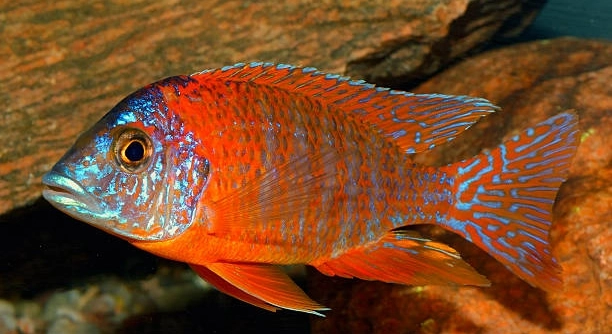
Cichlids are fascinating fish known for their intelligence and complex behaviors. Many species have specific preferences when it comes to choosing a safe and comfortable nesting spot for their eggs. Understanding these preferences can help.
Shelter cichlids typically select nesting sites that offer protection, stability, and optimal conditions for egg development. Preferred structures include caves, rock crevices, shells, submerged logs, plant roots, and man-made decorations, providing both security from predators and a stable environment for reproduction.
Knowing the right shelter options can improve breeding success and enhance your aquarium setup for these captivating fish. Proper placement ensures they thrive naturally and safely in their habitat.
Cave Shelters
Caves are among the most preferred shelters for cichlids when nesting. They provide a sense of security that open spaces cannot offer. Fish feel protected from potential threats, and their eggs remain safe inside. Caves can be natural rock formations, hollowed stones, or specially designed aquarium decorations. The size and shape of the cave matter; it should be large enough for the cichlid to enter comfortably but tight enough to feel secure. Placement in a quieter area of the tank reduces stress and encourages breeding. Many cichlids instinctively seek dark, enclosed spaces, making caves a reliable choice. Regular cleaning of these shelters is important to prevent algae or debris buildup. Observing the fish’s behavior near caves can give insight into their nesting readiness. Offering multiple cave options can allow them to select the one that suits their comfort level and ensures a successful breeding environment.
Caves support natural behaviors, reduce aggression, and help cichlids feel more confident in their environment.
Choosing the right cave involves considering size, material, and placement. Some cichlids prefer vertical caves, while others need horizontal spaces. Rock caves mimic natural habitats, while ceramic or resin caves offer easy cleaning. Proper lighting and gentle water flow near the cave enhance comfort. Multiple entrances allow the fish to escape if threatened. Observing fish interactions with caves can reveal dominance patterns. Avoid sharp edges that could injure the fish. Consistent water conditions are critical, as cichlids are sensitive during breeding. Caves encourage territorial behavior, which supports natural nesting instincts and ensures eggs are well protected. Providing several caves can reduce conflict among tank mates. Selecting the right cave type ultimately promotes a healthy, stress-free environment for breeding and ensures the survival of offspring.
Shell and Log Shelters
Shells and submerged logs create secure, enclosed spaces for nesting and egg-laying. They offer protection while blending with the tank’s natural aesthetic.
Shells, such as snail or clam shells, are especially favored by smaller cichlids. Logs provide both shelter and surfaces for algae or biofilm growth, which some cichlids graze on. Placement of logs should ensure stability to prevent tipping, and shells should be partially buried in the substrate for extra security. Some species decorate their chosen shells with sand or small stones to reinforce the nesting area. These shelters also help separate breeding pairs from aggressive tank mates. Regular monitoring ensures the structures remain clean and free from decay. Offering a mix of shells and logs caters to different species’ nesting habits. Observing fish behavior around these shelters can indicate readiness to spawn, giving insight into breeding cycles and preferences.
Logs and shells add complexity to the tank while supporting natural cichlid behaviors. They help reduce stress and encourage healthy reproduction.
Rock Crevices
Rock crevices offer narrow, protected spaces that cichlids feel safe using for nesting. These tight gaps mimic natural hiding spots in lakes and rivers. Placement stability is key, as shifting rocks can stress the fish or damage eggs.
Cichlids use crevices to stay hidden from predators and other aggressive tank mates. These spaces provide safety while allowing parents to monitor their eggs closely. Crevices vary in depth and width, which suits different species’ needs. Some cichlids prefer shallow gaps for quick escapes, while others use deeper crevices for longer-term nesting. Adding multiple crevices encourages natural territorial behavior and reduces conflict. Smooth surfaces prevent injury, and arranging rocks in a stable formation ensures safety. Observation of how fish interact with these spaces helps determine the best placement for breeding success.
Rock crevices also promote natural behaviors like guarding and cleaning eggs. By offering multiple secure options, cichlids can choose their preferred nesting site, increasing their comfort and reducing stress during breeding.
Plant Root Shelters
Plant roots provide dense, intricate areas where cichlids can hide and lay eggs safely. The roots’ tangled structure creates natural protection against predators and tank disturbances.
Roots are particularly useful for smaller species that need extra concealment. Submerged roots from live or artificial plants can be arranged to form clusters or tunnels. Some cichlids use roots as anchor points for eggs or to hide fry after hatching. The complexity of roots encourages exploration while keeping territories defined. Proper placement avoids strong water currents that could disturb eggs. Roots also support natural grazing, as algae may grow on surfaces. Regular inspection prevents decay or excessive debris buildup. By observing cichlid interactions with roots, you can adjust placement and structure. Well-arranged roots provide both safety and stimulation, promoting healthier breeding behavior and reducing aggression in the tank environment.
Man-Made Decorations
Man-made decorations provide versatile and secure nesting spots for cichlids. Items like ceramic pots, tunnels, and ornaments mimic natural shelters while allowing easy cleaning. Placement should be stable to prevent tipping, giving fish a safe environment for eggs.
These decorations can be adjusted to fit the tank’s layout and species’ preferences. Openings should match the size of the cichlid, and smooth surfaces prevent injuries. Some fish may rearrange gravel or sand around decorations to personalize their nesting area. Monitoring interactions helps ensure all fish have access and reduces aggression.
Submerged Pots
Submerged pots act as private, enclosed spaces where cichlids feel secure. The interior provides darkness and protection from other fish, encouraging egg-laying.
Pots can be ceramic, terracotta, or plastic, partially buried in the substrate for stability. Multiple pots allow breeding pairs to choose their preferred site while minimizing conflicts. Placement in quiet areas reduces stress and supports natural breeding behavior. Some cichlids may cover pots with sand or small stones, enhancing the sense of safety. Regular cleaning prevents algae buildup while maintaining a healthy environment. Observing fish behavior around these pots gives insight into readiness for spawning and nesting patterns.
Natural Rock Formations
Natural rock formations offer diverse crevices and overhangs ideal for nesting. They provide protection, reduce stress, and encourage territorial behaviors.
Driftwood Shelters
Driftwood creates complex hiding areas that cichlids use for nesting and egg protection. Its natural texture allows fish to anchor eggs and explore safely.
FAQ
What types of shelters are best for different cichlid species?
The best shelter depends on the species’ natural habitat and size. Smaller cichlids often prefer shells or small crevices, while larger species favor caves, logs, or rock formations. Observing their behavior helps determine their comfort and preferences. Providing multiple options allows them to choose the most suitable shelter.
How should I place shelters in my aquarium?
Shelters should be stable, partially hidden, and positioned in quieter areas of the tank. Avoid strong currents near nesting spots, as these can disturb eggs. Multiple shelters reduce competition and aggression, allowing several breeding pairs to occupy the tank without conflicts. Consider the height and orientation for easy access.
Can cichlids reuse the same shelter for multiple spawnings?
Yes, many cichlids will reuse familiar shelters if they feel safe and the site remains clean. Regular cleaning and checking for damage help maintain the environment. Some species may modify the shelter slightly before each spawning, moving sand or small stones to reinforce protection.
Do artificial decorations work as well as natural materials?
Artificial decorations like ceramic caves or resin logs are effective if designed with smooth edges and suitable sizes. They are easier to clean and rearrange, but some fish may prefer natural materials that resemble their native habitats. Combining both types can offer variety and security.
How often should I clean shelters?
Shelters should be inspected regularly for algae, debris, or sharp edges. Cleaning frequency depends on tank size, fish population, and water quality. Gentle rinsing with dechlorinated water is sufficient. Avoid harsh chemicals that could harm eggs or fry.
How do I know if a shelter is suitable for egg-laying?
A suitable shelter is stable, enclosed enough to feel safe, and free from sharp edges. Fish often inspect shelters for several days, rearranging substrate or small objects to make it comfortable. When ready, they will lay eggs and guard the site closely.
Can shelters reduce aggression in a community tank?
Yes, multiple shelters help separate territories and reduce conflicts among breeding pairs. Providing various hiding spaces allows dominant fish to claim areas without constantly threatening others. Observation is important to ensure all fish have access and prevent bullying.
Do cichlids prefer darkness inside shelters?
Most cichlids prefer dim or dark interiors, which simulate natural caves or crevices. Darkness gives a sense of security for both eggs and fry. Transparent or open shelters may stress fish and reduce nesting success. Covering parts of artificial shelters can mimic this effect.
Are there signs that a cichlid has chosen a shelter?
Yes, chosen shelters often show increased activity around them. Fish may patrol the area, rearrange sand, or guard it aggressively. Spawning readiness is usually indicated by frequent visits, courtship displays, and eventually, egg-laying inside the shelter.
Can I encourage shy cichlids to use shelters?
Placing multiple shelter options in quiet, low-traffic areas helps shy cichlids feel safe. Avoid frequent tank disturbances, and ensure shelters are sized appropriately. Observing behavior and gradually introducing preferred types can increase usage over time.
Do shelters need to be replaced regularly?
Replacement is only necessary if shelters are damaged, unstable, or heavily covered in debris. High-quality natural or artificial shelters can last for years. Monitoring their condition ensures the safety of eggs and fry without frequent unnecessary changes.
How do I choose the right number of shelters?
The number depends on tank size, species, and population density. Ideally, each breeding pair should have access to at least one private shelter, plus additional options to reduce competition. Overcrowding or too few shelters can increase stress and aggression.
Can multiple cichlid species share the same type of shelter?
Yes, but compatibility depends on temperament and size. Aggressive species may dominate shelters, forcing others to find alternative spots. Observing interactions and providing multiple shelters for different species ensures fair access and reduces conflict.
Do shelters affect fry survival rates?
Absolutely. Shelters protect eggs and fry from predators and strong currents. Enclosed spaces reduce stress for parents, encouraging proper guarding behavior. Fry are more likely to survive when they have hiding spots immediately after hatching.
Is it necessary to mimic natural materials for breeding success?
While not always necessary, natural-looking shelters often increase comfort and encourage natural behaviors. Some cichlids respond better to rocks, logs, or shells, while others adapt well to artificial options. A mix of materials can satisfy both aesthetic and functional needs.
How can I monitor the effectiveness of shelters?
Observe the fish regularly for nesting behaviors, territorial claims, and egg-laying activity. Check for signs of stress or aggression near shelters. Adjust placement or add additional options if fish appear uncomfortable or eggs are neglected. Consistent monitoring ensures optimal breeding conditions.
Can breeding pairs share a large shelter?
Some pairs may tolerate shared spaces if the shelter is spacious and well-structured. However, territorial behavior often leads to conflict, so providing multiple individual shelters is usually safer. Shared shelters work best for species with naturally tolerant behavior.
Are there seasonal or environmental factors affecting shelter use?
Temperature, lighting, and water conditions influence nesting behavior. Cichlids may delay using shelters if conditions are unstable. Maintaining consistent water parameters and a calm environment encourages them to select and use shelters for breeding.
What is the best way to introduce new shelters to an established tank?
Introduce shelters gradually and in quiet areas to reduce stress. Monitor fish reactions and adjust placement if dominant individuals block access. Offering multiple options ensures all fish have opportunities for nesting and prevents disputes over new structures.
Can shelters help reduce stress during tank maintenance?
Yes, shelters offer hiding spots during water changes or cleaning. Fish can retreat temporarily, which reduces panic and injury risk. Stable and well-placed shelters improve overall comfort and help maintain natural behaviors even during routine tank work.
Do cichlids prefer individual or clustered shelters?
Preferences vary by species. Some like individual shelters to establish clear territories, while others thrive with clusters that allow proximity without direct confrontation. Observing interactions helps determine the best arrangement to balance security and social behavior.
How important is shelter size for breeding success?
Size is critical. A shelter too small can cause stress or injury, while one too large may reduce security. Matching the shelter to the species’ body size and providing room for eggs and fry increases comfort and encourages natural reproductive behavior.
Are there risks of using certain materials for shelters?
Yes, sharp edges, unstable rocks, or decaying wood can injure fish or damage eggs. Avoid untreated metals, toxic plastics, or materials that alter water chemistry. Safe, smooth, and durable materials ensure a healthy environment for breeding.
Can shelters encourage natural cleaning behaviors?
Yes, cichlids often clean their nesting site before and after egg-laying. Smooth surfaces, natural textures, and accessible areas allow parents to remove debris, improving egg survival and promoting instinctive maintenance behaviors.
Do fry need the same shelters as adults?
Not immediately. Fry require smaller hiding spots or dense plant roots. Adult shelters protect eggs and parents, while fry benefit from additional cover to reduce predation and encourage healthy growth. Gradually introducing fry to larger shelters supports development.
How do I know when to remove or relocate a shelter?
Shelters should only be moved if unstable, damaged, or heavily fouled. Observing fish behavior helps determine if relocation is necessary. Avoid disturbing eggs or nesting parents to prevent stress or abandonment. Careful adjustment maintains breeding success.
Can shelters affect aggression outside breeding periods?
Yes, shelters establish territories even when fish are not spawning. Providing multiple options prevents conflicts, reduces chasing, and creates a stable social structure within the tank. Proper placement supports long-term harmony.
Is it better to use multiple small shelters or a single large one?
Multiple small shelters often work best, offering individual spaces and reducing competition. A single large shelter may allow dominant fish to monopolize it, creating stress for others. Variety ensures comfort and encourages natural behaviors across all tank inhabitants.
Do cichlids modify shelters themselves?
Many species rearrange sand, gravel, or small objects around shelters to create a secure nesting area. This instinctive behavior increases protection and comfort. Observing these modifications can indicate readiness to spawn and overall fish well-being.
How do water flow and filtration affect shelter use?
Strong currents can disturb eggs and fry inside shelters. Positioning shelters away from direct flow or adjusting filtration ensures calm areas for nesting. Gentle circulation around shelters promotes oxygenation without causing stress or dislodging eggs.
Can I use multiple shelter types together?
Yes, combining caves, shells, logs, and pots caters to different species and individual preferences. A variety of shelters encourages natural selection, reduces competition, and supports breeding for multiple cichlids in the same tank.
How long do cichlids typically guard their eggs in shelters?
Guarding periods vary by species but usually last from several days to two weeks. Parents remain close to the shelter, protecting eggs and fry. Observing behavior ensures they are active and attentive, which is crucial for successful hatching.
Does lighting affect shelter selection?
Yes, dimmer or indirect lighting near shelters encourages nesting. Bright, direct light can deter fish from using a shelter or cause stress. Partial shading of shelters can improve comfort and egg protection.
Are there signs that a shelter is unsuitable?
Fish avoiding a shelter, frequent relocation attempts, or damaged eggs indicate unsuitability. Sharp edges, unstable placement, or inappropriate size can cause these issues. Replacing or adjusting shelters resolves problems and promotes proper nesting behavior.
Can shelters influence the health of adult cichlids?
Yes, secure shelters reduce stress, promote natural behaviors, and protect from aggression. Stress reduction improves immune function and overall health, contributing to longer lifespan and better reproductive outcomes.
Do cichlids prefer new or established shelters?
Some fish may prefer familiar, established shelters where previous eggs were successfully laid. Others may explore new options if multiple choices are available. Observation helps determine species-specific preferences.
Can shelters help in breeding difficult species?
Providing well-placed, secure, and appropriately sized shelters can encourage shy or aggressive species to spawn. Proper conditions, combined with multiple options, reduce stress and increase the likelihood of successful breeding.
How important is substrate around shelters?
Substrate stabilizes shelters, allows egg covering, and enables cichlids to modify their environment. Fine sand or small gravel is often preferred for digging and arranging, supporting natural behaviors and reproductive success.
Are there signs that a cichlid feels stressed in a shelter?
Signs include rapid darting in and out, reluctance to enter, hiding outside the shelter, or aggression toward tank mates. Adjusting placement, size, or number of shelters can alleviate stress.
How do I prevent overcrowding in shelters?
Provide multiple shelters and observe dominant fish. Ensuring each breeding pair has a private spot reduces fights, territorial disputes, and stress. Variety and accessibility are key for harmony.
Can shelters affect water quality?
Yes, organic materials like driftwood or decaying plant roots can alter pH and release tannins. Regular monitoring and cleaning maintain safe water conditions while supporting cichlid nesting behavior.
Do temperature changes affect shelter use?
Sudden temperature shifts can cause cichlids to avoid shelters or abandon eggs. Stable, species-appropriate temperatures promote consistent use and proper parental care. Gradual adjustments prevent stress.
Can I replicate lake or river habitats to improve nesting?
Yes, using rocks, logs, shells, and plants to simulate natural environments encourages natural behaviors and shelter use. Observation and adjustments ensure fish feel safe while maintaining aquarium balance.
Are there species-specific preferences I should know?
Yes, some cichlids prefer shells, others caves or logs. Knowing their natural habitats and tendencies helps in selecting shelters that meet their nesting instincts and reproductive needs.
How can I tell if a shelter is helping fry survival?
Higher hatching rates, reduced egg predation, and active fry hiding near the shelter indicate effectiveness. Observing these patterns allows adjustments to improve overall breeding outcomes and tank harmony.
Can shelters reduce aggression in mixed-species tanks?
Yes, providing multiple secure areas allows different species to maintain territories and reduce encounters. Careful placement prevents bullying, ensures access, and supports breeding for multiple species.
Do shelters need lighting adjustments?
Indirect lighting near shelters works best. Direct light can cause stress or deter nesting. Partial shading improves comfort and encourages consistent use for breeding.
Is it better to place shelters near the tank bottom or mid-level?
Placement depends on species. Bottom dwellers prefer substrate-level shelters, while mid-level or floating shelters suit species that naturally occupy higher areas. Matching natural behavior increases usage and breeding success.
How important is observation in managing shelters?
Regular observation helps identify preferred shelters, stress signs, and interactions with tank mates. Adjusting placement, adding structures, or modifying conditions ensures optimal nesting behavior and successful reproduction.
Can shelters prevent egg predation by other fish?
Yes, enclosed or hard-to-reach shelters protect eggs from other tank inhabitants. Multiple hiding spaces reduce predation risk and improve fry survival, supporting natural parental care.
Do adult cichlids ever abandon shelters?
Abandonment can occur if shelters are unstable, damaged, or exposed. Stress, aggression, or poor water conditions may also cause parents to leave. Correcting these factors ensures continued use.
Are there materials I should avoid for shelters?
Avoid sharp, unstable, or toxic materials, including untreated metals, soft plastics, or decaying wood that can harm fish or eggs. Safe, smooth, and durable materials are essential.
Do shelters influence long-term tank behavior?
Yes, secure shelters reduce aggression, support territorial behaviors, and promote stress-free interactions. They encourage natural instincts and overall tank stability, improving long-term health and reproductive success.
Can shelters be shared between tanks?
Yes, but ensure proper cleaning before reuse to prevent disease transfer. Avoid damaging delicate structures or leaving sharp edges during relocation. Proper sanitation protects both fish and eggs.
How do I balance aesthetics and functionality in shelter selection?
Choose materials and designs that appeal visually while meeting size, stability, and safety requirements. Combining natural and artificial elements can create a pleasing display without compromising fish comfort or breeding potential.
Are there signs of overcrowding around shelters?
Frequent chasing, fighting, or multiple fish attempting to use one shelter indicate overcrowding. Adding additional shelters or rearranging existing ones can relieve pressure and reduce stress.
Do shelters help maintain social hierarchy?
Yes, well-placed shelters allow dominant and subordinate fish to establish territories, reducing continuous aggression. Multiple shelters prevent conflict and maintain a stable social structure, supporting natural behaviors.
Can shelters improve overall tank health?
Indirectly, yes. Reduced stress and aggression, proper territorial spacing, and safe breeding areas contribute to stronger immune systems, healthier fish, and higher reproductive success, creating a balanced and thriving aquarium.
How do I track which shelters are most effective?
Observation is key. Monitor which shelters are frequently used, spawning activity, and parental care. Adjust placement, number, or type based on these patterns to maximize comfort and breeding success.
Can shelters be modified over time?
Yes, fish may rearrange sand, gravel, or small objects around shelters. Observing and supporting these modifications encourages natural behaviors and improves nesting comfort, while gradual adjustments by the keeper enhance stability and safety.
Are there specific cleaning techniques for shelters?
Rinse with dechlorinated water or soak briefly to remove debris. Avoid harsh chemicals that can harm eggs or fry. Smooth surfaces allow easier cleaning without disrupting established nesting areas.
Do shelters need seasonal adjustments?
Not usually, but minor changes may help mimic natural conditions or adjust for water temperature and light variations. Observing cichlid behavior informs whether adjustments are beneficial.
Can shelters reduce stress during new introductions?
Yes, newly introduced fish can hide and acclimate safely, reducing aggression and stress. Multiple hiding spots prevent territorial disputes and support smoother integration into the tank environment.
Are there benefits to using transparent shelters?
Transparent shelters allow observation without disturbing fish, but some species may feel exposed. Partial covers or opaque sections often work better to balance visibility and security.
Do cichlids prefer smooth or textured surfaces?
Preferences vary. Smooth surfaces reduce injury risk, while textured surfaces allow egg attachment and encourage natural cleaning. Offering both types caters to different species’ needs.
How important is shelter orientation?
Orientation affects safety and accessibility. Openings should face calm areas, avoid strong currents, and allow easy entry and exit. Correct positioning encourages usage and reduces stress.
Can shelters encourage natural territorial expansion?
Yes, multiple shelters allow cichlids to establish territories naturally, reducing fights, supporting hierarchy, and promoting instinctive behaviors that improve breeding success.
Do I need to monitor shelters for decay?
Yes, natural materials like driftwood or roots can decay, affecting stability and water quality. Regular inspection and replacement prevent hazards and maintain a safe nesting environment.
How can I tell if shelters are improving breeding success?
Successful egg-laying, attentive parental care, low aggression, and higher fry survival indicate effective shelters. Observation and adjustment help optimize conditions.
Can shelters help reduce stress during water changes?
Yes, safe hiding spots allow fish to retreat temporarily, preventing panic and injury. Stable and well-placed shelters maintain comfort even during routine maintenance.
Are there differences between male and female shelter preferences?
Males often select more prominent or defendable shelters to attract mates. Females may prefer smaller, safer spaces to lay and guard eggs. Observing interactions helps identify and accommodate both preferences.
Do shelters influence feeding behavior?
Indirectly, yes. Reduced stress from secure shelters encourages normal feeding, while overcrowding or inadequate hiding spots may cause fish to hide excessively or compete aggressively for food.
How do I ensure fry access to shelters?
Provide smaller gaps, plant roots, or secondary hiding areas. Ensuring fry can retreat safely from adults improves survival rates and encourages healthy growth.
Can shelters prevent egg cannibalism?
Properly enclosed and stable shelters reduce egg predation by parents or other fish. Separate shelters for each breeding pair further minimize the risk of cannibalism.
Do shelters require monitoring during the breeding season?
Yes, close observation ensures parents are guarding eggs, shelters remain stable, and conditions are optimal. Intervention is only necessary if stress, aggression, or damage occurs.
Can shelters be used to separate aggressive pairs?
Yes, placing multiple shelters at opposite ends of the tank reduces interaction and prevents fighting. Observing territorial claims ensures each pair has adequate space.
Are there signs a shelter is too small?
Fish struggling to enter, frequent brushing against edges, or stress displays indicate insufficient size. Adjusting or replacing the shelter with a larger option resolves discomfort.
Do shelters affect spawning frequency?
Yes, suitable shelters encourage frequent spawning by providing security and optimal conditions. Lack of appropriate shelters can delay or reduce spawning attempts.
**How do I balance
Final Thoughts
Providing the right shelters for cichlids is essential for their health, comfort, and successful breeding. Each species has unique preferences, and offering a variety of options ensures they can find a spot that feels secure. Caves, rock crevices, shells, logs, plant roots, and man-made decorations all serve different purposes depending on the size, behavior, and natural instincts of the fish. Observing how cichlids interact with these shelters allows you to adjust placement, orientation, and type to suit their needs. Multiple shelters in a tank can reduce competition and aggression, giving each fish a private space for nesting and protecting their eggs. Stability is key, as shifting or unstable shelters can stress the fish and endanger eggs or fry. Choosing smooth, safe materials prevents injuries while maintaining an environment where natural behaviors can thrive.
Shelters not only provide a safe area for spawning but also encourage natural instincts and behaviors. Cichlids often guard their eggs, modify their nesting area, and maintain territory around chosen shelters. These behaviors are important for both breeding success and overall well-being. Providing multiple shelter types allows dominant and subordinate fish to coexist with less stress. It also supports fry survival by offering protected spaces after hatching. Regular monitoring ensures shelters remain clean, stable, and free from harmful debris. Artificial decorations, pots, and other man-made options work well alongside natural materials, offering flexibility and ease of maintenance. Proper placement, light adjustment, and attention to water flow enhance comfort and breeding activity. When cichlids feel secure, they are more likely to exhibit healthy, instinctive behaviors that contribute to a balanced and thriving tank environment.
Investing time in arranging shelters thoughtfully benefits both the fish and the aquarium ecosystem. Shelters reduce stress, prevent unnecessary aggression, and improve overall water quality by encouraging calmer interactions. They also make breeding more predictable and successful, giving cichlids the protection they need to care for eggs and fry. Watching fish utilize these spaces provides insight into their personalities and preferences. By offering varied, secure, and well-maintained shelters, you can create an environment where cichlids feel confident and safe. Attention to size, material, and placement ensures each shelter meets the species’ natural tendencies. Over time, providing appropriate shelters improves breeding outcomes, promotes healthy social structures, and contributes to the long-term health and happiness of the fish. A tank designed with their needs in mind allows cichlids to display natural behaviors, thrive, and reproduce successfully, creating a balanced and visually appealing aquarium.

Hello,
If you enjoy the content that we create, please consider saying a "Thank You!" by leaving a tip.
Every little bit helps us continue crafting quality advice that supports the health, happiness, and well-being of pets around the world, for pets of all shapes, sizes, and species.
We really appreciate the kindness and support that you show us!