
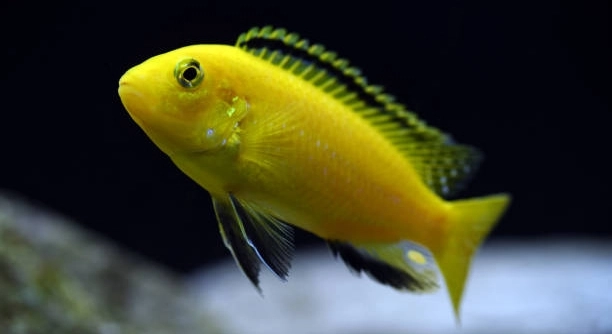
Have you ever wondered how long cichlids remain devoted to guarding their fry in home aquariums, where daily conditions shape behavior and care routines for keepers observing family dynamics up close during early life stages
Cichlids typically guard their fry for two to four weeks, depending on species, environmental stability, and parental condition, as adults provide protection, guidance, and territory defense until the young become free swimming and independent enough to avoid predators naturally alone
Parental care varies widely, and learning what influences guarding duration helps aquarists support healthier fry survival outcomes overall at home
Factors That Influence Guarding Duration
Cichlid fry guarding length depends on species traits, tank conditions, and parental experience. Some species are biparental, while others rely on one adult, which affects endurance. Stable water parameters reduce stress and allow parents to focus on protection. Poor filtration, sudden light changes, or frequent tank disturbances often shorten guarding periods. Tank size also matters, since cramped spaces increase tension and energy loss. Experienced parents usually guard longer because they recognize threats and manage fry movement efficiently. Younger or first-time parents may abandon guarding sooner due to stress or confusion. Diet plays a role as well, because adults need consistent nutrition to maintain energy during prolonged defense. When food is limited, guarding behavior may weaken earlier. Understanding these combined influences helps aquarists adjust care routines and create an environment where parental instincts remain strong and reliable for better survival rates within carefully managed home aquarium settings and long term success.
Even small adjustments can extend guarding time significantly. Consistent maintenance schedules, gentle lighting, and calm observation habits reduce parental stress. These simple actions often encourage adults to stay attentive longer, improving fry safety during their most delicate growth phase inside well planned aquarium setups used by dedicated home keepers daily.
Personal observation over time shows that patience matters more than constant interference. Allowing parents to perform natural behaviors builds confidence and stability. Rearranging decorations too often can disrupt territories and shorten care periods. Fry benefit when parents feel secure within familiar surroundings. Monitoring from a distance helps spot issues without interrupting defense patterns. Small details, like predictable feeding times, support calmer behavior. When aquarists respect these needs, guarding becomes more consistent. This approach often results in stronger fry that learn survival skills early, reducing losses once parental protection gradually fades during early development stages in stable home aquariums environments overall.
What Happens When Guarding Ends
Once guarding ends, fry rely on learned behaviors and environmental cover. They begin exploring independently, using plants and rocks for protection. This transition period is critical, as stress or poor conditions can quickly impact survival rates in community or species-specific aquariums when space management and feeding routines remain inconsistent long-term.
At this stage, aquarists should focus on supporting fry independence without creating sudden changes. Providing multiple hiding areas helps replace parental protection naturally. Dense plants, smooth stones, and breeding cones offer shelter while allowing movement. Feeding should shift toward smaller, frequent portions to match developing mouths and reduce competition. Observing growth patterns becomes more important than watching parents. Some fry mature faster and establish pecking orders early, which is normal. Separating fry is not always necessary unless aggression increases noticeably. Water quality must remain stable, since young fish are sensitive to fluctuations. Regular testing and gradual adjustments prevent losses. Personal experience shows that restraint benefits long-term outcomes. Intervening only when needed allows fry to adapt confidently. Over time, these young fish become resilient and better suited for shared tanks. Respecting this phase supports healthier development and reflects responsible aquarium care. It also reduces unnecessary stress on both fry and adults, creating balance. Consistency in routines, lighting, and feeding schedules helps maintain calm conditions. Aquarists who remain observant rather than reactive often see higher survival rates and steadier growth across batches over extended periods, especially in carefully maintained home aquarium systems with stable stocking levels and thoughtful long-term planning habits applied.
Signs Guarding Is Ending
Guarding often ends gradually, not suddenly. Parents spend less time hovering, chase fry less frequently, and resume normal swimming patterns. Fry begin spreading out instead of staying tightly grouped. These behaviors signal a natural shift toward independence within stable aquarium environments. This phase appears calm but reflects important developmental progress.
Parental fish may also allow other tank residents closer to the fry area during this period. Territorial boundaries soften, and defensive displays become shorter and less intense. Feeding behavior changes as adults prioritize their own nutrition again. Fry respond by exploring new spaces and testing shelter options. In my experience, this stage can feel worrying, but it is expected. Intervening too early often disrupts learning. Observation without interference allows fry to adapt naturally. Consistent lighting, steady filtration, and predictable feeding schedules help reduce stress while independence forms. Patience supports stronger survival skills during these early transitions within the tank environment.
Water quality becomes especially important once guarding fades. Fry no longer benefit from constant parental positioning and must rely on physical conditions. Gentle water flow prevents exhaustion while still maintaining oxygen levels. Overcleaning should be avoided, as sudden parameter shifts create stress. I have found that small, regular water changes work best. Keeping decorations stable preserves familiar shelter routes. Fry that feel secure eat more consistently and grow evenly. Monitoring growth differences helps identify weaker individuals early. This approach supports steady development without unnecessary handling or separation. It encourages confidence as fry adjust to independent life stages over time naturally.
Deciding Whether to Separate Fry
Separating fry is not always required after guarding ends. In many setups, leaving them with adults promotes natural behavior and social balance. However, overcrowding increases competition. I usually assess tank size, filtration capacity, and hiding availability before deciding. When space is limited, temporary separation reduces stress. The key is responding to conditions, not following rigid rules. Each aquarium differs, and flexibility supports healthier outcomes for growing fry populations over extended care periods in practice overall.
Providing the right environment after separation matters more than the act itself. Fry need consistent access to finely sized food, offered several times daily in small amounts. Excess food should be removed to protect water quality. Lighting should remain moderate to avoid overstimulation. I prefer adding extra plants rather than bare dividers, as cover reduces aggression. Observing behavior daily reveals whether adjustments are needed. Some fry grow faster and may dominate feeding areas. In those cases, rearranging décor redistributes territory. Patience remains essential. Stable routines help fry settle, feed confidently, and develop strength. Supporting this stage carefully improves long-term survival and overall tank harmony. This measured approach reduces losses and supports balanced growth across groups over time within shared aquarium systems and varied conditions consistently.
Supporting Fry After Guarding Ends
Maintaining calm tank conditions supports fry once parental care fades. Stable temperatures, low noise, and minimal movement near the glass reduce stress. I keep lighting consistent and avoid sudden changes. These simple steps help young fish feed regularly and maintain steady growth during sensitive development phases within home aquarium systems.
Feeding routines should remain predictable and appropriately sized. Small portions offered multiple times prevent waste and reduce competition. I have noticed calmer behavior when food is dispersed evenly. Consistency encourages confidence and allows fry to focus on growth rather than constant searching or stress responses during early life stages daily.
Monitoring Fry Health and Behavior
Once fry begin living independently, monitoring behavior becomes more important than constant adjustment. Active swimming, steady feeding, and even growth indicate healthy development. I watch for isolation, rapid breathing, or refusal to eat, as these signal problems. Gentle filtration keeps water oxygenated without exhausting small bodies. Regular testing prevents unnoticed shifts. When conditions remain stable, fry adapt quickly. Avoiding unnecessary handling reduces shock and supports immunity. Over time, confidence increases, and losses decrease. This balanced approach has consistently produced stronger juveniles in my tanks, even with mixed species setups and shared spaces under careful long term observation and routine management.
Long Term Care Considerations
Long term success depends on restraint and consistency. Allowing fry to adapt naturally builds resilience and stable behavior. I intervene only when clear issues appear. This method supports healthier growth, reduces stress, and creates a balanced aquarium where young fish mature confidently over time with minimal disruption and steady care.
How long do cichlids guard their fry on average?
Most cichlids guard their fry for two to four weeks, though this varies by species and conditions. Some African cichlids remain attentive slightly longer, while certain South American species reduce care earlier. In my tanks, stable water and minimal disturbance often extend guarding closer to the upper range. When conditions are calm, parents stay focused longer and guide fry more consistently. Stress shortens this period noticeably. Temperature swings, aggressive tank mates, or frequent maintenance usually lead to earlier independence. Guarding naturally fades as fry learn to swim confidently and recognize shelter. This timeframe reflects healthy development rather than neglect. Understanding this helps set realistic expectations and prevents unnecessary intervention during normal parental behavior.
Do both parents always guard the fry?
Not always. Some cichlids show strong biparental care, while others rely mainly on one parent, usually the female. In biparental species, duties are often divided, with one defending territory and the other herding fry. I have observed longer guarding periods when both parents participate. Single-parent guarding can still be effective, but energy drains faster. If one parent becomes stressed or distracted, care may decline sooner. This difference is normal and species dependent. Knowing your specific cichlid type helps interpret behavior accurately and avoid misreading natural patterns as problems.
What causes parents to stop guarding earlier than expected?
Early withdrawal usually relates to stress or depleted energy. Poor water quality, overcrowding, or constant movement near the tank contribute significantly. In my experience, overcleaning is a common mistake. Large water changes disrupt familiarity and increase anxiety. Lack of proper nutrition also plays a role, as guarding demands constant motion and defense. In community tanks, pressure from other fish shortens guarding quickly. Sometimes parents are simply inexperienced and abandon sooner during their first spawning. These situations do not always indicate failure. Adjusting conditions often improves outcomes in future breeding attempts.
Is it normal for parents to eat their fry?
Yes, this behavior, while upsetting, can occur. It often results from stress, sudden environmental changes, or perceived threats. I have seen it happen after abrupt lighting changes or tank rearrangements. In some cases, parents consume fry to recover energy when survival chances appear low. This response is instinctive, not aggressive. Ensuring stable conditions reduces the likelihood significantly. Covering tank sides, limiting observation, and maintaining routine feeding help parents feel secure. While it cannot always be prevented, understanding the cause helps reduce repeat occurrences over time.
Should fry be removed while parents are still guarding?
Removing fry during active guarding is usually unnecessary and sometimes harmful. Parents provide protection, guidance, and structure that humans cannot replace easily. I only consider removal if there is clear danger, such as severe aggression from other fish or tank limitations. Early removal often leads to higher losses due to stress and feeding issues. Allowing parents to complete their care cycle supports stronger fry. Observing closely without interference tends to produce better survival and healthier juveniles in the long term.
How can I tell if guarding behavior is healthy?
Healthy guarding includes herding fry tightly, chasing intruders briefly, and maintaining a defined territory. Parents should remain alert but not frantic. Fry should respond quickly to parental cues and return to the group when scattered. In my tanks, consistent behavior patterns indicate stability. Excessive hiding, constant aggression, or complete withdrawal suggests stress. Monitoring rather than reacting immediately helps distinguish normal variation from real problems. When behavior remains steady over several days, guarding is usually progressing well.
Does tank size affect how long guarding lasts?
Tank size has a noticeable impact. Larger tanks allow parents to establish territory without constant pressure, which conserves energy. In smaller tanks, defense requires more frequent confrontation, leading to faster exhaustion. I have consistently seen longer guarding periods in spacious setups with visual barriers. Adequate space also helps fry spread out safely once guarding fades. While breeding can occur in smaller tanks, extended parental care benefits from room to maneuver and retreat when needed.
Will parents guard fry again in future spawns?
Most cichlids repeat guarding behavior with future spawns, often more effectively. Experience improves coordination and threat recognition. I have noticed that second and third spawns usually last longer and show calmer defense. If earlier attempts failed, it does not predict future outcomes. Improving conditions between spawns makes a significant difference. With stability and patience, parental care often strengthens over time, leading to better survival rates and more confident fry development overall.
Final Thoughts
Cichlid fry guarding is a natural process shaped by instinct, environment, and experience. Understanding this behavior helps reduce unnecessary worry and prevents overmanagement. When parents guard for shorter or longer periods, it usually reflects surrounding conditions rather than failure. Stable water parameters, consistent routines, and limited disturbance support calm parental care. In my experience, the most successful outcomes come from observation rather than constant adjustment. Allowing fish to follow natural patterns builds confidence and reduces stress for both adults and fry. Guarding is not meant to last forever. It serves a purpose during early development and fades as independence forms. Accepting this rhythm helps aquarists respond appropriately without interfering too early. Each tank presents unique variables, and flexibility remains important. When expectations align with natural behavior, the entire breeding process feels more predictable and manageable over time.
Fry development continues long after guarding ends, and this stage deserves equal attention. Once parental care fades, environmental stability becomes the main source of protection. Gentle filtration, reliable feeding schedules, and familiar layouts help fry adapt smoothly. I have found that restraint plays a major role here. Excessive handling, frequent décor changes, or aggressive cleaning often create setbacks. Fry thrive when conditions remain consistent and predictable. Monitoring growth and behavior offers better insight than reacting to every small change. Some losses can still occur, even in ideal setups, and this is part of fish keeping. Focusing on overall trends rather than isolated events provides a clearer picture of success. Supporting fry through this transition leads to stronger juveniles and more balanced tanks as they mature.
Long term success with cichlid breeding relies on patience, planning, and respect for natural behavior. Not every spawn will produce the same results, and variation is normal. Learning from each experience improves future outcomes more than strict control. I approach each breeding cycle with the understanding that small adjustments matter more than drastic interventions. Over time, this mindset reduces stress and builds confidence in managing both adults and fry. Creating a calm environment benefits all stages of development and promotes healthier fish overall. When aquarists trust the process and focus on stability, cichlid parenting behaviors become easier to interpret and support. This balanced approach encourages sustainable care practices and a more rewarding experience within the aquarium setting.

Hello,
If you enjoy the content that we create, please consider saying a "Thank You!" by leaving a tip.
Every little bit helps us continue crafting quality advice that supports the health, happiness, and well-being of pets around the world, for pets of all shapes, sizes, and species.
We really appreciate the kindness and support that you show us!