
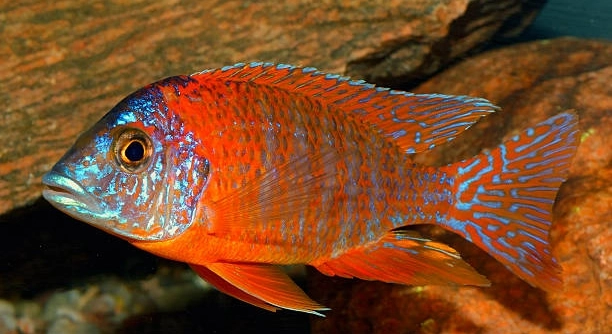
Have you ever noticed your cichlid following your movements in the tank or responding when you approach the aquarium? These fish are often seen as distant or independent, yet some behaviors suggest they may recognize and respond to their owners.
Cichlids can show forms of affection toward their owners through recognition, social interaction, and conditioned responses. Their behaviors, such as swimming to the front of the tank or gentle nipping, indicate familiarity and comfort with human presence.
Observing these behaviors can reveal a surprising depth to your cichlid’s personality and strengthen the bond you share with your aquatic companion.
Signs Your Cichlid Recognizes You
Many cichlid owners notice small but meaningful behaviors that show their fish recognize them. A cichlid may swim to the front of the tank when you approach, linger near your hand, or follow your movements through the glass. These actions indicate the fish has learned to associate you with food or safety. Some cichlids respond to gentle tapping on the glass or hand movements, showing curiosity and comfort rather than fear. Watching them react differently to strangers versus familiar people can also be telling. Over time, consistent interaction can strengthen this recognition. Feeding schedules, tank cleaning routines, and even talking near the aquarium contribute to the fish learning your patterns. Though subtle, these behaviors suggest more than instinct—they reflect awareness of your presence. Recognizing these signs can make caring for a cichlid more rewarding and personal.
Cichlids show recognition mostly through consistent, repeated interactions and positive reinforcement.
Understanding these signs helps owners build a deeper connection and ensures the fish feels secure and engaged in its environment. Observing patterns, like swimming toward you during feeding or responding to soft movements, reveals their ability to distinguish familiar humans. This recognition often increases over weeks or months of careful attention, patience, and routine. Even simple gestures, like hand movements near the tank, can elicit responses that indicate trust. The behavior is more pronounced in species known for social intelligence. Proper observation also prevents misreading normal territorial actions as affection. While cichlids are not mammals, their reactions demonstrate a level of awareness and preference, which can feel rewarding to those who care for them daily.
Building a Bond With Your Cichlid
Consistency is key when interacting with cichlids.
Regular feeding, gentle movements near the tank, and maintaining a calm environment help cichlids feel safe. Repeating these actions over time encourages them to approach and interact. Patience is necessary, as trust develops slowly. Using the same hand for feeding or offering food at predictable times reinforces positive associations. Observing their reactions allows you to adapt and improve interactions, making them more engaging and less stressful. Avoid sudden motions or loud noises, which can make them retreat. Some owners even notice their cichlids following fingers or spending more time near certain areas of the tank. This consistent attention fosters familiarity, and over weeks, cichlids begin to display behaviors that owners can interpret as affection. Respecting their boundaries while offering repeated, safe interactions creates a strong connection that benefits both the fish and the caretaker.
Would you like me to continue with the next sections of the article?
Understanding Cichlid Behavior
Cichlids are naturally territorial and social. Their interactions with humans are influenced by their environment, past experiences, and daily routines. Recognizing these behaviors helps you interpret their actions more accurately.
Cichlids often show signs of recognition and comfort through consistent movements. Swimming to the front of the tank, following your hand, or nudging objects near you can indicate familiarity. They may respond differently depending on who approaches, signaling awareness of individuals. Some cichlids display playful chasing within the tank, which reflects confidence rather than aggression. Observing feeding habits and reactions to routine care provides insight into their comfort level. Over time, repeated positive interactions make these behaviors more predictable and noticeable. Understanding these patterns helps owners engage appropriately without stressing the fish.
Learning to read subtle cues is key. Tail flicks, fin spreads, or gentle nudges toward your hand often signal curiosity and recognition. Avoid assuming all attention is food-driven, as some interactions stem from trust or interest in their surroundings.
Encouraging Interaction
Maintaining a calm, consistent environment supports positive engagement. Avoid loud noises or sudden movements near the tank, as these can trigger fear or retreat.
Offering food at predictable times builds trust. Hand-feeding or placing food near your presence encourages the fish to associate you with safety. Over time, cichlids may approach during non-feeding periods, demonstrating curiosity and comfort. Repeating gentle interactions gradually strengthens recognition and trust. Observing their reactions lets you adjust your behavior to match their comfort level. Some species respond more actively, while others remain cautious, requiring patience. Proper tank setup, with hiding spots and open swimming areas, allows them to feel secure while interacting. Positive reinforcement combined with patience results in more meaningful interactions and visible signs of familiarity.
Signs of Affection in Cichlids
Cichlids show affection in subtle ways. Swimming close to your hand, nudging objects near you, or following your movements indicates recognition and comfort. These behaviors often increase with consistent interaction and positive reinforcement, showing trust and familiarity over time.
Some cichlids may linger near the front of the tank or display playful chasing. These actions suggest they are aware of your presence and feel secure enough to engage, rather than simply responding to feeding times. Observing these small gestures can reveal personality and emotional depth.
Tips for Safe Interaction
Always approach the tank calmly. Sudden movements or tapping can startle cichlids and reduce trust.
Maintaining consistent routines, gentle hand gestures, and predictable feeding times encourage positive interactions. Over time, these actions help your cichlids associate you with safety and care, strengthening recognition and comfort.
Recognizing Individual Differences
Not all cichlids show affection the same way. Species, age, and past experiences influence their responses to humans. Some are more curious, while others remain cautious, making patience essential for building trust.
Feeding as a Bonding Tool
Hand-feeding or offering food near your presence encourages engagement. Regular, gentle feeding routines help cichlids associate humans with safety and comfort.
FAQ
Can cichlids really recognize their owners?
Yes, cichlids can recognize people over time. They notice repeated patterns, such as feeding schedules and hand movements. Recognition is usually shown by swimming to the front of the tank, following your hand, or lingering near areas where you often interact. These actions indicate familiarity rather than just instinctive behavior.
How do I know if my cichlid is comfortable with me?
Comfort is shown through calm, confident movements. A relaxed cichlid may explore near your hand, swim openly without hiding, and display gentle nudges or fin movements. Avoiding hiding spots or showing aggression during your presence can also signal they trust you. Observing reactions consistently over weeks helps determine comfort levels.
Is it safe to touch or hold cichlids?
Cichlids are delicate and can be stressed by handling. It’s best not to touch them directly. Interaction should focus on visual engagement, hand-feeding, or guiding food near them. Stress from handling can weaken their immune system and affect overall health. Always prioritize their safety.
Do all species of cichlids show affection the same way?
No, behaviors vary by species. Some cichlids are naturally more social and curious, while others are territorial or cautious. Understanding your specific species’ traits helps interpret actions accurately. For example, angelfish may linger near you quietly, whereas African cichlids may actively follow movements or chase objects.
How long does it take for a cichlid to recognize me?
Recognition develops gradually, often over several weeks or months. Consistent routines, feeding patterns, and gentle interactions accelerate this process. Sudden changes in tank conditions or inconsistent routines may slow trust development, so patience and stability are essential for building a connection.
Can cichlids show affection without food involved?
Yes, they can. While feeding is a strong motivator, other behaviors indicate familiarity. Swimming near you during non-feeding times, following movements, or exploring areas near your hand suggest recognition and comfort, showing that their interaction is not purely food-driven.
Why does my cichlid sometimes ignore me?
Cichlids have varying moods and energy levels. Ignoring you can be a sign of stress, illness, or simply a preference for rest. Tank conditions, water quality, and the time of day affect behavior. Observing patterns over time helps distinguish normal behavior from health concerns.
Can cichlids get attached like mammals?
Attachment is different but present. They may not show affection in the same way mammals do, but their recognition, trust, and comfort with you reflect a form of bonding. Consistent positive interaction reinforces this connection, making their behavior toward you predictable and engaging.
What is the best way to encourage interaction safely?
Gentle hand-feeding, maintaining calm movements, and keeping a predictable routine work best. Providing a safe environment with hiding spots and open swimming areas encourages engagement without stress. Avoid tapping on the glass or sudden movements, and gradually introduce new interactions.
Do cichlids respond differently to different people?
Yes, they can distinguish between familiar and unfamiliar individuals. They often react more calmly to people they recognize and may display curiosity or follow movements, whereas strangers might trigger hiding or defensive behavior. This shows their ability to remember and recognize specific humans over time.
Can cichlids form long-term bonds with their owners?
They can form lasting recognition and trust. While their “bonding” is not emotional in a mammal sense, consistent care, feeding routines, and gentle interactions foster familiarity. Over time, they may respond reliably to your presence, showing behaviors that indicate comfort and engagement consistently.
How does tank setup affect cichlid interaction?
A well-structured tank encourages positive interaction. Open swimming areas allow them to approach without feeling trapped, while hiding spots give security. Proper water quality, lighting, and minimal disturbances reduce stress, making them more likely to interact, explore, and display behaviors that indicate recognition.
Are there risks to interacting too much?
Excessive interaction or constant tapping can stress cichlids. Stress may lead to illness, aggression, or withdrawal. Observing their responses and limiting direct engagement to gentle, calm periods ensures they remain healthy while gradually building trust. Balance is key for safe, meaningful interactions.
Can cichlids remember routines if the owner is away for a while?
Yes, cichlids have memory for routines like feeding and cleaning schedules. After a short absence, they may continue to expect familiar patterns. However, prolonged absence or sudden changes can cause temporary stress or confusion, so maintaining consistent care is important for comfort and recognition.
Is it normal for cichlids to show different behaviors at different times?
Yes, behavior varies with time of day, tank conditions, and energy levels. Morning feeding might elicit more active responses, while midday periods could see them resting or hiding. Observing these patterns helps distinguish normal behavior from signs of stress or illness.
Do cichlids interact with multiple owners in the same way?
Not always. They tend to recognize and respond more positively to the person they see most often or who provides food consistently. Other household members may elicit more cautious or neutral behavior until the fish becomes familiar with them over time.
Can cichlids show aggression while still recognizing their owner?
Yes, territorial or dominant behavior can occur even with recognition. Aggression usually targets other fish or perceived threats, not the owner. Understanding species-specific behavior and providing adequate space prevents stress while maintaining positive interactions with humans.
How can I tell if my cichlid enjoys interaction?
Signs include approaching your hand without fear, exploring areas near you, gentle nudges, or swimming openly in the tank. They may follow movements or linger near familiar spots, indicating comfort and curiosity. Observing these behaviors consistently shows a positive response to your presence.
What is the role of routine in building trust?
Routine is essential. Regular feeding times, predictable movements, and consistent care help cichlids associate humans with safety and reliability. Disruptions can create stress or hesitation, while stability strengthens recognition and encourages behaviors that reflect trust over time.
Can cichlids form bonds with other tank mates as well?
Yes, social species may form recognition with compatible tank mates. Interactions like chasing, following, or sharing spaces indicate social awareness. However, territorial disputes can occur, so careful observation and understanding of species traits are important to maintain harmony while encouraging positive relationships.
Is it possible for cichlids to lose trust once established?
Trust can diminish if they experience repeated stress, rough handling, or poor tank conditions. Maintaining calm, consistent care ensures recognition and comfort remain intact. If trust is lost, patience and gentle interaction are needed to rebuild confidence and positive association.
How do I balance affection and natural behavior?
Respecting boundaries while offering safe, predictable interaction is key. Allow space for exploration, hiding, and normal behaviors while engaging through feeding and visual contact. Over time, this balance encourages recognition, comfort, and meaningful interactions without compromising natural instincts.
What common mistakes reduce interaction success?
Tapping on the glass, sudden movements, inconsistent feeding, or overcrowding the tank can reduce trust. Ignoring their natural needs or causing stress interrupts recognition. Following calm, predictable routines and observing responses ensures safe, effective engagement and fosters long-term comfort.
Can I tell if my cichlid is stressed from interaction?
Yes, signs include hiding, rapid darting, flared fins, loss of appetite, or lethargy. Stress often results from sudden changes, excessive movement, or poor water conditions. Observing these behaviors allows adjustments to interaction and environment to maintain comfort and health.
How important is patience in interacting with cichlids?
Patience is essential. Building trust and recognition takes weeks or months. Rushing interaction can cause stress or fear. Slow, consistent engagement through routine feeding, calm movements, and observation ensures cichlids become comfortable and display behaviors that reflect familiarity and recognition.
Can observing cichlid behavior improve overall care?
Yes, noticing subtle cues like swimming patterns, fin movements, or approach behavior helps owners adjust care routines. Recognizing signs of comfort, stress, or illness ensures better tank management, healthier fish, and stronger engagement between owner and cichlid.
Do cichlids show personality traits that affect interaction?
Yes, individual cichlids display unique traits such as curiosity, shyness, or boldness. These traits influence how they respond to humans and other tank mates. Understanding personality helps tailor interaction, feeding, and tank setup to encourage positive engagement and minimize stress.
Is it normal for a cichlid to act differently each day?
Yes, daily behavior can vary depending on energy, health, or environmental factors. Noticing patterns over time helps distinguish normal variation from health issues. Minor differences in activity or responsiveness are expected and often reflect natural rhythms rather than a problem.
Can I encourage shy cichlids to interact more?
Yes, gentle patience, consistent feeding, and calm visual engagement gradually build confidence. Avoid forcing contact or sudden movements. Over time, shy cichlids may approach more readily, explore near your hand, and display behaviors that indicate comfort and recognition.
How do water conditions affect recognition and interaction?
Poor water quality or rapid changes cause stress and reduce interaction. Maintaining proper temperature, pH, and cleanliness ensures cichlids feel secure, making them more likely to respond positively to humans and display behaviors that reflect recognition and trust.
Can cichlids get bored if ignored too long?
Yes, cichlids benefit from stimulation and interaction. Lack of engagement may lead to hiding, lethargy, or repetitive behaviors. Providing safe interaction, environmental enrichment, and consistent routines keeps them active, alert, and responsive to humans and tank mates.
Do cichlids respond to voice or sound?
Some species may respond to vibrations or familiar sounds near the tank. While they do not recognize words, repeated gentle talking or tapping can create awareness and comfort, associating human presence with predictable, non-threatening stimuli.
How can I measure progress in building recognition?
Tracking behaviors like swimming to the front of the tank, following hand movements, and engaging during non-feeding times shows progress. Over weeks, increased frequency and confidence indicate stronger recognition and comfort, reflecting successful interaction and bonding.
Are there species that rarely show recognition?
Yes, some highly territorial or extremely shy species may show minimal interaction with humans. While they can still recognize presence, behaviors like approaching or following may be limited. Observing and understanding species-specific tendencies ensures realistic expectations for interaction.
Can interaction affect breeding behavior?
Yes, a calm, predictable environment with safe interaction encourages natural behaviors, including breeding in social species. Excessive stress or disturbance can reduce breeding success, while familiar routines and minimal disruption support both comfort and reproductive activity.
How do I maintain trust if changing tanks or locations?
Gradual acclimation, maintaining water parameters, and replicating routines help preserve trust. Sudden relocation can cause stress and reduce recognition. Ensuring familiar patterns and calm introduction allows cichlids to adjust while retaining positive associations with the owner.
What are signs my cichlid prefers hiding over interaction?
Frequent hiding, avoidance of open areas, flaring fins when approached, or retreating from hand gestures indicate a preference for solitude. Respecting these boundaries while offering gentle, predictable engagement over time can gradually increase comfort and interaction.
Can multiple cichlids compete for attention from the owner?
Yes, more active or dominant fish may get closer during feeding or interaction. Observing individual responses ensures all cichlids receive attention safely. Rotating feeding spots and providing enough space minimizes competition and stress while maintaining positive engagement.
Is it normal for older cichlids to interact less?
Yes, aging fish may become less active or cautious. While they still recognize owners, their energy and curiosity often decrease. Adjusting expectations, maintaining consistent routines, and observing subtle cues ensures comfort and engagement suitable for their age.
How important is observation in building trust?
Observation is crucial. Noticing subtle behaviors, stress signals, and preferences allows tailored interactions. Understanding patterns ensures safety, reduces stress, and strengthens recognition. Consistent, careful observation helps cichlids feel secure while gradually encouraging positive engagement over time.
Can rewards other than food encourage interaction?
Yes, environmental enrichment like rearranging plants or adding safe objects can stimulate curiosity. Interaction combined with predictable routines strengthens recognition, even if food is not the primary motivator, fostering engagement without relying solely on feeding.
Do cichlids remember negative experiences with humans?
Yes, stress, sudden handling, or poor interactions can create lasting negative associations. Recovery requires patience, calm engagement, and predictable routines to rebuild recognition and comfort. Avoid repeating stressful actions to maintain trust over time.
How can I adapt interaction to different species’ intelligence levels?
Some species learn patterns faster and show more curiosity, while others take longer to recognize humans. Adjust pacing, routines, and interaction frequency based on species traits. Observing responsiveness ensures engagement is safe, effective, and suited to individual needs.
Can tank decorations influence cichlid behavior toward humans?
Yes, hiding spots, open areas, and visual barriers affect comfort and interaction. Properly arranged tanks allow safe observation and engagement, encouraging exploration and approach without stress. Well-designed environments support positive behaviors and recognition of human presence.
Are cichlids capable of forming long-term memory about their owner?
Yes, they remember routines, presence, and familiar individuals over months. Consistent interaction reinforces this memory, making responses predictable and reflective of trust, even after brief absences or environmental changes.
How do I prevent stress while encouraging interaction?
Maintain calm movements, consistent routines, proper water conditions, and safe tank structure. Avoid tapping or sudden gestures. Gradual, gentle engagement allows cichlids to respond naturally while minimizing stress, promoting recognition and comfort.
Do cichlids interact differently depending on tank size?
Yes, larger tanks allow more space and reduce territorial stress, encouraging confident approach and engagement. Smaller tanks may limit movement and increase competition, affecting comfort. Adjust interaction methods to the tank environment to maintain positive engagement.
Can observing cichlid interaction help detect health issues?
Yes, changes in behavior, such as hiding, loss of appetite, or lethargy, can indicate illness. Recognizing deviations from normal interaction patterns allows early intervention, supporting health and maintaining trust between owner and cichlid.
How do I balance multiple cichlids’ interactions with humans?
Rotate feeding spots, provide ample space, and observe individual behavior. Ensuring calm, predictable routines and avoiding favoritism reduces stress and allows all fish to develop recognition and trust safely.
Can cichlids show preferences for certain people in a household?
Yes, they often respond more positively to those who feed or interact most consistently. Others may receive cautious or neutral behavior until familiarity develops. Patience and repeated engagement build recognition over time.
Are visual cues more effective than sound for cichlids?
Yes, movement and consistent gestures are usually more effective than sound. Cichlids respond to visual patterns, hand movements, and feeding routines more reliably than to noise alone. Observing their reactions to different cues helps refine interaction strategies.
Do environmental changes affect recognition?
Yes, sudden changes in lighting, decorations, or tank setup can temporarily reduce interaction. Gradual adjustments help cichlids maintain recognition while minimizing stress, allowing consistent positive behaviors to continue.
Can cichlids show excitement when seeing their owner?
Yes, behaviors like swimming quickly to the front, gentle chasing, or fin displays indicate excitement and recognition. While subtle compared to mammals, these actions reflect awareness and comfort with a familiar human presence.
How do I encourage shy or cautious cichlids to interact more?
Patience, calm routines, consistent feeding, and safe spaces help build confidence. Avoid forcing interaction or sudden movements. Gradually, shy cichlids may approach, explore, and show behaviors indicating comfort and familiarity with your presence.
Can cichlids lose interest if overexposed to interaction?
Yes, too much stimulation can lead to stress or avoidance. Moderation and observing their responses ensures engagement remains positive, allowing natural behaviors while maintaining comfort and trust.
Do cichlids show excitement differently during feeding versus non-feeding times?
Yes, feeding triggers immediate, active responses, while non-feeding recognition is often slower and subtler. Both types of behavior indicate recognition, but feeding responses are more instinctive, whereas non-feeding interaction reflects trust and familiarity.
How can I tell if my cichlid prefers observation over interaction?
Spending more time near hiding spots, avoiding direct approach, or minimal following suggests preference for observation. Respecting these boundaries while maintaining gentle, predictable routines gradually encourages comfort without forcing engagement.
Are there signs that my cichlid enjoys human presence even without food?
Yes, swimming near your hand, following movements, or lingering in areas you frequent shows awareness and comfort. Subtle cues like relaxed fin movements and exploration during non-feeding periods indicate positive recognition and trust.
Can repeated stressful interactions affect cichlid memory?
Yes, negative experiences can create lasting fear or hesitation. Recovery requires calm, consistent routines, patience, and minimal stress to rebuild recognition and comfort with humans. Avoiding repeated stressful events is essential to maintain trust and engagement.
How do I adjust interaction for very active or aggressive species?
Provide ample space, maintain calm routines, and avoid direct confrontation. Use visual engagement and feeding patterns to encourage positive interaction. Understanding species-specific tendencies ensures safe, productive engagement without increasing stress or territorial behavior.
Can multiple cichlids in one tank influence each other’s interaction with humans?
Yes, dominant or curious fish may take lead in approaching humans, while shy or submissive fish may stay back. Observing individual responses ensures balanced attention and safe interaction for all tank inhabitants.
Do cichlids have favorite spots near the tank?
Yes, they often linger near areas associated with feeding, safe observation, or gentle interaction. Recognizing these spots helps encourage positive engagement while respecting their preferred areas of comfort.
Can changing tank lighting affect recognition behavior?
Yes, sudden bright or dim lighting can stress fish and reduce interaction. Gradual lighting changes and consistent conditions help maintain comfort, allowing recognition and trust behaviors to continue without disruption.
Is it normal for cichlids to ignore humans sometimes?
Yes, temporary disinterest may result from rest, stress, or environmental factors. Observing patterns over time helps distinguish normal variation from concerning behavior, ensuring proper care while respecting their natural cycles.
Can cichlids show playfulness toward humans?
Yes, chasing fingers, exploring near objects, or gentle nudges can indicate playful recognition. While different from mammal play, these actions reflect curiosity, engagement, and comfort in the presence of a familiar human.
Do cichlids ever communicate recognition with other fish?
Yes, some social species display behaviors that signal comfort and recognition within the tank. This can
Cichlids are more complex than many people give them credit for. They are not pets that show affection in ways humans are used to, like cuddling or licking, but they have their own ways of recognizing and responding to their owners. Simple behaviors, like swimming to the front of the tank when you approach, following your hand, or staying near familiar spots, can indicate trust and comfort. These actions take time to develop, and consistency is key. Feeding them at regular times, moving calmly around the tank, and keeping routines predictable help cichlids learn that you are not a threat. Over time, these small interactions build a pattern they can recognize and respond to.
Understanding a cichlid’s personality is important for building a connection. Some species are naturally curious and social, while others are more cautious or territorial. Individual differences also matter—one fish may actively swim toward you, while another may linger in the background or hide more often. Neither is wrong; it is just how each fish interacts with its environment and the people around it. Observing these behaviors carefully can help you understand your cichlid better and respond in ways that make them feel safe and comfortable. Small gestures, like offering food gently near your hand or talking softly around the tank, can make a difference in how your fish perceives your presence. By paying attention to these details, you can create a calm, welcoming environment that encourages positive interaction.
Caring for a cichlid is about patience and observation. Building recognition and trust does not happen overnight, and forcing interactions can cause stress or fear. Instead, letting them explore at their own pace and responding gently to their behaviors allows them to show comfort and familiarity naturally. The bond that develops may not look like traditional affection, but it is meaningful in its own way. Over weeks or months, repeated positive experiences help cichlids feel secure and confident around you. This understanding also improves their overall well-being, because stress is minimized and they are more likely to engage in natural behaviors, explore their tank, and even interact with other fish more calmly. Taking the time to notice these small signs and respond appropriately creates a relationship built on trust and consistency, making caring for your cichlid both satisfying and rewarding.

Hello,
If you enjoy the content that we create, please consider saying a "Thank You!" by leaving a tip.
Every little bit helps us continue crafting quality advice that supports the health, happiness, and well-being of pets around the world, for pets of all shapes, sizes, and species.
We really appreciate the kindness and support that you show us!