
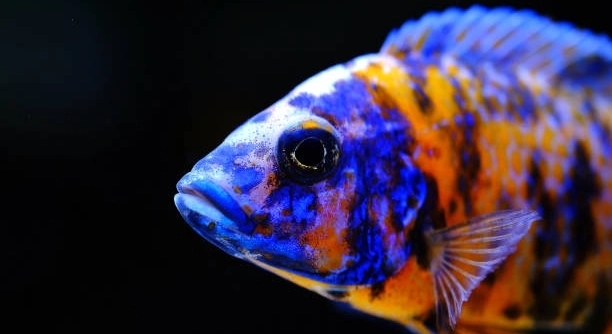
Keeping cichlids healthy means paying attention to their water. Even small changes in water quality can affect their behavior, growth, and overall well-being. Watching for early warning signs can prevent serious problems before they start.
Poor water quality in cichlid tanks is primarily indicated by high ammonia, nitrite, or nitrate levels, unbalanced pH, low oxygen, and irregular temperature. These factors can lead to stress, disease, and stunted growth if left unmanaged.
Recognizing these warning signs early allows you to make small changes that have a big impact on your cichlids’ health. Proper care ensures a safe and stable environment for your fish to thrive.
Cloudy or Discolored Water
Cloudy or discolored water is often one of the first things I notice in my cichlid tank. It can happen even with regular feeding and cleaning. The cloudiness may be caused by bacteria blooms, leftover food particles, or decaying plants. Sometimes, even overstocking the tank can create murky water. Watching the water carefully helps me catch changes early. I learned that frequent partial water changes, checking filter performance, and removing uneaten food can improve clarity. Cloudy water isn’t just an aesthetic problem; it signals that the balance in the tank is off. Keeping the tank clean and monitoring water chemistry prevents this issue. Over time, I noticed my fish were calmer and more active when the water stayed clear. Small, consistent care routines really make a difference in keeping the water clean and safe.
Discolored water can indicate chemical imbalances or leftover debris affecting your cichlids’ health. Immediate action is recommended.
Clear water encourages fish to feed properly and behave naturally. Maintaining a clean tank prevents stress and reduces the risk of illness. Observing water changes closely ensures a safer environment for your cichlids and helps maintain a stable, balanced habitat. Regular care allows you to enjoy healthy, lively fish without constant worry.
Unusual Fish Behavior
Sudden changes in fish behavior can indicate water issues. I often see cichlids hiding more or swimming erratically when the tank is off balance.
Unusual behavior, such as lethargy, gasping at the surface, or hiding, often points to ammonia spikes, low oxygen, or improper pH. Fish rely on stable water conditions for normal activity, and even small deviations can stress them. Observing fish daily helps detect problems before they become severe. Small adjustments, like aerating the water or testing and correcting pH, can restore calm behavior quickly. I keep notes on behavior changes, which helps track long-term trends and prevent recurring problems. Temperature shifts also affect behavior, so I check heaters regularly. Stress from poor water quality can weaken the immune system, making fish more prone to disease. Acting quickly when behavior changes appear protects health and keeps the tank environment predictable. Over time, consistent monitoring has made it easier to maintain a thriving aquarium and enjoy peaceful, active cichlids.
Foul or Strong Odors
A strong, unpleasant smell from the tank usually means waste is building up or water quality is poor. I notice it quickly, and it always signals that immediate cleaning and water testing are needed.
Foul odors often come from decomposing food, excess waste, or an overworked filter. When I first experienced it, my cichlids started acting sluggish and stayed near the surface. Testing the water revealed high ammonia and nitrite levels. I had to do multiple partial water changes and clean the substrate carefully. Replacing filter media and monitoring feeding amounts also helped reduce the smell. Over time, keeping a schedule for water changes and filter maintenance prevented the odor from returning. Foul smells are a clear warning sign that the tank’s environment is stressing the fish.
Strong odors can also indicate bacterial growth or decaying plants. Regular water checks and proper tank maintenance ensure fish stay healthy and active. Paying attention to smell is just as important as watching the water and behavior, as it is one of the first indicators of imbalance in the tank.
Floating or Stressed Plants
Plants floating or wilting often signal unstable water conditions. I noticed my cichlids seemed uneasy when plants started floating or losing color.
Floating or dying plants can indicate poor water parameters, low oxygen, or high nutrient buildup. I found that some of my plants struggled when nitrate levels rose or pH shifted slightly. Stabilizing these levels through partial water changes and adding oxygenation helped the plants recover. I also trimmed damaged leaves to prevent further decay, which improved water quality and reduced debris. Plants act as natural filters, so keeping them healthy benefits the fish. In tanks with sensitive cichlid species, stressed plants can worsen fish stress, making it essential to maintain stable, clean water. Over time, I learned that regular monitoring of plant health and water chemistry prevents both plant and fish stress.
Excessive Algae Growth
Excessive algae in the tank often signals nutrient imbalance or too much light. I noticed my cichlids becoming less active when algae covered decorations and surfaces, making the environment feel crowded and stressful.
High algae growth usually comes from leftover food, overfeeding, or irregular water changes. I reduced feeding amounts and adjusted lighting hours, which quickly slowed the growth. Scrubbing surfaces and cleaning filters regularly also helped. Watching nutrient levels and keeping the tank clean prevents algae from taking over, making the environment more comfortable for my cichlids.
Rapid or Labored Breathing
Rapid or labored breathing is a strong indicator of low oxygen or poor water conditions. I noticed my fish gulping at the surface after skipping water changes, which prompted me to test levels immediately.
Faded Colors
Faded or dull colors in cichlids often reflect stress from poor water quality, improper diet, or illness. I found that keeping water stable and feeding a balanced diet restored their vibrant appearance.
What is the most common cause of poor water quality in a cichlid tank?
The most frequent cause I have seen is overfeeding combined with irregular water changes. Leftover food breaks down and releases ammonia, which quickly affects water chemistry. Filters can only handle so much, and when waste builds up faster than it can be processed, water quality declines. Keeping a regular feeding schedule and monitoring the amount of food prevents excess debris. I usually feed small portions that my fish can finish in a few minutes. This simple habit reduces organic buildup, keeps ammonia low, and makes the tank easier to maintain. Regular partial water changes and cleaning the substrate also help maintain balance, supporting both fish and plants in the tank.
How often should I test my water?
Testing water at least once a week works well in my experience. Frequent checks help catch small problems before they escalate. I use a test kit for ammonia, nitrite, nitrate, and pH. Occasionally, I also check hardness and temperature. These readings give a clear picture of tank stability. If any levels drift outside the safe range, I take immediate action, such as partial water changes or adjusting the filter. Keeping a small notebook of test results helps track trends over time.
Can poor water quality cause disease in cichlids?
Yes, poor water quality significantly increases the risk of illness. I’ve seen fish develop fin rot, ich, or bacterial infections after ammonia spikes or low oxygen periods. Stress weakens their immune system, making them more susceptible to pathogens. Maintaining clean, balanced water is the best preventive measure. A stable environment allows the fish to recover quickly if minor issues occur. Using a quarantine tank for new fish also prevents introducing additional stress or disease into the main tank.
Why do cichlids lose color when water quality is poor?
Faded colors usually happen because stress affects pigment production. I noticed my cichlids looked dull after long periods of unclean water or unstable pH. Once the water chemistry was corrected and food quality improved, their colors returned. Proper oxygen levels, minimal ammonia, and stable temperature all support vibrant coloration. Diet also plays a role; adding foods rich in carotenoids and vitamins enhances their natural hues. Watching color changes daily can be an early warning sign that something in the tank needs attention.
What steps can I take if I notice cloudy water?
Cloudy water often comes from bacteria blooms or particles suspended in the water. I start by testing ammonia, nitrite, and nitrate levels. Then, I do a partial water change and clean the filter without disturbing beneficial bacteria too much. Reducing feeding temporarily also helps. Over time, consistent water changes and proper filtration prevent cloudiness. I also remove decaying plants or leftover food immediately. Cloudy water rarely fixes itself, so acting fast prevents stress on the fish.
Are live plants helpful in maintaining water quality?
Yes, live plants absorb nitrates and other nutrients, which helps stabilize water conditions. I include hardy plants in my cichlid tanks, and they grow best when the water is clean. Trimming dead leaves and avoiding overfertilization prevents decay that could worsen water quality. Healthy plants provide hiding spots, improve oxygen levels, and contribute to a more balanced ecosystem. They also act as natural biofilters, reducing the need for constant chemical treatments.
How do I prevent algae from taking over?
Algae usually grow when nutrient levels are high or light exposure is too long. I control algae by limiting feeding, reducing light hours, and performing regular water changes. Scrubbing surfaces and cleaning the filter keeps algae from spreading. Sometimes, adding algae-eating snails or fish can help, but maintaining stable water chemistry is the most reliable method. I also avoid using excessive fertilizers, which can trigger rapid algae growth. By staying consistent with these habits, algae remain under control, and my tank stays visually appealing.
Can temperature affect water quality?
Yes, temperature plays a role in chemical balance and oxygen levels. I keep my cichlid tanks at a stable temperature suitable for the species. Sudden drops or spikes stress fish and encourage bacterial blooms. Using a reliable heater and thermometer helps maintain a steady environment. I also make sure water changes match tank temperature to avoid shocking the fish. Stable temperature reduces stress and keeps metabolic rates consistent, which supports overall water quality.
How long can I go between water changes?
I usually change 20-30% of the water every week. Waiting longer can allow toxins to accumulate and increase stress. In heavily stocked tanks, I may do partial changes twice a week. Regular water replacement removes excess nutrients, keeps ammonia low, and supports plant growth. Skipping changes often leads to cloudy water, algae growth, and fish health problems. Keeping a consistent schedule prevents these issues and makes tank maintenance manageable.
What equipment is essential for monitoring water quality?
A reliable test kit, thermometer, and good filtration system are the basics I always keep. I use test strips or liquid kits for ammonia, nitrite, nitrate, and pH. A heater or chiller ensures temperature stability. Aeration devices help oxygenate the water, especially in warm climates or densely stocked tanks. Regularly checking these items allows me to respond quickly to any changes. Investing in quality equipment makes maintaining water quality simpler and reduces stress on the fish.
How can I quickly fix sudden water quality problems?
Immediate action is crucial. I start with partial water changes, testing for ammonia or nitrite spikes. Then, I clean the filter gently and remove any decaying food or plants. Adding aeration and checking temperature ensures a stable environment. Small adjustments, done quickly, often prevent long-term damage. Observing fish behavior during this period also guides further steps. Quick response minimizes stress and helps restore balance before problems worsen.
Are there long-term strategies to maintain good water quality?
Consistency is key. I stick to weekly water changes, monitor feeding, and check water parameters regularly. Maintaining stable temperature and avoiding overstocking prevents spikes in toxins. Healthy plants, proper filtration, and observing fish behavior all contribute to long-term stability. Keeping a simple maintenance schedule reduces sudden problems and creates a predictable environment for my cichlids to thrive. Over time, these habits become routine and make water quality management much easier.
This FAQ covers practical steps and observations that have helped me maintain healthy cichlids. By addressing water quality proactively, I can prevent stress, disease, and poor coloration, ensuring my fish remain vibrant and active.
Caring for cichlids can feel overwhelming at first, especially when it comes to water quality. I’ve learned that paying attention to small changes makes a big difference. Things like cloudy water, strong odors, or unusual fish behavior are signals that something is off. These signs are not just minor annoyances—they can directly affect the health and happiness of the fish. Observing the tank daily and taking quick action when a problem appears has made my routine much easier. Over time, I realized that consistent care, even in small amounts, prevents most major issues from developing. Simple habits like removing uneaten food, checking the filter, and doing partial water changes have kept my fish active and their colors bright. It’s easy to think water issues won’t happen if the tank looks fine, but even small imbalances can build up quickly, stressing the cichlids before we notice.
Understanding the specific needs of cichlids also helps maintain a stable environment. Each species has its preferred temperature range, pH level, and water hardness. When I matched the water conditions to the species in my tank, I saw a clear improvement in behavior and activity. Some cichlids become aggressive or hide more if water quality is poor, but keeping parameters steady reduced these problems. Plants, proper filtration, and careful feeding all contribute to balance in the tank. I also keep notes of water test results, feeding amounts, and any behavior changes. This record helps identify patterns and prevent recurring issues. It’s not just about reacting to problems; it’s about preventing them. Watching water quality over time has taught me that patience and consistency are just as important as the equipment or products used in the tank.
Maintaining good water quality requires attention, but it becomes manageable with a routine. I schedule partial water changes, monitor ammonia, nitrite, and nitrate levels, and adjust care depending on how the fish behave. Even small improvements, like fixing a filter issue or trimming dead plant leaves, make a noticeable difference in the tank’s overall environment. Healthy water supports not only the fish but also plants and other organisms in the aquarium, creating a balanced ecosystem. Over the years, I’ve realized that water quality is the foundation of a thriving tank. By recognizing early warning signs, acting promptly, and keeping consistent care habits, cichlids remain vibrant, active, and healthy. Simple, steady maintenance prevents stress, disease, and unnecessary problems, making aquarium care both manageable and rewarding. Watching my cichlids swim freely in clean, clear water has reinforced how essential good water quality really is.

Hello,
If you enjoy the content that we create, please consider saying a "Thank You!" by leaving a tip.
Every little bit helps us continue crafting quality advice that supports the health, happiness, and well-being of pets around the world, for pets of all shapes, sizes, and species.
We really appreciate the kindness and support that you show us!