
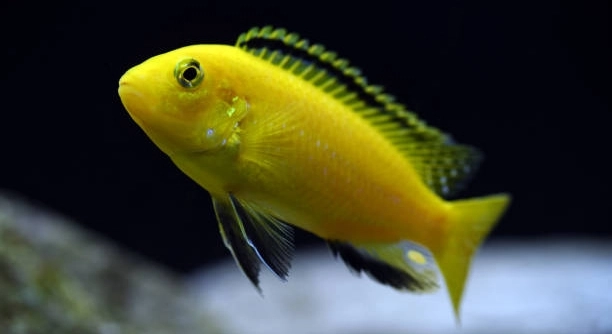
Is your cichlid refusing its food or spitting it out shortly after taking a bite? This behavior can be worrying for any fish owner and may signal a change in its health, diet, or tank environment.
Cichlids often spit out food due to stress, poor water quality, inappropriate diet, or health issues. Identifying the root cause requires careful observation of tank conditions, feeding habits, and the fish’s behavior to ensure proper care and nutrition.
Understanding why this happens will help you improve your cichlid’s health and mealtime habits, keeping your aquarium a safe and comfortable home for your fish.
Common Reasons Cichlids Spit Out Food
Cichlids spitting out food is often linked to water quality or diet issues. Poor water conditions, such as high ammonia or nitrite levels, can make them stressed and reduce their appetite. Diet also plays a big role; feeding them food that is too large, hard, or unfamiliar can cause them to reject it. Some cichlids prefer live or frozen food over pellets. Overfeeding can also lead to them spitting food, as they cannot eat it all at once. Stress from tankmates or sudden changes in their environment may affect their feeding behavior. Illness or parasites can make it painful to eat, leading to food being expelled. Observing your fish closely during feeding helps identify patterns. Adjusting water conditions, offering appropriate food, and keeping stress low often resolves the issue. Small, gradual changes can make a significant difference in their feeding habits.
Stress, diet, and water conditions are the main factors behind food spitting.
Keeping your cichlid comfortable requires consistent care. Testing water regularly, feeding the right portion sizes, and monitoring behavior helps prevent problems. Introducing new foods gradually allows them to adapt. Avoid sudden changes in temperature or tank setup. If illness is suspected, separating the fish and consulting an aquatic veterinarian ensures timely treatment. Regular observation is key, as cichlids can show subtle signs before serious issues arise. Proper tank maintenance and a balanced diet create a healthier environment, encouraging normal feeding habits. Consistency in these practices reduces stress and keeps your fish more willing to eat.
How to Adjust Feeding and Environment
Start by offering smaller, softer pieces of food that your cichlid can easily handle.
Adjusting feeding and environment can quickly improve a cichlid’s willingness to eat. Ensure water is clean, stable, and within the correct temperature range for your species. Feed only what they can consume in a few minutes, removing leftovers to prevent water contamination. Rotate food types between flakes, pellets, and frozen or live options to maintain interest and nutrition. Observe how your fish reacts to changes in diet and tank setup. Overcrowded tanks increase stress and reduce feeding efficiency, so provide enough space. Regularly check for aggressive tankmates that may be intimidating your cichlid during feeding. Maintaining consistent lighting and minimizing sudden disturbances also supports better feeding behavior. By addressing these environmental and dietary factors, you encourage healthier eating habits and reduce the likelihood of food spitting. Over time, your cichlid will become more comfortable and consistently eat its meals.
Monitoring Health and Behavior
Regular observation helps spot early signs of illness or stress. Look for changes in swimming, breathing, or coloration, which can indicate underlying issues affecting appetite.
Tracking your cichlid’s daily behavior is important for preventing long-term problems. Fish that suddenly spit out food may have digestive issues, mouth injuries, or parasites. Comparing feeding habits over time helps identify subtle shifts in health. Record water parameters like pH, temperature, ammonia, and nitrite levels, as unstable conditions can cause stress and reduce appetite. Keep an eye on interactions with other tankmates, since bullying can make them reluctant to eat. Noticing lethargy, rapid gill movement, or unusual hiding spots can reveal illness early. Consistent monitoring allows for prompt adjustments in diet, tank conditions, or treatment, improving your fish’s overall well-being and reducing feeding issues.
Observing closely also ensures any environmental changes do not go unnoticed. Small signs often indicate larger problems, allowing quick action to support your cichlid’s health.
Adjusting Feeding Techniques
Offering food slowly and in smaller amounts encourages better eating habits. Removing uneaten food prevents water contamination and stress.
Changing how you feed can make a big difference in cichlid behavior. Start with small portions, giving your fish time to consume each piece fully. Use tweezers or tongs for live or frozen food to control placement and reduce competition from other fish. Feed during quiet periods, minimizing sudden movements or tank disturbances that can scare your cichlid. Rotating between different food types ensures nutritional balance and keeps meals interesting. Observe how your fish responds to these adjustments and modify portions as needed. Maintaining a calm environment and consistent routine improves appetite. Over time, these feeding techniques reduce spitting and increase food acceptance, creating a smoother, healthier feeding experience.
Water Quality Checks
Maintaining clean water is essential for a cichlid’s appetite. High ammonia, nitrite, or nitrate levels can stress fish, causing them to spit out food. Regular testing and partial water changes help keep the tank safe.
Temperature and pH stability also affect feeding. Sudden shifts can make your cichlid hesitant to eat.
Identifying Digestive Issues
Digestive problems often cause cichlids to reject food. Swollen bellies, stringy feces, or lethargy are signs of constipation, bloating, or internal parasites. Feeding softer or soaked foods can help, along with fasting days to give the digestive system a break.
Tankmate Behavior
Aggressive or overly active tankmates can intimidate cichlids, making them spit out food. Monitor interactions and separate fish if necessary to ensure each one eats safely.
FAQ
Why is my cichlid spitting out pellets?
Pellets may be too hard, large, or dry for your cichlid. Some fish prefer softened pellets or a mix of flakes and frozen food. Feeding smaller amounts at a time can help them chew and swallow properly without wasting food.
Could water quality affect feeding?
Yes, poor water conditions often reduce appetite. High ammonia, nitrite, or sudden pH changes stress cichlids, causing them to spit food. Regular testing and partial water changes improve water quality and encourage normal feeding behavior.
Is stress a common reason for spitting food?
Stress from tankmates, overcrowding, or sudden environmental changes can cause a cichlid to reject food. Providing hiding spots and keeping the tank calm during feeding helps reduce stress and improves eating habits.
Can illness cause my cichlid to spit food?
Yes. Digestive issues, parasites, or mouth injuries can make eating uncomfortable. Signs include bloated bellies, stringy or discolored feces, and lethargy. Adjusting diet, fasting for a day, or consulting an aquatic veterinarian may be necessary.
Should I change the type of food I offer?
Sometimes cichlids reject food because it doesn’t appeal to them. Rotating between flakes, pellets, frozen, or live food can increase interest. Gradual changes help prevent digestive upset.
How can I tell if my fish is eating enough?
Observe your cichlid during meals. A healthy fish should eat most of its portion within a few minutes. Uneaten food, persistent spitting, or weight loss indicates feeding issues. Tracking behavior daily helps identify problems early.
Does temperature affect feeding?
Yes, water temperature outside the species’ preferred range can slow metabolism, reducing appetite. Keep temperature stable and suitable for your cichlid species to support normal feeding behavior.
How often should I feed my cichlid?
Most adult cichlids eat once or twice daily. Overfeeding can lead to spitting and water quality problems. Juveniles may require smaller, more frequent meals to support growth. Adjust portion size and frequency based on your fish’s behavior and size.
Can tank decorations affect feeding?
Yes, cluttered tanks or sharp decorations may intimidate fish during meals. Provide open areas for feeding while keeping hiding spots for security. Observing feeding patterns helps identify obstacles affecting appetite.
What should I do if my cichlid keeps spitting food?
Start by checking water quality, tankmates, and diet. Offer smaller, softer portions and monitor for health issues. Persistent spitting may require isolating the fish and consulting an aquatic veterinarian for proper treatment.
Is it normal for cichlids to spit out food occasionally?
Occasional spitting is normal, especially with new or unfamiliar food. Frequent spitting signals a problem with diet, health, or environment that should be addressed to prevent long-term issues.
Can fasting help with feeding problems?
Yes, fasting for a day or two can aid digestion, especially if bloating or constipation is suspected. After fasting, provide softened or varied food to encourage proper eating without overloading the digestive system.
How can I encourage picky eaters?
Introduce new foods gradually, offer variety, and feed during calm times. Observing preferences allows you to select foods your cichlid consistently accepts, improving nutrition and reducing spitting incidents.
Are there signs that indicate urgent care is needed?
Lethargy, rapid gill movement, severe bloating, or sudden loss of appetite require immediate attention. Isolating the fish and consulting a professional ensures timely treatment and prevents serious health complications.
Can overfeeding cause spitting behavior?
Yes, too much food overwhelms the fish, leading to rejection and poor digestion. Offering small portions, removing leftovers, and monitoring growth helps prevent overfeeding and encourages consistent eating habits.
How important is observation in solving feeding issues?
Observation is crucial. Noting subtle changes in appetite, swimming patterns, or interactions with tankmates provides clues to underlying problems. Consistent monitoring helps prevent minor issues from becoming serious health concerns.
What role do tankmates play in feeding behavior?
Aggressive or fast-eating fish can intimidate cichlids, causing them to spit or avoid food. Providing enough space, hiding areas, and feeding separately when necessary ensures all fish get adequate nutrition.
Can dietary supplements improve feeding?
Supplements can support health, especially for cichlids with nutritional gaps. Adding vitamins or mineral-rich foods can boost appetite and overall well-being, but should be done carefully to avoid over-supplementation.
Should I change feeding location or routine?
Yes, consistency matters, but small adjustments like feeding in a quieter area or at the same time daily can reduce stress. Predictable routines encourage normal eating and reduce spitting incidents.
How long before I see improvement after adjustments?
Improvements vary, but consistent care often shows results in a few days to a week. Monitoring behavior and water conditions helps determine if further changes are needed for healthier feeding habits.
Final Thoughts
Watching your cichlid spit out food can be frustrating, but it usually signals something in their environment or diet that needs attention. Many feeding problems are not caused by serious illness, but by simple factors like water quality, portion size, or stress from tankmates. Observing your fish closely and making small adjustments can often resolve the issue without complicated treatments. Keeping a regular schedule for feeding and water testing creates a stable environment that encourages normal eating habits. Even small changes, like softening pellets or offering a mix of food types, can make a big difference in their willingness to eat. Over time, paying attention to these details will help your fish stay healthier and more active.
Health monitoring is another key factor in preventing food rejection. Digestive problems, parasites, or mouth injuries may make eating uncomfortable, causing the fish to spit out food. Signs like bloating, lethargy, or abnormal feces should never be ignored. If you notice these symptoms, fasting for a day or two and then offering softer, smaller meals can help the digestive system recover. In some cases, consulting an aquatic veterinarian is necessary to ensure proper treatment. Consistent observation and timely intervention prevent minor issues from becoming serious, improving the overall well-being of your cichlid. Maintaining a calm and predictable tank environment reduces stress, which also plays a major role in feeding behavior.
Feeding habits are influenced by a combination of diet, environment, and social dynamics in the tank. Aggressive or fast-moving tankmates can intimidate cichlids, making them reject food even if everything else is correct. Adjusting the tank setup, providing hiding spots, or feeding in separate areas can help reduce competition and improve eating behavior. Water parameters like temperature, pH, and cleanliness should always be checked, as even minor fluctuations can affect appetite. Consistency in routine, food type, and environment is important for encouraging healthy feeding. By addressing these factors with patience and attention, you can create a more comfortable environment for your cichlid, helping it eat well and thrive. This combination of careful observation, proper diet, and stable tank conditions will make a noticeable difference in your fish’s feeding habits and overall health.

Hello,
If you enjoy the content that we create, please consider saying a "Thank You!" by leaving a tip.
Every little bit helps us continue crafting quality advice that supports the health, happiness, and well-being of pets around the world, for pets of all shapes, sizes, and species.
We really appreciate the kindness and support that you show us!