
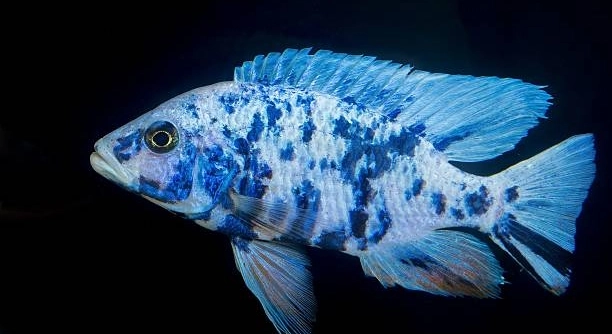
Many fish keepers notice changes in their tank behavior when the environment is just right. Certain features and setups can naturally encourage fish to feel safe, prompting nesting and breeding behavior to emerge naturally.
Tank features that trigger nesting instinct include hiding spots, calm water flow, appropriate substrate, consistent temperature, sufficient lighting, balanced plant coverage, and proper tank size. Each element contributes to creating a secure environment that encourages reproductive behavior in fish.
Knowing which features influence nesting helps create a healthy, comfortable tank where fish feel safe and ready to reproduce.
Hiding Spots for Comfort
Providing hiding spots in a tank is one of the most effective ways to encourage fish to nest. Fish naturally seek secure areas to lay eggs and protect their young. Rocks, caves, and dense plants give them places to retreat and feel safe. When fish have a variety of hiding spots, they are more likely to display natural behaviors. Even shy species respond positively, exploring these areas when the tank is calm. The layout should balance open swimming space with covered areas, as too many hiding spots can limit movement. Decorations like driftwood or clay pots can double as shelters while adding visual interest. It’s important to arrange these spots in a way that avoids crowding the tank, allowing water to circulate freely. Observing fish interactions around these shelters often shows increased confidence and reduced stress. Over time, hiding spots become preferred nesting zones, and fish may return to the same areas repeatedly.
Hiding spots reduce stress and increase nesting activity. Fish feel secure and are more likely to engage in natural reproductive behavior when shelters are available.
Even a small number of carefully placed hiding spots can change tank dynamics. Fish begin to explore, establish territories, and select preferred areas for laying eggs. Watching them claim these spaces is fascinating. It also encourages shy fish to become more active, and pairing hiding spots with the right tank companions reduces aggression. Plants and decorations can simulate a natural environment, providing comfort while supporting health and reproduction. Hiding spots not only aid nesting but also give fish a sense of ownership, which helps maintain social balance. Adjusting tank features seasonally or as fish grow ensures the shelters remain effective. The simplicity of adding caves or dense foliage can transform a standard tank into a nurturing space. By observing behaviors and adjusting placement, nesting success can improve significantly. Over time, these spaces become integral to fish life, influencing feeding, movement, and mating patterns. Small changes in shelter variety and placement make a meaningful difference in fish well-being.
Proper Substrate Selection
The substrate affects nesting behavior directly by providing a base for eggs. Fine sand or smooth gravel works best for many species, giving eggs a stable surface.
Substrate choice also impacts cleanliness and water quality. Uneven or rough materials can damage eggs or make them difficult to protect, so selecting the right texture is essential.
A well-chosen substrate encourages natural digging or egg-laying behaviors. Some fish prefer to bury their eggs, while others attach them to surfaces or plant roots. Matching substrate type to the species’ natural environment supports these instincts. Substrate depth matters too; deeper layers allow more flexibility for creating pits or mounds. Layering with sand over gravel can balance aesthetics with functionality. Regular maintenance is crucial, as substrate accumulates waste that could harm eggs. Using gentle siphoning techniques preserves eggs while keeping the tank clean. Plants can be rooted in substrate to provide additional structure, offering both protection and visual enrichment. Monitoring how fish interact with the substrate helps identify their preferred nesting spots, and minor adjustments can improve comfort. Over time, the right substrate transforms the tank into an ideal breeding environment that meets both safety and reproductive needs.
Consistent Water Flow
A gentle, consistent water flow is important for nesting. Strong currents can stress fish and wash away eggs, while still water can reduce oxygen levels. Moderate circulation creates a safe environment for breeding and helps maintain overall tank health.
Fish prefer areas where water moves slowly around hiding spots and substrate. Currents should be strong enough to prevent stagnation but not so forceful that eggs or fry are displaced. Using adjustable filters or strategically placing decorations can help manage flow. Observing fish behavior shows where currents are comfortable, and these areas often become preferred nesting zones. Water movement also encourages oxygenation, supporting both adult fish and developing eggs. Consistent flow mimics natural habitats, making fish feel secure and more likely to engage in reproductive behavior. Small adjustments can significantly improve nesting success without changing the entire tank setup.
Moderate water flow also reduces debris accumulation near nests. Uneven currents can concentrate waste, so balancing movement across the tank is key. Areas with gentle flow allow eggs to remain in place and prevent fungal growth. Plants and decorations can shield nests while maintaining circulation, creating microenvironments suitable for breeding. Proper flow supports fry survival by dispersing nutrients and preventing stagnation, ensuring a healthier start. Fish often adjust their position based on current, showing clear preferences that guide placement of new nests.
Balanced Lighting
Balanced lighting helps fish feel safe and secure. Too bright or inconsistent light can stress fish and interrupt nesting behavior, while natural or soft lighting supports reproductive instincts.
Lighting influences daily activity patterns and signals the right times for breeding. A stable schedule helps fish regulate hormonal cycles, increasing the likelihood of successful nesting. Using timers ensures consistency and reduces sudden changes that can startle fish. Lighting should complement tank decorations and plants, highlighting hiding spots without creating harsh exposure. Fish tend to select dimmer areas for laying eggs, while gradual light transitions prevent stress. Seasonal adjustments in lighting duration can simulate natural conditions, supporting long-term reproductive health. Observing how fish respond to light intensity shows preferred nesting locations and helps optimize tank setup for breeding.
Adequate Plant Coverage
Plants provide shelter and security, which directly influences nesting behavior. Dense foliage offers hiding places for eggs and fry, reducing stress and creating a more natural environment that encourages reproduction.
Live plants also improve water quality by absorbing excess nutrients. Their presence creates microhabitats where fish feel comfortable laying eggs and guarding them. Plants with broad leaves or fine roots give fish options for different nesting strategies. Over time, these areas become preferred sites for breeding. Proper plant placement near hiding spots and substrate enhances the tank’s overall comfort, supporting both adult fish and developing offspring.
Proper Tank Size
A tank that is too small can cause stress and aggressive behavior, which reduces nesting. Providing adequate space allows fish to establish territories and feel secure.
Temperature Stability
Maintaining stable water temperature is essential for encouraging breeding. Sudden fluctuations can stress fish and inhibit egg development, while consistent warmth supports reproductive cycles and healthy fry growth.
FAQ
What tank features are most important for triggering nesting?
The most influential features are hiding spots, appropriate substrate, stable water flow, balanced lighting, plant coverage, temperature consistency, and proper tank size. Each of these elements supports natural reproductive behavior by providing security and comfort, allowing fish to feel safe while laying eggs or caring for fry.
How do hiding spots influence nesting behavior?
Hiding spots give fish a sense of security. Caves, dense plants, and driftwood create safe areas where fish can retreat, lay eggs, and protect their young. Fish are naturally cautious, and these shelters reduce stress, encourage exploration, and help shy species display normal breeding behavior without interference from tankmates or strong currents.
Why is substrate choice important for fish nests?
Substrate serves as a foundation for eggs and breeding activity. Fine sand or smooth gravel allows fish to dig pits, attach eggs, or bury them depending on their natural instincts. Rough or uneven substrate can damage eggs and discourage nesting, while the right substrate supports healthy reproduction and mimics natural environments.
How does water flow affect egg-laying?
Moderate, consistent water flow is critical. Strong currents can displace eggs and stress fish, while stagnant water reduces oxygen levels. Gentle circulation ensures eggs stay in place, provides oxygenation, and helps maintain water quality, all of which increase the likelihood of successful breeding and fry survival.
What role does lighting play in nesting?
Balanced lighting helps regulate fish activity and reproductive cycles. Bright or fluctuating light can stress fish, discouraging nesting, while stable, soft lighting encourages natural behavior. Light should highlight hiding spots without exposing eggs directly, and timers can maintain a consistent day-night cycle to support hormonal and behavioral rhythms.
Why is plant coverage necessary for nesting?
Plants provide both shelter and egg-laying surfaces. Dense foliage offers protection from predators and strong currents, while roots and broad leaves give eggs a secure place to attach. Plant coverage also improves water quality by absorbing nutrients, creating a healthier environment for fish and fry.
How does tank size impact nesting success?
Adequate space is essential for reducing stress and aggression. Overcrowding can prevent fish from establishing territories, making them less likely to nest. A larger tank allows for defined areas for hiding, spawning, and swimming freely, supporting normal social behavior and increasing the chances of successful reproduction.
Why is temperature stability important for fish reproduction?
Consistent water temperature supports egg development and triggers natural breeding cycles. Sudden fluctuations can shock fish, reduce fertility, and harm fry. Maintaining a steady temperature within the species’ preferred range ensures a safe environment for spawning and encourages regular reproductive behavior.
Can tank decorations influence nesting behavior?
Yes. Decorations such as caves, driftwood, or clay pots provide secure nesting sites and encourage territorial behavior. Proper placement can guide fish toward specific areas, reduce aggression, and make breeding more predictable, all while enhancing the visual appeal of the tank.
How can I tell if fish are ready to nest?
Signs include increased activity, territorial behavior, color changes, and interactions with potential mates. Fish may explore hiding spots, dig in the substrate, or display courtship behaviors. Observing these cues helps determine if the environment is suitable and whether additional adjustments are needed to support nesting.
Is it necessary to separate species for breeding?
Separation depends on species compatibility. Aggressive or territorial fish may harm eggs or fry if mixed with other species. Providing isolated areas or breeding tanks ensures safety, reduces stress, and increases survival rates for offspring while allowing peaceful species to breed without interference.
What maintenance practices support nesting?
Regular water changes, substrate cleaning, plant trimming, and filter maintenance are essential. Clean, stable water prevents stress and disease, while healthy plants and decorations provide secure nesting sites. Minimal disruption near nests ensures fish continue natural behaviors without abandoning eggs or fry.
How do I encourage shy fish to nest?
Adding more hiding spots, adjusting water flow, and ensuring gentle lighting can help shy fish feel secure. Observing preferred areas and avoiding unnecessary disturbances encourages them to explore and engage in breeding behavior, gradually increasing confidence over time.
Can fry survive without special care in a tank with proper nesting features?
Fry survival improves with the right environment. Adequate hiding spots, gentle water flow, clean substrate, and plant coverage protect them from predation and stress. While some species may require additional care or separate rearing tanks, a well-designed habitat increases the chances of healthy growth and development.
How often should tank conditions be monitored for nesting success?
Daily observation is ideal to ensure water quality, temperature, and behavior remain stable. Monitoring allows early detection of stress, aggression, or environmental issues that could impact spawning. Timely adjustments to flow, lighting, or decorations support consistent reproductive activity and fry survival.
Creating a tank that encourages fish to nest takes careful planning and attention to detail. Every feature in the tank plays a role, from hiding spots and plant coverage to substrate type and water flow. Fish rely on their environment to feel safe, and when they feel secure, their natural reproductive instincts are more likely to appear. Small changes, like adding a cave, adjusting the current, or selecting a softer substrate, can make a noticeable difference in behavior. Consistency is also key. Fish respond to steady conditions, including regular lighting cycles and stable temperature. Sudden changes or overly bright light can cause stress, making them less likely to engage in nesting behaviors. Observing fish daily helps identify which areas they prefer and whether the tank setup is meeting their needs. Even minor adjustments, such as moving a plant closer to a hiding spot or softening water flow in a corner, can improve comfort and encourage egg-laying.
Maintaining a clean and well-structured tank supports both adult fish and developing eggs or fry. Plants and decorations do more than provide aesthetic appeal—they create microhabitats that protect young fish and give adults places to establish territories. Adequate space is also essential; overcrowding can lead to stress, aggression, and failed nesting attempts. Temperature stability plays a major role as well, influencing reproductive cycles and overall health. Fish are sensitive to fluctuations, so using heaters, thermometers, and proper monitoring helps ensure that conditions remain within the ideal range. Substrate type is another important factor, providing a surface for eggs or pits where fish can bury their young. Combining these elements creates a cohesive environment that encourages natural behavior without forcing it. Observing the fish as they interact with these features helps guide further adjustments to maximize nesting success.
Understanding the factors that trigger nesting instinct allows fish keepers to provide a supportive, balanced environment. The right combination of hiding spots, substrate, plant coverage, water flow, lighting, and temperature can transform a simple tank into a thriving breeding habitat. Consistent care and attention to detail make a significant difference in fish behavior, health, and reproduction. By arranging features thoughtfully and monitoring daily, keepers can observe how fish respond to changes and learn what works best for their species. Over time, a well-maintained tank not only supports successful nesting but also encourages natural behaviors, reduces stress, and strengthens the overall ecosystem within the aquarium. Small improvements, patience, and observation can lead to more confident, active, and healthy fish that thrive in a carefully crafted environment.

Hello,
If you enjoy the content that we create, please consider saying a "Thank You!" by leaving a tip.
Every little bit helps us continue crafting quality advice that supports the health, happiness, and well-being of pets around the world, for pets of all shapes, sizes, and species.
We really appreciate the kindness and support that you show us!