
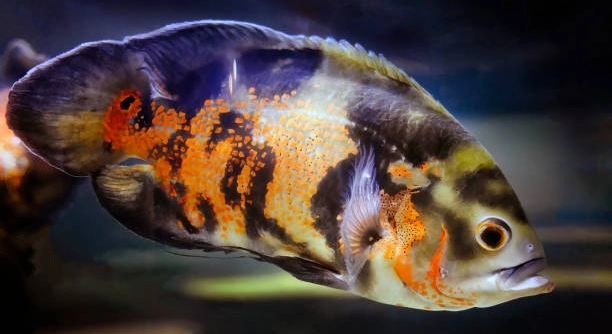
Convict cichlids are small, colorful fish that many aquarists enjoy keeping in home tanks. They often display interesting behaviors, especially when they interact with rocks and their surroundings in the aquarium environment.
Convict cichlids guard rocks primarily to protect their eggs and establish territory. This behavior ensures the safety of their offspring and reduces the risk of intrusion from other fish, supporting reproductive success and maintaining a stable environment.
Understanding why these fish exhibit such behaviors can improve tank management and foster healthier interactions among your aquatic pets. Observing their patterns reveals much about their natural instincts and care needs.
How Convict Cichlids Choose Their Rocks
Convict cichlids often select rocks that provide the best protection and visibility. They prefer flat or slightly hollow surfaces where they can lay eggs safely. The chosen rocks are usually in areas with minimal current, which helps keep the eggs in place. These fish are territorial, and a carefully selected rock allows them to watch over their space effectively. Male and female cichlids often work together to guard the rock, though females spend more time close to the eggs. Rocks near hiding spots or dense vegetation also offer added security from other fish in the tank. The size and shape of the rock play a role in the breeding process, providing a natural structure that mimics their natural habitat. Watching them inspect and rearrange their surroundings gives insight into their instincts and careful planning, showing how much thought they put into protecting their young.
The rock choice is crucial for reproduction and maintaining a secure environment for the eggs.
Providing proper rocks ensures healthier breeding and reduces stress, allowing cichlids to act naturally and maintain strong territorial behaviors in the tank.
Guarding Behavior Explained
Convict cichlids guard their rocks aggressively to protect their offspring and territory.
This guarding behavior is instinctive and starts when eggs are laid. Both parents patrol the area, chasing away intruders and rearranging debris to strengthen the nest. They use body displays and quick movements to warn other fish to keep their distance. The female usually stays closer to the eggs, fanning them to provide oxygen, while the male monitors the broader territory. This division of labor ensures eggs remain safe from predators. Outside the breeding period, guarding is less intense but still occurs when establishing territory or competing for resources. Their protective instincts are heightened in confined spaces like aquariums, making rock selection even more important. Observing these behaviors shows the strong bond between the pair and their commitment to survival, highlighting the complexity of seemingly simple aquarium fish. Consistent monitoring and proper tank setup support these natural behaviors and reduce unnecessary stress for the cichlids.
Signs Your Cichlids Are Guarding
Guarding cichlids stay close to their rocks, frequently fanning eggs and chasing away other fish. They often reposition pebbles or plants to strengthen the area and maintain a clear view of their territory.
These fish show noticeable changes in behavior when guarding. Females usually hover directly over the eggs, fanning them with their fins to provide oxygen and prevent fungus growth. Males patrol the surrounding area, keeping potential threats at a distance. Both parents can become aggressive toward tank mates or even their own reflection, showing the strength of their territorial instincts. Their focus on the nest is intense, and interruptions can stress them, affecting the eggs’ survival. Observing these behaviors gives insight into their protective strategies and natural instincts, which are essential for successful breeding and maintaining a calm tank environment.
Guarding also influences their interactions with other fish. Intruders approaching the rocks are quickly chased away, and the cichlids often create clear boundaries. This territorial behavior ensures the safety of the eggs and reduces conflicts. Parents work together but maintain distinct roles, with the female concentrated on egg care and the male focused on the perimeter. Even small changes in the tank layout can trigger adjustments in guarding patterns, showing how sensitive they are to their environment. Understanding these dynamics can help maintain a peaceful aquarium while supporting breeding efforts.
Tips for Supporting Rock Guarding
Provide flat, stable rocks and minimal strong currents to make guarding easier and less stressful.
Choosing the right rocks allows cichlids to build secure nests without constant interference. Rocks with slight crevices give eggs protection, while enough open space lets parents observe the surroundings. Placing rocks near hiding spots or plants gives extra security, reducing stress from other tank occupants. Keep decorations consistent so fish don’t need to adjust constantly, which could disturb guarding behavior. Observing the cichlids and offering stable, suitable structures encourages natural instincts and helps them thrive during breeding periods.
Regular tank maintenance is essential to support guarding behaviors. Keep water clean, monitor temperature, and avoid sudden changes that could stress the fish. Feeding high-quality, protein-rich food strengthens the parents and improves egg survival. Minimizing tank disturbances, such as frequent handling or moving decorations, ensures they remain focused on guarding. Watching them maintain their rocks and protect their eggs demonstrates their natural behaviors and the importance of proper care. By providing suitable conditions, you reinforce healthy patterns and support both reproduction and overall wellbeing, making the aquarium a more stable and rewarding environment for convict cichlids.
When Guarding Becomes Aggression
Guarding cichlids may appear aggressive if other fish approach too closely. They chase or nip intruders to protect their eggs and territory.
Aggression is strongest during breeding. Even normally peaceful tank mates can be seen as threats. Proper spacing and hiding spots reduce conflicts and help maintain a calm environment.
Adjusting Tank Setup
Rocks should be stable and placed where fish can see their surroundings. Avoid overcrowding the tank to prevent stress and unnecessary fights over territory.
Feeding and Guarding
High-protein foods help cichlids maintain energy during intense guarding periods. Regular feeding supports both adult health and egg development, ensuring that parents can focus on protecting their nest without weakness or fatigue.
Observing Natural Behavior
Watching cichlids interact with their rocks provides insight into their instincts. Guarding patterns, egg care, and territory defense reveal their natural strategies in a simplified, controlled environment.
FAQ
Why do convict cichlids guard rocks so closely?
Convict cichlids guard rocks closely to protect their eggs and territory. Rocks provide a secure surface for laying eggs and a clear vantage point to monitor surroundings. Both parents participate, with the female staying near the eggs and the male patrolling nearby areas.
How can I tell if my cichlids are guarding their eggs properly?
Look for constant presence near a chosen rock, fanning movements over the eggs, and chasing away intruders. The female will hover directly over the eggs while the male maintains perimeter vigilance. Any sudden decrease in attention may indicate stress or environmental issues.
Can other fish coexist with guarding cichlids?
Yes, but careful planning is needed. Non-aggressive tank mates with plenty of hiding spots work best. Avoid placing fish that may compete for territory or harass the guarding pair, as this can increase stress and reduce egg survival.
Do both male and female cichlids guard the rocks equally?
No, their roles differ. The female focuses on egg care, fanning and cleaning them, while the male concentrates on defending the broader territory. This division ensures eggs are protected and reduces the risk of intrusion from other fish.
How long does guarding last?
Guarding continues until the fry are free-swimming, typically around 10–14 days. During this period, parents maintain close observation, move eggs if necessary, and defend their chosen rock aggressively. After fry are mobile, parental vigilance gradually decreases.
Should I move the eggs or rocks if the tank setup changes?
It is best to avoid moving eggs or rocks. Cichlids rely on familiar landmarks to guard effectively. Sudden changes can stress them, reduce guarding behavior, and even lead to egg abandonment or harm to the fry.
What type of rocks are best for guarding?
Flat or slightly hollow rocks are ideal. They provide a stable surface for eggs, allow the female to fan them, and give a clear line of sight for the male. Rocks near plants or hiding spots give extra security without obstructing observation.
Does guarding affect feeding behavior?
Yes, cichlids may eat less while guarding. They prioritize protecting eggs over foraging. Offering small, high-protein meals close to their nest helps maintain energy without requiring them to leave the rocks frequently.
Can stress affect guarding behavior?
Absolutely. Overcrowding, sudden water changes, or aggressive tank mates can reduce guarding efficiency. Stress may lead to parents neglecting eggs or becoming overly aggressive. Maintaining a stable, calm environment is essential for successful breeding and fry survival.
How do I know if the guarding behavior is normal or excessive?
Normal guarding includes egg fanning, territory patrolling, and moderate chasing of intruders. Excessive behavior involves constant aggression toward all fish, including harmless ones, or refusal to leave the rock even to feed. Observing consistency and balance helps determine what is normal.
Is it necessary to separate fry from parents after they hatch?
Not always. Convict cichlids often continue to protect fry for a short period. Separation is only needed if tank space is limited or if other fish pose a threat. Monitoring interactions ensures the fry can grow safely without parental interference.
How can I encourage natural guarding behaviors in my tank?
Provide stable, suitable rocks, consistent hiding spots, minimal disturbances, and proper feeding. Avoid rearranging decorations or introducing new fish suddenly. Observing and maintaining a calm environment allows parents to display natural guarding instincts effectively.
Do all convict cichlids guard rocks the same way?
While the behavior is consistent, individual intensity may vary. Some pairs are more aggressive or attentive, while others may be calmer. Factors such as tank size, environment, and prior experience influence guarding patterns. Adjusting conditions supports consistent, healthy behavior across different pairs.
Can rocks be decorated or should they remain plain?
Rocks can be decorated with minimal plants or moss, as long as the surface is accessible for eggs and clear lines of sight are maintained. Decorations should not obstruct observation or hinder parents from fanning and defending the eggs effectively.
How important is water quality during guarding?
Very important. Poor water quality stresses parents and can harm eggs. Regular water checks, stable temperature, and clean conditions support effective guarding and improve survival rates for eggs and fry.
Do convict cichlids guard other surfaces besides rocks?
Rocks are preferred, but they may use flat tank decorations or dense plants if suitable. Stability and visibility are key factors. However, rocks remain the most effective and natural choice for safe egg-laying and guarding.
Can guarding behavior be observed outside breeding periods?
Yes, they may display territorial guarding over rocks even without eggs. This behavior reinforces dominance, keeps potential threats away, and maintains a secure environment for when breeding does occur.
How do parents communicate while guarding?
Body language, fin displays, and quick movements convey warnings and signals. The female signals readiness for egg care, while the male signals intrusion threats. These non-verbal cues coordinate parental efforts efficiently.
What should I do if guarding behavior becomes too aggressive?
Ensure adequate space, hiding spots, and compatible tank mates. If aggression persists, consider temporary separation or rearranging the tank layout to reduce conflict without disturbing the eggs or rocks.
Does temperature affect guarding intensity?
Yes, optimal water temperatures support active guarding, while extreme temperatures may reduce energy, increase stress, and decrease parental attention. Keeping the tank within recommended ranges ensures consistent behavior and egg protection.
How do I know when the eggs have hatched safely?
Fry become free-swimming and move away from the rocks, while parents continue mild supervision. Clear water and attentive observation help confirm successful hatching and indicate the guarding period is nearing completion.
Are there any signs that eggs or fry are in danger?
Fungal growth, excessive neglect, or repeated disturbances signal risk. Parents may abandon eggs under extreme stress. Maintaining a stable environment, monitoring for threats, and ensuring proper tank conditions minimize hazards.
What role do hiding spots play in guarding success?
Hiding spots near rocks reduce stress from other fish and provide shelter for fry once hatched. They allow parents to guard effectively while giving fry protection, increasing survival chances in the tank environment.
How often should I monitor guarding cichlids?
Daily observation is sufficient. Look for consistent egg care, territorial defense, and overall health. Frequent interference can stress parents, so monitoring should be calm and minimal, ensuring both protection and natural behavior.
Can guarding behavior be influenced by tank size?
Yes, larger tanks allow better territory establishment and reduce conflicts, while small tanks can increase aggression and stress. Providing adequate space is essential for healthy guarding and overall fish welfare.
Do parents ever relocate eggs?
Yes, if the rock becomes unsafe or if environmental conditions change, parents may move eggs to a more secure location. This behavior demonstrates adaptability and prioritization of egg survival.
Is guarding behavior instinctive or learned?
Guarding is instinctive. Convict cichlids naturally protect eggs and territory without prior experience. Environmental conditions may influence intensity, but the core behavior is driven by reproductive survival instincts.
How long should I maintain consistent conditions for guarding to be successful?
Stable water, tank layout, and minimal disturbances should be maintained throughout the entire breeding period, from egg-laying until fry are free-swimming. Consistency ensures parents can guard effectively and supports healthy offspring development.
Can guards recognize individual intruders?
While not as advanced as mammals, convict cichlids can distinguish between familiar tank mates and potential threats. This recognition helps them focus energy on actual risks, reducing unnecessary stress and aggression.
Are there differences in guarding between first-time breeders and experienced cichlids?
Yes, experienced cichlids may show more efficient guarding, better egg care, and stronger territory defense. First-time breeders may be less consistent, but they usually learn and improve with each breeding cycle.
What is the best way to observe guarding without causing stress?
Keep a safe distance, use external viewing without tapping the glass, and avoid sudden movements or rearranging tank elements. Minimal interference lets cichlids maintain natural behavior while ensuring you can monitor effectively.
Do environmental enrichments affect guarding?
Yes, appropriate rocks, plants, and hiding spots support natural guarding behaviors, reduce stress, and encourage proper egg care. Overcrowding or unnecessary decorations can hinder observation and parental effectiveness.
Can guarding behavior indicate overall fish health?
Strong, consistent guarding usually reflects healthy, well-fed cichlids in a stable environment. Weak, erratic, or absent guarding may signal stress, illness, or unsuitable tank conditions, making observation a useful health indicator.
How do I support fry after guarding ends?
Ensure adequate hiding spaces, proper nutrition, and stable water conditions. Parents may continue mild supervision, but fry should be monitored for safety and growth. Gradually introducing compatible tank mates reduces risk and encourages natural development.
Are there seasonal differences in guarding behavior?
In natural habitats, temperature and daylight influence breeding cycles and guarding intensity. In home aquariums, stable conditions minimize seasonal variation, though slight changes in water or light can subtly affect activity levels.
Can guarding behavior coexist with community tanks?
Yes, if tank mates are non-aggressive, well-spaced, and have hiding spots. Careful observation and planning ensure both guarding behavior and community harmony, reducing stress and protecting eggs effectively.
How does parental coordination enhance guarding success?
Division of labor, with the female on eggs and the male on perimeter, ensures comprehensive protection. Each parent focuses on specific tasks, improving survival rates and maintaining a secure environment.
What mistakes should be avoided during guarding?
Avoid sudden tank changes, introducing aggressive fish, or overhandling decorations. Neglecting feeding or water quality can compromise guarding, stress parents, and reduce egg survival. Maintaining consistency is critical.
Do cichlids guard multiple rocks at once?
Typically, they focus on a single primary rock for egg-laying and guarding. Secondary rocks may be patrolled occasionally, but concentrated defense of one nest maximizes protection and reduces stress.
Can guarding behavior affect social dynamics in the tank?
Yes, strong territorial guarding can influence other fish, establishing hierarchies and boundaries. Proper spacing and hiding spots reduce conflict, allowing both guarding and peaceful coexistence.
Is guarding energy-intensive?
Yes, parents spend most of their energy maintaining proximity, fanning eggs, and patrolling territory. Adequate feeding and proper tank conditions support their stamina and overall health during this demanding period.
How long do cichlids remember their guarding territory?
They tend to recognize and remember the primary rock and surrounding area throughout the breeding period. Familiarity helps them defend effectively and coordinate parental roles without confusion.
Can guarding behavior be passed to offspring?
While not learned immediately, offspring inherit instincts that promote territory awareness and protective behavior as they mature. Exposure to parental guarding may influence their future responses in a subtle way.
Are there signs that guarding is ineffective?
Egg damage, fungal growth, or fry loss can indicate ineffective guarding. Causes include stress, poor water quality, or insufficient tank space. Addressing these factors improves protection and overall success rates.
What role does tank lighting play in guarding?
Moderate, stable lighting helps parents observe surroundings without excessive stress. Bright or fluctuating lights can cause agitation, while dim areas near rocks can provide comfort and security for both eggs and guarding parents.
Do cichlids ever abandon rocks?
Yes, if the rock becomes unsafe or conditions change drastically. Abandonment is usually a last resort, triggered by stress, aggressive intruders, or poor water quality. Providing stable, suitable rocks reduces this risk.
How can I tell if both parents are healthy during guarding?
Healthy parents remain active, show consistent egg care, and maintain territorial behavior. Weakness, lethargy, or lack of attention to eggs indicates stress, illness, or nutritional deficiency, requiring intervention for successful breeding.
Is guarding behavior the same in captivity as in the wild?
The core instincts remain the same, but confined spaces and limited tank mates can intensify aggression and territoriality. Providing proper structure and minimal disturbances helps mimic natural conditions and supports healthy guarding behavior.
How do I know when to stop interfering with guarding?
Once eggs are free-swimming and fry are mobile, parental intervention naturally decreases. Observation should continue for safety, but minimal interference ensures cichlids maintain natural instincts without added stress.
Can water flow affect guarding?
Yes, strong currents can displace eggs or make fanning difficult. Gentle, controlled flow ensures eggs remain secure and parents can guard effectively without excessive energy expenditure.
Do cichlids guard eggs in all tank types?
Yes, they instinctively guard eggs in any aquarium as long as suitable rocks and space are available. Tank size, layout, and companion fish influence intensity but do not eliminate the behavior.
Are there any signs that guarding is complete?
Guarding typically ends when fry become free-swimming, parents reduce proximity to rocks, and aggressive territorial displays subside. Observing these changes confirms the eggs have hatched successfully and parental duties are winding down.
What is the best way to document guarding behavior?
Keep notes or photos of egg locations, parent activity, and aggression patterns. Tracking changes helps identify problems early, supports consistent care, and provides insight into each pair’s unique behavior.
Does water temperature influence egg development during guarding?
Yes, stable and appropriate temperatures support proper embryo growth and reduce stress on parents. Extreme temperatures may slow development, increase vulnerability, or disrupt guarding behaviors.
How can I prevent egg loss during guarding?
Provide stable rocks, consistent tank conditions, minimal disturbances, and proper nutrition. Adequate space and hiding spots for fry reduce stress and improve survival rates, supporting natural guarding instincts.
Do parents ever fight each other while guarding?
Fights are rare but can occur if roles are unclear or space is insufficient. Maintaining proper tank layout and consistent rocks helps parents coordinate effectively without conflict.
How often should water quality be checked during guarding?
Regular checks are essential. Monitor parameters such as temperature, pH, ammonia, and nitrite levels at least weekly to ensure stable conditions that support guarding and egg survival.
Can guarding behavior be interrupted by sudden noises or vibrations?
Yes, sudden disturbances may cause stress, temporary egg neglect, or aggression. Keeping the tank in a calm, stable location minimizes interruptions and supports continuous guarding behavior.
Is there a difference between first-time and experienced fry protection?
Experienced cichlids tend to guard more efficiently, show stronger territorial instincts, and manage eggs and fry more effectively. First-time breeders may need more stable conditions to develop successful guarding patterns.
Do parents continue guarding after fry leave the nest?
Yes, parental supervision often continues for several days after fry are mobile, ensuring their safety as they explore the tank and adapt to independent life.
How does diet influence guarding behavior?
A protein-rich diet supports energy demands of guarding. Parents need sufficient nutrients to maintain vigilance, patrol territory, and care for eggs without becoming weakened or stressed.
Are there any environmental cues that trigger guarding?
Laying eggs and suitable rock selection trigger guarding. Stable water conditions, minimal disturbances, and absence of threats reinforce natural instincts, allowing parents to focus on nest protection effectively.
Can guarding be used as an indicator of breeding readiness?
Yes, consistent selection of rocks, territorial displays, and preparatory behaviors often indicate that a pair is ready to breed, signaling the start of egg-laying and parental care.
Do parents communicate with fry after hatching?
Yes, subtle movements and positioning help guide fry, keeping them safe and within protected areas while gradually encouraging independence as they grow and explore.
Can aggressive guarding affect long-term tank dynamics?
Yes, strong territorial behavior can influence hierarchy, stress other fish, and create tension. Proper spacing, hiding spots, and compatible tank mates help balance guarding with overall harmony.
How long do cichlids remember the location of their guarded rocks?
They typically remember the main rock and surrounding area throughout the breeding period. Familiarity ensures efficient defense, coordination, and continued protection of eggs and fry.
Are there visual signs that eggs are healthy?
Healthy eggs appear clear or slightly opaque, evenly spaced, and firmly attached to the rock. Any discoloration, fungal growth, or detachment may indicate problems requiring attention.
Can guarding behavior be influenced by tank decorations?
Yes, too many decorations can obstruct lines of sight and disrupt egg care. Minimal, stable decorations allow parents to guard efficiently without distraction or stress.
Do cichlids ever share rocks with other breeding pairs?
No, they are territorial and prefer exclusive use of rocks. Shared spaces can lead to aggression, egg loss, or failed guarding, making separate rocks essential for multiple pairs.
How can I reduce stress during guarding periods?
Maintain stable water conditions, proper nutrition, adequate space, and minimal disturbances. Providing consistent rocks and hiding spots reduces tension and supports natural protective behaviors.
Is it normal for parents to chase their own reflection while guarding?
Yes, reflections can be perceived as intruders, triggering territorial behavior. Placing tanks away from direct light or reflective surfaces minimizes unnecessary aggression.
How can I tell if guarding behavior is successful?
Consistent egg care, minimal losses, active fry, and coordinated parental roles indicate successful guarding. Monitoring these behaviors confirms healthy protection and effective reproduction.
Do environmental changes disrupt guarding immediately?
Sudden changes can immediately stress parents, reducing attention to eggs, triggering aggression, or causing relocation. Gradual adjustments help maintain natural guarding behavior.
Can tank mates trigger excessive guarding?
Yes, overly active or territorial fish can provoke constant aggression. Choosing compatible, non-threatening tank mates reduces conflict and allows parents to guard efficiently without excessive stress.
Does parental age affect guarding behavior?
Older, experienced cichlids often guard more effectively and efficiently. Younger, first-time breeders may need consistent conditions to develop strong protective behaviors and successful egg care.
Is it normal for guarding cichlids to ignore other areas of the tank?
Yes, parents focus primarily on rocks with eggs. Their attention to other areas decreases, allowing them to prioritize protection and egg survival over unrelated activities.
Can water chemistry changes affect guarding?
Yes, sudden shifts in pH, hardness, or other parameters can stress parents and reduce egg care. Maintaining stable, appropriate water chemistry is essential for effective guarding and successful breeding.
Are there ways to safely monitor guarding without interference?
Observing from a distance, avoiding tapping or sudden movements, and using stable lighting allows monitoring without disturbing natural behavior or increasing stress for parents and fry.
How do parents adjust guarding if eggs are at risk?
They may relocate eggs, increase aggression toward intruders, or spend more time fanning and cleaning. These adjustments are instinctive responses to threats or unfavorable conditions.
Does guarding behavior indicate good tank management?
Yes, consistent, healthy guarding reflects stable water, proper nutrition, and suitable tank setup. Weak or erratic
Convict cichlids are fascinating fish, especially when it comes to their instinctive behaviors around rocks. Their guarding actions are natural and essential for the survival of their eggs and fry. Observing a pair of cichlids as they select, clean, and defend a rock shows how much effort they put into protecting their young. Each rock is carefully chosen for stability, visibility, and safety, and the fish work together in distinct roles. The female focuses on keeping the eggs healthy, fanning them to provide oxygen and removing debris, while the male patrols the territory, chasing away intruders. This partnership demonstrates their natural instincts and the importance of the rock as both a nesting site and a center for their territory. By understanding this behavior, aquarists can create environments that support these natural processes, helping the fish feel secure and reducing stress in the tank.
Proper tank setup plays a critical role in supporting convict cichlids’ guarding behaviors. Providing stable rocks with flat surfaces and slight hollows gives the fish ideal locations for egg-laying and protection. Rocks placed near hiding spots or gentle vegetation allow fry to take shelter once they hatch while letting parents maintain control over their territory. Water quality is equally important, as poor conditions can stress the parents and reduce their attention to eggs. Maintaining stable temperature, pH, and cleanliness supports healthy, consistent guarding behavior. Feeding high-quality, protein-rich food helps keep the parents strong and focused, preventing energy loss during long periods of protection. Observing the fish without disturbing them allows the cichlids to act naturally while giving the aquarist insight into their instincts and interactions. Small adjustments, like avoiding overcrowding or sudden tank changes, can make a significant difference in how effectively they guard their rocks and care for their young.
Guarding behavior also reveals broader insights into the natural life of convict cichlids. Even outside breeding periods, these fish display territorial instincts, showing how important their environment is for safety and dominance. Their behavior is a combination of instinctive care, strategic planning, and adaptability, especially when eggs or fry are at risk. Watching them coordinate and protect their rocks provides a clear example of how even small fish rely on structure, stability, and teamwork. For anyone keeping convict cichlids, understanding and respecting this behavior allows for a more balanced tank and healthier fish. By supporting their natural guarding habits, aquarists can help ensure successful breeding, protect the offspring, and create a peaceful environment where the fish feel confident and secure. Observing their dedication to their rocks reminds us that even simple aquarium setups can host complex, purposeful behaviors that reflect the natural instincts of these remarkable fish.

Hello,
If you enjoy the content that we create, please consider saying a "Thank You!" by leaving a tip.
Every little bit helps us continue crafting quality advice that supports the health, happiness, and well-being of pets around the world, for pets of all shapes, sizes, and species.
We really appreciate the kindness and support that you show us!