
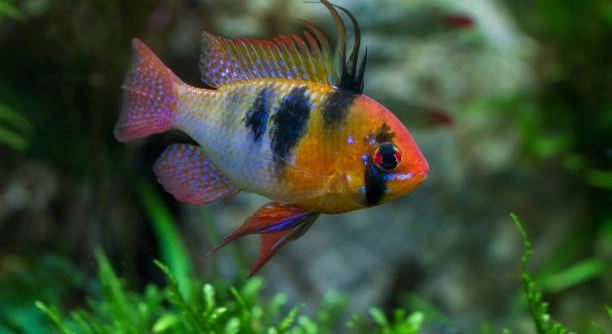
Many fish enthusiasts enjoy keeping colorful and active species in their aquariums. Cichlids and Oscars are popular choices, each bringing unique behaviors and appearances. Understanding their differences can help hobbyists provide better care for these fish.
Cichlids and Oscars differ in size, behavior, diet, tank requirements, lifespan, breeding habits, and social interactions. Cichlids are generally smaller and more territorial, while Oscars grow larger, exhibit playful intelligence, and require more spacious environments to thrive.
Knowing these distinctions can improve your fish-keeping experience and ensure both species remain healthy and happy in their home environments.
Size Differences Between Cichlids and Oscars
Cichlids are generally smaller, averaging 4 to 12 inches depending on the species. They grow steadily and can fit comfortably in moderately sized tanks. Oscars, on the other hand, can reach 12 to 18 inches, often requiring larger aquariums. Their size influences tank setup, filtration needs, and swimming space. Small cichlids can thrive in community tanks with careful selection of tank mates. Oscars need strong filtration and regular maintenance because their larger bodies produce more waste. Observing size differences helps plan feeding routines, tank decorations, and compatibility with other fish. Both fish develop gradually, and monitoring their growth ensures a healthier environment. Proper tank planning for size differences prevents stress and health issues. While Oscars demand more room, cichlids can adapt to smaller, well-maintained tanks without sacrificing activity or appearance.
Cichlids are smaller and suitable for medium tanks, while Oscars grow larger, requiring spacious tanks and stronger filtration to maintain water quality.
Recognizing these size distinctions is key to avoiding overcrowding and ensuring each fish has adequate space. Proper space management reduces aggression and promotes natural behavior, keeping both species comfortable.
Behavior and Temperament Differences
Cichlids are often territorial and may display aggression toward similar species. Oscars are playful but can also be stubborn and dominate smaller tank mates.
Behavior varies widely between species. Cichlids show strong territorial instincts, often staking a portion of the tank as their own. They may chase intruders, defend nesting areas, or rearrange decorations, which requires careful planning in multi-fish tanks. Oscars exhibit more intelligence and interaction with their surroundings, sometimes recognizing owners or learning simple feeding routines. Despite being less territorial than cichlids, Oscars can dominate smaller fish if left together. Both species benefit from stimulation, such as hiding spots or floating toys. Monitoring their behavior helps maintain balance in a tank. Aggressive tendencies in cichlids can be reduced by providing enough space and visual barriers. Oscars need a consistent routine to prevent stress and ensure proper growth.
Providing the right environment based on temperament ensures healthier fish and a more peaceful aquarium overall. Adjusting tank setup and monitoring interactions can prevent conflicts and support natural behaviors.
Diet and Feeding Habits
Cichlids eat a mix of pellets, flakes, and occasional live food. Oscars prefer high-protein diets, including pellets, frozen foods, and vegetables. Both require balanced nutrition to stay healthy, but Oscars need larger portions due to their size and faster growth.
Cichlids’ diet should include high-quality pellets as a staple, supplemented with occasional live or frozen foods like brine shrimp or bloodworms. Vegetables such as peas or spinach can provide fiber and prevent digestive issues. Feeding small amounts multiple times a day encourages natural foraging behavior and reduces waste in the tank. Overfeeding can lead to obesity and poor water quality, so portion control is important. Consistent nutrition supports vibrant coloration, strong immune systems, and overall longevity.
Oscars require more food than cichlids and benefit from a varied diet to meet protein needs. High-quality pellets should form the core of their feeding plan. Frozen or live foods like krill, shrimp, or small fish provide enrichment and maintain muscle development. Occasionally offering vegetables such as zucchini or spinach adds nutrients and helps digestion. Proper feeding routines reduce aggressive competition for food and ensure growth. A structured diet keeps Oscars active, healthy, and visually striking, highlighting their natural intelligence and playful behavior.
Tank Requirements and Maintenance
Cichlids thrive in tanks with moderate space, hiding spots, and stable water conditions. They need regular water changes and reliable filtration to prevent stress and disease.
Tank setup depends on species size and behavior. Smaller cichlids can live comfortably in 30-40 gallon tanks, while larger species need 50 gallons or more. Decorations like rocks, caves, and plants help define territories and reduce aggression. Regular water testing ensures pH, hardness, and temperature remain stable, preventing health problems. Filtration should handle the bio-load, removing waste efficiently. Substrate type matters too, as some cichlids like to dig or move sand around. Careful maintenance and observation create a balanced environment where fish display natural behavior without stress or injury.
Oscars demand larger tanks, usually starting at 75 gallons, with strong filtration systems to handle their heavy waste output. Decorations must be sturdy, as Oscars often rearrange rocks or uproot plants. Open swimming space is critical, and hiding spots or caves can help reduce tension during territorial disputes. Water quality requires weekly partial changes and constant monitoring of ammonia, nitrate, and pH levels. Maintaining temperature between 74-81°F is important for metabolism and immune health. Proper tank care ensures Oscars remain active, healthy, and visually impressive, reducing stress-related illness and supporting long-term growth.
Lifespan Differences
Cichlids generally live 8 to 12 years with proper care. Oscars have a longer lifespan, often reaching 10 to 15 years, requiring consistent attention to diet and tank conditions to thrive.
Lifespan depends on water quality, nutrition, and stress levels. Both species benefit from stable environments and routine maintenance, but Oscars need more space and monitoring due to their size and activity level.
Breeding Habits
Cichlids often lay eggs on flat surfaces or in caves, showing strong parental care. Oscars also guard eggs and fry, but they may be less selective about nesting sites. Breeding requires stable water conditions, proper diet, and careful observation to protect young fish from aggression.
Social Behavior
Cichlids can be territorial, especially during breeding, and may require separation from aggressive tank mates.
FAQ
What is the main difference between cichlids and Oscars?
The main difference is size and behavior. Cichlids are smaller, more territorial, and often aggressive toward similar species. Oscars grow larger, display playful intelligence, and require more space. Both species need proper nutrition and tank maintenance, but Oscars demand a bigger setup and stronger filtration.
How much space do cichlids and Oscars need?
Cichlids can live comfortably in tanks starting at 30-40 gallons, depending on species. Oscars need at least 75 gallons because of their size and activity. Adequate swimming space reduces stress and aggression. Decorations like rocks, caves, and hiding spots help cichlids manage territories, while Oscars need open areas for free movement.
What should I feed them?
Cichlids eat high-quality pellets, flakes, and occasional live or frozen foods like bloodworms or brine shrimp. Oscars need more protein, so pellets, frozen shrimp, krill, and small vegetables are ideal. Both species benefit from a balanced diet to maintain coloration, growth, and overall health. Feeding small portions multiple times a day works best.
Are Oscars more aggressive than cichlids?
Not always, but their size can make them dominate smaller fish. Cichlids are territorial, especially during breeding, while Oscars are intelligent and playful but can be stubborn. Both require careful tank planning to reduce conflicts, with hiding spots and visual barriers for cichlids and enough open space for Oscars.
How often should I clean the tank?
Water quality is critical for both species. Cichlids benefit from weekly water changes and moderate filtration. Oscars produce more waste, so weekly partial changes combined with strong filtration are necessary. Testing ammonia, nitrate, and pH levels regularly prevents stress and disease. Proper cleaning supports growth, behavior, and longevity.
Can cichlids and Oscars live together?
It depends on species, size, and tank setup. Small cichlids may be stressed by Oscars’ size and behavior. Larger, less aggressive cichlids might coexist if the tank is spacious with plenty of hiding spots. Observing interactions closely and adjusting decorations or separating fish when necessary is important.
Do they require special water conditions?
Both species need stable water conditions. Cichlids prefer slightly hard, neutral to slightly alkaline water with temperatures between 74-80°F. Oscars thrive in similar temperatures but need excellent filtration because of higher waste. Monitoring pH, ammonia, and nitrate ensures a healthy environment and reduces the risk of disease.
How do I encourage breeding?
For cichlids, provide flat surfaces or caves, maintain stable water, and feed nutritious foods to stimulate spawning. Oscars need stable temperature, a balanced diet, and a secure area for eggs. Both species may show aggression during breeding, so careful monitoring is essential to protect fry from other fish.
What signs indicate they are healthy?
Bright colors, active swimming, regular eating, and clean fins indicate good health. Lethargy, faded colors, or unusual behavior may signal stress or illness. Maintaining proper diet, tank size, and water quality supports overall health and longevity for both cichlids and Oscars.
How long do they live?
Cichlids typically live 8-12 years, depending on care and species. Oscars can live 10-15 years with consistent feeding, clean water, and sufficient space. Both benefit from stable conditions, reduced stress, and proper nutrition to reach their maximum lifespan.
Can I keep them in community tanks?
Cichlids may be aggressive toward similar species, so careful selection of tank mates is required. Oscars can dominate smaller fish, so community setups are tricky unless tank mates are large and robust. Providing enough space and hiding spots helps minimize conflicts and stress.
Do they need decorations or hiding spots?
Yes, especially for cichlids, which use rocks, caves, and plants to establish territories. Oscars may rearrange decorations but still benefit from hiding spots during aggressive interactions. Decorations also stimulate natural behavior, reduce stress, and improve the overall tank environment.
Are Oscars more intelligent than cichlids?
Yes, Oscars display higher problem-solving ability and can recognize owners or learn feeding routines. Cichlids are also intelligent but focus more on territory and breeding behavior. Both species need mental stimulation to prevent boredom and encourage natural activity.
Can I feed them the same foods?
There is some overlap, like high-quality pellets and occasional frozen foods. Oscars require more protein and larger portions. Cichlids benefit from occasional vegetables to aid digestion. Tailoring feeding to species ensures growth, health, and reduced waste in the tank.
How do I manage aggression?
Aggression is managed through proper tank size, hiding spots, and monitoring interactions. Separating overly aggressive fish, providing visual barriers, and ensuring each fish has adequate space reduces stress. Cichlids may need more barriers, while Oscars benefit from open swimming areas to reduce territorial conflicts.
What equipment is essential for both?
A reliable filtration system, heater, thermometer, water test kits, and sturdy decorations are essential. Cichlids require moderate filtration, while Oscars need strong filtration due to waste output. Regular maintenance and proper equipment support water quality, fish health, and long-term tank stability.
How do I prevent diseases?
Maintain stable water conditions, avoid overfeeding, and quarantine new fish before introducing them to the main tank. Observing behavior, keeping the tank clean, and providing balanced diets prevent common illnesses and support healthy growth for both cichlids and Oscars.
Are Oscars harder to care for than cichlids?
They require more space, stronger filtration, and a larger diet, making them slightly more demanding. Cichlids are smaller and easier to manage but need careful attention to aggression and water stability. Both species require commitment to thrive.
Can their colors change over time?
Yes, diet, lighting, stress, and age influence coloration. Proper nutrition and stable conditions enhance vibrancy. Stress or poor water quality can dull colors, so monitoring their environment helps maintain natural beauty for both cichlids and Oscars.
Is tank decoration important for breeding?
Yes, cichlids often lay eggs on flat surfaces or in caves, and Oscars benefit from secure nesting areas. Proper decoration reduces stress and supports natural spawning behavior, increasing the chance of healthy fry.
How do I handle them safely?
Use gentle nets or containers when moving fish. Both species can be strong and active, with Oscars being larger and more powerful. Minimizing handling reduces stress, prevents injury, and keeps fish healthy.
Can I mix cichlid species together?
Some combinations work if sizes and temperaments are compatible. Aggressive or territorial species may need separation. Observing interactions and providing space and hiding spots helps reduce conflicts and ensures a balanced aquarium environment.
How often should I test water?
Weekly testing for ammonia, nitrite, nitrate, and pH is recommended. Oscars may require more frequent checks due to higher waste production. Consistent testing prevents sudden changes that can harm fish health.
Do they interact with humans?
Oscars often recognize owners and may respond to feeding routines. Cichlids are less interactive but may show curiosity near the glass. Both species benefit from gentle observation and consistent care, which supports their well-being.
Can stress affect their health?
Yes, stress from poor water quality, overcrowding, or aggressive tank mates can lead to illness, loss of color, and lethargy. Reducing stress through proper tank setup and care is essential for longevity and overall health.
What is the best substrate for each?
Cichlids often prefer sand or fine gravel they can dig in. Oscars are less particular but benefit from smooth substrates to prevent injury. Proper substrate supports natural behavior and tank cleanliness.
How can I tell if they are breeding-ready?
Cichlids show increased territorial behavior, nest preparation, and guarding of flat surfaces or caves. Oscars may become more protective, dig areas, or show paired bonding. Monitoring diet and tank conditions helps prepare for successful spawning.
Do they need any supplements?
Occasional vitamins or mineral supplements can support growth and immune health, especially for Oscars. High-quality pellets usually provide sufficient nutrients for cichlids. Supplements are optional but helpful if diet lacks variety.
How do I manage tank cleaning with Oscars?
Partial water changes weekly, strong filtration, and removing uneaten food are essential. Oscars produce more waste than cichlids, so consistent maintenance is critical to prevent ammonia spikes and maintain health.
Are they compatible with plants?
Cichlids may uproot plants, depending on species. Oscars often dig and rearrange decorations, which can disturb plants. Using hardy plants or artificial decorations can reduce damage while maintaining aesthetics.
What are common health issues?
Both species are prone to stress-related illnesses, fin rot, and parasitic infections. Maintaining water quality, proper diet, and reducing aggression minimizes risks. Prompt treatment ensures recovery and longevity.
Can they recognize each other or other fish?
Cichlids may recognize territorial boundaries, while Oscars can remember feeding routines and interactions with tank mates. Both species show intelligence in behavior and environmental awareness, which can be observed over time.
Do Oscars require more frequent feeding than cichlids?
Yes, Oscars have higher metabolism and grow faster, needing larger portions more frequently. Cichlids do well with smaller, measured feedings. Following species-specific routines ensures healthy growth and prevents overfeeding.
Are there any special considerations for water temperature?
Both species prefer 74-81°F. Stable temperatures reduce stress, encourage feeding, and support metabolism. Sudden changes can weaken the immune system and trigger illness. Using a reliable heater and thermometer ensures consistency.
Do they show individual personalities?
Yes, Oscars are playful and can learn routines, while cichlids display territorial and protective behaviors. Observing each fish over time reveals unique traits that influence feeding, interactions, and tank setup.
Is breeding Oscars difficult?
They are less selective than cichlids but require stable water, secure nesting areas, and a proper diet. Observing protective behavior and preparing a safe tank environment improves chances of successful spawning.
How do I separate aggressive fish?
Use temporary partitions, separate tanks, or rearrange decorations to create visual barriers. Aggression can stress or injure other fish, so monitoring behavior and adjusting the environment is essential for a balanced tank.
Can I keep juvenile Oscars with adult cichlids?
It is risky. Juveniles may be bullied or outcompeted for food. Providing sufficient space and monitoring interactions helps, but adult Oscars and cichlids often require separate tanks to avoid conflict.
Do Oscars and cichlids need aeration?
Yes, oxygen-rich water supports metabolism and overall health. Adding air stones or ensuring proper filtration circulation improves oxygen levels, especially in tanks with larger or more active fish.
Can tank size affect breeding?
Yes, too small a tank causes stress, reduces spawning behavior, and increases aggression. Adequate space encourages natural behavior and improves survival rates for eggs and fry.
Do they require special lighting?
Standard aquarium lighting is sufficient for health, but proper lighting enhances color. Avoid intense or flickering lights that may stress the fish. Consistent day-night cycles support normal activity and feeding.
How do I reduce algae in their tanks?
Regular water changes, controlling light exposure, avoiding overfeeding, and using algae-eating species or tools helps maintain a clean tank. Excess waste from Oscars makes algae control especially important.
Can stress cause color changes?
Yes, dulling or fading colors often indicate stress from poor water quality, aggression, or illness. Proper care, nutrition, and stable conditions help maintain vibrant coloration in both species.
Are Oscars good for beginners?
They are manageable with proper tank size, filtration, and diet but require more attention than smaller cichlids. Beginners need commitment to space, maintenance, and feeding routines to keep Oscars healthy.
Do cichlids need hiding spots during community keeping?
Yes, hiding spots reduce aggression, protect smaller fish, and allow territorial fish to establish boundaries. Rocks, caves, or plants provide security and prevent stress in community setups.
Can they live in outdoor ponds?
Only in climates that maintain stable temperatures year-round. Both species prefer controlled environments, and Oscars especially require protection from predators and temperature fluctuations. Outdoor ponds are challenging without careful monitoring.
Do they need quarantine before introduction?
Yes, quarantining new fish prevents disease transfer. Observing health and behavior before adding them to the main tank ensures safety and reduces stress for existing fish.
Are Oscars more interactive than cichlids?
Yes, Oscars often respond to feeding routines, recognize owners, and display playful behaviors. Cichlids are more territorial but still show curiosity, particularly near tank boundaries or during feeding times.
How can I encourage activity?
Provide open swimming space, decorations for exploration, and occasional live or frozen foods. Both species benefit from stimulation, which supports health, behavior, and overall well-being.
Can Oscars live with other large fish?
Yes, if sizes and temperaments are compatible. Avoid smaller or highly aggressive fish that could provoke conflict. Providing enough space and hiding spots helps maintain harmony.
Do they need specific pH levels?
Cichlids prefer slightly alkaline water around 7.0-8.0. Oscars tolerate a similar range. Stable pH supports metabolism, reproduction, and overall health. Sudden shifts can stress or harm the fish.
How do I prevent overfeeding?
Feed measured portions, remove uneaten food promptly, and monitor behavior. Overfeeding leads to obesity, water quality issues, and stress, especially with Oscars who eat more than cichlids.
Can Oscars and cichlids recognize each other?
They may recognize territorial boundaries or feeding routines but don’t form social bonds. Awareness of tank mates helps reduce conflict and aggression.
Are Oscars prone to digging or rearranging tanks?
Yes, they often move decorations, rocks, and plants. Planning sturdy setups and providing open space prevents damage and stress.
Do they need routine observation?
Yes, daily observation helps detect early signs of illness, stress, or aggression. Noticing subtle changes ensures timely intervention and healthier fish.
Can I use the same filtration for both?
Moderate filtration works for cichlids, but Oscars need stronger systems due to higher waste output. Proper filtration maintains water quality and supports fish health.
How do I know if they are stressed?
Signs include faded colors, lethargy, hiding, erratic swimming, or loss of appetite. Identifying causes and adjusting the environment helps reduce stress and prevent illness.
Do Oscars need larger food portions than cichlids?
Yes, Oscars grow faster and have higher metabolism. Feeding larger portions at controlled intervals prevents hunger and supports proper growth.
How often should I monitor water parameters?
Weekly testing is ideal, with more frequent checks for Oscars due to waste production. Ammonia, nitrite, nitrate, and pH should remain stable to avoid health issues.
Are there compatible tank mates for both?
Yes, but species, size, and temperament must match. Avoid overly aggressive or tiny fish that may be bullied. Proper tank planning and monitoring interactions maintain harmony.
Can stress reduce their lifespan?
Yes, prolonged stress from poor water, overcrowding, or aggressive tank mates can shorten life expectancy. Reducing stress supports longevity and overall health.
Do Oscars and cichlids enjoy enrichment?
Yes, decorations, hiding spots, and occasional live or frozen foods stimulate natural behavior and reduce boredom. Enrichment supports mental health and physical activity.
Can tank layout affect aggression?
Yes, visual barriers, hiding spots, and defined territories reduce territorial fights among cichlids. Oscars benefit from open swimming areas to reduce dominance disputes. Proper layout minimizes stress and injuries.
Are there differences in intelligence?
Oscars are more interactive, learning feeding routines and problem-solving tasks. Cichlids focus on territory and reproduction but still display curiosity and social awareness. Observing both reveals unique personalities and abilities.
Can they adapt to new tanks quickly?
Gradual acclimation is needed. Sudden changes can cause stress or illness. Using drip acclimation and monitoring water parameters helps them adjust safely.
Do Oscars need more powerful heaters?
Not more powerful, but stable temperatures are critical. Both species prefer 74-81°F. A reliable heater and thermometer maintain consistent conditions and reduce stress.
Can stress affect breeding success?
Yes, stressed fish may ignore eggs, delay spawning, or show increased aggression. Stable water, diet, and environment improve reproductive outcomes.
Are Oscars more demanding than cichlids overall?
Yes, due to size, diet, and tank maintenance. Cichlids are smaller and easier to manage, but both require consistent care to thrive.
Can I keep them in mixed-species aquariums?
Yes, if tank mates are carefully selected for size and temperament. Providing space, hiding spots, and monitoring interactions reduces aggression.
Do they need supplemental lighting for color?
Standard lighting is enough for health, but proper lighting enhances natural coloration. Avoid flickering or overly bright lights to reduce stress.
Can I breed them in community tanks?
It is risky. Eggs or fry may be eaten by other fish. Isolating breeding pairs or providing safe areas increases survival chances.
How do I prevent fin damage?
Smooth substrate, sturdy decorations, and minimal aggression prevent tears or injuries. Regular monitoring and maintenance help maintain fin health.
Can Oscars coexist with bottom feeders?
Yes, if bottom feeders are large enough to avoid harassment. Oscars may disturb the substrate, so choosing hardy species is important.
Do both species need enrichment toys?
Not essential, but floating toys or structures stimulate curiosity and activity. Enrichment supports mental health and reduces boredom-related aggression.
How do I know if their diet is balanced?
Healthy growth, bright colors, active behavior, and regular feeding response indicate proper nutrition. Adjust portions and variety to meet species-specific needs.
Can cichlids and Oscars live in brackish water?
They are primarily freshwater species. Slightly harder water is tolerated, but brackish conditions may stress them. Maintaining freshwater is safest.
Do Oscars need larger filtration media?
Yes, larger media handles higher bio-load and ensures clean water. Cichlids require less but still benefit from efficient filtration.
Can they tolerate minor pH fluctuations?
Small, gradual changes are tolerated, but sudden shifts can stress fish and trigger illness. Consistency is key for both species.
Do Oscars need more tank maintenance than cichlids?
Yes, due to larger size and higher waste. Regular water changes, substrate cleaning, and filtration checks are essential.
Are there signs of early illness I can watch for?
Lethargy, loss of appetite, faded
Caring for cichlids and Oscars requires understanding their unique needs, from tank size and filtration to diet and social behavior. Both species can thrive in home aquariums, but each has specific requirements that must be met. Cichlids are smaller and often more territorial, so tank decorations, hiding spots, and proper spacing are important to prevent stress and aggression. They benefit from a varied diet that includes pellets, flakes, and occasional live or frozen foods, along with occasional vegetables to aid digestion. Water quality must be maintained with regular testing and partial water changes, which helps prevent disease and supports overall health. Observing their behavior regularly allows owners to notice early signs of illness, stress, or aggression and take steps to address it promptly.
Oscars, by contrast, are larger, more active, and require more attention to space, filtration, and feeding routines. They are intelligent fish that can recognize routines and interact with their environment, making them rewarding but slightly more demanding pets. A tank of at least 75 gallons is recommended, with strong filtration to handle their higher waste output. They also need open swimming space, along with secure hiding spots or sturdy decorations to reduce stress during territorial disputes or interactions with other fish. Feeding should focus on protein-rich foods, including high-quality pellets, frozen shrimp, and occasional vegetables, provided in measured portions to prevent overfeeding and maintain water quality. Proper care ensures Oscars remain healthy, active, and visually striking, with their intelligence and playful nature fully expressed.
Both cichlids and Oscars can provide engaging and satisfying aquarium experiences, but success depends on preparation, attention, and understanding their natural behaviors. Planning for tank size, water conditions, diet, and social dynamics prevents common problems and ensures a stable environment. Breeding, though possible with both species, requires careful observation, stable conditions, and protection of eggs or fry from aggression. By maintaining proper care routines, monitoring behavior, and providing enrichment, both cichlids and Oscars can live long, healthy lives. Their differences—size, temperament, diet, and maintenance—mean each requires a slightly different approach, but both reward careful and consistent care with vibrant health and personality. Focusing on their specific needs allows aquarists to create an environment where fish can thrive, display natural behaviors, and provide ongoing enjoyment.

Hello,
If you enjoy the content that we create, please consider saying a "Thank You!" by leaving a tip.
Every little bit helps us continue crafting quality advice that supports the health, happiness, and well-being of pets around the world, for pets of all shapes, sizes, and species.
We really appreciate the kindness and support that you show us!