
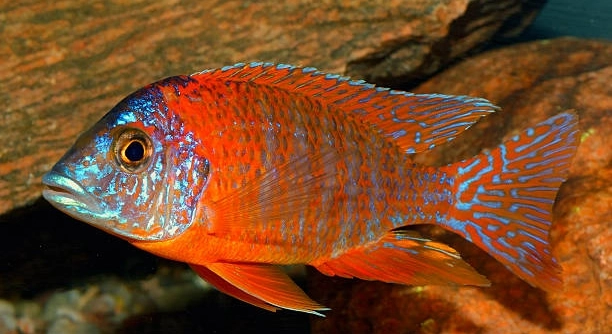
Introducing new cichlids to an established aquarium requires patience, planning, and care. A calm approach helps reduce stress, protect tank harmony, and support healthy adjustment for every fish involved during this important transition together now.
The safest method to introduce new cichlids involves quarantine, gradual acclimation, territorial management, and consistent observation. Following structured steps minimizes aggression, reduces disease transmission, stabilizes water parameters, and promotes successful integration within established cichlid communities over time in home aquariums.
Learning each step in detail ensures smoother introductions, healthier fish behavior, and a more balanced aquarium environment long term stability.
Prepare the Environment Before Introduction
When introducing new cichlids, preparation sets the foundation for a stable tank. I always begin by assessing tank size, stocking levels, and existing territories. Rearranging rocks and décor breaks established boundaries and reduces dominance behavior. Water parameters should be tested and adjusted to match the needs of all species involved. Clean filtration media and perform a partial water change several days beforehand. Lighting should remain moderate to avoid overstimulation. Feeding existing fish lightly before introduction can lower aggression. Each of these steps works together to create a calmer environment, making the transition smoother and reducing stress for both new and established cichlids. This careful setup reflects my experience and prevents common setbacks seen when preparation is rushed or overlooked in home aquariums. Consistency and patience during this phase support long term stability and healthier social behavior for every fish involved within the shared tank environment over time with care applied.
Proper preparation reduces conflict, supports water stability, and limits stress responses. In my tanks, taking extra time before adding new fish has consistently improved acceptance and reduced chasing, fin damage, and hiding behaviors after introduction. This step alone often determines early success for mixed cichlid groups in captivity overall health.
Quarantine is another part I never skip. New cichlids should remain in a separate tank for at least two weeks. This allows observation for disease, parasites, and abnormal behavior. During this time, feeding routines and water conditions can be stabilized. Matching temperature and chemistry between tanks is essential. I have found that slow adjustments prevent shock once fish are moved. Quarantine also gives new arrivals time to regain strength after transport. By the time introduction occurs, the fish are calmer, healthier, and better prepared to integrate without disrupting the established tank balance and social order among resident fish already present.
Acclimate and Monitor Carefully
Acclimation should be gradual and controlled. Floating bags to equalize temperature, followed by slow water mixing, helps reduce stress. Lights should remain off during release. I prefer adding fish during low activity periods to limit immediate territorial reactions from dominant cichlids in established tanks with prior residents present already there.
Observation after introduction is critical. I spend the first several hours watching behavior closely. Some chasing is normal, but repeated attacks or isolation signal problems. Having tank dividers ready allows quick intervention if needed. Feeding small portions helps redirect attention and lowers tension. Over the next few days, monitor fin condition, appetite, and hiding patterns. Regular testing ensures water quality remains stable despite increased bioload. Adjust décor again if one fish becomes overly dominant. Patience is essential, as social structures take time to settle. In my experience, resisting the urge to interfere too quickly often leads to better long term outcomes. Consistent routines provide security and reduce stress responses. By following structured steps and staying attentive, new cichlids can integrate successfully while maintaining balance and health within the aquarium. This approach has helped me avoid losses and prolonged aggression. Each tank is different, yet calm observation reveals patterns. Making small adjustments rather than drastic changes supports stability. Over time, the group establishes order, feeding improves, and colors intensify, showing reduced stress and improved overall condition. Consistency remains the most reliable factor in success for mixed cichlid setups across varied aquarium sizes and stocking combinations used at home by aquarists everywhere.
Manage Aggression and Territory
I manage aggression by watching body language and adjusting space quickly. Rock piles, caves, and sight breaks reduce constant chasing. Temporary dividers help calm dominant fish without removing them. Feeding smaller portions several times daily also lowers tension and keeps focus away from conflict during early integration periods inside aquariums.
I have learned that hierarchy disputes are common with cichlids. Mild chasing establishes order, but repeated cornering signals imbalance. Rearranging décor can reset territory and reduce fixation. Removing one aggressive fish temporarily often changes group behavior. Lighting adjustments also matter, as dimmer conditions reduce visual stress. I avoid overcrowding, since limited space intensifies dominance. Monitoring daily allows early correction before injuries occur. Stable routines give fish predictability, which reduces defensive reactions. These practices create a calmer environment where social roles settle without prolonged stress. Over time, consistent handling improves acceptance and visible coloration across mixed tanks in my care settings.
I also rely on observation during feeding times. Fish behavior becomes clearer when food is present. A fish refusing food often feels threatened. Adjusting feeding locations spreads activity and prevents guarding. I document changes mentally and act quickly. Netting injuries early prevents infection. Water quality checks support healing and reduce irritability. Aggression usually fades as stability improves. Staying calm helps me respond logically. This approach has repeatedly protected weaker fish while allowing natural structure to form within the group. Experience has taught me patience brings better results than constant interference during early adjustment phases in community aquariums over time overall.
Maintain Long Term Stability
Long term stability depends on consistency. I maintain regular water changes, stable temperatures, and predictable lighting. Sudden changes trigger stress responses. Stocking levels remain conservative to prevent crowding. Diet variety supports immune health and color development. I avoid frequent rearranging once hierarchy settles. Calm routines help cichlids recognize patterns and reduce defensive behavior, keeping the tank balanced and visually peaceful. This approach has worked reliably in my setups over years with minimal losses and stress.
I continue monitoring even after fish appear settled. Behavior can shift as fish mature or breeding begins. Extra hiding spaces help manage these changes. I adjust feeding as sizes increase to prevent competition. Equipment maintenance remains essential, since filtration issues raise aggression. Observing subtle signs like faded color or clamped fins allows early correction. When adding fish later, I repeat the same structured steps. This consistency protects established groups. Long term success with cichlids comes from steady care rather than constant change. Over time, the aquarium becomes predictable, healthy, and easier to manage. This reduces losses, limits stress, and supports natural behavior across mixed species tanks. Experience reinforces patience, observation, and routine as core principles for maintaining harmony long term in home aquariums consistently applied.
Observe Feeding and Adjustment
I observe feeding behavior daily to confirm new cichlids are adjusting well. Each fish should eat without hesitation or excessive competition. Uneaten food or aggressive guarding signals stress. Adjusting feeding locations and portion sizes helps ensure every fish receives nutrition during early integration within the shared aquarium environment safely together.
I also monitor waste and digestion closely after introduction. Normal coloration and regular waste indicate stability. Stringy waste or bloating suggests issues. Adjusting diet, spacing feedings, and checking water parameters usually resolves problems before health declines across the group in newly established cichlid tanks at home over time consistently observed.
Monitor Health and Behavior Changes
Health monitoring continues beyond the first week. I look for clear eyes, intact fins, and steady breathing. Minor injuries heal quickly in stable water. I keep medication ready but avoid unnecessary treatment. Testing ammonia, nitrite, and nitrate weekly prevents hidden stress. Clean water supports immune response. If one fish isolates, I intervene early. Removing stressors protects the entire tank. Consistent observation helps me catch small changes before they become serious problems affecting long term balance in mixed species setups where social pressure can rise gradually without obvious warning signs appearing at first glance during daily care routines at home tanks overall.
Adjust Care Based on Observation
I document changes mentally and adjust care as needed. Feeding, behavior, and appearance guide decisions. Small corrections prevent losses. This steady approach keeps introductions successful and reduces stress long after new cichlids become part of the established aquarium system through consistent observation and patient maintenance over time at home tanks.
FAQ
How long should new cichlids be quarantined before introduction?
New cichlids should be quarantined for a minimum of two weeks. This period allows close observation for disease, parasites, and abnormal behavior without risking the main tank. I use this time to stabilize feeding, confirm normal waste, and ensure fins remain intact. Extending quarantine to three or four weeks is beneficial for sensitive species. Matching temperature and water parameters between tanks during this time reduces stress later. Quarantine also gives new fish time to recover from transport, which improves their response once introduced. Skipping this step often leads to health problems that spread quickly in established aquariums.
What signs show that cichlids are not accepting new tank mates?
Persistent chasing, torn fins, cornering, and refusal to eat indicate poor acceptance. Occasional chasing is normal, especially during hierarchy formation. However, repeated attacks without breaks signal imbalance. I also watch for color loss and hiding for extended periods. These signs usually appear within the first few days. Acting early prevents injury and long term stress. Rearranging décor or using dividers often improves the situation quickly.
Is it better to add cichlids during the day or at night?
Adding cichlids during low light periods works best. Dim lighting reduces territorial reactions and visual stress. I prefer adding fish in the evening with lights off. Existing fish are calmer, which lowers immediate aggression. Keeping lights off for several hours after release supports adjustment. Sudden brightness increases tension and defensive behavior.
Should décor be rearranged every time new cichlids are added?
Yes, rearranging décor helps reset territory. Rocks, caves, and plants should be moved to break established boundaries. This reduces dominance and fixation on specific areas. I avoid removing all hiding spots, since shelter is essential. Once the group settles, décor should remain stable. Constant rearranging after that stage increases stress.
How much aggression is considered normal during introduction?
Short chases and displays are normal as social order forms. This usually decreases within a few days. Aggression becomes a problem when one fish is constantly targeted or injured. I watch frequency rather than intensity alone. Brief encounters followed by separation are acceptable. Continuous pressure requires intervention.
What role does feeding play during early introduction?
Feeding influences behavior strongly. Light feeding before introduction reduces hunger driven aggression. After release, small portions spread across the tank prevent guarding. I avoid overfeeding, since waste buildup affects water quality. Consistent feeding schedules help fish settle faster. Food distraction often lowers tension during the first critical days.
Can different cichlid species be introduced together safely?
Yes, but compatibility matters. Size, temperament, and water preferences must align. Introducing multiple new fish at once can reduce targeting of a single individual. I research species behavior beforehand. Mixing aggressive and peaceful types increases risk. Balanced stocking supports stability and reduces constant conflict.
How long does it take for cichlids to fully adjust?
Adjustment varies by species and tank setup. Most settle within one to two weeks. Full stability may take a month as hierarchy finalizes. During this time, behavior improves gradually. I continue close observation even after visible calm returns. Changes can still occur as fish grow or mature.
When should a divider or removal be used?
Dividers should be used when one fish faces repeated attacks or stops eating. Temporary separation often resets behavior. I prefer dividers over full removal, since visual contact remains. Permanent removal is necessary if aggression resumes repeatedly. Protecting weaker fish always takes priority.
Does tank size affect introduction success?
Tank size plays a major role. Larger tanks provide space for territories and escape routes. Crowded tanks increase stress and dominance behavior. I keep stocking levels conservative. Adequate space allows natural behavior and smoother integration. Smaller tanks require closer monitoring and faster intervention to maintain balance.
Final Thoughts
Introducing new cichlids safely requires patience, structure, and steady care. Each step plays a role in reducing stress and protecting the existing tank balance. From preparation and quarantine to observation and long term maintenance, consistency supports healthier behavior. I have found that rushing any stage increases risk, while a calm approach improves outcomes. Cichlids rely on predictable environments to feel secure. Stable water conditions, thoughtful décor placement, and controlled feeding help reduce aggression. Observation remains one of the most valuable tools. Watching small changes in behavior often reveals issues early. When adjustments are made gradually, fish respond better. This process is not about forcing acceptance, but about creating conditions where acceptance can occur naturally. Over time, this approach builds a more stable and visually balanced aquarium.
Every aquarium setup is different, and flexibility is important. While general guidelines apply, individual fish behavior should guide decisions. Some cichlids adjust quickly, while others need more time and space. I have learned to trust patterns rather than react emotionally. Temporary aggression does not always signal failure. However, ignoring warning signs often leads to losses. Tools like dividers, décor adjustments, and controlled lighting provide options without drastic changes. Feeding routines also influence social behavior more than many expect. Maintaining clean water supports healing and reduces irritability. When fish feel secure, colors improve and activity becomes more balanced. These signs confirm that the environment supports their needs. Success comes from small, consistent actions rather than major interventions.
Long term success with cichlids depends on routine and restraint. Once stability is achieved, maintaining it becomes easier. Regular maintenance, conservative stocking, and continued observation keep problems from returning. Introducing additional fish later should follow the same structured steps. Skipping stages often disrupts established order. I have found that predictable care reduces stress for both fish and keeper. Over time, the aquarium becomes easier to manage and more enjoyable to observe. Healthy cichlids display natural behavior and interact without constant conflict. This reflects a balanced environment built through patience and planning. By respecting each step and responding thoughtfully, cichlid introductions can remain safe, controlled, and successful for years.

Hello,
If you enjoy the content that we create, please consider saying a "Thank You!" by leaving a tip.
Every little bit helps us continue crafting quality advice that supports the health, happiness, and well-being of pets around the world, for pets of all shapes, sizes, and species.
We really appreciate the kindness and support that you show us!