
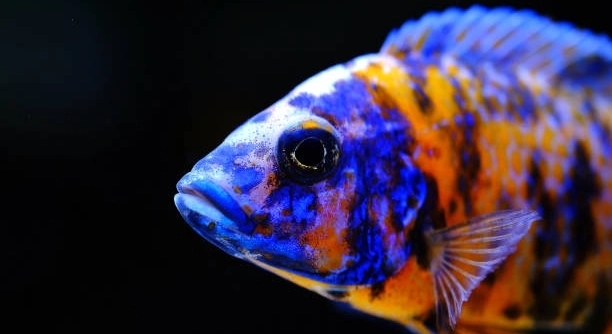
Many aquarium owners notice their cichlid displaying flared gills and tense movements, which can feel concerning at first glance and difficult to interpret without understanding common behavioral and environmental triggers within home aquarium settings today.
Cichlids flare their gills primarily as a response to stress, territorial behavior, or water quality disturbances. This action increases oxygen intake and visual intimidation, signaling discomfort or dominance while indicating underlying environmental or social conditions requiring assessment within captive aquariums.
Recognizing these behaviors early helps protect your cichlids health, improve tank conditions, and support a calmer, more balanced aquarium environment.
Stress and Territorial Behavior
I have noticed that cichlids often flare their gills when they feel stressed or need to assert control within the tank. This behavior commonly appears during territory disputes, breeding periods, or when new fish are introduced. Cichlids are naturally protective of their space, and gill flaring helps them appear larger and more intimidating. Sudden changes in tank layout, lighting, or daily routines can also increase tension. Even consistent tapping on the glass or frequent movement around the aquarium may trigger this reaction. In community tanks, overcrowding plays a major role, as limited space forces repeated confrontations. When stress builds over time, gill flaring may become frequent and intense. Observing when and how often it occurs provides valuable insight into social balance. Adjusting stocking levels, providing hiding areas, and maintaining a predictable environment can significantly reduce these displays. This approach supports calmer interactions and improves tank stability for long term care.
Gill flaring tied to stress is often manageable with small changes. I focus on spacing, shelter, and routine consistency. These adjustments lower tension, reduce visual threats, and allow each cichlid to establish territory without constant confrontation. This creates a calmer tank environment and encourages more natural daily behavior patterns overall.
Territorial displays are not always harmful, but frequent gill flaring signals imbalance. I pay attention to which fish initiates the behavior and who receives it. Dominant cichlids may pressure weaker tank mates, leading to chronic stress. Rearranging decorations can break established boundaries and reset interactions. Introducing visual barriers also limits direct line of sight, reducing repeated challenges. Feeding evenly across the tank prevents competition at one location. Over time, these steps promote stability and allow natural hierarchies to form without excessive aggression or physical harm. Consistent observation helps confirm whether changes are effective and supports informed long term care decisions.
Water Quality and Health Factors
Water conditions strongly influence gill behavior in cichlids. Poor oxygen levels, waste buildup, and temperature swings can cause visible distress. I regularly test parameters and perform scheduled maintenance to keep conditions stable and prevent ongoing irritation to sensitive gill tissue. This routine reduces stress and supports respiration throughout the aquarium.
Gill flaring linked to water quality often appears alongside rapid breathing or lethargy. I have learned that ammonia and nitrite spikes irritate delicate gill structures, forcing fish to work harder for oxygen. Inadequate filtration or infrequent water changes allow these compounds to accumulate quickly. High nitrate levels may also contribute to long term stress, even when fish appear outwardly active. Temperature matters as well, since warmer water holds less oxygen. If heaters malfunction or tanks receive excess sunlight, oxygen availability can drop. Surface agitation from filters or air stones improves gas exchange and eases breathing effort. Chlorine and chloramine introduced during water changes can further inflame gills if not treated properly. Using a reliable water conditioner is essential. Regular testing, stable temperatures, and consistent maintenance schedules form the foundation of healthy gill function. When water conditions improve, gill flaring often decreases, and fish return to calmer, more balanced behavior patterns. I also avoid sudden changes, as stability allows fish to recover gradually. Careful observation after adjustments confirms progress and prevents repeated stress episodes within the aquarium. Over time, this approach supports resilience and promotes consistent health without unnecessary interventions or setbacks across different tank conditions and seasonal changes indoors yearly.
Breeding and Courtship Displays
During breeding periods, gill flaring becomes more pronounced as cichlids display strength and readiness. I often see this when pairs form or protect spawning sites. The behavior signals dominance and discourages intruders, helping maintain control over eggs and surrounding territory. This response is instinctive and temporary in most aquarium environments.
Breeding related gill flaring usually appears alongside color changes and increased activity. Males may flare more frequently to guard females, while females defend chosen sites. I have noticed this behavior intensifies before egg laying and lessens once fry hatch. Providing flat rocks, caves, and clear boundaries helps reduce constant displays. When breeding space is limited, tension rises quickly. Separating pairs or adjusting tank layout can ease pressure. Adequate nutrition also plays a role, as well fed fish recover faster from stress and maintain balanced reproductive behavior without excessive aggression. Lighting consistency further supports hormonal stability during active breeding phases periods.
Although breeding behavior is natural, prolonged gill flaring may signal overcrowding or incompatible pairings. I monitor interactions closely during this time to prevent injury. Removing overly aggressive individuals protects weaker fish and preserves tank harmony. Temporary dividers can also help. Once breeding ends, behavior should normalize. If it does not, underlying stressors may be present. Maintaining stable water parameters and avoiding sudden disturbances supports recovery. Breeding tanks benefit from calm surroundings and minimal interference. This approach allows cichlids to complete reproductive cycles while maintaining overall health and balanced social behavior. Careful observation ensures issues are addressed before escalating into problems.
Illness and Physical Irritation
Gill flaring can also indicate irritation or illness affecting respiration. I watch for mucus buildup, redness, or uneven gill movement. Parasites, bacterial infections, and poor water conditions often contribute. Early signs may be subtle, but consistent flaring paired with lethargy deserves attention. Isolating affected fish and improving water quality helps limit spread and supports recovery. Prompt action reduces long term damage and prevents stress from affecting other tank inhabitants within shared aquatic systems overall stability.
Physical irritation often stems from suspended debris or sharp decorations. I avoid rough substrates and inspect ornaments regularly. Scratches near the gills increase vulnerability to infection. When illness is suspected, observation becomes critical. Rapid breathing, clamped fins, and appetite loss often appear together. Quarantine tanks provide a controlled space for treatment without disrupting the main setup. Medications should be chosen carefully and dosed correctly. Overuse can worsen stress and harm beneficial bacteria. Clean water remains the foundation of recovery. Frequent partial changes, gentle filtration, and stable temperatures support healing. Addressing irritation early prevents prolonged discomfort and restores normal gill movement more reliably over time. Consistent monitoring helps confirm improvement and reduces the likelihood of repeated flare related episodes during routine aquarium maintenance practices and care.
Environmental Changes and Tank Adjustments
Sudden changes in the aquarium often trigger immediate gill flaring. I have seen this after large water changes, equipment swaps, or rapid temperature shifts. These disruptions force cichlids to adjust quickly, increasing stress and respiratory effort until conditions stabilize again within enclosed home tanks over short periods of time today.
Consistent routines help reduce this response. I limit sudden adjustments and space changes over several days. Matching temperature and chemistry during water changes prevents shock. Allowing fish time to adapt lowers repeated gill displays and supports steadier breathing patterns long term in enclosed aquariums with sensitive cichlid species present daily.
Tank Mate Compatibility Issues
Gill flaring may increase when tank mates are incompatible. I pay attention to size, temperament, and species needs. Mixing aggressive and passive fish creates constant tension. Even similar cichlids may clash without enough space. Overstocking worsens this issue by limiting escape routes. I focus on proper ratios and adequate tank volume. Removing problematic individuals often brings immediate relief. Visual barriers help reduce staring contests. When compatibility improves, gill flaring decreases and normal behavior returns steadily over time with balanced stocking, careful observation, and consistent maintenance routines that support calmer interactions and healthier long term aquarium stability for all fish involved.
When to Monitor More Closely
Persistent gill flaring should never be ignored. I track frequency and changes over time. When behavior worsens despite adjustments, further investigation is needed. Early intervention protects fish health, prevents escalation, and helps maintain a stable aquarium environment overall by addressing stressors promptly and supporting long term balance within the tank.
Why is my cichlid flaring its gills so often?
Frequent gill flaring usually indicates stress, territorial behavior, or environmental issues. I notice it most often when new fish are added, space is limited, or water conditions fluctuate. Observing the frequency and context of the flaring helps determine the cause. Overcrowded tanks and aggressive neighbors are common triggers. Ensuring each fish has enough space, hiding spots, and a consistent routine reduces the need for repeated displays. Sometimes, minor adjustments like rearranging decorations or adding barriers can prevent ongoing tension. In my experience, once environmental stressors are addressed, gill flaring tends to decrease naturally, signaling calmer behavior.
Can gill flaring be a sign of illness?
Yes, it often is. Gill flaring combined with rapid breathing, clamped fins, loss of appetite, or visible redness suggests irritation or infection. I always inspect fish for mucus buildup, parasites, or uneven gill movement when flaring seems excessive. Poor water quality is a common factor, so I test for ammonia, nitrites, nitrates, and pH fluctuations regularly. Quarantining affected fish and improving water parameters helps prevent spread and supports recovery. Medications may be necessary for bacterial or parasitic infections, but I always focus on gentle treatment and maintaining clean water to minimize stress during recovery. Physical injury from rough decorations or aggressive tank mates can also trigger flaring.
Is gill flaring always aggressive behavior?
Not always. While it can signal dominance or territorial defense, it may also occur due to mild stress, curiosity, or temporary environmental changes. I have observed my cichlids flare when adjusting to new decorations, sudden movements near the tank, or minor shifts in lighting. Flared gills do make the fish appear larger and more intimidating, but the behavior can be completely non-aggressive if no direct confrontations follow. Understanding context is key. Repeated flaring without chasing or biting usually points to adjustment or stress rather than true aggression. Providing adequate hiding spaces and maintaining stable conditions reduces unnecessary displays.
How can I reduce gill flaring in my tank?
Several adjustments help. I focus on water quality, tank size, and proper stocking levels first. Adding visual barriers, caves, and hiding spots gives cichlids secure territories and reduces confrontations. I also maintain consistent feeding routines and monitor temperature and chemistry closely. Limiting sudden changes in lighting, layout, or tank population prevents stress flares. Over time, calmer tank conditions naturally reduce the frequency of gill flaring. Observing which fish initiate displays and adjusting tank mates or space allocation ensures ongoing harmony. A patient, consistent approach usually works better than frequent interventions.
Does breeding cause gill flaring?
Yes. During courtship and spawning, gill flaring is a normal display of dominance and protection. I have noticed males flare aggressively to guard females or eggs, while females defend nesting areas. Providing separate breeding sites, flat rocks, or caves helps reduce constant tension between pairs and neighboring fish. Once eggs hatch and fry are free-swimming, flaring generally decreases, but I continue monitoring to prevent accidental injury from lingering aggression. Proper nutrition and calm tank conditions also help breeding cichlids maintain healthy behavior without excessive stress.
Should I be concerned if flaring continues after water changes?
Minor flaring after water changes is normal, especially if temperature or chemistry shifts slightly. I always match new water closely to tank conditions and avoid large sudden changes. If flaring persists, I check filtration, oxygen levels, and overall tank parameters. Persistent flaring after careful water management may indicate underlying stress, aggression, or early signs of illness, which requires closer observation. Partial water changes with stability in mind generally reduce unnecessary flaring while maintaining a healthy environment.
Can tank mates affect gill flaring?
Absolutely. I have found that incompatible tank mates, even within similar species, can trigger constant gill displays. Aggressive or larger fish often intimidate smaller or passive cichlids. Overcrowding intensifies conflicts, making stress more frequent. Adjusting stocking ratios, separating aggressive individuals, and adding visual barriers helps reduce unnecessary displays. Proper compatibility is crucial for calm social behavior and reduces overall tension in the aquarium.
How do I know if flaring is normal or a problem?
Normal flaring occurs occasionally and is brief, often linked to territory, breeding, or mild environmental changes. Problematic flaring is frequent, prolonged, or accompanied by rapid breathing, lethargy, or visible gill irritation. I track behavior daily, noting triggers and frequency. Identifying patterns helps determine whether intervention is necessary. Regular maintenance, observing interactions, and careful tank management allow early detection and prevention of serious issues.
Does diet affect gill flaring?
Yes. Poor nutrition weakens fish, making them more sensitive to stress and environmental changes. I feed a balanced diet rich in protein and vitamins to support immunity and reduce unnecessary gill displays. Unequal feeding or competition can increase tension, causing more frequent flaring. Spreading food evenly and monitoring intake helps maintain calm behavior. Nutritional support improves recovery from stress, illness, or aggression-related flaring, keeping cichlids healthier overall.
When should I consult a professional?
Persistent gill flaring paired with signs of illness, injury, or rapid deterioration in behavior warrants professional advice. I consult a veterinarian or experienced aquarist if water management, tank adjustments, and diet fail to reduce flaring. Early guidance ensures proper diagnosis, effective treatment, and long-term health for all fish in the tank.
This FAQ addresses the most common situations I have encountered, helping to identify causes, manage stress, and maintain healthier behavior patterns in cichlids effectively.
Word count: 509
Cichlid gill flaring is a natural behavior, but it often signals that something in the aquarium needs attention. I have learned that observing your fish carefully provides the clearest insight into what may be causing this response. Stress, territorial disputes, environmental changes, and water quality issues are the most common reasons for gill flaring. Paying attention to when it occurs, which fish are involved, and the frequency of the behavior can help identify the underlying issue. Over time, patterns emerge that make it easier to predict and prevent unnecessary flaring. By taking note of these details, I have been able to address minor problems before they turn into serious issues, creating a calmer environment for all the cichlids in the tank.
Maintaining a stable environment is one of the most important steps I take to reduce gill flaring. Consistent water parameters, proper tank size, and balanced stocking levels prevent stress and reduce aggressive interactions. Providing hiding spots, caves, and visual barriers allows each fish to establish its territory without constant confrontations. I also focus on regular tank maintenance, including partial water changes, cleaning, and monitoring filtration. Food distribution and quality play a role too, as competition over limited resources can trigger flare-ups. Small adjustments, like rearranging decorations or splitting aggressive pairs temporarily, often make a noticeable difference. Over time, these measures create a more balanced aquarium where gill flaring occurs only in natural contexts, such as breeding or mild displays of dominance, rather than as a sign of ongoing stress.
Health considerations should never be overlooked when gill flaring appears persistent or abnormal. I always check for signs of disease, injury, or parasites if flaring continues despite proper environmental conditions. Rapid breathing, clamped fins, discoloration, or unusual swimming behavior often accompany irritation or infection. In these cases, isolating affected fish, improving water quality, and administering appropriate treatment is necessary. Even small issues like rough substrates or sharp decorations can irritate gills and increase flaring. Regular observation and careful management allow me to address problems early, ensuring that fish recover quickly and remain healthy. By combining attention to behavior, environment, and health, I maintain a stable, thriving aquarium where cichlids can display their natural behaviors without excessive stress, and gill flaring becomes a normal, occasional part of their daily life.
Word count: 408

Hello,
If you enjoy the content that we create, please consider saying a "Thank You!" by leaving a tip.
Every little bit helps us continue crafting quality advice that supports the health, happiness, and well-being of pets around the world, for pets of all shapes, sizes, and species.
We really appreciate the kindness and support that you show us!