
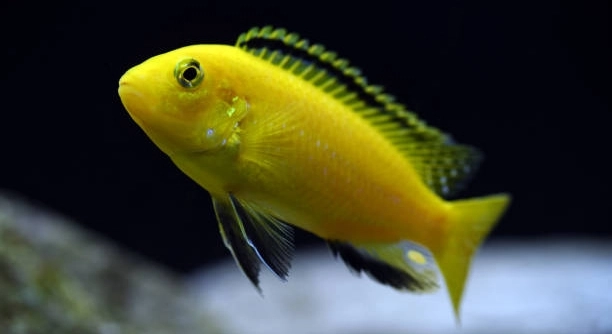
Have you ever noticed your cichlid tank feeling off, with fish behavior and water clarity changing over time, even with regular care and feeding routines staying mostly consistent at home for long term aquarium balance.
The primary indicators of an unbalanced cichlid tank include persistent aggression, poor water quality, stressed coloration, uneven growth, and recurring algae issues. These signs typically result from improper stocking, filtration imbalance, unstable parameters, and inconsistent maintenance practices over time periods.
Recognizing these warning signs early helps restore stability, improve fish wellbeing, and create a healthier, calmer environment worth maintaining consistently.
Aggression Becomes Constant
Constant aggression in a cichlid tank is often one of the clearest signs that balance has been lost. When fish chase nonstop, guard territory excessively, or show torn fins, stress levels rise quickly. I have noticed that this behavior usually appears when space, hiding spots, or compatible tank mates are lacking. Overstocking amplifies tension and leaves weaker fish with nowhere to rest. Poor tank layout can also force constant visual contact, which fuels dominance displays. Over time, stressed fish eat less, grow unevenly, and become more prone to illness. Aggression is not only about personality, it reflects environmental pressure building inside the tank. Watching interactions closely during feeding and lighting changes helps reveal patterns. If aggression dominates most hours of the day, the tank is no longer supporting natural behavior or stable social structure. This ongoing pressure slowly erodes stability and affects every living organism inside the enclosed aquatic system.
Short bursts of chasing are normal for cichlids, especially during breeding or feeding times. The concern begins when aggression replaces calm swimming entirely. At that point, daily observation becomes essential for protecting weaker fish and restoring order within the tank before lasting stress leads to injury or long-term loss occurs.
An unbalanced social structure often stems from improper stocking choices. Mixing highly territorial species with passive ones creates constant pressure. I learned that even correct water parameters cannot offset poor compatibility. Rearranging decor, adding barriers, or adjusting population size can reduce conflict. Providing caves and line-of-sight breaks allows fish to establish boundaries without constant contact. Lighting duration also matters, as extended bright periods increase activity and tension. Addressing aggression early prevents health decline and helps the tank return to predictable, stable rhythms that support long-term success across daily care routines and improves overall fish comfort levels significantly over time periods.
Water Quality Shifts Appear
Water quality changes often signal imbalance before fish behavior does. Cloudiness, odor, or rapid algae growth suggest rising waste levels. Even clear water can hide unstable parameters that slowly stress cichlids and weaken their immune response over time when maintenance routines slip or filtration capacity becomes insufficient for tank demands.
In a stable cichlid tank, water parameters change slowly and remain within a narrow range. When balance is lost, ammonia and nitrite spikes may occur between water changes. I have found that these shifts often come from overfeeding, crowded conditions, or neglected filter media. Excess waste breaks down faster than beneficial bacteria can process it. This creates invisible stress that fish respond to through lethargy, clamped fins, or faded coloration. Algae blooms frequently follow, feeding on excess nutrients and blocking light. Regular testing reveals patterns that visual checks miss. Consistent water changes, measured feeding, and proper filtration sizing restore stability. Rinsing filter media in tank water preserves beneficial bacteria while removing debris. Stability improves when routines remain consistent and adjustments are gradual. Clear water alone should never be mistaken for healthy conditions. Long-term balance depends on maintaining predictable chemistry that supports biological filtration and reduces daily strain on fish. Over time, small lapses compound into larger problems that require more correction. I prefer steady habits because they protect fish from sudden change. When chemistry stays predictable, cichlids display stronger color, better appetite, and calmer interactions throughout the tank environment under consistent care practices that support long term health and stability.
Faded Colors and Stress Marks
Faded colors and visible stress marks often reflect ongoing imbalance within a cichlid tank. When water quality, social pressure, or diet fall short, pigmentation dulls. I notice this change appears gradually, making it easy to overlook until fish no longer display their natural patterns or vibrancy during daily observation periods.
Color loss is rarely cosmetic and usually signals prolonged stress. Poor nutrition lacking varied proteins and minerals weakens coloration over time. Inconsistent lighting also disrupts natural pigment expression. I have learned that frequent tank disturbances, sudden parameter swings, and aggressive tank mates accelerate fading. Dark stress bars or pale patches may appear as fish attempt to cope. These signs often persist even after water changes if root issues remain. Restoring color requires stability, balanced feeding, and reduced conflict. Improvement happens slowly, reinforcing the importance of steady care rather than quick fixes applied only when symptoms worsen over longer maintenance periods.
Stable coloration returns when fish feel secure and supported. I focus on consistent feeding schedules and high quality foods to rebuild strength. Adjusting stocking levels reduces visual stress and competition. Providing shaded areas and caves gives fish control over exposure. Lighting timers help maintain predictable cycles. Testing parameters weekly prevents hidden instability from lingering. Color improvement often starts subtly, with brighter edges or clearer markings. Over time, confidence increases and stress responses fade. This gradual shift confirms balance is improving and the tank environment is once again meeting biological needs without constant intervention from attentive long term care routines consistently.
Uneven Growth and Appetite Changes
Uneven growth and appetite changes point to imbalance that develops quietly. Dominant fish may eat excessively while others fall behind. I have seen smaller cichlids become thin despite regular feeding. This pattern suggests competition, stress, or limited access to food. Over time, size gaps widen and weaken overall tank stability, making recovery harder without direct adjustments to feeding zones, tank layout, and population balance over extended periods of ongoing care and observation routines regularly applied.
Growth differences often start with subtle feeding imbalances. Fast, aggressive eaters dominate surface areas, leaving slower fish undernourished. I make a habit of watching feeding sessions closely rather than assuming food reaches everyone. Sinking pellets, varied particle sizes, and spreading food across the tank help distribute access. Appetite loss can also reflect chronic stress or poor water conditions, even when food is available. Monitoring body shape offers better insight than size alone. Sunken bellies or pinched profiles signal ongoing strain. Correcting this requires adjusting stocking density, reducing aggression, and refining feeding strategy. When nutrition and access improve, growth evens out gradually, restoring balance across the tank and supporting healthier development through consistent routines and careful observation over longer maintenance periods within stable aquarium systems overall.
Persistent Algae Growth
Persistent algae growth often signals excess nutrients and unstable maintenance routines within the tank environment. When algae spreads quickly on glass, rocks, and equipment, it reflects rising waste levels. I notice this usually follows overfeeding, infrequent water changes, or inefficient filtration that fails to manage biological load properly consistently long-term.
Algae itself is not harmful in small amounts, but rapid spread reduces oxygen and blocks light. I address this by adjusting feeding portions, increasing water change consistency, and cleaning filters gently. Once nutrient input matches filtration capacity, algae growth slows and surfaces remain clearer between maintenance sessions overall tank stability.
Equipment Strain and Performance Changes
Equipment strain and unusual noises often appear when a tank is no longer balanced. Filters clog faster, heaters struggle to maintain temperature, and pumps lose efficiency. I have learned these signs reflect rising waste and uneven flow. Restricted circulation allows debris to settle and bacteria to decline. As performance drops, water quality becomes harder to control. Regular inspection prevents sudden failures. Rinsing media, replacing worn parts, and confirming proper flow rates restore function. When equipment runs smoothly, biological processes stabilize. Ignoring these signs leads to compounding stress that affects fish health and increases maintenance demands beyond manageable levels overall systems.
Unusual Hiding Behavior
Fish hiding constantly or hovering near corners suggests discomfort and imbalance. When cichlids avoid open space, I know stress levels are elevated. Causes include aggression, lighting issues, or unstable parameters. Creating shelters, adjusting light duration, and restoring consistency encourages natural movement and improves confidence throughout the tank environment long-term stability.
How often should I test my water to keep a cichlid tank balanced?
Testing water regularly is one of the most effective ways to maintain a balanced tank. I check parameters like ammonia, nitrite, nitrate, pH, and hardness at least once a week. Frequent testing helps catch small issues before they escalate. Over time, I’ve noticed that weekly checks create a rhythm, making it easier to spot unusual changes. I also record the results to track trends. Sudden spikes or drops indicate something is off, whether it’s feeding, filtration, or stocking. Keeping a consistent schedule reduces stress for both fish and caretaker because adjustments happen early, preventing prolonged instability in water chemistry or tank environment.
What are the most common signs that indicate imbalance in a cichlid tank?
The signs of imbalance often appear gradually. I watch for aggression that seems constant, faded colors, unusual hiding, and uneven growth. Appetite changes are also a big indicator, as dominant fish may eat more, leaving others undernourished. Water clarity or sudden algae blooms often signal nutrient spikes or filtration inefficiency. Equipment problems, like clogged filters or inconsistent heating, also hint at underlying imbalance. These signs rarely appear alone; they often happen together. Observing fish behavior, physical appearance, and water conditions gives a clearer picture. Early recognition allows for targeted interventions, like adjusting feeding practices, improving decor to reduce stress, or increasing maintenance frequency to restore balance quickly.
How can I reduce constant aggression among cichlids?
Aggression usually arises from territorial stress, overcrowding, or incompatible tank mates. I address this by rearranging the tank to create hiding spots and visual barriers. Adding caves or rocks helps fish claim their own areas. Reducing stocking density or separating highly aggressive individuals often restores calm. Lighting also plays a role; shorter bright periods limit excessive activity. I make feeding more structured by spreading food across the tank to prevent dominant fish from monopolizing meals. Over time, these small changes reduce constant chasing and allow fish to interact more naturally, improving overall tank balance and preventing stress-related health issues for weaker individuals.
Why do some cichlids lose their color suddenly?
Color loss usually points to prolonged stress or poor water quality. I’ve seen it occur after parameter swings, sudden temperature changes, or ongoing aggression. Nutrition is another factor; diets lacking protein and micronutrients can dull pigmentation. Even stable water with frequent disturbances, like moving decorations or rearranging the tank, can trigger fading. To restore colors, I focus on consistent feeding with high-quality foods, maintain stable water conditions, and reduce aggression through better stocking and tank layout. Gradual improvements appear over weeks as fish regain confidence and stress levels decrease, showing natural coloration returning in a healthy, predictable tank environment.
What should I do if some fish are not growing evenly?
Uneven growth is often caused by competition for food, stress, or insufficient nutrition. I watch feeding sessions closely, making sure smaller or slower fish have access to food. Using sinking pellets or scattering food across multiple points helps distribute it fairly. I also check water quality and stress factors, as poor conditions reduce appetite and hinder growth. Adjusting stocking density and separating overly dominant fish can give underfed fish a chance to catch up. Consistency is key; once feeding and environment stabilize, growth evens out gradually. Monitoring size over time ensures all fish develop healthily within the tank’s balanced ecosystem.
How do I prevent persistent algae growth?
Algae growth usually comes from excess nutrients, overfeeding, or inadequate filtration. I reduce feeding amounts, perform regular water changes, and maintain filters to control nutrient buildup. Adding natural algae eaters, like certain snails or small fish, helps keep growth manageable. Proper lighting schedules prevent prolonged bright periods, which encourage blooms. I also clean surfaces carefully without disrupting beneficial bacteria. When these adjustments are applied consistently, algae growth slows naturally. Keeping nutrient input aligned with the tank’s filtration capacity is critical to long-term balance, making algae a minor issue rather than a constant stressor on the environment.
Can equipment issues affect tank balance?
Yes, equipment problems directly impact tank stability. Filters that clog, heaters that fluctuate, or pumps that underperform all create stress for fish. I check equipment weekly, rinse media gently, and replace worn parts promptly. Maintaining proper flow and temperature ensures waste is removed efficiently and water parameters remain stable. Ignoring these signs often leads to cascading problems, from increased ammonia to stressed, unhealthy fish. Consistent equipment monitoring supports natural biological processes and prevents small maintenance issues from becoming larger imbalances that affect overall fish health and tank conditions.
How important is hiding space for maintaining balance?
Hiding spaces are critical for reducing stress and supporting natural behavior. Fish retreat when stressed, and I notice that a lack of shelter increases aggression and constant chasing. Rocks, caves, and shaded areas allow fish to control exposure and establish territories. Proper decor prevents constant visual contact, giving weaker individuals breathing room. I also position structures to create multiple zones, which spreads out dominant fish and encourages exploration. Providing adequate hiding spots reduces anxiety, supports natural social structures, and helps maintain balanced interactions across all fish in the tank over the long term.
How can feeding routines impact tank stability?
Feeding routines directly affect water quality, aggression, and growth rates. I schedule regular feeding times and carefully measure portions to prevent overfeeding. Scattering food helps distribute it evenly, reducing dominance-related stress. High-quality diets maintain color, immune function, and steady growth. Inconsistent feeding or large amounts at once create spikes in waste, leading to algae and water quality issues. Following a structured routine supports both physical health and social balance. Over time, predictable feeding reduces tension among fish, keeps water cleaner, and ensures all individuals receive adequate nutrition without creating chemical or behavioral instability in the tank ecosystem.
Maintaining a balanced cichlid tank requires consistent attention to several factors that work together. Water quality, stocking levels, diet, and tank layout all influence the overall health of the fish. I have noticed that when even one element falls out of balance, problems start to appear slowly, such as aggression, stress marks, and uneven growth. Regular observation helps identify these issues early. Monitoring how fish interact, how they respond to feeding, and whether water parameters remain steady can prevent small problems from becoming larger ones that are harder to correct. Balance in a tank is not a one-time task; it is the result of steady care over time, supported by predictable routines that fish can rely on.
Keeping water chemistry stable is essential for cichlid wellbeing. I check parameters like ammonia, nitrite, nitrate, and pH on a regular schedule because even small fluctuations can affect behavior, color, and appetite. Filtration and water changes need to match the size and stocking of the tank to remove waste effectively. Overfeeding or neglecting maintenance can quickly lead to cloudy water, algae growth, and stressed fish. When I focus on slow, consistent adjustments rather than quick fixes, the tank environment remains healthier and more predictable. Equipment, such as heaters, filters, and pumps, must also be checked regularly, as small failures can have a cascading effect on stability, stressing fish and reducing their immune response.
Behavior and environment are equally important for long-term balance. Providing adequate hiding spots, arranging decor to reduce constant visual contact, and spreading food evenly can prevent aggression and help weaker fish thrive. Watching changes in coloration, appetite, and activity levels allows me to respond before problems become severe. Growth rates and social interactions also reflect the overall health of the tank. By maintaining steady routines, keeping water conditions stable, and supporting natural behaviors, a cichlid tank can remain balanced for months or even years. Consistent care, careful observation, and small adjustments when needed are key to creating a calm, healthy, and thriving aquatic environment for all fish.

Hello,
If you enjoy the content that we create, please consider saying a "Thank You!" by leaving a tip.
Every little bit helps us continue crafting quality advice that supports the health, happiness, and well-being of pets around the world, for pets of all shapes, sizes, and species.
We really appreciate the kindness and support that you show us!