
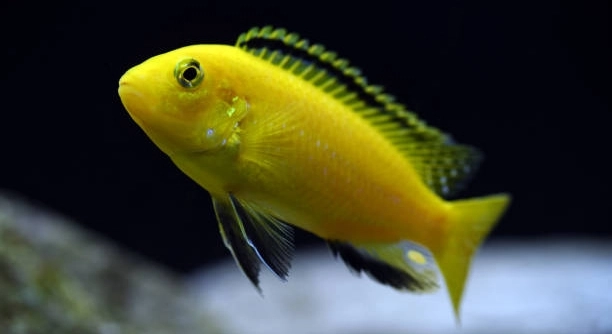
Many convict cichlid owners enjoy their fish for their vibrant colors and lively behavior. Sometimes, however, these fish can suddenly lose their striking hues, leaving owners concerned about their health and wellbeing.
Sudden color loss in convict cichlids is typically caused by environmental stress, poor water quality, disease, dietary deficiencies, aging, aggressive interactions, or genetic factors. Each of these elements can independently or collectively impact the pigmentation and overall health of the fish.
Identifying the underlying cause of color loss can help you restore your fish’s health and maintain a balanced aquarium environment.
Poor Water Quality
Convict cichlids are very sensitive to their tank conditions. If water is not clean, it can quickly affect their color and health. High levels of ammonia, nitrites, or nitrates stress the fish and can cause fading or dullness. Even small changes in pH or temperature can make a noticeable difference. Regular water changes and proper filtration are essential. Overfeeding can also increase waste, leading to water problems that impact pigmentation. Observing your fish daily helps spot early signs of stress, such as hiding or reduced activity. Keeping the tank clean ensures your fish can maintain their natural colors. Sometimes adding activated carbon or checking the filter system can improve water quality. A consistent maintenance schedule supports both the physical health and the vibrant appearance of your convict cichlids.
Maintaining optimal water conditions is critical for color retention in convict cichlids. Ensuring proper filtration, regular water changes, and monitoring chemical levels prevents stress-related color loss. Stable pH and temperature further support pigmentation and overall fish health.
Neglecting water quality even briefly can lead to fading colors. Early intervention is key. Maintaining clean water allows your fish to thrive and show off their natural hues.
Stress and Aggression
Stress in convict cichlids often comes from overcrowding, aggressive tank mates, or frequent changes in the environment. Even minor disturbances can affect their coloration.
When stressed, convict cichlids may become pale, hide frequently, or show signs of fatigue. They release hormones that directly impact pigmentation, causing dullness. Tank size plays a role, as small spaces intensify aggressive behaviors. Providing hiding spots and separating aggressive fish can reduce tension. Consistent feeding schedules and minimal disruptions help maintain calm. Observing interactions during feeding times can reveal hidden conflicts. Stress is cumulative, so even small repeated triggers affect color over time. A calm, stable environment helps your fish regain their brightness. Additionally, water quality and diet influence how effectively a stressed fish can recover its pigmentation. Proper attention to these factors ensures that your convict cichlids remain healthy and visually striking.
Poor Diet
A convict cichlid’s color depends heavily on what it eats. Low-quality or unbalanced food can make their colors fade quickly. Including protein-rich and color-enhancing foods helps maintain vibrant hues.
Providing a varied diet is crucial. Convict cichlids need high-quality pellets or flakes as a base, supplemented with live or frozen foods like brine shrimp, bloodworms, or daphnia. Vegetables such as spinach or peas can add essential nutrients. Color-enhancing supplements, often containing carotenoids, can improve pigmentation over time. Feeding in small portions multiple times a day prevents overfeeding and reduces water pollution, indirectly supporting color retention. Observing their appetite helps identify potential dietary issues early. Consistency and quality in feeding directly influence their overall appearance.
Over time, a proper diet not only improves color but strengthens immune systems. Fish with balanced nutrition recover faster from stress or minor illness, ensuring they stay active and vibrant in the tank.
Disease and Parasites
Illnesses can cause convict cichlids to lose color rapidly. Common infections include bacterial, fungal, and parasitic diseases. Immediate attention is necessary to prevent further health decline.
External parasites like ich or flukes often cause pale patches or sudden color fading. Internal infections, such as bacterial blooms in the gut, also reduce pigmentation and energy. Quarantining sick fish and treating them with appropriate medications helps prevent spread. Maintaining cleanliness in the tank and monitoring for early signs, such as erratic swimming or loss of appetite, supports recovery. Preventive measures, including routine water testing and controlled introductions of new fish, reduce disease risk. Stress, poor diet, and weak immunity make fish more susceptible to illness, which directly impacts coloration and activity levels. Regular observation is key to catching problems early and preserving your fish’s health.
Aging
As convict cichlids grow older, their colors naturally become less vivid. This is a normal part of aging and does not always indicate illness.
Older fish may also move slower and be less active. Maintaining good care can help preserve their appearance and overall health.
Genetic Factors
Some convict cichlids inherit lighter or duller coloration from their parents. Genetics play a significant role in the intensity and pattern of their colors.
Selective breeding can enhance or reduce color vibrancy over generations. Even in ideal conditions, genetically pale fish may never achieve the same brightness as others. Choosing offspring from more colorful parents can improve long-term pigmentation in a tank.
Aggressive Tank Mates
Aggression from other fish can stress convict cichlids, leading to paler colors. Dominant or territorial tank mates increase tension in the aquarium.
Reducing aggression through proper tank size, barriers, or separating aggressive fish can help convict cichlids regain color and confidence.
FAQ
Why did my convict cichlid suddenly lose color overnight?
A sudden change in color is usually a sign of stress, poor water quality, or illness. Rapid fluctuations in temperature, pH, or ammonia levels can cause immediate fading. Illnesses, such as bacterial or parasitic infections, can also trigger a quick loss of pigmentation. Observing other behaviors like hiding, loss of appetite, or lethargy can help determine the cause.
Can diet really improve my fish’s color?
Yes. A diet rich in proteins, vitamins, and color-enhancing nutrients supports vibrant pigmentation. High-quality pellets or flakes should be supplemented with live or frozen foods like brine shrimp, bloodworms, or daphnia. Vegetables such as spinach or peas provide essential nutrients. Color supplements containing carotenoids can also enhance natural hues over time. Consistent feeding habits and avoiding overfeeding are key to maintaining both color and overall health.
How does water quality affect coloration?
Poor water conditions cause stress, which directly impacts pigment cells. High levels of ammonia, nitrites, or nitrates dull colors. Sudden changes in pH or temperature can have similar effects. Clean water, proper filtration, and regular monitoring help convict cichlids maintain their natural vibrancy. Overfeeding or leftover food can worsen water quality, so portion control is important. Daily observation allows early detection of water-related stress signs, like pale fins or erratic swimming.
Are older convict cichlids naturally duller in color?
Yes. Aging affects pigmentation naturally. Older fish often show less vibrant colors and slower movement. While proper care can help maintain brightness, some fading is expected as fish age. Ensuring clean water, a balanced diet, and a stress-free environment can slow the process and keep your fish looking healthy.
Can aggressive tank mates cause color loss?
Absolutely. Dominant or territorial fish can stress convict cichlids, leading to paleness. Continuous chasing or intimidation releases stress hormones that reduce pigmentation. Creating hiding spaces, increasing tank size, or separating aggressive fish helps your convict cichlids regain confidence and color. Monitoring interactions during feeding or breeding periods is especially important.
How do I know if illness is causing color loss?
Look for behavioral changes such as hiding, erratic swimming, loss of appetite, or rapid breathing. External signs like spots, fin damage, or swelling can indicate parasites or infections. Early detection and treatment with proper medication can restore health and pigmentation. Quarantining new fish before introducing them reduces disease risk.
Is stress reversible for color restoration?
Yes, if the cause is addressed quickly. Improving water quality, reducing aggression, and providing a stable environment allows convict cichlids to regain natural colors over time. Consistent care and attention are crucial for stressed fish to recover fully.
Can genetics limit my fish’s color potential?
Yes. Some convict cichlids inherit lighter or less vibrant coloration. Even with perfect care, genetically pale fish may never match brighter individuals. Breeding from colorful parents increases the likelihood of vibrant offspring, but genetics will always influence pigmentation.
How often should I monitor water conditions for color health?
Daily observation is ideal for spotting changes in behavior or color. Weekly testing of ammonia, nitrites, nitrates, pH, and temperature ensures stable conditions. Quick intervention when levels fluctuate helps prevent stress-related fading and supports long-term health.
Are there signs to watch that indicate permanent color loss?
Persistent paleness despite proper care, poor diet, or ongoing stress may indicate permanent fading. Chronic illness or genetic factors can also result in long-term dullness. Regular monitoring, appropriate feeding, and environmental adjustments can minimize permanent color loss and maintain overall fish health.
Can environmental enrichment affect color?
Yes. Hiding spaces, plants, and tank decorations reduce stress and create a sense of security. A comfortable environment supports natural behaviors and helps maintain brighter colors. Overcrowded or barren tanks increase stress, making fish more likely to fade.
Does frequent water change improve color?
Regular water changes remove toxins and maintain stable conditions, which directly supports pigmentation. Overdoing it can also stress fish, so balance is important. Combining water changes with proper filtration and careful feeding schedules ensures a healthy, vibrant aquarium.
How long does it take for color to return?
If causes like stress, diet, or illness are corrected, color can improve within a few days to weeks. Recovery depends on the fish’s age, overall health, and environment. Consistency in care accelerates the process, while ignoring underlying issues can prevent full restoration.
Can multiple factors cause color loss at the same time?
Yes. Water quality issues, stress, poor diet, and disease can all overlap, intensifying fading. Addressing one factor alone may not restore color. A holistic approach, including clean water, proper diet, stress reduction, and monitoring for illness, gives the best results.
Is it normal for convict cichlids to change color during breeding?
Yes. Breeding can cause temporary darkening or fading. Hormonal changes during spawning affect pigmentation, often making colors more muted or vibrant depending on mood. Once breeding ends, their normal coloration usually returns if the environment remains stable.
Can lighting affect fish color?
Proper lighting enhances natural colors, while inadequate or harsh lighting can dull them. Consistent light cycles simulate natural conditions, helping maintain vibrant pigmentation. Avoid direct sunlight or sudden changes in light intensity, which can stress fish and impact color.
Are supplements necessary for color enhancement?
Not always, but they can help. Foods rich in carotenoids or vitamin supplements support pigmentation, especially in diets lacking natural color enhancers. Use them in moderation to avoid nutrient imbalance or water pollution.
How do I prevent future color loss?
Maintaining clean water, a balanced diet, stress-free tank conditions, and monitoring health regularly prevents fading. Quarantining new fish, avoiding overcrowding, and observing behavior closely help convict cichlids stay vibrant. Consistent care is the most reliable way to preserve coloration long-term.
What’s the first step if I notice fading?
Check water quality immediately, including ammonia, nitrites, nitrates, pH, and temperature. Remove potential stressors and observe for signs of illness. Adjust diet and tank environment while monitoring behavior closely to address the problem efficiently.
How do I know if fading is permanent or temporary?
Temporary fading is usually linked to stress, illness, or water changes and improves once conditions stabilize. Permanent fading results from aging or genetics and may not fully reverse. Consistent care can still optimize appearance and overall health.
Is overcrowding a common reason for color loss?
Yes. Too many fish in a tank increases stress, aggression, and competition for resources. Overcrowding often leads to dull colors. Ensuring adequate space, hiding spots, and reducing population density helps maintain vibrant pigmentation.
Can seasonal changes affect convict cichlid color?
Temperature fluctuations, light changes, or breeding cycles can cause temporary fading. Stable water parameters and consistent lighting minimize seasonal stress, helping maintain consistent coloration throughout the year.
Does water hardness impact coloration?
Yes. Convict cichlids prefer moderately hard water. Too soft or too hard water can stress them, leading to paler colors. Testing and adjusting water hardness supports both health and natural pigmentation.
Can color-enhancing foods replace good care?
No. Supplements and special foods help, but they cannot fix poor water quality, stress, or disease. Vibrant colors depend on a combination of proper diet, clean water, and a stable, low-stress environment.
Is it normal for color to fluctuate daily?
Mild daily changes are normal due to mood, activity, or minor environmental shifts. Sudden, extreme fading or prolonged paleness indicates stress, illness, or other issues that need attention.
How do I know if my fish is stressed from tank mates?
Look for hiding, chasing, or constant fleeing behaviors. Stress hormones released from repeated aggression reduce color. Separating aggressive fish or providing adequate hiding spots helps restore confidence and pigmentation.
What role does oxygen play in color retention?
Low oxygen levels increase stress and can dull pigmentation. Proper aeration and circulation ensure oxygen reaches all areas of the tank, supporting overall health and vibrant colors.
Can temperature swings cause color loss?
Yes. Convict cichlids are sensitive to sudden temperature changes. Maintaining a stable range appropriate for their species prevents stress-related fading and supports healthy metabolic functions.
Does tank size affect color?
Smaller tanks can cause stress and aggression, leading to paleness. Providing enough space for each fish reduces tension, encourages natural behavior, and helps maintain bright, healthy colors.
How long after fixing water issues will color return?
Depending on severity, color may improve in a few days to weeks. Younger, healthy fish recover faster, while older or weaker fish may take longer. Regular monitoring and gradual environmental adjustments support consistent recovery.
Are breeding pairs more prone to fading?
Yes. Breeding stress, hormonal changes, and territorial behaviors can temporarily dull colors. Ensuring a proper environment with hiding spots and minimal disruptions helps maintain health and appearance.
Can lighting duration affect long-term color?
Consistent light cycles support natural pigmentation. Too much or too little light stresses fish, causing dullness. Maintaining 10–12 hours of moderate lighting daily balances behavior and color retention.
Do fish recover color if illness is treated?
If illness is caught early and treated properly, color usually returns. Recovery depends on the disease, fish age, and overall tank conditions. Supportive care, including clean water and proper diet, accelerates pigmentation restoration.
Can multiple stress factors prevent color recovery?
Yes. Stress from water issues, aggression, diet, or disease can compound, delaying or preventing full color restoration. A combined approach addressing all factors is necessary for optimal recovery.
What’s the simplest way to maintain vibrant color?
Keep water clean, feed a balanced diet, reduce stress, monitor health, and provide a stable environment. Consistent care ensures convict cichlids stay bright and healthy over time.
How often should I check for stress-related color changes?
Daily observation is best. Look for pale patches, hiding, reduced activity, or loss of appetite. Early detection allows immediate action, preventing long-term fading and promoting overall well-being.
Are certain colors more prone to fading?
Darker patterns may appear duller under stress, while lighter colors may fade faster visibly. Both types benefit equally from proper care, diet, and stress management to maintain vibrancy.
Can seasonal diet changes help color?
Including seasonal natural foods like live insects or seasonal vegetables can enhance pigmentation temporarily. However, a consistently balanced diet is more important than seasonal changes alone.
Do juvenile convict cichlids show early signs of color loss?
Yes. Young fish may fade from stress, poor water, or diet deficiencies. Early intervention at the juvenile stage ensures proper growth, healthy pigmentation, and long-term color retention.
Is it necessary to remove all stressors at once?
Ideally, yes. Addressing water quality, tank mates, diet, and environmental conditions together yields faster color restoration. Partial fixes may improve health but slow pigmentation recovery.
How does social hierarchy affect color?
Lower-ranking fish often appear paler due to constant stress from dominant individuals. Providing enough space and hiding areas reduces pressure, allowing subordinates to regain their natural colors.
Can supplements accelerate recovery from stress-related fading?
Yes, color-enhancing foods and vitamin supplements can speed up recovery if the underlying stress is removed. They support pigmentation and overall health but do not replace proper tank care.
Are there permanent ways to enhance color genetically?
Selective breeding from brightly colored parents can produce offspring with stronger pigmentation. Genetics set potential limits, but care and environment determine how vivid colors appear in practice.
Does frequent handling cause color loss?
Yes. Excessive handling or netting stresses fish, leading to temporary or prolonged fading. Minimizing direct interaction helps maintain natural pigmentation and overall health.
Can tank decorations influence color?
Yes. Bright or natural-colored backgrounds and hiding spots reduce stress and can make colors appear more vivid. Barren tanks increase stress, dulling fish appearance.
How important is observation in preventing color loss?
Daily observation helps catch early signs of stress, illness, or water problems. Quick action prevents permanent fading and ensures fish remain healthy and vibrant.
Do convict cichlids recover color faster in groups or alone?
It depends on temperament. Some recover faster when isolated from aggressive individuals, while others maintain color better in stable, peaceful groups. Monitoring behavior is key to deciding tank setup.
Can sudden water changes shock fish colors?
Yes. Rapid changes in temperature, pH, or chemical composition cause stress and immediate fading. Gradual adjustments are essential to maintain color and overall health.
Are there warning signs before permanent fading occurs?
Persistent paleness, lethargy, or slow recovery after stress or illness indicates a higher risk of permanent color loss. Early intervention improves chances of restoration.
How long can a stressed fish remain pale?
Duration varies by cause and fish health. Temporary stress may last a few days, while chronic issues or aging can cause prolonged fading. Consistent care improves recovery time.
Is it possible to prevent color loss entirely?
While genetics and aging play a role, careful management of water quality, diet, stress, and tank conditions minimizes fading and preserves pigmentation effectively.
Does breeding multiple generations affect color stability?
Yes. Over generations, selective breeding can enhance or reduce color intensity. Tracking lineage helps maintain bright, healthy convict cichlids in the long term.
Can temperature adjustment alone restore color?
If fading is solely due to temperature stress, stabilizing it can help. However, if other factors like diet or disease exist, addressing only temperature will not fully restore pigmentation.
Are juvenile cichlids more sensitive to color loss?
Yes. Young convict cichlids are more sensitive to stress, diet deficiencies, and water fluctuations. Early care ensures healthy growth, proper pigmentation, and stronger resilience as they mature.
Can adding plants improve color retention?
Yes. Live plants provide hiding spots, reduce stress, and improve water quality. A well-planted tank supports natural behaviors and helps maintain vibrant colors consistently.
Do certain medications affect pigmentation?
Some treatments, especially strong chemical medications, can temporarily dull colors. Following dosage instructions carefully and supporting recovery with clean water and diet helps restore brightness.
Is fasting harmful to color?
Short-term fasting is usually safe and can aid digestion, but prolonged or frequent fasting reduces nutrient intake, causing dullness and weakening overall health. Balanced feeding is more effective for color maintenance.
Does water flow influence pigmentation?
Moderate circulation improves oxygenation and reduces stress, indirectly supporting color. Too strong currents may stress fish, causing fading, while stagnant water increases risk of disease and dullness.
Can seasonal temperature changes permanently fade color?
Extreme or prolonged seasonal shifts can weaken fish, potentially causing long-term dullness. Maintaining stable tank temperatures helps minimize permanent effects on pigmentation.
How do I differentiate stress fading from disease fading?
Stress-related fading often comes with hiding, fleeing, or temporary dullness, while disease causes spots, lesions, or lethargy. Careful observation and treatment are necessary to distinguish causes accurately.
Does water hardness affect color intensity?
Yes. Convict cichlids prefer moderately hard water. Too soft or too hard water stresses them, reducing pigmentation. Adjusting hardness to preferred levels supports vibrant colors and general well-being.
Can gradual color changes be reversed?
Often yes, if caused by stress, diet, or minor environmental issues. Permanent changes from genetics or aging cannot fully reverse, but supportive care can optimize remaining pigmentation.
Are all color losses reversible?
Not always. Temporary fading from stress, water changes, or diet can be restored. Aging, genetic factors, or severe chronic illness may result in permanent dullness despite care.
Does tank lighting color affect perceived pigmentation?
Yes. Lighting can enhance or dull apparent color. Natural or full-spectrum lighting improves visibility of vibrant hues, while overly dim or harsh lighting may make fish appear paler than they are.
Can water additives improve color quickly?
Some additives, like carotenoid-rich supplements, can enhance pigmentation gradually. However, they work best with proper water quality, diet, and stress management, not as a standalone solution.
Is monitoring behavior more important than observing color?
Both matter. Behavior often signals stress or illness before visible fading occurs. Early behavioral observation allows preventive care, which in turn maintains natural coloration.
Can occasional stress cause permanent fading?
Brief, mild stress usually causes temporary color loss. Repeated or prolonged stress without correction increases the risk of permanent fading. Reducing triggers and maintaining stability is key.
How do I prioritize actions for color restoration?
Start with water quality, then reduce stressors, provide proper diet, check for illness, and consider supplements. Addressing factors in order of impact ensures faster, more effective results.
Do convict cichlids in community tanks fade more often?
Yes. Presence of aggressive or territorial fish increases stress, which often leads to paleness. Careful monitoring, adequate space, and hiding spots reduce fading risks.
Can tank cleanliness alone restore color?
Clean water is critical, but without addressing stress, diet, or disease, it may not fully restore pigmentation. A combined approach ensures long-lasting color improvement.
Does breeding stress differ from general stress?
Yes. Hormonal and territorial changes during breeding temporarily affect color. Providing proper tank setup and minimal disturbances helps maintain health and allows colors to return post-breeding.
Can environmental enrichment reduce fading?
Yes. Plants, rocks, and hiding spaces reduce stress and encourage natural behaviors. A stimulating, safe environment supports color retention over time.
Is temperature more important than diet for color?
Both are important. Stable temperatures prevent stress-related fading, while diet provides nutrients for pigmentation. Neglecting either factor can cause noticeable color loss.
Can color recovery be accelerated?
Yes. Improving water quality, providing a balanced diet, reducing stress, and treating illness collectively speeds recovery. Consistency is more effective than quick fixes.
Does stress from handling affect color long-term?
Frequent or rough handling can cause prolonged fading. Minimizing interaction helps maintain natural pigmentation and reduces stress-related health issues.
Are juvenile and adult fish affected differently by fading?
Juveniles are more sensitive to diet, water changes, and stress, while adults may fade due to aging, illness, or prolonged stress. Both benefit from proper care.
Can tank layout influence color retention?
Yes. Hiding spots, plants, and proper spacing reduce stress and aggression, which supports consistent pigmentation. Open, barren tanks increase fading risk.
Does water temperature affect metabolism and color?
Yes. Temperature influences metabolic rate. Too high or low can stress fish, causing fading. Stable temperatures maintain both health and pigmentation.
How important is regular monitoring for long-term color?
Daily checks for behavior, appetite, and subtle fading allow early intervention, preventing permanent
Convict cichlids are beautiful fish that can brighten any aquarium with their bold colors and active behavior. Maintaining their color requires attention to several factors at once, including water quality, diet, tank environment, and social interactions. Each of these elements plays a key role in keeping your fish vibrant. Poor water conditions, even for a short period, can quickly stress the fish and cause noticeable fading. Similarly, an unbalanced diet lacking essential nutrients can make their colors dull over time. Ensuring that your cichlids have high-quality food, combined with proper feeding schedules, supports their natural pigmentation and overall health.
Stress is another major factor that affects coloration. Aggression from other fish, overcrowding, sudden changes in the environment, or even frequent handling can cause convict cichlids to lose their vibrancy. Creating a calm and stable tank environment is essential. Adding hiding spots, providing enough space, and separating aggressive individuals when necessary can help reduce stress. Even subtle improvements, such as consistent lighting and stable temperature, make a difference. Observing your fish regularly allows you to identify early signs of stress or fading before it becomes severe. By addressing both environmental and social factors, you help your fish maintain their natural colors and live healthier lives.
Some changes in color are normal and natural. Aging, genetics, and breeding cycles can affect how bright a convict cichlid appears. Older fish may naturally become less colorful, and some individuals are genetically predisposed to lighter hues. While these changes are not harmful, maintaining good care ensures that your fish remain healthy and display the best color possible for their natural potential. Combining clean water, proper diet, low-stress conditions, and regular observation provides a foundation for long-term health and color retention. Paying attention to these factors allows you to enjoy your convict cichlids at their most vibrant and active, making them a more rewarding and lively part of your aquarium.

Hello,
If you enjoy the content that we create, please consider saying a "Thank You!" by leaving a tip.
Every little bit helps us continue crafting quality advice that supports the health, happiness, and well-being of pets around the world, for pets of all shapes, sizes, and species.
We really appreciate the kindness and support that you show us!