
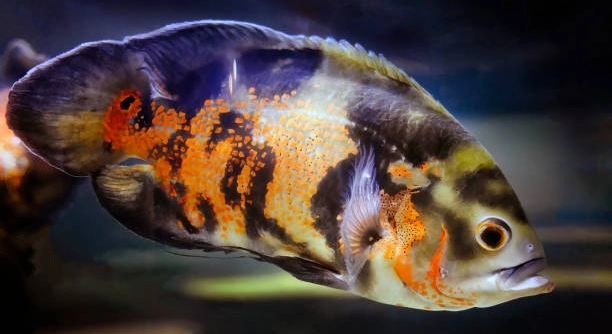
Have you ever considered keeping fish but felt overwhelmed by the variety and care involved? Convict cichlids are colorful, active, and often catch the attention of new aquarium enthusiasts with their lively behavior and patterns.
Convict cichlids are generally suitable for beginners due to their hardy nature, simple diet, and adaptability to a range of water conditions. Their resilient temperament allows them to thrive with consistent but basic care in a home aquarium.
Learning how to maintain their environment correctly can make a big difference in their wellbeing and enjoyment. Understanding their needs will ensure a healthier and more rewarding experience.
Tank Setup and Environment
Creating the right environment is important for convict cichlids to thrive. They need a tank with secure covers, as these fish can jump unexpectedly. Use fine gravel or sand as substrate, which allows them to dig naturally without harming themselves. Adding rocks, caves, or driftwood provides hiding spots and territories that reduce stress and aggression. Live or artificial plants can be included, but sturdy plants are best since cichlids may uproot them while digging. A strong filter is necessary to maintain water quality, as these fish produce moderate waste. Regular water changes of 20-25% weekly help keep ammonia and nitrate levels low. Proper lighting encourages natural behavior and can enhance their coloration. Arranging decorations to create distinct territories helps prevent conflicts, especially if keeping multiple pairs. A well-planned tank setup ensures healthier, more active fish and makes daily care easier.
A tank with hiding spots and stable conditions helps convict cichlids feel secure.
Even with minimal care experience, a proper setup ensures the fish remain healthy. Providing varied hiding spaces reduces stress during territorial disputes. Maintaining steady water temperature and monitoring filtration keeps water clean and prevents disease. Substrate choice and decorations encourage natural digging and exploration, which supports their mental and physical well-being. Tank layout should allow enough open swimming space while separating territories to minimize aggression. Careful planning of their environment makes feeding, breeding, and social behavior easier to manage. With consistent attention, these fish adapt quickly and display their lively personalities in a healthy setting.
Feeding and Diet
Convict cichlids accept a wide range of foods and require balanced nutrition.
A diet combining high-quality flakes, pellets, and occasional live or frozen foods ensures proper growth and vibrant colors.
Feeding convict cichlids multiple times a day in small portions prevents overfeeding and maintains water quality. They thrive on protein-rich foods like brine shrimp or bloodworms, supplemented with plant-based flakes. Rotating food types supports digestion and keeps them active. Observing their appetite daily helps identify health issues early. Avoiding uneaten food accumulation reduces the risk of water contamination and algae growth. Feeding routines also establish consistency, which lowers stress levels. Offering occasional treats stimulates natural hunting behavior while keeping their diet balanced. A consistent feeding plan contributes to longevity and overall well-being, making it easier to maintain healthy, active fish in a home aquarium.
Common Health Issues
Convict cichlids are generally hardy but can face problems like fin rot, ich, or internal parasites if water quality is poor or diet is unbalanced. Early detection is key to preventing serious illness.
Maintaining clean water and regular tank checks reduces the risk of disease. Signs like faded colors, clamped fins, or unusual swimming patterns indicate health issues that need attention. Quarantining new fish before adding them to the main tank prevents the introduction of pathogens. Providing a varied diet strengthens their immune system, making them less vulnerable. Stress from overcrowding or aggressive tank mates can also weaken their defenses, so observing behavior and maintaining proper tank size are essential. Prompt treatment with appropriate medications and water adjustments ensures recovery and keeps the tank stable for other inhabitants. Preventive care is always simpler than treating advanced illness.
Even with proper care, minor problems may still appear. Maintaining a clean environment, monitoring water parameters, and offering high-quality food are practical steps to minimize health risks. Understanding common issues allows quick action, preventing minor concerns from becoming major problems. Consistent observation is the most effective tool for keeping convict cichlids healthy and active.
Tank Mates
Convict cichlids are territorial and may not get along with all fish. Choosing compatible tank mates reduces aggression and stress.
Peaceful, fast-swimming species that occupy different tank levels work best with convict cichlids. Avoid small, slow, or very colorful fish that may trigger aggression. Larger cichlids or similarly aggressive fish can sometimes coexist, but careful observation and tank layout adjustments are necessary. Providing multiple hiding spaces and visual barriers helps reduce disputes. Even with compatible species, conflicts can occur, so monitoring interactions is important. Selecting the right tank mates contributes to a stable environment and a more enjoyable aquarium experience overall.
Introducing convict cichlids to a community tank requires planning and attention. Territorial behavior increases during breeding, which may require temporary separation of other fish. Some species tolerate them better than others, but aggression should always be monitored. Grouping compatible species with distinct swimming zones reduces competition for space. Keeping sufficient tank size is critical to prevent stress and fights. Understanding each species’ behavior helps maintain harmony in the tank. Proper tank arrangement, hiding spots, and careful selection of companions ensure that all fish remain healthy, reducing injuries and stress while promoting natural behaviors. Consistent observation allows timely intervention if conflicts arise.
Water Quality
Stable water parameters are essential for convict cichlids. Temperature, pH, and ammonia levels must be monitored regularly to prevent stress and disease.
Performing regular water changes and using a reliable filter helps maintain a healthy environment. Consistent testing allows early detection of potential problems and keeps fish active.
Behavior Patterns
Convict cichlids are active and often dig or move substrate around the tank. They display clear territorial instincts, especially during breeding. Understanding their natural behaviors helps manage aggression and provides a more stable aquarium environment. Observing daily routines allows better interaction and care planning.
Breeding Tips
Providing flat rocks or small caves encourages spawning. Convict cichlids tend to lay eggs on solid surfaces and defend them vigorously.
Tank Maintenance
Regular cleaning, water testing, and equipment checks ensure the tank remains safe and healthy for all inhabitants.
FAQ
How long do convict cichlids live?
Convict cichlids usually live between 8 and 10 years with proper care. Maintaining stable water conditions, providing a balanced diet, and monitoring their health regularly can help maximize their lifespan. Regular tank maintenance reduces stress and prevents disease, supporting longer, healthier lives.
Are convict cichlids aggressive?
Yes, convict cichlids can be aggressive, especially when breeding. They defend their territory and eggs vigorously. Aggression is usually directed at fish of similar size or appearance. Providing hiding spaces, sufficient tank size, and compatible tank mates helps minimize conflicts and maintain a more peaceful environment.
Can convict cichlids live with other fish?
They can live with other fish, but careful selection is required. Peaceful, fast-moving species that occupy different swimming levels are the best options. Avoid very small or slow fish that could trigger aggression. Multiple hiding spots and territorial boundaries reduce stress and fights.
What do convict cichlids eat?
They are omnivores and thrive on a varied diet. High-quality flakes, pellets, and occasional live or frozen foods like brine shrimp or bloodworms provide essential nutrients. Including plant-based foods helps maintain balanced nutrition and promotes vibrant coloration. Feeding small portions multiple times a day prevents overfeeding.
How often should I feed them?
Feeding two to three times a day in small amounts works best. Convict cichlids eat quickly, so removing uneaten food prevents water contamination. A consistent feeding schedule encourages natural behavior and reduces stress. Monitoring their appetite daily helps identify potential health issues early.
Do convict cichlids require special water conditions?
They are hardy but do best in stable water conditions. The ideal temperature range is 74–82°F, and the pH should stay between 6.5 and 8.0. Regular water changes, proper filtration, and monitoring ammonia and nitrate levels help maintain a safe environment.
How do I know if my convict cichlid is healthy?
Healthy convict cichlids are active, have bright coloration, and display normal swimming behavior. Fins should be intact, and appetite should be consistent. Signs of illness include clamped fins, faded colors, erratic swimming, or loss of appetite. Early detection allows faster treatment and recovery.
Can convict cichlids breed easily?
Yes, they breed readily if conditions are suitable. Providing flat surfaces for egg laying, stable water conditions, and proper nutrition encourages spawning. Once eggs are laid, the pair becomes protective. Fry can be raised successfully with finely crushed foods and careful monitoring.
How big do convict cichlids get?
Adults typically reach 4–6 inches in length. Males are slightly larger than females and often more brightly colored. Tank size should account for their size and territorial behavior, ensuring enough space for multiple fish without overcrowding.
Do I need to worry about tank decorations?
Yes, decorations help reduce aggression. Rocks, caves, and plants create territories and hiding spaces. Substrate choice is important because they dig and move materials. Proper arrangement encourages natural behavior and reduces stress while keeping the tank visually appealing.
How often should I check water quality?
Testing water at least once a week is recommended. Regular checks for ammonia, nitrites, nitrates, and pH prevent potential health issues. Sudden changes in water quality can stress fish and lead to illness. Consistent monitoring ensures a stable and safe environment.
What is the best tank size for convict cichlids?
A minimum of 20 gallons is recommended for a single pair, with larger tanks better for multiple fish. Extra space reduces aggression, provides room for territories, and allows for proper filtration and decoration. Adequate tank size supports healthy growth and active behavior.
Can they jump out of the tank?
Yes, convict cichlids can jump occasionally, especially during aggression or excitement. A secure lid is necessary to prevent escape. Ensuring water levels and tank cover are safe keeps the fish contained while maintaining proper ventilation.
Are they good for beginners?
Yes, convict cichlids are considered beginner-friendly due to their hardiness, adaptability, and simple dietary needs. With basic tank maintenance, regular feeding, and attention to water quality, they provide an engaging and manageable fish-keeping experience. Their active behavior makes them enjoyable to observe.
Do they need a special breeding setup?
A standard tank works for breeding as long as flat surfaces and hiding spots are available. Additional care involves monitoring water quality, separating fry if necessary, and providing suitable food. Breeding pairs are highly protective, so observing interactions ensures a safe environment.
How do I prevent aggression in the tank?
Provide multiple hiding spots and visual barriers. Maintain proper tank size and choose compatible tank mates. Observing daily interactions and separating aggressive individuals when needed helps reduce stress and injuries. Managing territories carefully keeps the tank stable and fish healthy.
Can I keep more than one pair together?
It is possible but challenging. Overcrowding increases territorial disputes. Using a large tank with plenty of hiding spaces and distinct territories is essential. Observing interactions and intervening when aggression occurs prevents injuries and keeps all fish safe.
Do convict cichlids need lighting?
Moderate lighting enhances coloration and encourages natural behavior. While not strictly required, consistent lighting helps regulate their activity patterns. Avoid overly bright light that may stress them or cause excessive algae growth in the tank.
Is special filtration required?
A strong filter is recommended because convict cichlids produce moderate waste. Proper filtration maintains water quality, reduces toxins, and supports stable conditions. Combining filtration with regular water changes ensures a healthy and safe environment.
How do I acclimate new fish?
Float the sealed bag in the tank for 15–20 minutes to equalize temperature. Gradually mix small amounts of tank water into the bag over 30–60 minutes. This reduces stress and prevents shock from sudden changes in water parameters. Proper acclimation improves survival and adaptation.
Can they eat vegetables?
Yes, vegetables like spinach, peas, or zucchini provide essential nutrients. Blanch or finely chop them before feeding. Including plant matter supports digestion, enhances health, and complements protein-based foods for a balanced diet.
Are they suitable for planted tanks?
They can disturb plants due to digging behavior. Hardy or artificial plants are better choices. Using rocks and caves can protect delicate plants and allow cichlids to display natural behaviors without damaging the setup.
Do they need companions?
They do not require companions but can benefit from compatible tank mates if the tank is large enough. Observing interactions and providing space helps reduce aggression. Many keepers maintain single pairs successfully without other fish.
Can I raise fry in the main tank?
Yes, fry can be raised in the main tank if water quality is stable and other fish are not aggressive. Offering finely crushed foods and monitoring the parents’ behavior ensures higher survival rates. Separating fry may be necessary if aggression is observed.
How fast do they grow?
Convict cichlids grow steadily, reaching full size in about 6–12 months. Proper nutrition, stable water, and sufficient space contribute to healthy growth. Monitoring growth helps detect health or diet issues early.
Are they sensitive to temperature changes?
They tolerate some fluctuations but sudden shifts can cause stress and illness. Maintaining a stable temperature range between 74–82°F ensures comfort and reduces health risks. Using a heater with a reliable thermostat helps maintain consistency.
Do they need supplemental minerals?
Generally, a varied diet provides sufficient nutrients. Adding trace elements or mineral supplements is not necessary unless water conditions are poor. Healthy, balanced food supports growth, coloration, and immune system function naturally.
Can I breed them multiple times a year?
Yes, convict cichlids can spawn frequently under optimal conditions. Maintaining stable water quality, nutrition, and tank setup encourages repeated breeding cycles. Monitoring parental behavior and protecting fry ensures successful hatching and survival rates.
What tank decorations work best?
Rocks, caves, and flat surfaces support digging and territorial behavior. Decorations should provide hiding spaces and visual barriers. Avoid sharp objects that could injure fish. Proper layout reduces stress and encourages natural activity patterns, improving overall health and tank harmony.
How do I handle aggression between pairs?
Observe interactions and provide additional hiding spots or barriers. Temporarily separating aggressive fish may be necessary. Ensuring sufficient tank size and visual separation minimizes disputes and protects all inhabitants, maintaining a stable environment.
Do they require a special water filter type?
A standard strong filter is sufficient. Ensure it provides good circulation and biological filtration. Combining filtration with regular water changes maintains water quality and supports fish health. Proper maintenance is more important than using specialized equipment.
Can I keep them with other cichlid species?
Yes, but compatibility depends on size, temperament, and tank layout. Aggressive species can coexist if territories are defined and space is sufficient. Monitoring behavior is essential to prevent injury or stress. Selecting species with different swimming levels reduces conflict.
Are they good for small tanks?
A single pair can live in a 20-gallon tank, but larger setups are better for multiple fish. Overcrowding increases aggression and stress. Providing enough space ensures healthy growth, natural behavior, and long-term wellbeing.
Do they need water conditioners?
Yes, using water conditioners to remove chlorine, chloramine, and heavy metals is important. Conditioned water protects gills and overall health. Regular testing ensures that the water remains safe for all inhabitants.
Can they recognize their owners?
Convict cichlids can learn to associate feeding times with people. They may approach the glass or display curiosity, though not in a complex way. Regular interaction helps them feel secure and reduces stress in the tank.
Do they require frequent tank rearrangement?
No, frequent changes can cause stress. Once the tank is properly arranged with hiding spots and territories, minimal adjustments are needed. Maintaining a stable environment supports comfort and natural behavior.
Is quarantine necessary for new fish?
Yes, quarantining new fish for at least two weeks prevents introducing disease into the main tank. Monitoring new arrivals ensures they are healthy before mixing with established inhabitants.
Can they adapt to tap water?
Yes, if it is treated properly. Using a water conditioner to remove chlorine and chloramine is essential. Testing parameters ensures compatibility and prevents stress or health issues.
Do they need a specific pH range?
A pH of 6.5–8.0 is suitable. Sudden shifts outside this range can stress the fish and increase susceptibility to disease. Regular monitoring keeps the environment stable.
How do I handle sick fish?
Isolate the sick fish in a quarantine tank, adjust water conditions, and provide appropriate treatment. Early intervention improves recovery chances and protects other tank inhabitants.
Can they tolerate slightly hard water?
Yes, they adapt well to moderately hard water. Stable parameters are more important than exact hardness values. Avoid sudden changes to prevent stress and illness.
Do they interact with each other?
Yes, they show social and territorial behaviors. Pairs form bonds, defend territories, and sometimes display playful digging or chasing behaviors. Observing these interactions helps manage tank dynamics effectively.
How often should I clean the tank?
Perform partial water changes weekly and clean the substrate, decorations, and filter as needed. Consistent maintenance keeps the environment healthy and reduces disease risk.
Do they need a heater in cooler climates?
Yes, maintaining temperatures within 74–82°F is essential. A heater with a reliable thermostat prevents stress and supports consistent behavior and growth.
Are they sensitive to light cycles?
They respond well to consistent day-night cycles. Moderate lighting promotes activity, coloration, and natural behavior. Avoid sudden changes or overly bright lights that may cause stress.
Can I breed multiple pairs in one tank?
Yes, with careful planning, large tanks, and plenty of hiding spaces. Monitoring interactions prevents conflicts, and separating fry may be necessary. Ensuring enough territories reduces aggression and supports successful breeding.
Do they require specific water hardness?
They tolerate a moderate range of water hardness. Stable conditions are more important than precise measurements. Avoid abrupt changes to maintain comfort and health.
Are they noisy fish?
Convict cichlids are generally quiet. Noise comes from digging or territorial disputes but is minimal. Observing their behavior provides insight without disturbance.
Can I use artificial plants?
Yes, artificial plants are practical since they resist digging and provide hiding spots. Use sturdy decorations that do not harm the fish.
How much space do fry need?
Fry require sufficient open swimming space and separate hiding areas from adults. Crowding can stunt growth or increase aggression, so careful monitoring is essential.
Do they need special lighting for breeding?
Standard moderate lighting is sufficient. Proper tank setup with flat surfaces and hiding spots matters more than light intensity.
Can they survive short power outages?
Yes, they tolerate brief interruptions, but prolonged outages can stress fish. Minimizing duration and monitoring water quality afterward helps prevent problems.
Is tank cycling necessary before adding them?
Yes, a fully cycled tank with established beneficial bacteria is crucial. This prevents spikes in ammonia and nitrites, which can be fatal to new fish.
Do they require air stones?
Not strictly, but air stones improve oxygenation and circulation, benefiting overall health. They can support filtration efficiency and reduce stress during hot weather.
Can I feed them only flakes?
Flakes alone are acceptable short-term but may lack variety. Including protein-rich foods and occasional vegetables ensures balanced nutrition and healthier, more vibrant fish.
Do they show personality?
Yes, convict cichlids display curiosity, territoriality, and pair bonding. Observing interactions can be engaging and helps monitor their wellbeing.
Can they live in unheated tanks?
They can tolerate stable cooler temperatures for short periods, but prolonged exposure below 74°F can stress them. Maintaining warmth is safer for growth and activity.
How quickly do they breed after pairing?
Pairs often breed within a few weeks if conditions are stable, with flat surfaces and proper nutrition. Observing their behavior helps anticipate spawning.
Are they compatible with goldfish?
No, differing water requirements and aggression make this combination unsuitable. Convict cichlids prefer warmer water than goldfish and may harass them.
Do they require live food?
Not necessary but beneficial. Live foods like brine shrimp enhance nutrition and stimulate natural hunting behavior. They can be supplemented with flakes or pellets.
Can they tolerate slight salinity?
They tolerate very mild brackish conditions but thrive best in freshwater. Stable freshwater conditions ensure health and comfort.
How often should I replace filter media?
Replace filter media according to manufacturer instructions, usually every 4–6 weeks, while avoiding complete removal to maintain beneficial bacteria. Regular maintenance ensures effective filtration.
Do they need a quarantine tank for fry?
Not always, but separating fry can prevent predation and improve survival rates. Providing hiding spots and suitable food is critical in the early stages.
Are they easy to identify males and females?
Yes, males are larger with more pronounced dorsal fins, while females are smaller and slightly rounder. Coloration may vary but is generally reliable for sexing.
Do they respond to feeding cues?
Yes, they learn routines and may approach the glass or display anticipation. Consistency helps reduce stress and reinforces natural behavior patterns.
Can they be kept in a nano tank?
Single pairs may survive in a small tank, but limited space increases stress and aggression. A minimum of 20 gallons is safer for long-term health.
Do they need specific water flow?
Moderate flow works best. Too strong can stress them, while stagnant water may reduce oxygen levels. Adjust filters to balance circulation and comfort.
Are they suitable for outdoor ponds?
They can survive in outdoor ponds in mild climates, but temperature fluctuations and predators are concerns. Careful monitoring and secure setups are essential.
Do they need hiding spots even if alone?
Yes, hiding spots reduce stress and encourage natural behavior. Even single pairs benefit from caves, rocks, or decorations that provide secure areas.
How do I prevent overbreeding?
Limit tank space and monitor pairs closely. Separating fry or reducing breeding surfaces can control population growth. Observing behavior ensures the tank remains manageable.
Can they adapt to different water hardness levels?
Yes, gradual adaptation is possible, but sudden changes can stress them. Stability and consistency matter more than exact hardness values.
Do they need water heaters in tropical climates?
Not always, but temperature fluctuations can still occur. Maintaining stable conditions ensures consistent health, growth, and breeding activity.
Are they prone to parasites?
Yes, especially if water quality is poor. Quarantining new fish, maintaining cleanliness, and observing behavior reduce risk. Prompt treatment of symptoms prevents spread.
Do they recognize other fish in the tank?
They can remember tank mates and territories, responding differently based on past interactions. Observation helps manage aggression and social dynamics.
Can they survive without a filter?
Survival is possible short-term, but filtration is recommended for stable water quality, oxygenation, and reduced stress. Proper filtration simplifies care and promotes health.
Do they need gravel or sand substrate?
Either works, but sand is gentler for digging. Substrate supports natural behavior, territorial marking, and egg laying during breeding.
How do I prevent algae growth?
Regular water changes, moderate lighting, and avoiding overfeeding reduce algae buildup. Introducing algae-eating species may help, but care is needed to avoid conflicts.
Can they tolerate crowding?
No, overcrowding increases stress and aggression. Providing adequate space, hiding spots, and territorial separation keeps fish healthy and reduces conflicts.
Do they need a strict day-night cycle?
Consistent light cycles support activity and coloration. Sudden changes can stress fish. A moderate lighting schedule of 10–12 hours light per day works well.
Can they live in tap water without treatment?
No, untreated tap water may contain chlorine or heavy metals. Using a water conditioner ensures safety and prevents gill damage or illness.
Are they compatible with shrimp or snails?
Small shrimp may be eaten, while larger snails can coexist. Territorial behavior and diet considerations make careful selection important. Hiding spaces help protect invertebrates.
Do they need special tank cleaning tools?
No, standard aquarium tools like siphons, brushes, and nets are sufficient. Regular maintenance ensures cleanliness and water quality without extra equipment.
Can they live with tropical community fish?
Yes, if tank mates are fast-moving, occupy different levels, and are not too small. Compatibility depends on size, temperament, and territory management.
Do they require supplemental calcium?
Not typically, as balanced diets provide adequate minerals. Monitoring diet quality ensures proper growth, bone strength, and overall health.
Can they be aggressive toward humans?
No, aggression is limited to tank mates or perceived threats. They may
Keeping convict cichlids can be a very rewarding experience, especially for beginners who want to learn the basics of fish care. These fish are hardy, adaptable, and easy to feed, which makes them less demanding compared to more sensitive species. Their behavior is active and interesting, so observing them can be both entertaining and educational. Even though they are relatively simple to care for, maintaining stable water conditions, providing adequate space, and monitoring their health are essential. A consistent feeding schedule and regular tank maintenance go a long way toward keeping them healthy and thriving. With proper care, convict cichlids can live long lives and remain active, colorful, and vibrant, making them a steady presence in any home aquarium.
Convict cichlids are also good for learning about breeding and territorial behavior. Once a pair is established, they will show protective instincts over eggs and fry, which can be fascinating to observe. Providing flat rocks, caves, and hiding spaces allows them to exhibit natural behavior without causing too much stress to other tank mates. Breeding these fish is relatively straightforward, but it still requires careful observation to prevent aggression and ensure fry survival. Even if breeding is not a goal, understanding their social interactions helps manage tank dynamics and prevents conflicts. Their territorial nature means that tank layout and decoration play an important role in reducing stress and aggression, so planning and arrangement matter as much as water quality and diet.
Overall, convict cichlids are suitable for anyone willing to maintain basic aquarium care routines. They can adapt to a range of water conditions, accept a variety of foods, and develop bonds with tank mates or display recognizable behaviors. Regular observation, proper feeding, and a well-maintained environment help prevent common health issues and allow these fish to show their natural personality. Their active and sometimes aggressive behavior adds interest and teaches valuable lessons about fish interaction and care. With the right setup and consistent attention, convict cichlids are a manageable and enjoyable species that can bring years of activity, color, and learning to an aquarium. By focusing on stable conditions, balanced nutrition, and thoughtful tank planning, anyone can provide a comfortable and healthy home for these resilient fish.

Hello,
If you enjoy the content that we create, please consider saying a "Thank You!" by leaving a tip.
Every little bit helps us continue crafting quality advice that supports the health, happiness, and well-being of pets around the world, for pets of all shapes, sizes, and species.
We really appreciate the kindness and support that you show us!