
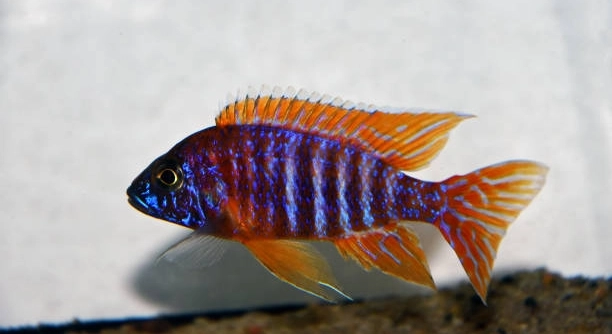
Cichlids are colorful freshwater fish that display many interesting behaviors in their tanks. One common action is fanning their fins at each other, which can catch the attention of both hobbyists and casual observers alike.
Fanning their fins is primarily a territorial and social behavior. It serves as a visual display to assert dominance, ward off rivals, and communicate readiness to breed. This action helps maintain social structure and reduces the need for physical conflict.
Observing these displays can reveal a lot about their interactions and hierarchy within the aquarium. Paying attention to these behaviors improves understanding of their natural instincts.
The Role of Territory in Cichlid Behavior
Cichlids are naturally territorial, and fanning their fins is one way they mark and defend their space. When a cichlid fans its fins, it appears larger and more intimidating to others nearby. This display helps prevent physical fights by establishing dominance visually. In home aquariums, these behaviors can be more frequent if the tank is small or lacks sufficient hiding spots. Proper tank design with rocks, plants, and separate zones allows each fish to feel secure. Observing which fish consistently fan their fins at others can indicate which individuals are dominant and which are more submissive. Territorial disputes are a normal part of cichlid interactions, and understanding this can help owners manage their tanks more effectively. These displays are often brief but purposeful, signaling intent without escalating aggression. Recognizing and respecting these signals keeps the aquarium environment calmer and healthier for all fish.
Territory displays are strongest during breeding periods. Fanning helps cichlids protect their potential nesting sites.
Providing enough space and hiding places reduces stress and aggression, allowing cichlids to maintain natural behaviors without conflict.
Social Communication and Fanning
Fanning fins is not only about dominance but also about communication. Fish signal intentions and moods through these displays, letting others understand social dynamics.
Social interactions in cichlids are complex. Fanning can show readiness to mate or indicate submission without resorting to fighting. Observing these behaviors helps in managing tank harmony. In group settings, dominant cichlids fan more frequently, while subordinate fish often retreat or respond with smaller displays. These signals help reduce unnecessary injuries by establishing clear roles. Over time, fish develop recognizable patterns, showing which individuals are leaders or more passive. Adjusting the tank layout to allow visual breaks can prevent constant confrontations. Social structure affects feeding, movement, and breeding behaviors. By paying attention to these subtle cues, aquarists can anticipate conflicts and maintain a stable environment. Understanding the nuances of cichlid communication helps in creating a peaceful community tank. Proper observation ensures each fish thrives, balancing natural instincts with safe cohabitation.
Fin Flaring During Breeding
Fanning fins is common when cichlids prepare to breed. It signals readiness and attracts mates. Both males and females may flare to communicate interest.
During breeding periods, fin flaring helps establish pair bonds and protect nesting sites. Males often display more prominently to attract females, while females show smaller, responsive flares. These behaviors reduce the need for physical confrontation by clearly signaling intentions. Flaring also communicates which fish are dominant in securing a safe area for eggs. In home aquariums, observing these interactions provides insight into which pairs may successfully mate and how they negotiate space. Recognizing these cues allows for a more supportive environment during reproduction. Proper spacing, hiding spots, and monitoring interactions can prevent unnecessary stress and aggression during these sensitive periods, ensuring both fish and eggs remain safe.
Flaring is not aggressive by default; context determines whether it’s for mating or defense. Watching patterns over time clarifies intent.
Environmental Influences on Flaring
Tank size, decorations, and hiding spots directly affect how often cichlids flare their fins. Limited space can increase displays and tension.
Environmental factors strongly influence cichlid behavior. Crowded tanks or a lack of visual barriers can cause frequent flaring, as fish feel the need to assert territory constantly. Rocks, plants, and separate zones provide refuge and reduce constant conflict, allowing fish to interact without escalating aggression. Lighting, water quality, and temperature also play a role, as stressed fish may flare more often. Monitoring tank conditions and adjusting the layout helps maintain balance among individuals, reducing unnecessary displays. Proper management encourages natural behaviors while minimizing stress, creating a more stable and harmonious aquarium.
Aggression Signals
Flaring fins can indicate aggression between cichlids. It warns others to back off without immediate physical fights.
Subtle differences in fin positions help fish communicate intentions. Quick, sharp flares often signal higher tension, while slow movements are more about presence than threat.
Recognizing Submissive Responses
Subordinate cichlids often respond by flattening their fins or retreating. These signals prevent conflicts and maintain tank harmony. Observing these responses helps in understanding social hierarchy and identifying which fish need more space or hiding spots.
Feeding and Flaring
Cichlids may flare fins around feeding times to assert dominance and secure food. This behavior is heightened in competitive tank environments where food is limited. Watching these interactions ensures all fish get adequate nutrition.
Why do cichlids fan their fins at each other?
Cichlids fan their fins primarily as a form of communication. It signals dominance, territorial boundaries, or readiness to breed. The display makes the fish appear larger and more intimidating, helping prevent direct physical conflicts. In home aquariums, this behavior is a normal part of their social interactions.
Is fin flaring always a sign of aggression?
Not always. While flaring can indicate aggression, it can also signal mating readiness or social hierarchy. Context matters: prolonged staring combined with fin flaring often shows a challenge, while short, controlled flares might be a neutral or submissive signal between fish.
How can I tell which cichlid is dominant?
Dominant cichlids flare their fins more frequently and hold their position in prime areas of the tank. Subordinate fish usually retreat, flatten their fins, or swim away. Watching these repeated behaviors over days helps identify leaders and more passive individuals.
Does tank size affect fin flaring behavior?
Yes. Smaller tanks increase tension and territorial disputes, leading to more frequent flaring. Larger tanks with adequate hiding spots reduce stress and allow fish to display natural behaviors without constant confrontation. Decorations and plants create visual barriers that help lower aggression.
Should I separate flaring cichlids?
Separation is only needed if flaring escalates to constant chasing or injury. Observing natural displays without intervention is usually fine, as flaring helps establish hierarchy. Intervening too quickly may disrupt social balance and increase stress for the fish.
Does fin flaring indicate health issues?
Not directly. Healthy cichlids use fin flaring as a normal behavior. However, if flaring is accompanied by clamped fins, lethargy, or unusual coloration, it could indicate stress, illness, or poor water conditions. Regular tank maintenance supports healthy behavior patterns.
Can I reduce aggressive flaring?
Yes. Increasing tank size, providing hiding spots, and adding visual barriers can reduce constant aggression. Feeding in multiple locations and maintaining water quality also helps. Adjusting group composition to balance male and female ratios can prevent excessive dominance displays.
Do all cichlid species flare their fins?
Most cichlid species exhibit fin flaring, but intensity and purpose vary. Some species flare more during mating, while others do it to defend territory. Knowing your specific species’ natural behavior helps predict and interpret flaring in your aquarium.
Is fin flaring more common during certain times?
Flaring often increases during breeding periods and feeding times. Territorial disputes are more frequent when establishing dominance or protecting eggs. Observing patterns over time helps anticipate when displays will peak and allows for proper tank management.
Can flaring stress other fish in the tank?
Yes, constant aggressive displays can stress subordinate fish. Stress may lead to hiding, reduced feeding, or illness. Providing visual breaks, adequate space, and balanced group dynamics ensures that all fish can interact without excessive tension, preserving overall health and social stability.
How long does a typical fin flare last?
Flares are usually brief, lasting a few seconds to a minute. Prolonged flaring can indicate heightened stress or unresolved conflicts. Monitoring the frequency and duration of flaring gives insight into social dynamics and whether intervention is necessary.
Does lighting affect fin flaring?
Bright lighting can increase visibility, sometimes making flaring more frequent, as fish are more aware of rivals. Dimmer lighting or shaded areas allow fish to interact more subtly, reducing unnecessary displays while still maintaining normal behavior.
Can multiple dominant cichlids coexist?
It is possible, but it requires careful management. Providing multiple territories, hiding spots, and visual barriers prevents constant confrontations. Observing interactions and adjusting tank layout supports a stable social hierarchy where several dominant fish can coexist without continuous conflict.
Does diet influence fin flaring?
A balanced diet supports overall health, reducing stress-induced aggression. Hungry or malnourished cichlids may flare more aggressively to compete for food. Feeding consistently and providing proper nutrition lowers tension and supports normal behavioral displays.
Are juvenile cichlids likely to flare?
Juveniles do flare, but usually less intensely than adults. Young fish use smaller displays to learn social hierarchy and practice behaviors they will use as adults. Monitoring juveniles helps ensure safe growth and smooth integration into the tank community.
How do I know when fin flaring is problematic?
Flaring becomes problematic when it leads to repeated chasing, injuries, or constant stress for subordinate fish. Signs include torn fins, frequent hiding, and decreased appetite. Adjusting the tank environment, group composition, or temporarily separating aggressive individuals can prevent harm.
Can fin flaring be used to encourage breeding?
Yes. Observing flaring during courtship helps identify compatible pairs. Providing appropriate nesting areas, maintaining water quality, and minimizing stress supports breeding. Recognizing these displays allows for intervention only when necessary, creating a safe and productive environment for reproduction.
Does age affect flaring behavior?
Older, more established cichlids often flare more to maintain dominance. Younger or newly introduced fish may flare less until they understand the hierarchy. Tracking age-related behavior helps predict social dynamics and prevent unnecessary conflicts.
Are there environmental cues that trigger flaring?
Yes. Changes in lighting, tank rearrangement, or the introduction of new fish can trigger flaring. Stable conditions with gradual changes help fish adapt without escalating aggression, allowing displays to remain normal rather than stress-induced.
Is fin flaring always visible in community tanks?
Not always. In larger tanks or tanks with multiple hiding spots, some flaring may occur out of sight. Fish may retreat to shaded areas, making it harder to observe. Regular monitoring and understanding behavior patterns ensures awareness of all social interactions.
Can fin flaring serve as a teaching tool for new fish?
Yes. Subordinate fish learn social rules by observing dominant flares. These displays help establish order without physical confrontation. By providing space for observation, new fish can integrate smoothly into the tank’s hierarchy.
Does water temperature influence fin flaring?
Temperature affects activity levels. Warmer water may increase movement and displays, while cooler temperatures can slow behaviors. Maintaining species-appropriate temperatures ensures flaring remains normal and not a reaction to stress or discomfort.
How can I safely observe flaring without stressing the fish?
Watching from a distance, avoiding tapping the tank, and providing hiding spots reduces stress. Minimal interference allows natural displays to occur while keeping fish comfortable and safe.
Are there signs that flaring is linked to mating rather than aggression?
Mating-related flaring is usually paired with pairing behaviors, such as staying close to a nest or performing courtship dances. Aggressive flaring often involves chasing, territorial positioning, and threats. Observing context clarifies the reason behind the display.
Can fin flaring damage the fins themselves?
Normal flaring does not cause harm. Damage usually results from fights, overcrowding, or stress. Ensuring proper tank space, hiding areas, and compatible groupings protects fins while allowing natural behavior.
Do cichlids flare at other species?
Yes, especially if the other species enters their perceived territory. Flaring is a visual signal to warn intruders, though interspecies interactions are usually brief and less intense than same-species displays.
Does frequency of flaring change over time?
Yes, it varies with age, social dynamics, breeding cycles, and environmental conditions. Observing trends over weeks helps predict behavior patterns and maintain a stable aquarium environment.
Are there long-term effects of excessive flaring?
Chronic stress from constant flaring can weaken immune systems, reduce growth, and lower reproductive success. Proper tank management, hiding spots, and visual breaks minimize long-term negative impacts.
Can I use flaring to identify compatible tank mates?
Yes. Observing how fish respond to each other’s flares reveals compatibility. Peaceful responses indicate harmony, while repeated conflicts suggest the need for separation or adjustments in tank setup.
Do male and female cichlids flare differently?
Males generally flare larger fins more often, especially during breeding or territorial defense. Females may flare more subtly, often signaling readiness to mate or mild territorial defense. Observing differences helps understand gender roles in social dynamics.
How does fin size affect flaring?
Larger fins make displays more noticeable and intimidating. Fish with smaller fins may rely on body posture and movement to convey messages, while larger-finned individuals often dominate visual communication.
Is it safe to encourage flaring for observation purposes?
Observing natural flaring is safe, but deliberately provoking it can cause stress. Allowing fish to display on their own ensures healthy behavior without harm or disruption.
Can flaring indicate stress from water quality issues?
Yes. Poor water conditions can increase aggressive displays. Frequent, unprovoked flaring may signal ammonia, nitrate, or pH problems. Maintaining proper water parameters supports both health and normal behavior.
Do cichlids flare at reflections?
Some may mistake reflections for rivals, causing temporary flaring. Mirrors or shiny surfaces can trigger repeated displays, which may stress fish if exposure is constant. Reducing reflective surfaces helps prevent unnecessary flaring.
Can fin flaring help identify breeding readiness?
Yes. Persistent, confident flaring near a nesting site often signals a fish is ready to breed. Recognizing these displays allows preparation of appropriate breeding conditions and monitoring of pair behavior.
Does flaring differ in wild versus captive cichlids?
Wild cichlids may flare less frequently due to abundant space and natural territories. In captivity, limited space can amplify displays, but the behavior remains fundamentally the same as in natural habitats.
How do I differentiate between playful and aggressive flaring?
Playful flaring is usually brief and occurs without chasing or injury. Aggressive flaring includes threats, repeated confrontations, and may escalate into attacks. Context, frequency, and body language help distinguish the two.
Can flaring behavior be reduced by adding more fish?
Adding fish may dilute attention and reduce repeated conflicts, but overcrowding can backfire, increasing stress and aggression. Balance in population density is essential to maintain normal flaring behavior.
Does fin color influence flaring intensity?
Bright, vivid fins often enhance visual communication, making flares more noticeable. Fish with duller fins may still display but rely more on posture and movement rather than sheer visual impact.
Is flaring more common in certain times of day?
Activity levels influence displays. Early morning or feeding times may see more flaring, while nighttime or rest periods show reduced activity. Tracking patterns helps manage observation and care routines.
Do flares always involve the whole fin?
Not always. Fish may flare only part of their fins depending on intent and stress level. Full fin displays are often reserved for strong dominance or courtship displays, while partial flares signal lower-level communication.
Can repeated flaring lead to social stability?
Yes. Over time, flaring establishes hierarchy and reduces direct fighting. Fish learn roles and boundaries, allowing a stable community where dominance is understood without constant aggression.
How do I encourage natural flaring without stress?
Provide space, hiding spots, proper diet, and stable water conditions. Allow interactions to occur naturally without provoking fish, ensuring displays remain healthy and stress-free.
Does introducing new tank mates affect flaring?
Yes. New introductions often trigger temporary flaring as fish establish boundaries. Gradual acclimation and adequate space reduce stress and allow the hierarchy to adjust smoothly.
Are there signs that flaring is excessive?
Excessive flaring includes repeated chasing, torn fins, hiding, and loss of appetite. These signs indicate stress or insufficient space. Adjusting tank layout or separating aggressive individuals can restore balance.
Can observing flaring help in breeding selection?
Yes. Confident, consistent flaring near nests indicates strong, healthy potential breeders. Monitoring these behaviors helps select compatible pairs and supports successful reproduction.
Does the presence of other species reduce cichlid flaring?
Other species may distract or occupy space, slightly reducing same-species displays. However, dominant cichlids may still flare if they perceive threats, so careful monitoring is necessary.
How long does it take for hierarchy to stabilize in a new tank?
Hierarchy typically stabilizes within days to weeks, depending on tank size, number of fish, and individual temperaments. Observing flaring patterns during this period helps ensure social order develops without injury.
Does diet variety influence aggression and flaring?
A balanced diet reduces stress-related aggression. Providing a mix of proteins, vegetables, and supplements ensures fish remain healthy, lowering unnecessary flaring linked to competition for limited food.
Can water flow or currents affect fin flaring?
Strong currents may limit visibility and make displays less frequent. Moderate flow allows normal swimming and social interaction, letting fish communicate through fin flaring naturally.
Do seasonal changes impact flaring in captivity?
Subtle changes in temperature, lighting, or daylight hours can influence activity levels. Adjusting conditions to mimic stable environments keeps flaring behavior predictable and manageable.
Can observing flaring predict aggressive pairings?
Yes. Frequent, repeated flaring with chasing indicates potential aggression. Observing interactions before breeding or tank introductions helps prevent conflicts and ensures safer cohabitation.
Does tank decoration type influence flaring?
Hard structures, plants, and caves allow fish to claim territory and break line-of-sight. Tanks lacking decorations may see more intense flaring due to constant visibility and perceived competition.
Can fin flaring be a sign of excitement rather than stress?
Yes. Short, controlled flares often indicate alertness, curiosity, or playful interaction. Observing body language and context distinguishes excitement from stress-induced displays.
How do I manage aggressive flaring during feeding?
Feed in multiple locations to reduce competition. Use sinking pellets or spread food evenly to minimize territorial disputes. This approach ensures all fish access food without prolonged aggressive displays.
Do older cichlids flare differently than younger ones?
Older fish often flare with more confidence, holding prime territory. Younger fish may flare less or retreat more frequently. Age influences social dynamics and helps predict behavioral patterns in a community tank.
Can flaring be influenced by prior injuries?
Yes. Fish that have been injured may flare less or avoid confrontation. Subtle displays may replace aggressive flaring until confidence or health is restored.
Does observing flaring help in diagnosing tank issues?
Absolutely. Sudden increases in aggression or unusual patterns can indicate overcrowding, poor water quality, or stress. Regular observation allows early intervention, keeping fish healthy and social structure intact.
Is it safe to film or photograph flaring?
Yes, as long as you avoid tapping the glass or startling fish. Natural observation through filming can help study behavior without causing stress.
Can flaring behavior teach about fish personalities?
Yes. Some cichlids are naturally dominant, others passive. Observing flaring provides insight into individual temperaments, allowing for better tank management and compatible groupings.
How does age or size difference affect flaring interactions?
Larger, older fish usually dominate smaller, younger ones. Size and age influence hierarchy, and observing flaring shows how power dynamics develop over time.
Are there tools to safely separate flaring fish?
Yes. Tank dividers, breeding boxes, and temporary isolation areas allow separation without harming fish. These tools help reduce stress while maintaining social order.
Can flaring indicate readiness to explore new areas of the tank?
Sometimes. Confident flares may signal curiosity and territory expansion. Subtle displays often accompany cautious movement as fish assess new spaces before claiming them.
Does water clarity influence flaring?
Clear water allows better visibility and more frequent displays. Murky water may reduce flaring frequency, as visual communication becomes harder to perceive.
Are there behavioral cues that accompany fin flaring?
Yes. Body posture, tail movement, and gill expansion often accompany flares, providing additional context about dominance, aggression, or mating readiness.
Can observing flaring prevent injuries?
Yes. Early recognition of repeated aggressive displays allows intervention before chasing or fighting causes harm, keeping fish safe and social hierarchy intact.
Does flaring occur more in pairs or groups?
Both. Pairs flare mainly during courtship or territory defense. Groups flare to establish hierarchy. The dynamics differ, but the purpose remains communication and social balance.
Can flaring indicate compatibility for tank mates?
Yes. Observing responses to flares helps identify which fish coexist peacefully and which may require separation or additional space to reduce conflict.
Do environmental enrichments reduce flaring frequency?
Yes. Plants, rocks, and caves provide visual breaks and hiding spots. Enrichment reduces constant displays, lowers stress, and encourages healthy interactions while allowing natural behavior.
How important is observing flaring for a healthy tank?
It is very important. Monitoring flaring reveals social structure, aggression levels, and breeding readiness. Careful observation helps maintain harmony and ensures fish thrive in a well-managed environment.
Can flaring patterns change over time?
Yes. Changes in hierarchy, age, breeding status, or environment influence how often and how intensely fish flare. Tracking these patterns helps anticipate behavior and maintain a stable tank.
Do fish flare more when they are introduced to new tanks?
Yes. Initial introductions trigger frequent flaring as individuals establish territory and hierarchy. Providing space and hiding spots helps reduce stress during this adjustment period.
Is there a limit to how much flaring is normal?
Frequent short displays are normal, but continuous chasing, injuries, or stress signals excessive flaring. Managing tank conditions ensures displays remain healthy and non-destructive.
Does flaring behavior vary by individual personality?
Yes. Bold, dominant fish flare more often, while timid fish flare less and retreat quickly. Observing individuals helps predict interactions and manage tank dynamics effectively.
Can flaring behavior affect reproduction success?
Yes. Proper flaring helps establish breeding pairs and protect nesting sites. Excessive aggression or stress from flaring can hinder mating, so monitoring behavior supports successful reproduction.
Does tank water movement or filtration affect flaring?
Moderate water flow allows natural movement and normal displays. Strong currents or excessive turbulence can reduce visibility and increase stress, affecting flaring patterns.
Can fin flaring indicate environmental dissatisfaction?
Yes. Constant, unprovoked flaring can signal overcrowding, poor water quality, or lack of hiding spots. Addressing environmental issues restores balance and reduces stress-induced displays.
Are there ways to encourage peaceful flaring?
Yes. Providing space, hiding spots, and multiple feeding locations allows fish to display naturally without escalating aggression. Gradual acclimation of new fish helps maintain calm interactions.
Can flaring behavior be inherited or species-specific?
Species-specific tendencies exist. Some species are naturally more territorial and flare more intensely. Genetics also influence individual temperament, affecting frequency and intensity of displays.
Does observation of flaring help in community tank planning?
Absolutely. Understanding which fish are dominant, passive, or aggressive guides placement, tank size, and decorations to minimize conflict while maintaining natural behaviors.
Cichlids fanning their fins is a natural and important behavior that reflects their social structure, territorial instincts, and communication methods. In an aquarium setting, these displays may seem dramatic, but they serve specific purposes that help maintain harmony among fish. Observing fin flaring allows aquarists to understand the relationships between dominant and subordinate fish, identify potential breeding pairs, and anticipate conflicts before they escalate. Each flare, whether brief or prolonged, communicates intent, whether it is asserting territory, establishing hierarchy, or signaling readiness to mate. By paying attention to these behaviors, it becomes easier to provide an environment that meets their social and physical needs while minimizing stress.
The frequency and intensity of fin flaring can be influenced by several environmental factors, such as tank size, hiding spots, water quality, and even lighting. Smaller tanks or those with limited visual barriers tend to increase displays, as fish feel the need to assert their space more frequently. Adding decorations, plants, and multiple territories can reduce tension by allowing each fish to have a secure area. Feeding practices and group composition also play a role in minimizing aggressive interactions. Understanding these influences allows aquarists to maintain a balanced environment where natural behaviors are expressed without causing harm or excessive stress to any individual fish. Careful observation and adjustments help create a stable, harmonious aquarium where cichlids can thrive.
Cichlid fin flaring is not a sign of abnormal behavior, but rather an essential part of how they interact with each other. Learning to recognize the different contexts—such as breeding, territorial defense, or general communication—helps in interpreting their actions correctly. Regular monitoring, thoughtful tank setup, and attention to water conditions all contribute to supporting healthy behaviors. Over time, understanding fin flaring provides insight into social dynamics, reveals personality differences among fish, and ensures a safer, more comfortable environment for everyone in the tank. By respecting these natural behaviors and providing suitable conditions, aquarists can enjoy watching the beauty and complexity of cichlid interactions while promoting their well-being and long-term health.

Hello,
If you enjoy the content that we create, please consider saying a "Thank You!" by leaving a tip.
Every little bit helps us continue crafting quality advice that supports the health, happiness, and well-being of pets around the world, for pets of all shapes, sizes, and species.
We really appreciate the kindness and support that you show us!