
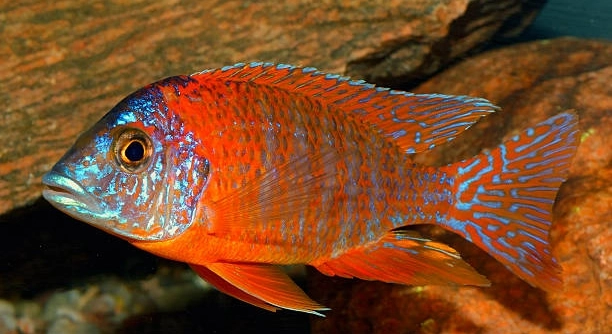
Are your convict cichlids looking paler than usual, losing the bright colors you first admired? Many fish owners notice this change and wonder what might be affecting their pet’s vibrant appearance and overall health in the tank.
Convict cichlids often turn pale due to stress, poor water quality, inadequate diet, illness, or changes in their environment. Each factor directly impacts their coloration by affecting physiological processes, hormone levels, and overall well-being, which can be measured objectively.
Understanding these causes will help you maintain your cichlid’s health and vibrant colors, ensuring your aquarium remains a lively and balanced environment for your fish.
Stress in the Tank
Convict cichlids are sensitive to stress, and it often shows in their coloration. Stress can come from overcrowding, aggressive tank mates, or sudden changes in water conditions. When a fish feels threatened, it releases hormones that dull its natural colors. Even subtle disturbances, like moving decorations or frequent tapping on the glass, can affect them. Maintaining a calm environment with enough hiding spots and stable water conditions helps reduce stress. A stressed fish may also eat less, further affecting its health and vibrancy. Observing your cichlid’s behavior alongside its color can help identify stress before it becomes severe. By providing a stable and peaceful habitat, you support both the physical and emotional well-being of your fish. Over time, reduced stress can allow your cichlid’s natural colors to return and maintain a more consistent, healthy appearance in the tank.
Stress can quickly reduce a cichlid’s color, making calm tank conditions essential for their vibrancy.
Monitoring stress signs involves checking for hiding, rapid breathing, or aggression. Adjusting tank setup can prevent recurring color loss. Consistency in feeding and interactions strengthens overall health, allowing your fish to display brighter, natural colors again.
Poor Water Quality
Dirty or unstable water affects convict cichlids immediately. Ammonia, nitrite, or nitrate spikes can make them pale and lethargic. Regular testing and partial water changes help keep the environment clean. Filters should be checked and cleaned to ensure proper circulation and removal of waste. Sudden temperature shifts or pH changes can also impact color, so consistency is key. Even small changes in water hardness or mineral content may stress your fish over time. Observing water clarity, smell, and testing chemical levels provides insight into your tank’s condition. Maintaining stable, clean water supports both color and general health, preventing illnesses linked to poor water quality.
Keeping water balanced requires weekly checks, consistent partial changes, and attentive filtration. Fish respond quickly to improvements, often regaining brighter coloration within days of proper care. Regular observation prevents prolonged stress and helps maintain a healthy, vibrant tank.
Water quality not only influences color but also overall longevity and disease resistance. Convict cichlids thrive in stable environments with consistent temperature, pH, and chemical balance. Neglecting maintenance may lead to pale colors, weakened immunity, and even fatal conditions. Using reliable test kits, performing partial water changes, and avoiding overfeeding reduces toxins that can accumulate quickly. Filters and aeration systems must function properly to support oxygen levels and remove debris. Additionally, introducing live plants can help absorb nitrates and create natural hiding spaces, reducing stress further. Monitoring and adjusting water parameters regularly ensures your cichlid stays vibrant, healthy, and active, making your aquarium a more enjoyable and balanced environment overall.
Inadequate Diet
A poor diet can directly affect a convict cichlid’s color. Lack of essential nutrients, vitamins, or protein leads to pale, dull scales. Feeding a varied diet with high-quality flakes, pellets, and occasional live or frozen foods helps maintain vibrant coloration.
Convict cichlids need a mix of protein and plant-based foods. Relying solely on flakes or pellets may not provide enough nutrients, causing their colors to fade over time. Live foods like brine shrimp or bloodworms, offered occasionally, boost pigment and overall health. Vegetables such as spinach or peas provide fiber and minerals. A balanced diet improves energy, immunity, and coloration. Feeding small portions multiple times a day rather than one large meal ensures proper digestion and nutrient absorption, keeping your fish active and colorful.
Regularly monitoring eating habits helps identify dietary deficiencies. If a cichlid avoids certain foods or seems lethargic, adjusting its diet can restore vibrancy. Consistent, high-quality nutrition supports growth, strong immune function, and the bright colors that make convict cichlids visually appealing. Overfeeding, however, can cause water quality issues, so portion control is essential. Supplements like spirulina or carotenoids enhance natural pigment, especially for fish showing early signs of fading. Combining diet management with stable tank conditions ensures long-term health and color retention, letting your cichlid thrive fully.
Illness and Disease
Pale coloration often signals underlying illness. Bacterial, fungal, or parasitic infections can affect your cichlid’s appearance and behavior, making early detection critical.
Sick fish may become less active, lose appetite, or develop spots and lesions alongside color fading. Quarantining new fish, observing daily behavior, and maintaining clean water help prevent infections. Treatment varies depending on the disease, but consistent care and proper medication restore health and color.
Internal parasites or organ issues also impact pigment. A weakened immune system due to poor diet or stress makes fish more susceptible to infections. Monitoring for subtle changes in swimming patterns, breathing, or appetite allows for timely intervention. Medications, water adjustments, and supportive feeding can help recovery. Regular observation and prompt action are key to keeping your cichlid healthy and colorful.
Environmental Changes
Sudden changes in temperature, lighting, or tank setup can make convict cichlids pale. Even small adjustments, like moving decorations or changing water parameters, can stress them and affect their coloration.
Consistent conditions help your fish feel secure. Keeping lighting, temperature, and water chemistry stable supports natural pigmentation and overall health.
Breeding Behavior
During breeding, convict cichlids often lose some color. Males may darken to show dominance, while females can appear paler, conserving energy for egg-laying and caring for fry. Adjusting tank space and monitoring interactions can reduce stress during this period.
Aging and Natural Fading
As convict cichlids age, their colors may naturally fade. Older fish often show less vibrant patterns, which is a normal part of their life cycle. Maintaining good care can slow fading, but some color loss is expected over time.
Tank Size and Space
Overcrowded tanks can stress convict cichlids, leading to paleness. Providing ample space and hiding spots allows them to establish territories and maintain natural coloration.
Why is my convict cichlid turning pale suddenly?
A sudden pale appearance usually indicates stress, illness, or changes in the tank environment. Check water quality, temperature, and pH levels first, as fluctuations can quickly affect your fish’s coloration. Stress from new tank mates or rearranged decorations may also cause immediate color loss.
How can I improve my cichlid’s color?
Providing a balanced diet rich in protein and natural pigments is key. Include high-quality flakes, pellets, and occasional live or frozen foods. Maintaining clean water and stable conditions, along with minimizing stress, allows your fish to regain and maintain vibrant coloration over time.
Can poor water quality make my convict cichlid pale?
Yes, poor water quality is one of the most common reasons for fading color. High ammonia, nitrite, or nitrate levels affect health and appearance. Regular testing, partial water changes, and proper filtration are essential to keep water safe and stable, supporting natural pigmentation.
Does stress really affect their color?
Stress directly impacts pigmentation by triggering hormonal responses that dull scales. Overcrowding, aggressive tank mates, or frequent disturbances like tapping the glass can contribute. Providing hiding spots, stable water conditions, and a calm environment reduces stress and helps your cichlid retain its natural color.
Could illness be causing the color change?
Yes, diseases such as bacterial, fungal, or parasitic infections can make convict cichlids pale. Look for other symptoms like lethargy, loss of appetite, or visible spots and lesions. Early detection, quarantine of sick fish, and proper treatment are crucial for restoring health and coloration.
Do convict cichlids change color during breeding?
Yes, color changes are normal during breeding. Males may darken to show dominance, while females often become paler to conserve energy for egg-laying and caring for fry. Proper tank space and minimal disturbances help reduce stress during this period.
Can diet affect their color?
Absolutely. A diet lacking protein, vitamins, or pigments will dull your cichlid’s colors. Incorporate a mix of flakes, pellets, vegetables, and occasional live or frozen foods. Supplements like spirulina or carotenoids can enhance natural pigmentation, supporting both color and overall health.
Does aging make convict cichlids pale?
Yes, as cichlids age, their colors can naturally fade. Older fish may lose brightness even with excellent care. While you can slow the fading with proper nutrition and stable tank conditions, some color loss over time is normal and not necessarily a sign of illness.
How does tank size affect coloration?
Overcrowded tanks increase stress and can cause paleness. Each convict cichlid needs enough space to establish territory. Providing hiding spots and maintaining proper stocking levels ensures a less stressful environment, helping fish retain bright, healthy colors.
What immediate steps should I take if my cichlid turns pale?
First, test water quality and adjust parameters if needed. Check diet and feeding habits. Observe behavior for signs of stress or illness. Reduce disturbances, provide hiding spots, and if illness is suspected, quarantine affected fish and consider appropriate treatment. Consistency is crucial for recovery.
Can lighting affect their color?
Yes, lighting influences both mood and pigmentation. Too dim or too harsh light may reduce vibrancy. A stable, moderate light cycle encourages natural coloration, while gradual adjustments prevent sudden stress-related fading.
Are there supplements that can help restore color?
Supplements rich in carotenoids or spirulina can enhance pigmentation. They work best alongside a balanced diet and stable tank conditions. Avoid over-supplementing, as excessive additives may affect water quality and stress your fish.
Is it normal for colors to fluctuate daily?
Minor daily fluctuations are normal due to mood, activity, or slight environmental changes. Temporary paleness can happen during rest or brief stress. Persistent dullness, however, indicates underlying issues that require attention.
How long does it take for color to return?
Recovery depends on the cause. If fading is due to stress or minor water issues, colors may return within a few days. Diet improvements or recovery from illness can take weeks. Consistent care and observation are key to ensuring a healthy, vibrant fish.
Can tank mates influence my cichlid’s color?
Yes, aggressive or overly dominant tank mates can stress convict cichlids, causing paleness. Choosing compatible species and monitoring interactions reduces stress and supports natural coloration. Providing territories and hiding spots also helps prevent stress-induced color loss.
What role does water temperature play?
Temperature affects metabolism and pigment expression. Sudden changes or extremes can dull colors. Maintaining stable, species-appropriate temperatures ensures your cichlid remains active and retains natural vibrancy. Gradual adjustments are safer if changes are needed.
How often should I check water parameters?
Weekly testing of ammonia, nitrite, nitrate, pH, and temperature is recommended. Consistent monitoring prevents sudden stressors that impact health and color. Adjustments should be gradual to avoid shocking your fish.
Can adding plants help with color retention?
Yes, live plants improve water quality by absorbing nitrates and offering hiding spots. A more natural environment reduces stress and supports vibrant pigmentation, making your cichlids appear healthier and more colorful.
Is partial water changing necessary even if the tank looks clean?
Yes, water can contain invisible toxins even when clear. Regular partial water changes maintain chemical balance, reduce waste buildup, and help fish retain bright coloration and overall health.
How do I know if color fading is serious?
Persistent paleness combined with lethargy, loss of appetite, abnormal swimming, or spots indicates serious issues. Immediate water checks, dietary adjustments, and, if necessary, medical treatment are essential to prevent long-term harm.
Can stress from moving the tank cause paleness?
Yes, moving the tank or relocating fish can stress them. Stabilizing water parameters and providing hiding places after relocation helps minimize color loss and supports recovery.
Does pH affect convict cichlid color?
Yes, extreme or fluctuating pH can stress fish and dull their colors. Maintaining stable, appropriate pH levels is essential for vibrant pigmentation and overall health.
How do I prevent future color fading?
Consistent diet, stable water parameters, minimal stress, and observing behavior regularly all help maintain natural coloration. Planning tank layout, compatible tank mates, and proper maintenance routines prevent common causes of fading.
Can overfeeding affect color?
Yes, overfeeding can degrade water quality, causing stress and paleness. Feed small, measured portions and remove uneaten food to maintain water quality and healthy pigmentation.
Are there signs that indicate imminent color loss?
Restlessness, hiding, clamped fins, or changes in appetite often precede visible paleness. Monitoring these behaviors allows for quick adjustments to prevent fading before it becomes severe.
Can supplements alone restore color?
Supplements help but cannot replace proper care. Balanced diet, clean water, stable environment, and low stress are essential for lasting vibrant coloration. Supplements enhance but cannot fix underlying issues alone.
How important is routine observation?
Daily monitoring of behavior, appetite, and color changes helps detect problems early. Quick intervention prevents prolonged stress, illness, or permanent color loss, ensuring your cichlid stays healthy and vibrant.
Caring for convict cichlids requires attention to both their environment and their well-being. Their color is often the first visible sign of how healthy and comfortable they are in the tank. A pale fish usually indicates that something in its habitat or routine is affecting it, whether it is stress, poor water quality, diet, illness, or natural aging. By observing your cichlid closely, you can notice subtle changes before they become serious problems. Watching how your fish swims, eats, and interacts with its surroundings provides important clues about its overall condition. Maintaining stable water parameters, providing proper nutrition, and creating a calm environment are all essential steps to ensure your fish stays healthy and colorful.
Water quality plays a central role in keeping convict cichlids vibrant. Regular testing for ammonia, nitrites, nitrates, pH, and temperature prevents sudden stress that can dull their colors. Even if the tank looks clean, toxins can accumulate quickly and affect the fish’s health. Partial water changes, proper filtration, and avoiding overcrowding help maintain a stable environment that supports natural pigmentation. Alongside water care, offering a balanced diet with a mix of flakes, pellets, live or frozen foods, and occasional vegetables ensures the fish receives essential nutrients and pigments needed for healthy coloration. Supplements like spirulina or carotenoids can support brighter colors, but they work best when combined with consistent tank maintenance and a stable environment.
Behavioral factors and life stages also influence a convict cichlid’s appearance. Stress from aggressive tank mates, overcrowding, or frequent changes in the tank setup can make them pale temporarily or over longer periods. Breeding behavior also causes temporary color changes, with males darkening and females sometimes fading to conserve energy. Aging naturally leads to some fading, which is normal even with perfect care. By understanding these influences, you can adjust your care routine and provide a stable, supportive environment. Overall, attentive observation, consistent maintenance, and proper nutrition create the conditions your convict cichlid needs to display its full colors, remain healthy, and thrive in your aquarium.

Hello,
If you enjoy the content that we create, please consider saying a "Thank You!" by leaving a tip.
Every little bit helps us continue crafting quality advice that supports the health, happiness, and well-being of pets around the world, for pets of all shapes, sizes, and species.
We really appreciate the kindness and support that you show us!