
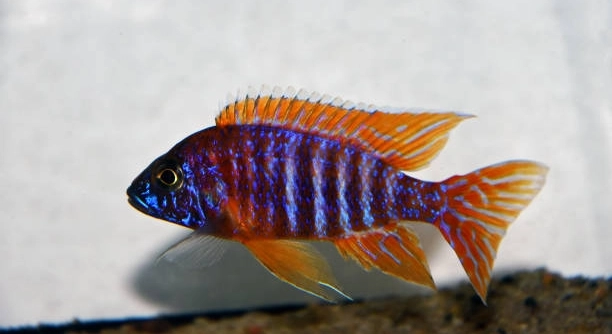
Many aquarium owners enjoy keeping convict cichlids for their vibrant colors and active personalities. Sometimes, these fish display unusual behaviors that can be worrying, such as flipping over unexpectedly in the tank or struggling to maintain balance.
Convict cichlids flipping over is often caused by poor water quality, sudden temperature changes, or underlying health issues. Ensuring stable tank conditions, proper nutrition, and routine observation can prevent this behavior and maintain overall fish well-being.
Identifying the reasons behind flipping behavior helps improve your tank setup and ensures your convict cichlids remain healthy and active in their environment.
Common Causes of Flipping in Convict Cichlids
Convict cichlids can flip over for several reasons, most of which relate to their environment or health. Poor water quality is a frequent cause. High ammonia, nitrite, or nitrate levels stress the fish and affect their buoyancy. Temperature fluctuations also impact their ability to swim steadily. Rapid changes in water temperature can shock their system, leading to erratic behavior. Overfeeding is another factor; too much food can bloat the stomach and make swimming difficult. Infections and parasites can weaken muscles or internal organs, which sometimes results in flipping. Even stress from aggressive tankmates can trigger sudden flips. Observing your fish closely will help identify if the flipping occurs during specific times, such as after feeding or when new fish are added. Keeping the tank clean, stable, and well-monitored is essential to prevent these issues and maintain healthy fish.
Monitoring water quality regularly is key to preventing flipping behavior.
Flipping can also indicate underlying illness. I once noticed my cichlid flipping after a minor parasite infection. Early detection allowed me to treat the tank promptly, adjust water conditions, and isolate the affected fish. Over time, consistent feeding schedules, proper filtration, and stable temperatures improved swimming behavior. Adjusting the environment can prevent stress and reduce the risk of future flipping. Paying attention to subtle changes in movement or appetite often provides early warning signs. Many times, small adjustments in care, such as adding a heater or improving aeration, can make a big difference. Understanding your cichlid’s needs helps maintain health and reduces odd behaviors like flipping, allowing them to swim confidently and interact normally with tankmates.
Preventing Flipping Through Tank Care
Regular tank maintenance directly impacts how your cichlids behave. Keeping water clean and temperatures stable helps them stay active and healthy.
Proper feeding, consistent cleaning routines, and checking water parameters prevent most flipping incidents. Fish thrive in predictable environments.
Creating the right tank setup reduces stress and supports normal swimming patterns. A stable filtration system and regular partial water changes keep water chemistry balanced. Avoid overfeeding by giving small portions that the fish can consume within a few minutes. Providing hiding spaces, like rocks or plants, helps cichlids feel secure and less prone to sudden flips from stress. Observing how new additions interact with existing fish can prevent aggressive encounters that trigger flipping. Lighting and aeration also play a role; too bright or poorly oxygenated water can affect behavior. Consistency in care routines ensures your fish remain healthy and active. Over time, a well-maintained tank minimizes unusual behaviors and supports long-term cichlid wellbeing, making them more confident swimmers.
Observing Behavioral Signs
Flipping often comes with other signs like lethargy, loss of appetite, or hiding. Noticing these early can indicate stress or illness and help prevent further health problems.
Sometimes flipping is linked to stress from tankmates or sudden changes in the environment. I noticed my cichlid flipping more when a new fish was introduced. They became skittish, moved erratically, and occasionally bumped into decorations. Observing swimming patterns and interactions helps identify whether flipping is isolated or part of a larger problem. Adjusting tank conditions, such as adding hiding spots or separating aggressive fish, often reduces these incidents. Consistent observation ensures timely interventions.
Flipping can also signal illness that isn’t immediately obvious. Internal parasites, swim bladder issues, or bacterial infections sometimes cause fish to lose control. Watching for changes in fins, scales, or color helps detect these conditions. Promptly addressing the cause, whether through treatment or tank adjustments, can prevent worsening symptoms. Maintaining good nutrition and clean water supports recovery and reduces the likelihood of flipping. Over time, careful monitoring and intervention help fish regain normal swimming behavior and maintain overall health.
Adjusting Tank Conditions
Water quality and temperature have a direct impact on flipping behavior. Stable conditions prevent unnecessary stress in cichlids.
Proper filtration, regular partial water changes, and monitoring chemical levels help keep the tank balanced. Adding plants or decorations provides hiding spots and reduces aggression. Consistent temperature control ensures the fish swim comfortably. I once adjusted the heater slightly after noticing my cichlid flipping during cold nights. The change stabilized swimming patterns. Oxygenation also plays a role; ensuring proper aeration reduces erratic movements. Tank size matters too—overcrowded spaces increase stress and contribute to flipping. By keeping these factors consistent, flipping incidents decrease significantly.
Swim Bladder Issues
Swim bladder problems are a common reason convict cichlids flip. Overfeeding or gulping air at the surface can cause imbalance, making swimming difficult and erratic.
Temperature fluctuations and poor water quality can worsen swim bladder conditions. I noticed my fish struggled after a sudden drop in temperature, showing signs of floating awkwardly or tipping over repeatedly.
Diet and Feeding Habits
A poor diet can lead to digestive issues that affect swimming. Feeding high-protein foods in excess often causes bloating, which impacts buoyancy. I switched to smaller, more frequent feedings and added fiber-rich vegetables, which helped my cichlid swim normally again. Proper diet supports digestion, energy, and overall health.
Parasites and Infections
Internal parasites or bacterial infections can weaken convict cichlids, causing flipping. Regular observation and prompt treatment are necessary to prevent long-term damage and restore normal swimming behavior.
FAQ
Why is my convict cichlid flipping over suddenly?
Flipping can happen suddenly due to stress, poor water conditions, or illness. I once had my cichlid start flipping after I added a new fish. It was clearly stressed and confused by the sudden change. Stabilizing water parameters and giving it space helped it return to normal swimming.
Can overfeeding cause my cichlid to flip?
Yes, overfeeding can cause bloating, which affects the swim bladder. I used to feed my fish too much once a day. After switching to smaller meals twice a day, the flipping stopped. Proper portion control keeps their digestion healthy and buoyancy stable.
Do tankmates affect flipping behavior?
Aggressive or overly active tankmates can stress convict cichlids, leading to flipping. I noticed that my cichlid flipped frequently when housed with a particularly aggressive fish. Separating them and providing hiding spots reduced stress and stabilized swimming.
Can water temperature cause flipping?
Sudden drops or spikes in water temperature disrupt swimming. I observed my cichlid flipping after I turned off the heater overnight. Keeping the tank at a consistent temperature prevents stress and helps maintain normal swimming patterns.
Is swim bladder disease common in convict cichlids?
Yes, swim bladder issues are fairly common. They can be caused by overfeeding, gulping air, or infections. I had a fish develop a mild swim bladder problem that corrected with smaller meals and slightly warmer water. Ensuring proper diet and stable conditions helps prevent it.
How do I know if my cichlid is sick?
Flipping, lethargy, hiding, or loss of appetite can indicate illness. I noticed my fish flipping and refusing food, which turned out to be a minor bacterial infection. Observing changes in color, fins, or movement helps catch problems early.
Can parasites make my cichlid flip?
Internal parasites can affect buoyancy and swimming. I treated my fish after noticing flipping and mild bloating. Using proper medications and quarantining affected fish prevented spread and restored normal swimming behavior.
Does tank size matter for flipping?
Yes, small or overcrowded tanks increase stress and flipping. I had multiple cichlids in a 20-gallon tank and saw frequent flipping. Moving them to a larger tank with fewer fish reduced stress and improved swimming confidence.
Will flipping resolve on its own?
Sometimes minor flipping due to temporary stress or overfeeding resolves naturally. I waited a day after a minor water change, and my cichlid’s swimming returned to normal. However, persistent flipping usually signals a deeper problem that requires intervention.
How can I prevent flipping long-term?
Consistent water quality, proper feeding, stable temperature, and observing behavior regularly are key. I maintain a schedule for water changes and monitoring, and my cichlids swim confidently without flipping. Providing hiding spaces and avoiding overcrowding also helps keep them stress-free and healthy.
Can diet changes fix flipping caused by bloating?
Yes, switching to high-fiber vegetables and smaller meals can correct buoyancy issues. I added peas and spinach to my fish’s diet, which helped reduce bloating and stabilized swimming. Gradual changes and balanced nutrition prevent future problems.
Is flipping always a sign of illness?
Not always. Temporary flipping can occur due to mild stress or minor water fluctuations. I’ve seen my cichlid flip briefly after a sudden light change, which resolved within hours. Persistent or repeated flipping, however, usually indicates a health or environmental problem that needs attention.
How often should I check my tank to prevent flipping?
Daily observation is ideal. I check water clarity, behavior, and signs of illness each morning. Weekly tests for ammonia, nitrites, nitrates, and pH help maintain stable water conditions and prevent stress-induced flipping. Early detection is key to avoiding serious issues.
Are there medications for flipping caused by infections?
Yes, bacterial or parasitic infections can be treated with aquarium-safe medications. I treated my cichlid after noticing flipping and mild bloating. Following dosage instructions and isolating affected fish ensures safe recovery and prevents further stress in the tank.
Does stress alone cause flipping?
Stress from tankmates, sudden environmental changes, or overcrowding can make cichlids flip. I noticed increased flipping when adding decorations too quickly. Slow adjustments, hiding spots, and peaceful tankmates reduce stress and maintain normal swimming behavior.
Can flipping affect other fish in the tank?
Yes, stressed or sick fish may trigger stress in others, especially in small tanks. I observed one flipping fish causing mild agitation in tankmates. Isolating or treating the flipping fish helped restore calm and normal swimming patterns throughout the tank.
How long does it take for a cichlid to recover from flipping?
Recovery depends on the cause. Minor stress or diet issues may resolve in a few hours, while infections or swim bladder problems may take days. I noticed improvement within a day after adjusting feeding, but full recovery from illness took a week with proper care.
Should I consult a vet for flipping?
If flipping persists or is accompanied by other symptoms, consulting a vet or aquatic specialist is recommended. I sought advice when my cichlid continued flipping despite stable water and diet, which led to proper treatment for a mild infection and full recovery.
Can flipping be prevented with tank plants?
Yes, plants provide hiding spots, reduce stress, and improve oxygenation. I added several live plants, and flipping decreased noticeably. Plants also create natural boundaries, helping fish feel secure and less likely to exhibit erratic swimming behavior.
Does lighting affect flipping?
Sudden changes or overly bright lighting can startle cichlids. I noticed more flipping during long periods of bright overhead lights. Using gradual lighting changes and shaded areas reduces stress and supports stable swimming patterns.
Can flipping happen in healthy cichlids?
Yes, occasional flipping can occur in otherwise healthy fish due to brief disturbances or excitement. I’ve seen a cichlid flip briefly after chasing a reflection. These incidents are usually harmless if water and diet are properly maintained.
How important is quarantine for new fish?
Quarantining new fish prevents introducing diseases or parasites that could cause flipping. I always isolate new cichlids for two weeks before adding them to the main tank, which keeps existing fish healthy and reduces stress-related behaviors like flipping.
Can tank decor cause flipping?
Sharp or unstable decorations may injure fish or create currents that affect swimming. I had a cichlid flip after bumping into a jagged rock. Securing decorations and providing smooth surfaces prevents accidents and reduces flipping incidents.
Does water pH affect flipping?
Yes, improper pH can stress cichlids and affect buoyancy. I keep my tank between 6.5 and 7.5 pH, which has helped stabilize swimming and reduce flipping episodes. Regular monitoring ensures water chemistry remains optimal.
Are there signs that flipping will become serious?
Persistent flipping, loss of appetite, discoloration, or lethargy are warning signs. I noticed my cichlid’s fins clamped and scales dull before the flipping worsened. Immediate intervention, like water changes, diet adjustments, or treatment, can prevent severe health issues.
Can diet supplements help prevent flipping?
Supplements like vitamins or probiotics can improve digestion and immune health. I added small amounts of fish-safe supplements, which supported recovery from bloating and strengthened overall health, reducing the likelihood of flipping from minor digestive issues.
What is the first step if my cichlid starts flipping?
Check water parameters immediately, observe behavior, and reduce stress. I first stabilized temperature and removed aggressive tankmates, which often stopped minor flipping before any further action was needed. Consistent monitoring ensures the problem doesn’t worsen.
Can flipping be seasonal?
Yes, temperature changes or seasonal stressors may trigger flipping. I noticed more flipping during winter when room temperatures dropped at night. Using a reliable heater and monitoring tank conditions year-round keeps swimming behavior stable.
Does tank size or shape influence flipping?
Smaller or shallow tanks can stress cichlids and affect swimming patterns. I upgraded to a larger tank with more depth, which reduced flipping. Adequate space allows free movement and reduces collisions, helping maintain normal buoyancy.
Is flipping more common in younger fish?
Juvenile cichlids may be more prone to flipping due to developing swim bladders or learning to navigate the tank. I observed my young cichlid flip occasionally, which decreased as it grew and became more experienced in swimming and balancing.
How can I safely isolate a flipping fish?
Use a quarantine tank with stable water conditions and minimal stress. I transferred my flipping cichlid carefully using a soft net and maintained proper filtration. Isolation allows treatment and recovery without affecting other fish in the main tank.
Can flipping damage a fish physically?
Yes, repeated flipping may cause injuries if the fish hits decorations or the tank walls. I noticed minor fin damage after frequent flipping episodes. Removing sharp objects and providing smooth hiding areas helps prevent physical harm.
Does aeration help reduce flipping?
Proper aeration maintains oxygen levels and water movement, reducing stress-related flipping. I installed a small air stone, which improved swimming patterns. Steady oxygenation supports muscle function and buoyancy, keeping cichlids active and balanced.
How often should I check for flipping signs?
Daily observation is best. I check behavior during feeding and calm periods. Noticing even minor flipping early allows intervention through diet, water adjustments, or treatment, preventing more serious health issues.
Can tank mates learn from flipping fish?
Aggressive or curious fish may react to flipping, sometimes causing additional stress. I observed mild agitation when one cichlid flipped, which settled after isolating the affected fish. Monitoring interactions ensures a stable, calm tank environment.
Is flipping a sign of long-term issues?
Repeated or persistent flipping usually indicates environmental, dietary, or health problems. I treated underlying causes like water instability and diet issues, which resolved the behavior. Ignoring flipping can lead to more serious illness or stress.
Are there natural remedies to reduce flipping?
Adjusting diet, adding plants, and stabilizing water parameters are natural ways to prevent flipping. I’ve seen improvement by using these methods before needing medication. Maintaining consistent care is the most effective approach for healthy, stable swimming behavior.
Can stress from sudden noises cause flipping?
Yes, loud or sudden noises can startle cichlids and trigger temporary flipping. I noticed my fish flipping when household vibrations shook the tank. Minimizing disturbances around the tank helps reduce stress-induced flipping.
How do I know if flipping is caused by swim bladder disease?
Signs include difficulty maintaining balance, floating sideways, or struggling to swim down. I confirmed swim bladder issues after ruling out water quality and diet. Careful observation and adjustments in feeding and temperature usually help correct it.
Can flipping return after treatment?
Flipping may recur if the cause isn’t fully resolved. I monitored my cichlid after swim bladder treatment and maintained proper water and diet. Consistent care is key to preventing a relapse.
Should I adjust feeding schedules to prevent flipping?
Yes, smaller, more frequent meals reduce bloating and swim bladder stress. I switched from one large meal to two small meals daily, which improved buoyancy and stopped flipping episodes. Regular feeding supports digestion and overall health.
Can tank decorations help stabilize swimming?
Plants, rocks, and caves provide hiding spots and boundaries that reduce stress. I noticed flipping decreased after adding more plants and smooth rocks. Secure decorations allow safe swimming and minimize sudden collisions that may trigger flipping.
How quickly should I act if flipping starts?
Immediate observation and water checks are important. I act as soon as I notice flipping to adjust diet, water, or tankmates. Quick intervention prevents stress from worsening and helps maintain healthy swimming behavior.
Is flipping more common in certain cichlid strains?
Some strains may be more sensitive to environmental changes or prone to swim bladder issues. I observed one strain flipping more often than another under similar conditions, which required slightly stricter monitoring and diet management.
Can frequent water changes prevent flipping?
Yes, partial water changes maintain stable water chemistry, reducing stress and flipping. I follow a weekly schedule, which keeps ammonia, nitrite, and nitrate low. Stable water conditions support buoyancy and overall fish health.
Does flipping indicate pain or discomfort?
Flipping can signal discomfort, especially if combined with clamped fins, lethargy, or loss of appetite. I noticed my fish displaying these signs before treating a mild infection. Observing body language helps detect issues early.
Can flipping affect breeding behavior?
Yes, stressed fish are less likely to breed successfully. I saw reduced spawning activity when my cichlid flipped frequently. Reducing stress and maintaining stable tank conditions encouraged normal behavior and successful breeding.
Are there long-term consequences of ignoring flipping?
Persistent flipping can weaken muscles, increase stress, and lead to illness. I learned early intervention prevents long-term damage and supports normal swimming, digestion, and social behavior. Regular monitoring is essential for long-term fish health.
Can I prevent flipping by maintaining consistent routines?
Yes, consistent feeding, cleaning, and observation routines reduce stress-related flipping. I keep a set schedule, and my cichlids swim confidently. Predictable routines support both physical health and mental well-being, preventing erratic behaviors like flipping.
Does flipping indicate a need for medical treatment?
Not always, but repeated flipping, combined with other symptoms, often requires intervention. I treated my fish only after observing persistent flipping with bloating and loss of appetite. Early treatment ensures recovery and prevents complications.
Can flipping occur in new tanks?
Yes, new tanks can stress fish due to unfamiliar surroundings. I noticed my convict cichlid flipping in a freshly cycled tank. Gradual acclimation, hiding spots, and careful monitoring reduced stress and helped it adjust to the new environment.
How do I distinguish temporary flipping from serious problems?
Brief flipping after feeding, minor stress, or light changes is usually harmless. Persistent flipping, combined with appetite loss, lethargy, or unusual coloration, signals a more serious issue. I always monitor for patterns and act promptly when symptoms persist.
Does flipping affect tank dynamics?
Flipping may trigger stress or aggression among tankmates. I observed minor agitation when one fish flipped repeatedly. Addressing the cause of flipping helps restore calm and normal social behavior in the tank.
Can water hardness influence flipping?
Yes, extreme hardness or softness may stress convict cichlids. I maintain moderate hardness levels, which support swimming and reduce stress-related flipping. Regular testing ensures water conditions remain stable.
Are there signs that flipping is due to diet?
Bloating, floating, or tipping after meals often indicate diet-related issues. I observed my cichlid flip after eating too much dry food. Adjusting portion size and adding fiber-rich foods corrected the problem.
Can lighting schedules prevent flipping?
Consistent light and dark periods reduce stress. I noticed flipping decreased after using a timer for lights, which created predictable day-night cycles. Predictable lighting supports normal behavior and reduces startle responses.
Does flipping occur more in certain tank zones?
Yes, fish often flip near the surface or corners when stressed. I noticed flipping mostly near the top after feeding or when chasing reflections. Providing hiding spots and adjusting tank layout reduced these incidents.
Can flipping cause permanent damage?
Repeated flipping may injure fins, scales, or internal organs. I saw minor fin damage before stabilizing water and adjusting diet. Preventing repeated flipping through proper care avoids lasting harm.
How do I prevent flipping in a community tank?
Separate aggressive species, provide hiding spots, and monitor water quality closely. I noticed fewer flipping incidents when stressors were minimized, and fish had enough space. Proper management ensures peaceful coexistence and stable swimming patterns.
Can flipping indicate swim bladder infection versus stress?
Swim bladder infection usually shows persistent buoyancy issues and possible bloating. Stress-related flipping is often brief and resolves once the environment stabilizes. I distinguished the two by observing duration, frequency, and accompanying signs before deciding on treatment.
Are there signs flipping is due to parasites?
Yes, bloating, weight loss, or lethargy alongside flipping may indicate parasites. I treated my fish after noticing these combined signs, which resolved the flipping. Prompt action prevents the condition from worsening.
Can temperature swings at night cause flipping?
Yes, sudden drops in temperature at night can disorient cichlids. I noticed flipping episodes when room temperature fell sharply. Using a reliable heater maintained consistent warmth and reduced nighttime flipping.
Does flipping indicate oxygen problems?
Low oxygen levels can make swimming difficult, leading to flipping. I added an air stone after noticing occasional flipping, which improved movement and buoyancy. Adequate aeration ensures proper oxygen supply and reduces stress.
Can flipping happen with new water additives?
Yes, chemicals or conditioners may temporarily stress fish. I once observed flipping after adding a water treatment. Following dosage instructions carefully and observing fish helps prevent prolonged flipping episodes.
Are juvenile cichlids more prone to flipping?
Younger fish may flip more due to developing swim bladders. I noticed juveniles flipping occasionally, which decreased as they matured and gained better balance. Monitoring growth and diet helps reduce incidents in young cichlids.
Can flipping be a sign of old age?
Older cichlids may flip more due to weakened muscles or declining health. I observed a senior cichlid occasionally tipping over, which required gentler care, proper nutrition, and stress reduction.
How do I safely treat flipping caused by infection?
Isolate the fish, use appropriate antibiotics or antiparasitic treatments, and maintain clean water. I treated a flipping fish this way, which allowed recovery without spreading illness to other tankmates. Proper dosing and monitoring ensure safe and effective treatment.
Can flipping affect fish appetite?
Yes, stress or illness causing flipping often reduces appetite. I noticed my cichlid refused food during repeated flipping episodes. Adjusting environment and diet restored both swimming behavior and regular feeding habits.
How long should quarantine last for a flipping fish?
Typically two to three weeks, depending on symptoms and treatment. I quarantined my cichlid for this period, which ensured recovery and prevented spreading illness to the main tank. Regular observation during quarantine is essential for tracking improvement.
Does flipping indicate weakness in muscles or bones?
Persistent flipping may reflect muscle fatigue or skeletal issues. I observed minor fin weakness during repeated flips. Strengthening diet and maintaining good water conditions help prevent long-term problems.
Can flipping be caused by sudden light reflections?
Yes, reflections from windows or decorations can startle cichlids. I noticed flipping after sunlight reflected on the tank. Adjusting placement or adding plants to reduce reflections minimized these incidents.
Are certain foods more likely to cause flipping?
Dry pellets can cause bloating if overfed. I added occasional vegetables and soaked pellets before feeding, which helped reduce flipping. Balanced feeding supports digestion and swim bladder health.
How important is observation during feeding?
Final Thoughts
Convict cichlids are active and engaging fish, but flipping behavior can be worrying for anyone caring for them. This behavior is often a sign that something in their environment, diet, or health needs attention. Many times, flipping is linked to water conditions, such as sudden temperature changes or poor water quality. Maintaining a stable tank with regular testing for ammonia, nitrites, and nitrates is essential. I have noticed that even small fluctuations in temperature or chemistry can lead to brief flipping episodes, which usually resolve once conditions stabilize. Providing a consistent environment helps fish feel secure and supports normal swimming behavior over time.
Diet also plays a key role in preventing flipping. Overfeeding or providing foods that are hard to digest can affect the swim bladder, causing buoyancy problems. I learned that dividing meals into smaller portions and adding fiber-rich vegetables, like peas or spinach, helped my cichlids swim normally again. Balanced nutrition ensures proper digestion and overall health, reducing the risk of bloating or swim bladder issues. Avoiding sudden changes in food or overloading the tank with treats also helps maintain stability. Observing how your fish respond to feeding can provide early warning signs if something is wrong, allowing you to make adjustments before the problem escalates.
Stress is another factor that should not be overlooked. Aggressive tankmates, sudden environmental changes, or even reflections and noise can cause flipping. Adding hiding spaces, such as plants or smooth rocks, and keeping a calm, predictable environment greatly reduces stress. I have found that minor adjustments, like rearranging decorations gradually or providing shaded areas, can make a noticeable difference. Quarantining new fish before introducing them to the main tank also prevents stress and the spread of potential illnesses. Paying attention to these small but important details ensures that flipping incidents are minimized, keeping convict cichlids healthy, active, and confident in their swimming. Consistent care and observation are the most effective ways to prevent and address flipping, supporting their long-term well-being.

Hello,
If you enjoy the content that we create, please consider saying a "Thank You!" by leaving a tip.
Every little bit helps us continue crafting quality advice that supports the health, happiness, and well-being of pets around the world, for pets of all shapes, sizes, and species.
We really appreciate the kindness and support that you show us!