
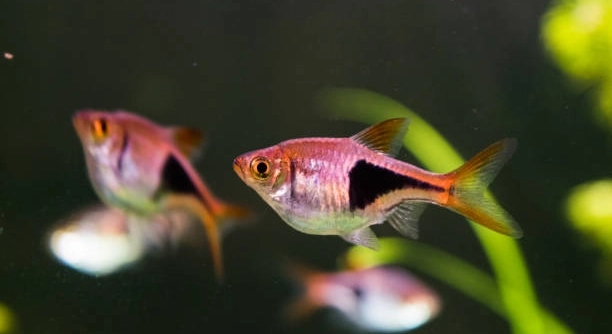
Feeding rasboras can be a simple routine, but sometimes it becomes unexpectedly tricky. Observing them swim around and ignore their food can leave any aquarist puzzled, especially when everything seems normal in the tank environment.
Confusion during rasbora feeding often results from factors such as water quality, lighting conditions, improper diet, overcrowding, sudden environmental changes, stress from tank mates, or irregular feeding schedules. Each factor can alter their feeding behavior, making careful observation essential for proper care.
Recognizing these causes will help you adjust your approach and create a more consistent and stress-free feeding experience for your rasboras.
Water Quality Problems
Poor water quality is one of the main reasons rasboras may hesitate to eat. Even slight changes in pH, ammonia, nitrite, or nitrate levels can affect their appetite. Cloudy or dirty water can also stress them, making them more likely to ignore food. Regular testing and water changes are crucial to keep the tank stable. Temperature fluctuations or inconsistent filtration can further worsen their comfort. I noticed that when my tank’s temperature dropped slightly, my rasboras swam sluggishly and didn’t go near their food. Clean tanks with balanced parameters encourage natural feeding behavior. Maintaining good water quality isn’t just about appearance; it directly affects how active and healthy the fish remain. Observing changes in behavior often signals that water adjustments are needed. Even small improvements in water conditions can quickly restore normal feeding patterns and reduce stress in the tank. Keeping the water consistent and clean ensures a healthier, happier environment for the rasboras to thrive.
Regular water testing and timely water changes are essential for keeping rasboras healthy and encouraging consistent feeding behavior.
Maintaining optimal water quality benefits more than just feeding. Healthy water prevents disease, supports immune function, and enhances coloration. Rasboras are sensitive to their environment, so even minor neglect can create long-term issues. Consistent maintenance creates a stable habitat where they feel safe, reducing stress that can interfere with natural behaviors. Observing water parameters helps identify problems early, ensuring a more balanced and thriving tank. Simple routines like partial water changes, careful monitoring of pH, and using a reliable filter can make feeding times much smoother. Over time, rasboras become more predictable and interactive during feeding, showing the difference that careful water management makes.
Inconsistent Feeding Schedule
Rasboras thrive on routine, and irregular feeding can cause confusion. Feeding at different times or skipping days affects their appetite and behavior.
Establishing a consistent feeding schedule helps rasboras anticipate meals and reduces stress. They respond better when fed small portions at the same time daily. Overfeeding or sudden changes in diet can also create uncertainty, so gradual adjustments are best. Some rasboras may appear shy or avoid food if the schedule is erratic, leading to competition or hiding. Observing their habits during regular feeding times helps identify patterns and ensures all fish get enough nutrition. Preparing food in advance and sticking to the routine supports their natural instincts and encourages a calmer tank environment. Over time, consistent timing promotes predictable behavior and strengthens their response to feeding.
Irregular feeding can cause more than just skipped meals. When rasboras do not know when to expect food, stress levels rise, leading to lethargy or aggression. Inconsistent routines may also interfere with growth, as younger fish require steady nutrition for development. A structured feeding schedule allows the aquarist to monitor intake and notice any changes in appetite quickly. It also prevents overfeeding, which can pollute the tank and create further health problems. By feeding small amounts at the same time every day, the fish learn to associate certain times with meals, improving overall behavior and interaction. Over time, this routine helps stabilize the entire tank ecosystem.
Overcrowding in the Tank
Too many rasboras in one tank can make feeding stressful. Limited space creates competition, and some fish may hide, avoiding food entirely.
Overcrowding increases aggression and stress, which directly affects appetite. Fish that are constantly chased or blocked from food may lose interest in eating altogether. This can lead to uneven growth and weaker immune systems. Providing enough space per fish reduces stress and allows everyone to access food comfortably. Rearranging decorations or adding plants can help create hiding spots and reduce competition, but the overall number of fish still needs to be appropriate for the tank size.
When fish are crowded, even minor issues like slight temperature changes or poor water flow become amplified. Each rasbora needs room to swim and explore without being pushed away during feeding. Overcrowding also increases waste levels, which can deteriorate water quality and further discourage feeding. Observing interactions during feeding times can reveal which fish are struggling to get food. Adjusting the population or tank layout often restores a calmer environment where all rasboras can eat without constant stress or conflict.
Sudden Environmental Changes
Rasboras react strongly to sudden changes in their tank. Rearranging decorations, moving the tank, or altering lighting can confuse them and reduce feeding interest.
Even small changes in the environment can trigger stress responses. Fish may hide, swim erratically, or refuse food entirely after water parameter shifts, temperature changes, or adding new tank mates. Consistency is key; gradual adjustments help rasboras adapt without losing appetite. Avoid abrupt moves or sudden water changes, and introduce new elements slowly to prevent shock. A stable environment ensures they feel safe and confident during feeding.
Environmental stress can also affect long-term health. Frequent or drastic changes make rasboras more susceptible to illness and reduce growth rates. They rely on familiar surroundings to establish routines and social hierarchies. For example, adding plants or decorations in stages rather than all at once allows fish to explore and adjust naturally. Temperature fluctuations or sudden light changes can cause them to hide for extended periods, delaying feeding. Gradual adaptation helps maintain a calm, predictable environment where rasboras remain active, healthy, and interested in food.
Stress from Tank Mates
Aggressive or overly active tank mates can make rasboras nervous and hesitant to eat. Constant chasing or sudden movements often keep them in hiding, reducing feeding opportunities.
Even calm fish can create stress if they dominate the feeding area. Rasboras need space and peace to approach food confidently. Stress from tank mates often results in uneven feeding, where some fish get enough while others are left behind. Providing a compatible mix of species and observing interactions during meals helps ensure all rasboras eat without fear. Over time, minimizing stress promotes healthier, more consistent feeding behavior.
Improper Diet
Rasboras may ignore food if it doesn’t meet their nutritional needs or is unsuitable for their size. Flakes, pellets, or live foods that are too large or low-quality can discourage eating. Variety and appropriate portion sizes are important to maintain appetite and overall health.
Lighting Conditions
Bright or harsh lighting can make rasboras uncomfortable during feeding. Soft, consistent lighting encourages natural behavior and reduces hesitation to approach food.
FAQ
Why do my rasboras suddenly stop eating?
Sudden changes in water parameters, temperature, or lighting are the most common reasons. Even small fluctuations can stress them and make them hesitant to eat. Overcrowding, aggressive tank mates, or improper diet may also cause a temporary refusal of food. Observing their behavior and environment usually reveals the problem.
How often should I feed my rasboras?
Rasboras thrive on small, consistent meals. Feeding them once or twice a day in amounts they can consume within a few minutes works best. Overfeeding can pollute the tank and lead to obesity, while underfeeding can slow growth and weaken immune systems. Stick to a routine to reduce confusion.
Can water temperature affect feeding?
Yes. Rasboras are sensitive to temperature changes. Water that is too cold slows metabolism, while water that is too warm can increase stress. Keeping the temperature stable within the species’ recommended range ensures they remain active and interested in food.
What type of food is best for rasboras?
A mix of high-quality flakes, small pellets, and live or frozen foods works well. Variety helps provide complete nutrition and keeps them engaged during feeding. Avoid oversized pellets that are difficult to swallow and low-quality foods that lack essential nutrients.
Why do some rasboras eat while others ignore food?
Social hierarchy, stress, or personality differences can affect feeding behavior. Shy or weaker fish may be intimidated by more aggressive eaters. Providing multiple feeding spots and smaller portions in different areas allows all fish to access food without competition.
How can I reduce stress during feeding?
Keep the tank environment stable, provide hiding spots, and ensure compatible tank mates. Feeding in calm conditions, avoiding sudden movements, and maintaining consistent water quality and temperature helps rasboras feel safe and confident when approaching food.
What signs indicate feeding-related stress?
Hiding, erratic swimming, refusal of food, or loss of color are common signs. Long-term stress can lead to reduced immunity, slower growth, and increased susceptibility to disease. Monitoring these behaviors helps identify and correct issues quickly.
Can changing tank decorations affect feeding?
Yes. Rasboras are sensitive to environmental changes. Rearranging plants, rocks, or decorations suddenly can confuse them and make them hesitant to eat. Gradual adjustments allow them to acclimate while keeping feeding behavior consistent.
Is it normal for rasboras to nibble at food slowly?
Some species and individuals naturally eat more slowly. As long as they are active and healthy, slow feeding is not a problem. Providing small portions encourages steady consumption without overloading them, ensuring nutrition is absorbed properly.
How do I encourage picky rasboras to eat?
Introduce a variety of foods gradually, including live or frozen options. Offer meals at consistent times and reduce stressors in the tank. Observing feeding patterns and adjusting portions or types of food over time helps picky fish become more confident eaters.
What should I do if feeding issues persist?
Check water quality, temperature, diet, and tank dynamics first. Isolate or treat any sick fish and maintain a consistent schedule. Persistent refusal may require consulting an aquarist or veterinarian to rule out disease or other underlying health problems.
Can lighting changes influence feeding habits?
Yes. Bright or fluctuating lighting can make rasboras anxious. Consistent, soft lighting encourages natural behavior and improves appetite. Adjusting the light gradually during feeding times can help hesitant fish become more comfortable approaching food.
Are live foods necessary for rasboras?
Not always, but they are beneficial. Live foods stimulate natural hunting behavior and provide additional nutrition. Including them occasionally complements flakes or pellets and can encourage more consistent feeding in shy or picky individuals.
How do I prevent overfeeding in a community tank?
Feed small portions multiple times rather than one large meal. Distribute food in different areas to ensure all fish get access. Remove uneaten food promptly to maintain water quality and prevent aggressive competition that can stress the rasboras.
Why do some rasboras eat more at night?
Some species exhibit crepuscular behavior, feeding actively during low light. Observing their natural patterns helps adjust feeding times to match their habits. Offering food in dim lighting can encourage reluctant eaters to participate without stress from brighter conditions.
Can stress from tank moves affect feeding long-term?
Yes. Relocation or sudden changes in the tank can cause extended feeding hesitation. Maintaining a stable environment, gradual acclimation, and careful observation are essential to restore normal appetite and behavior over time.
What is the best way to monitor feeding efficiency?
Watch how quickly and evenly the fish consume food. Note which individuals are not eating and adjust feeding spots or portions. Regular observation helps identify problems early, ensuring all rasboras remain healthy and receive adequate nutrition.
How do seasonal changes impact feeding?
Fluctuations in room temperature or natural lighting can affect metabolism and appetite. Adjust feeding schedules and tank conditions gradually to maintain consistent behavior. Monitoring water temperature and light exposure helps reduce stress during seasonal transitions.
Can tank size influence feeding behavior?
Yes. Smaller tanks increase competition and stress, while larger tanks provide more space and reduce aggression. Adequate swimming and feeding space ensure all rasboras have access to food without intimidation, promoting a calmer, healthier environment.
How long should I wait to see improvement after correcting feeding issues?
Changes in behavior may appear within a few days, but full recovery can take weeks depending on the cause. Consistency in water quality, diet, and environment is key. Patience and observation ensure long-term improvement in feeding habits and overall health.
Final Thoughts
Feeding rasboras may seem straightforward, but several small factors can interfere with their behavior. Water quality, tank size, diet, and environmental stability all play important roles in whether the fish eat normally. Even minor changes, like adjusting lighting or rearranging decorations, can make them hesitant. Over time, these small stresses can add up and affect their overall health. I have noticed that when I maintained a calm, consistent environment, my rasboras were much more active and willing to eat. Regular observation and attention to detail make a noticeable difference in their behavior and wellbeing.
Creating a stable feeding routine is one of the most effective ways to reduce confusion. Rasboras respond well to consistency, so feeding at the same times every day helps them anticipate meals. Small, frequent portions are usually better than a single large feeding, as this prevents competition and ensures that all fish get access to food. Variety in diet also encourages consistent feeding, combining flakes, small pellets, and occasional live or frozen foods. Introducing new foods gradually helps the fish accept them without stress. Maintaining a calm and predictable environment during feeding allows the fish to focus on eating rather than hiding or competing. Over time, these small steps create a healthier, more confident group of rasboras.
It is also important to pay attention to tank dynamics and behavior. Stress from aggressive tank mates, overcrowding, or sudden environmental changes can disrupt feeding for days or even weeks. Providing hiding spots and monitoring interactions during meals helps reduce stress and ensures all fish have a chance to eat. Observing subtle signs like hesitation, refusal of food, or changes in swimming patterns allows aquarists to address issues before they affect long-term health. Feeding rasboras successfully requires patience, attention, and a willingness to adjust based on their needs. By focusing on consistency, environment, and diet, it is possible to create a calm and thriving tank where rasboras feed reliably and remain healthy over time.

Hello,
If you enjoy the content that we create, please consider saying a "Thank You!" by leaving a tip.
Every little bit helps us continue crafting quality advice that supports the health, happiness, and well-being of pets around the world, for pets of all shapes, sizes, and species.
We really appreciate the kindness and support that you show us!