
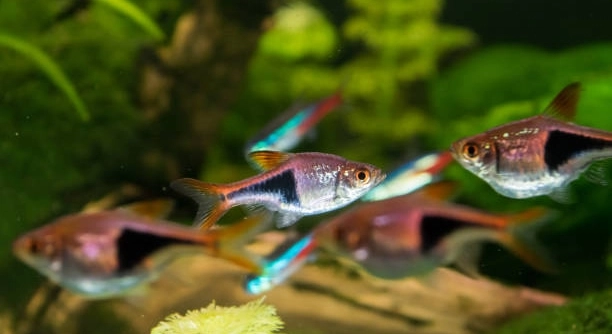
Rasboras are known for graceful movement, and their schooling behavior reflects comfort and health within the aquarium. Observing how they group, swim, and respond to surroundings helps aquarists recognize balance, safety, and proper care standards.
Well-schooled rasboras swim in coordinated groups, maintain consistent spacing, and display calm, synchronized movement. This behavior indicates low stress, adequate group size, stable water conditions, and sufficient environmental enrichment, all of which support natural social structure and long-term health outcomes.
Recognizing these visual patterns allows keepers to improve tank conditions, strengthen group harmony, and promote healthier, more confident rasboras overall.
Visual Signs of Strong Schooling
Healthy rasboras swim together in a loose but unified formation, moving smoothly across the tank without panic. I often notice them adjusting direction as one group, pausing briefly, then continuing calmly. This shared movement shows comfort, trust, and awareness among fish. When schooling is strong, individuals rarely break away for long. They remain engaged with the group while exploring plants and open water. Consistent spacing is another clear sign. Fish neither crowd tightly nor scatter widely. Instead, they maintain a steady distance that feels balanced. This behavior reflects stable water conditions, proper tank size, and enough companions. Over time, this pattern becomes easy to recognize and reassuring to observe. Such visual consistency helps aquarists feel confident that daily care routines are meeting the species social needs and reducing unnecessary stress within aquariums that prioritize stability, gentle flow, and predictable lighting schedules throughout the day without sudden disruptions or changes present.
When schooling weakens, signs appear quickly. Fish may hide, dart suddenly, or isolate themselves. I have learned these shifts often reflect stress from overcrowding, poor water quality, or insufficient group numbers, requiring calm observation and timely adjustments to restore balance and security within the tank environment as soon as possible.
Schooling behavior also changes during feeding and resting periods. Rasboras that school well approach food together, spreading evenly instead of competing aggressively. After feeding, they regroup naturally and resume calm swimming. At rest, they remain visible and loosely clustered rather than hiding constantly. I find this pattern especially helpful when assessing tank harmony. It suggests that resources are adequate and stress levels remain controlled. Over time, consistent behavior across different daily activities confirms that the environment supports natural instincts without forcing defensive responses or erratic movement from the fish under stable long-term care conditions maintained consistently by attentive keepers daily.
Factors That Influence Schooling Quality
Tank conditions play a direct role in schooling strength. Group size, layout, lighting, and water parameters influence how secure rasboras feel. I always consider these elements together, since even small imbalances can disrupt group cohesion and affect daily swimming patterns within enclosed aquarium spaces over extended periods of time overall.
Rasboras require stable conditions to maintain consistent schooling behavior. Adequate group size is essential, as small numbers increase anxiety and reduce coordination. I prefer keeping larger groups because they promote confidence and smoother movement. Tank layout also matters. Open swimming areas combined with planted zones allow fish to stay together while feeling protected. Water quality must remain steady, including temperature, hardness, and cleanliness. Sudden changes often lead to scattered swimming or hiding. Lighting should be moderate and predictable, avoiding harsh brightness or irregular schedules. Gentle water flow supports natural movement without forcing constant resistance. Feeding routines contribute as well. Regular timing and appropriate portions reduce competition and tension. When these factors align, rasboras settle into a calm rhythm. Their schooling becomes relaxed, steady, and visually unified. This balance reflects thoughtful care and long-term stability rather than short-term corrections. I have seen improvements simply by maintaining consistency and avoiding unnecessary adjustments. Observation over several days helps confirm whether changes are beneficial. Patience supports lasting results and reinforces natural group behavior within community tanks designed for long-term success and visual harmony rather than constant experimentation that disrupts established routines and increases stress levels for sensitive schooling fish like rasboras overall in aquariums.
Common Signs of Poor Schooling
Rasboras that are not schooling well often appear scattered, restless, or withdrawn. I usually notice frequent hiding, sudden darting, or individuals lingering alone near corners. These behaviors suggest discomfort, heightened stress, or environmental imbalance that prevents the group from forming stable, coordinated movement within the aquarium over time consistently observed.
Poor schooling often develops gradually as conditions decline. I have seen rasboras lose cohesion when water quality slips, lighting becomes inconsistent, or tank mates create pressure. Instead of moving together, fish react individually to stimuli. This leads to uneven swimming speeds and erratic direction changes. Feeding times may become chaotic, with fish rushing food rather than approaching calmly as a group. Over time, this pattern increases exhaustion and limits natural interaction. Without correction, the group structure weakens further, making recovery slower and requiring more careful adjustments to restore predictable movement and shared space usage across the aquarium environment long term.
External stressors commonly interfere with schooling stability. Sudden noise, rapid maintenance, or frequent decor changes can disrupt established patterns. I try to limit these interruptions because rasboras rely on routine. Tank size also matters. Confined space reduces escape options and encourages separation. In mixed tanks, incompatible species may cause constant alertness, preventing relaxed grouping. Even subtle factors, such as strong current or reflective glass, can alter movement choices. Addressing these influences methodically helps schooling return naturally. Small, consistent improvements usually produce better results than large, abrupt modifications over extended periods of attentive observation and careful environmental control by keepers consistently.
Steps to Improve Schooling Behavior
Improving schooling starts with stabilizing core conditions. I focus first on water quality, ensuring parameters remain steady. Increasing group size often brings immediate improvement. Providing open swimming space balanced with plants helps fish regroup naturally. Lighting should follow a regular schedule. I avoid frequent rearranging, allowing rasboras time to rebuild confidence and reestablish shared movement patterns without added disruption through calm, predictable daily care routines that reduce stress signals and support social balance long term.
Observation plays a key role in correcting schooling issues. I spend time watching how rasboras respond throughout the day rather than reacting instantly. Changes should be introduced gradually and measured over several days. Adjust one factor at a time, such as flow strength or feeding placement. This makes responses easier to interpret. Consistent feeding locations encourage group gathering and reinforce calm interaction. Maintaining a predictable environment builds trust within the school. Over time, movement becomes smoother and spacing evens out. This process requires patience, but steady care often restores natural coordination without excessive intervention or constant modification while allowing fish to adapt comfortably at their own pace under stable long term aquarium conditions maintained through attentive, consistent husbandry practices by experienced, patient keepers over time.
Natural Variations in Schooling Patterns
Schooling can vary slightly between rasbora species and individual groups. I have noticed some stay tighter, while others spread more. This does not always indicate a problem. The key is consistency, calm movement, and shared direction during most daily activities within stable aquarium conditions over time for healthy social balance.
Age and experience also affect schooling behavior. Younger rasboras may hesitate or explore independently before settling. I usually see improvement as they mature and feel secure. Given stable care, most groups develop stronger coordination without intervention over time, especially when routines remain predictable and tank conditions stay balanced long term.
The Role of Tank Mates
Tank mates influence how confidently rasboras school. I avoid pairing them with aggressive or overly active species. Calm companions reduce alert behavior and allow shared movement. Even non-aggressive fish that move quickly can disrupt schooling by forcing constant adjustments. I have found that peaceful species with similar size and temperament work best. When compatibility is right, rasboras spend less time hiding and more time swimming together. This stability supports natural spacing and smooth direction changes. Over time, compatible tank mates help reinforce calm behavior, predictable feeding responses, and relaxed group interaction across the aquarium environment over extended care periods consistently.
Lighting and Water Flow Effects
Lighting and flow shape daily movement patterns. I keep lighting moderate and consistent. Excessive brightness or strong current often causes separation. Gentle flow supports steady swimming. When these elements are balanced, rasboras maintain cohesion without constant effort or visible stress responses during extended observation periods in well maintained aquariums overall.
FAQ
How many rasboras should I keep together to ensure proper schooling?
I generally recommend keeping at least six rasboras of the same species. Smaller numbers often lead to scattered swimming and stress. Larger groups improve coordination, confidence, and overall health. Maintaining an odd number can also reduce aggressive tendencies and encourage natural movement throughout the tank without crowding.
What signs indicate my rasboras are stressed and not schooling properly?
Stressed rasboras may hide frequently, dart suddenly, or remain isolated. I notice uneven spacing and erratic swimming patterns. Sudden changes during feeding or resting periods are also key indicators. Observing daily behavior helps catch these issues early before stress affects their long-term health.
Can tank decorations affect schooling behavior?
Yes, decorations impact how rasboras move. I avoid excessive clutter that blocks open swimming paths. Plants and rocks should create balance—enough cover for security without forcing separation. Proper layout allows coordinated movement while providing protection when needed, supporting consistent schooling patterns naturally over time.
Does water quality influence schooling?
Absolutely. Stable water parameters are critical. I regularly check temperature, hardness, pH, and ammonia levels. Sudden changes cause scattering and reduced cohesion. Clean, consistent water supports calm behavior and reinforces the natural tendency of rasboras to swim together safely in a predictable environment.
How does tank size affect schooling?
Tank size directly impacts cohesion. I find small tanks cause crowding, increasing stress and erratic swimming. A tank with sufficient open space allows fish to maintain proper spacing and move fluidly as a group. Adequate volume supports natural coordination without forcing separation or unnecessary hiding.
What role does feeding play in schooling behavior?
Feeding routines influence group movement. I provide food in predictable locations and amounts. This encourages collective swimming toward food without aggressive competition. When feeding is irregular, rasboras may scatter, creating tension and reducing natural coordination. Consistency builds confidence and reinforces group cohesion during daily activities.
Do lighting and water flow matter for schooling?
Yes, both are important. I maintain moderate, consistent lighting to reduce stress. Strong currents can scatter the group, while gentle flow encourages steady swimming. Balanced lighting and flow create a stable environment, allowing rasboras to swim together naturally, supporting healthy long-term behavior and coordination.
Can mixed-species tanks affect schooling?
Tank mates can disrupt or support schooling. I choose peaceful species with similar size and temperament. Aggressive or overly active fish cause stress, scattering, or hiding. Compatible companions encourage calm interaction and reinforce group cohesion, helping rasboras maintain stable spacing and synchronized movement over time.
How long does it take for rasboras to form a proper school?
It varies, but I usually see improvement within a few days to weeks once conditions stabilize. Young or newly introduced fish take longer to adjust. Maintaining consistency in water quality, tank layout, and feeding routines accelerates the process and strengthens natural schooling behavior reliably.
What should I do if schooling does not improve?
First, I check water quality, tank size, and group numbers. Adjusting these factors gradually usually restores cohesion. Observing behavior helps identify stressors like incompatible tank mates or strong currents. Patience is key—slow, consistent changes often produce better long-term results than rapid, disruptive interventions.
Can I encourage better schooling with tank modifications?
Yes. I use open swimming areas combined with plants or gentle structures. These provide security without limiting movement. Rearranging carefully can redirect group flow, improve coordination, and restore balance. Small, thoughtful adjustments support confident swimming and natural schooling without causing additional stress.
Are there species differences in schooling behavior?
Yes, some rasboras form tighter groups, while others are more relaxed. I observe each species carefully. Consistency in daily routines and environment helps all types develop cohesive schools over time, even if natural spacing varies slightly. Recognizing species tendencies allows better care and healthier group interactions in shared aquariums.
How do I monitor schooling effectively?
I watch daily swimming patterns, spacing, and group direction. Feeding response and resting behavior provide additional insight. Recording observations over several days helps identify trends and detect early stress signs. Consistent monitoring ensures rasboras remain coordinated and supports proactive adjustments to maintain healthy schooling behavior.
Can stress from outside the tank affect schooling?
Yes. Noise, sudden movements, or frequent maintenance can disrupt schooling. I minimize these interruptions, providing a calm, stable environment. Predictable routines and gentle handling reinforce confidence, allowing rasboras to swim together naturally and maintain steady coordination even during minor external disturbances.
What is the best way to introduce new rasboras to an existing school?
I acclimate new fish slowly, keeping them in a separate container within the tank initially. Gradually releasing them allows the established group to adjust without panic. Proper introduction prevents scattering and reduces stress, helping both new and existing rasboras form a cohesive, stable school efficiently.
How do seasonal changes or lighting cycles affect schooling?
I maintain consistent lighting and temperature schedules to minimize disruption. Sudden changes in day length or brightness can alter movement patterns. Gradual adjustments help fish adapt naturally. Consistency supports smooth, synchronized swimming and prevents temporary scattering or stress responses during environmental transitions over time.
Are there behavioral exercises to improve schooling?
I focus on predictable feeding and gentle observation rather than artificial exercises. Consistency, calm handling, and stable conditions encourage natural coordination. Over time, these simple strategies strengthen cohesion, spacing, and confidence, allowing rasboras to exhibit healthy schooling without forced interventions or added stress.
Can overcrowding affect schooling permanently?
Overcrowding increases stress, reduces space for coordinated movement, and can lead to long-term anxiety. I maintain adequate group size relative to tank volume. Proper population management allows natural schooling behavior to persist, preventing chronic disruption of group cohesion and ensuring fish remain calm and synchronized daily.
How important is patience in restoring schooling?
Patience is critical. I rarely see immediate results. Gradual adjustments in water quality, tank layout, or group composition support long-term improvement. Observing behavior over days or weeks ensures interventions are effective, allowing rasboras to rebuild confidence and establish stable, coordinated swimming patterns without unnecessary stress or rushed changes.
What environmental cues help rasboras maintain schooling?
Open swimming space, consistent lighting, gentle flow, and predictable feeding act as cues. I notice fish respond to these reliably, forming smooth schools. When cues are stable, rasboras exhibit natural cohesion, spacing, and coordinated movement, demonstrating that calm, consistent care directly supports strong social behavior in aquarium environments over time.
Is schooling behavior linked to health?
Yes. I observe that well-schooling rasboras are generally active, eat well, and display bright coloration. Weak or scattered schooling often coincides with illness, stress, or poor water conditions. Monitoring schooling provides a practical indicator of overall health, allowing early intervention to maintain both social behavior and physical well-being reliably.
How often should I reassess schooling behavior?
Daily observation works best. I watch morning and evening patterns, feeding response, and resting periods. Tracking these trends over time helps identify subtle changes early. Frequent reassessment ensures conditions remain supportive, interventions are timely, and rasboras maintain consistent, healthy schooling behavior under long-term care routines in a stable tank environment.
Final Thoughts
Maintaining well-schooling rasboras requires consistent attention to several key factors. Group size, tank layout, water quality, lighting, and compatible tank mates all influence how confidently fish swim together. I have found that keeping at least six individuals of the same species provides the stability necessary for natural schooling. Smaller groups tend to scatter or exhibit stress behaviors, while larger groups promote smoother movement and shared direction. Open swimming areas combined with planted or structured zones allow fish to move freely while still feeling secure. Gentle water flow encourages steady swimming without forcing constant adjustments. By focusing on these basic requirements, it becomes easier to observe natural, coordinated behavior, which is a reliable indicator of comfort and health within the aquarium over time. Consistency in these areas not only supports daily schooling patterns but also contributes to long-term stability and overall well-being for the group.
Observation is another essential component of maintaining healthy schooling behavior. Watching daily interactions helps identify early signs of stress, such as darting, hiding, or erratic swimming. I personally monitor how fish respond during feeding, resting, and general swimming throughout the day. Sudden changes in behavior often indicate issues with water quality, lighting, or tank dynamics. Maintaining predictable feeding routines, stable water parameters, and consistent lighting schedules reduces anxiety and encourages fish to stay together naturally. Even small adjustments, like rearranging decorations or adding gentle flow, can support group cohesion when applied thoughtfully. Over time, observing patterns allows aquarists to make informed decisions that strengthen the school, helping fish develop confidence and coordination without unnecessary stress. Patience and careful monitoring are crucial because rasboras adjust gradually, and abrupt changes can undermine the progress achieved in maintaining a stable, harmonious group.
Finally, the overall approach to schooling emphasizes balance and long-term care rather than quick fixes. I have learned that creating a calm, predictable environment with compatible companions fosters natural behavior more effectively than frequent changes or attempts to force schooling. Even variations between species and individual fish can be accommodated when core needs are met consistently. By prioritizing stability, appropriate group size, and thoughtful tank design, rasboras can develop reliable, cohesive schooling over time. This behavior reflects not just social comfort but also physical health, feeding efficiency, and reduced stress. Attentive observation, combined with steady, gradual improvements to conditions, allows aquarists to maintain confident, coordinated schools that enhance both the fish’s quality of life and the visual harmony of the aquarium. Focusing on these foundational elements ensures that rasboras thrive, swim together naturally, and remain a stable, healthy, and engaging presence in any home aquarium over the long term.

Hello,
If you enjoy the content that we create, please consider saying a "Thank You!" by leaving a tip.
Every little bit helps us continue crafting quality advice that supports the health, happiness, and well-being of pets around the world, for pets of all shapes, sizes, and species.
We really appreciate the kindness and support that you show us!