
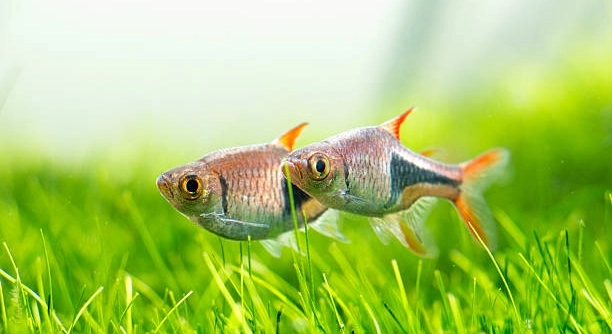
Rasboras are calm schooling fish, and changes in their breathing can worry attentive keepers. Faster gill movement often signals something shifting within the aquarium, from water quality to daily stressors that quietly affect their comfort.
Accelerated respiration in rasboras is most commonly caused by reduced dissolved oxygen, elevated ammonia or nitrite levels, inappropriate temperature, or sudden environmental stress. These factors impair efficient gas exchange at the gills, resulting in compensatory increases in breathing rate activity.
Learning how water conditions, tank setup, and routine care influence respiration helps protect rasboras and maintain a stable, healthy aquarium.
Water Quality and Oxygen Levels
Fast breathing in rasboras often links back to water quality and oxygen availability. I have learned that even clear water can hide problems. Low oxygen levels force fish to move their gills faster to meet basic needs. This commonly happens in crowded tanks, poorly circulated setups, or aquariums with heavy waste buildup. Ammonia and nitrite also irritate delicate gill tissue, reducing efficient oxygen transfer. When this happens, rasboras compensate by breathing harder and more often. Overfeeding, infrequent water changes, and clogged filters quietly contribute to these conditions. Plants can help during daylight hours, but they also consume oxygen at night. Balanced filtration, steady maintenance, and reasonable stocking levels create water that supports calm, even breathing patterns. Regular testing and observation make it easier to notice subtle shifts before fish show visible stress. These small habits have consistently improved stability in my own tanks over long periods of care routines overall.
Oxygen stress often appears before other symptoms. Rasboras may gather near the surface or filter outlets. Their color can fade slightly, and activity drops. These signs usually develop gradually, giving attentive keepers time to respond calmly. Consistent routines make these changes easier to notice early during daily checks and maintenance.
Maintaining healthy oxygen levels starts with simple adjustments. Gentle water movement helps distribute oxygen evenly without stressing small fish. Regular partial water changes dilute waste and refresh mineral balance. Feeding smaller portions reduces excess debris settling in the substrate. Cleaning filter media in tank water preserves beneficial bacteria. Monitoring ammonia, nitrite, and nitrate provides early insight into unseen issues. I aim for stability rather than perfection, keeping conditions consistent day to day. When the tank remains clean and well circulated, rasboras breathe at a steady pace and display relaxed schooling behavior. This approach has worked reliably for me over time.
Temperature and Environmental Stress
Temperature changes strongly influence breathing rate in rasboras. Warmer water holds less oxygen, forcing faster respiration. Sudden heater adjustments or seasonal room shifts can raise stress levels. Even small fluctuations may trigger noticeable gill movement in sensitive fish over short periods of time within enclosed home aquariums without warning sometimes.
Rasboras thrive in stable, moderately warm water, and consistency matters more than chasing exact numbers. Rapid temperature increases speed up metabolism, increasing oxygen demand while reducing supply. Cooler temperatures can also stress fish when changes happen too quickly. I have found that gradual heater adjustments prevent most problems. Placing tanks away from windows and vents helps limit daily swings. Stress from aggressive tankmates, loud environments, or frequent handling can further elevate breathing rate. Transport, tank cleaning, and sudden lighting changes add to this pressure. Providing hiding spaces with plants or decor allows rasboras to rest and feel secure. Keeping a predictable routine helps them settle. When temperature and surroundings remain steady, breathing normalizes, colors return, and behavior becomes smooth and coordinated across the school. Using a reliable thermometer offers reassurance during seasonal changes. Heaters should be sized correctly and checked often for accuracy. I prefer small adjustments spread across several days. Calm conditions support immune function and reduce long term strain. Over time, these practices create an environment where rasboras maintain steady breathing and display natural, confident movement. Consistency reduces stress signals that often go unnoticed by keepers until breathing patterns clearly change in shared aquarium spaces over time again.
Tank Maintenance and Feeding Habits
Inconsistent maintenance and feeding habits often raise breathing rates in rasboras. Excess food breaks down into waste, lowering oxygen and irritating gills. Skipped water changes allow toxins to build quietly. These issues develop slowly, making them easy to overlook in otherwise clear looking aquariums over time without obvious warning signs.
I noticed that regular schedules matter more than large cleanings. Small weekly water changes help stabilize oxygen and waste levels. Overfeeding once or twice a day creates more harm than skipping meals occasionally. Rasboras need modest portions that disappear quickly. Leftover food settles into gravel and releases ammonia. Rinsing filter media gently preserves beneficial bacteria. Neglecting these basics strains gill function. When I returned to consistent routines, breathing slowed and schooling behavior improved. Stability, not intensity, supports healthy respiration in closed aquarium systems. This approach reduces long term stress and visible breathing changes for small schooling fish in captivity settings.
Feeding restraint pairs closely with observation. I watch how rasboras respond after meals and during rest periods. Rapid breathing shortly after feeding often signals excess food or poor circulation. Adjusting portions corrected this in my tank. Maintenance becomes easier when problems are addressed early. A clean substrate and stable filter flow reduce stress. These steps prevent waste buildup before it impacts oxygen exchange. Over time, rasboras settle into steady rhythms. Their calm movement reflects balanced care rather than constant intervention. This consistency supports long term health and predictable breathing patterns in small community aquariums kept at home by careful owners.
Illness and Gill Irritation
Persistent fast breathing can also indicate illness or gill irritation. Parasites, bacterial infections, and poor water chemistry damage sensitive tissues. Rasboras may breathe unevenly or isolate themselves. External signs are subtle at first. Without prompt correction, oxygen uptake declines, increasing effort with every breath and gradually weakening the fish over time. Stress compounds these effects and delays recovery if conditions remain unstable for extended periods in captivity without proper care and close monitoring by keepers.
When illness is suspected, testing water parameters should come first. Many breathing issues resolve once ammonia, nitrite, and temperature are corrected. If symptoms persist, isolation in a hospital tank helps reduce stress. Gentle aeration supports oxygen intake while treatment begins. I avoid medicating the main tank unless necessary. Observing gill movement, appetite, and posture provides clues to progress. Treatments should follow clear diagnosis, not guesswork. Overmedication creates additional strain. Clean water remains the strongest support during recovery. With patience and steady care, rasboras often regain normal breathing and rejoin their group without lasting effects. Early action limits spread and prevents secondary infections from developing that compromise gill tissue and overall stamina during prolonged stress periods in small home aquariums with limited water volume and circulation.
Tank Mates and Social Stress
Stress from tank mates often increases breathing rates in rasboras. Chasing, fin nipping, or overcrowding keeps them alert and tense. Constant movement raises oxygen demand. Even peaceful species can create pressure when space is limited or hiding areas are missing. This ongoing tension affects daily behavior and overall health levels.
I learned that mixing rasboras with larger or faster fish causes constant stress. They hover near corners and breathe rapidly. Providing more swimming room, visual breaks, and compatible tank mates allows them to relax and return to steady breathing patterns within a short period once conditions remain stable over time.
Environmental Stimulation and Routine
Lighting, noise, and sudden movement around the aquarium can influence breathing. Rasboras react quickly to changes in their surroundings. Bright lights left on too long disrupt rest cycles. Loud sounds or frequent tapping trigger alert responses. I noticed calmer breathing after setting a consistent light schedule and reducing activity near the tank. Soft transitions between day and night help them adjust. Background stability matters more than stimulation. When the environment feels predictable, rasboras conserve energy. This steadiness supports normal respiration and encourages relaxed schooling behavior throughout the day over long periods without sudden disruptions or unnecessary disturbances in home aquariums.
When to Seek Extra Help
Chronic fast breathing should never be ignored. When adjustments fail, professional guidance may be needed. Consulting aquatic veterinarians or experienced specialists helps rule out hidden issues. Early intervention prevents lasting damage and supports recovery. Careful observation remains the most reliable tool for protecting rasboras in small home aquarium settings today.
FAQ
Why is my rasbora breathing so fast even though the water looks fine?
Rasboras are very sensitive to subtle changes in their environment. Even if the water seems clean, small shifts in temperature, pH, or oxygen levels can stress them. Rapid gill movement is often their way of coping with lower oxygen availability. Checking water parameters regularly is important.
Can overfeeding cause fast breathing in rasboras?
Yes, overfeeding can reduce water quality by increasing waste, which lowers oxygen levels. Uneaten food decomposes, producing ammonia and other compounds that stress fish. Feeding smaller amounts more frequently helps maintain cleaner water and healthier breathing patterns.
Does tank size affect their breathing rate?
A small or overcrowded tank can lead to oxygen depletion, making rasboras breathe faster. Adequate swimming space and proper filtration improve oxygen circulation. Maintaining a proper fish-to-tank ratio prevents stress and helps them stay calm.
Can temperature changes cause faster gill movement?
Rasboras are cold-blooded, so temperature fluctuations directly impact metabolism. Warmer water holds less oxygen, forcing them to breathe more quickly. Sudden temperature spikes or drops can also trigger stress responses, which include faster breathing. Consistent temperature is key.
Are there health issues that make rasboras breathe faster?
Diseases like gill parasites, bacterial infections, or fungal growth can impair oxygen uptake. These issues often appear alongside rapid breathing. Observing behavior, color changes, or lethargy can signal the need for treatment. Early detection improves recovery chances.
Does low oxygen in the tank always cause fast breathing?
Mostly, yes. Dissolved oxygen levels directly affect breathing. Signs of low oxygen include gasping at the surface and clustering near filters. Aeration, live plants, and regular water changes help keep oxygen levels sufficient.
Can stress from other fish make rasboras breathe faster?
Aggressive or overly active tankmates can stress rasboras, causing rapid gill movement. Providing hiding spots and a calm community reduces stress. Observing interactions ensures all fish have enough space and feel secure.
Is water hardness a factor in breathing rate?
Extreme hardness levels can affect their physiology and comfort. Rasboras prefer soft to moderately hard water. Adjusting water parameters gradually avoids shock and keeps their breathing steady. Regular testing helps maintain suitable conditions.
How can I improve my rasbora’s breathing naturally?
Adding live plants, gentle filtration, and proper aeration increases oxygen and reduces stress. Keeping the tank clean and stable, with consistent water parameters, promotes calm behavior. Avoid overcrowding and sudden changes to help them breathe normally.
Should I worry if only one rasbora is breathing faster?
Yes, it can indicate illness or injury. Check water conditions first. Observe for unusual behavior or visible signs of disease. Isolating the affected fish may help prevent the spread of infection. Monitoring closely ensures quick action if needed.
Can lighting affect breathing?
Bright or sudden lighting can stress fish, increasing breathing rate. Gentle lighting with gradual transitions is better. Adjusting light duration and intensity to mimic natural cycles keeps rasboras calm.
How often should I test water to prevent fast breathing?
Frequent testing is recommended. At least once a week for ammonia, nitrite, nitrate, pH, and temperature is ideal. Sudden changes often cause rapid gill movement, so monitoring ensures timely corrections.
Do plants help reduce fast breathing?
Yes, live plants produce oxygen and absorb harmful compounds. They also provide hiding spots, reducing stress. A planted tank creates a balanced environment that helps rasboras breathe normally and feel secure.
Can changing water too often cause faster breathing?
Sudden water changes can shock fish. Use gradual replacements with matching temperature and parameters. Quick shifts may trigger stress responses, including faster gill movement. Consistency in water management is safer and more effective.
Is fast breathing always a sign of a problem?
Not always. Temporary faster breathing can occur after activity or excitement. However, prolonged rapid gill movement often signals environmental stress or health issues, so careful observation is essential.
Can filtration impact breathing?
Yes, filters influence water flow and oxygen levels. Strong currents may stress rasboras, while inadequate filtration can lower oxygen. Choosing the right filter type and maintaining it regularly supports healthy breathing.
How do I know when to take action?
Persistent rapid breathing, lethargy, loss of appetite, or unusual behavior signals a problem. Start by testing water parameters, then assess tankmates, temperature, and health. Early intervention prevents more serious issues.
Does tank decoration affect breathing?
Providing hiding places with plants or ornaments can reduce stress. A well-structured environment lets rasboras retreat when threatened, helping them maintain normal breathing and overall comfort.
Are there seasonal effects on breathing?
Temperature and light changes across seasons can influence metabolism and oxygen demand. Monitoring tank conditions and adjusting as needed helps maintain steady respiration rates. Stable seasonal conditions promote calmer fish behavior.
Can I treat fast breathing at home?
Yes, but only after identifying the cause. Adjust water parameters, improve aeration, and isolate sick fish if needed. Over-the-counter treatments may help with infections or parasites, but careful observation ensures proper care.
This FAQ section provides practical guidance for managing rasboras’ breathing patterns and maintaining a healthy aquarium environment.
Final Thoughts
Watching rasboras struggle with fast breathing can be worrying. Their small size and quick movements make it easy to miss early signs of stress or illness. In many cases, the issue is linked to environmental factors like water quality, temperature, or oxygen levels. Keeping the tank clean and well-maintained is the first step in helping them stay healthy. Simple measures such as regular water changes, checking pH and hardness, and ensuring proper filtration can make a big difference. Even small improvements in tank conditions often help rasboras slow their breathing and regain a sense of calm.
It is also important to consider tank setup and community dynamics. Overcrowding can stress fish and reduce oxygen availability, which leads to faster gill movement. Aggressive or overly active tankmates can add pressure on sensitive species like rasboras, causing them to breathe quickly. Adding plants and decorations gives them places to hide and feel secure, which can reduce stress. Temperature stability is another key factor. Sudden changes in water temperature can spike their metabolism and increase oxygen demand. Using a heater or thermometer to maintain consistent temperatures keeps the environment predictable, which helps rasboras stay relaxed.
Finally, paying attention to their health and behavior is crucial. Fast breathing can sometimes indicate disease or parasites. Observing their appetite, color, and interactions with other fish can help catch problems early. If only one fish is affected, isolation may be needed to prevent the spread of illness. Treating health issues quickly, alongside improving water and tank conditions, supports recovery. Over time, a consistent and carefully monitored environment allows rasboras to thrive, breathe normally, and enjoy their aquarium habitat without stress. With patience and attention, these small fish can live long, healthy lives.

Hello,
If you enjoy the content that we create, please consider saying a "Thank You!" by leaving a tip.
Every little bit helps us continue crafting quality advice that supports the health, happiness, and well-being of pets around the world, for pets of all shapes, sizes, and species.
We really appreciate the kindness and support that you show us!