
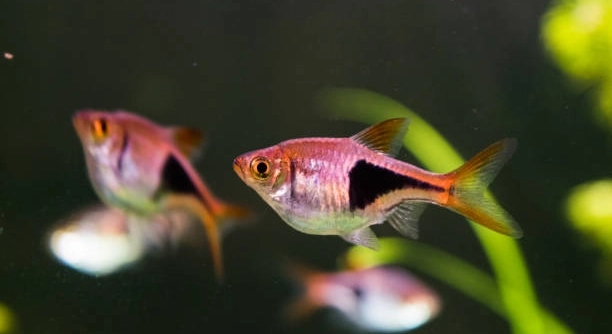
Watching your rasboras swim gracefully in the aquarium can be rewarding, yet subtle color shifts often go unnoticed. These changes are important indicators of growth and overall health, revealing how well your fish are developing over time.
Rasboras exhibit seven key color changes that correspond with growth stages. These include deepening body hues, intensified fin colors, eye brightness, scale sheen, and gradual changes in patterns. Monitoring these shifts provides a clear, objective measure of healthy development in the species.
Recognizing these color changes will help you support your rasboras’ growth and maintain a vibrant, thriving aquarium environment.
Early Body Hue Shifts
As rasboras grow, their initial pale coloring begins to deepen subtly. This first noticeable change often occurs within the first few weeks after hatching. You may observe that the body takes on a richer tone, moving from a faint silver or light brown to a more defined shade. These shifts are gradual and can vary depending on the specific species, diet, and tank conditions. Consistent observation helps in identifying healthy development, as uneven or patchy coloration may signal stress or nutritional deficiencies. Lighting and water quality also influence how colors appear, so maintaining stable conditions is crucial. Over time, this early body hue shift sets the foundation for more vivid markings and fin coloration. A balanced diet rich in natural pigments can enhance these changes, making the fish look vibrant while supporting overall health. Monitoring these early shifts allows better insight into growth progress and overall well-being.
These early color changes signal that your rasboras are maturing and adjusting to their environment successfully.
Tracking subtle hue shifts helps ensure your fish are healthy, adapting properly, and developing patterns and colors typical of their species.
Fin Color Intensification
Fin colors gradually become more prominent as rasboras grow, often displaying brighter and more saturated shades.
As rasboras continue to mature, their fins develop richer coloration, indicating strength and vitality. Initially, fins may appear translucent or dull, blending with the body, but over weeks, reds, oranges, or blues emerge more clearly. Proper nutrition plays a significant role, as pigments from foods like spirulina, krill, or other natural sources enhance fin brightness. Water conditions are equally important; stable pH levels, clean filters, and appropriate temperatures prevent stress-related fading. Fin development is also influenced by social interactions and tank size, as crowded conditions can hinder full growth. Observing how fins intensify provides valuable insight into overall health and readiness for breeding. These changes do not occur uniformly across all individuals, so patience is key. Recording and comparing weekly observations allows you to notice trends and identify if any fish are not developing as expected. Maintaining consistent care and attention ensures that these color changes are sustained and reflect proper growth patterns.
Eye Brightness
Eye brightness often increases as rasboras grow, making them appear more alert and lively.
Clear, bright eyes are a strong indicator of good health and proper growth. Dull or cloudy eyes can suggest stress, poor water conditions, or nutritional deficiencies. As fish mature, eye coloration may also slightly shift, reflecting their overall vitality and environmental adaptation.
Monitoring eye changes alongside body and fin coloration provides a fuller picture of rasbora development. Consistent water quality, a varied diet, and stable tank conditions support optimal eye health. Noticing gradual improvements in brightness can be reassuring, showing that your care practices are effective.
Scale Sheen
Scale sheen becomes more pronounced over time, adding a reflective quality to the rasbora’s body.
Shiny, reflective scales are a sign of healthy growth and indicate that the fish are receiving adequate nutrition. A lack of sheen can point to stress or deficiencies. Water quality, lighting, and diet all influence how scales reflect light. Maintaining clean, well-filtered water and offering natural pigment-rich foods enhances this effect, making the fish appear vibrant.
This sheen also helps highlight subtle patterns and body markings as rasboras mature. Over weeks, you may notice the scales reflecting light more evenly, giving the aquarium a lively, dynamic look. Observing these changes is a reliable way to track development, ensuring your rasboras are thriving. Consistency in feeding and environmental care promotes sustained scale health and overall coloration.
Pattern Definition
Patterns on the body gradually become more defined as rasboras grow. Subtle spots or stripes sharpen, giving each fish a distinct appearance.
Even small shifts in patterns signal healthy development. Irregular or fading markings can indicate stress or poor nutrition, so observing these changes is important for maintaining optimal growth.
Fin Edge Darkening
As rasboras mature, the edges of their fins often darken. This change enhances contrast and makes fins appear more structured. Proper diet and stable water conditions support this development.
Fin edge darkening reflects both age and vitality. Fish in ideal conditions show gradual, even darkening, while stress or poor nutrition may delay or unevenly affect the process. Tracking this change helps confirm healthy growth and proper care.
Body Contrast
Body contrast improves with age, highlighting natural patterns and colors. Gradual intensification adds depth to the fish’s appearance.
Contrast changes are subtle but noticeable over weeks. Clear differentiation between lighter and darker areas signifies proper growth and environmental adaptation.
FAQ
What causes color changes in rasboras as they grow?
Color changes in rasboras are primarily linked to natural growth and development. As they mature, pigments in their skin and fins intensify. Diet, water quality, and lighting all influence how vibrant these colors appear. Stress or illness can also affect pigmentation, making observation essential.
How can I tell if the color changes are healthy?
Healthy color changes are gradual and consistent across the body and fins. A uniform deepening of shades, brightening eyes, and more defined patterns are good signs. Uneven fading, patchiness, or sudden dullness may indicate stress, illness, or nutritional issues, which require attention.
When do rasboras start showing noticeable color changes?
Most rasboras begin to display subtle color shifts within the first few weeks of growth. Early changes include deeper body hues and slight fin color intensification. Over time, scales reflect light more, patterns sharpen, and fin edges darken, showing overall development.
Does diet affect the color intensity of rasboras?
Yes, diet plays a significant role. Foods rich in natural pigments, such as spirulina, krill, or carotenoid-rich flakes, enhance coloration. A varied and balanced diet ensures strong, vibrant colors while supporting overall health, growth, and fin development.
Can water conditions influence rasbora color changes?
Absolutely. Stable water conditions, including appropriate temperature, pH, and cleanliness, are crucial. Poor water quality can dull colors, cause stress, or slow development. Maintaining consistent tank conditions ensures gradual, healthy pigmentation and supports the fish’s overall well-being.
Why do some rasboras develop colors faster than others?
Individual growth rates and genetics cause variation in color development. Some fish naturally mature more quickly, while others need more time. Diet, tank environment, and stress levels can also influence the speed and intensity of color changes among fish in the same aquarium.
Are there signs that indicate unhealthy color changes?
Yes, sudden loss of color, patchy areas, or faded fins may signal stress, disease, or poor nutrition. Cloudy eyes or irregular patterns can also be warning signs. Observing these changes early allows corrective actions, such as adjusting diet or water parameters, to restore healthy development.
How long does it take for all seven color changes to appear?
The timeline varies by species and environment but generally spans several weeks to months. Early changes like body hue and eye brightness appear first, followed by fin intensification, pattern definition, scale sheen, fin edge darkening, and enhanced body contrast. Consistent care supports timely progression.
Can tank lighting affect how colors appear?
Yes, lighting impacts perceived coloration. Full-spectrum lighting highlights natural pigments, while dim or improper lighting may make colors appear dull. Balancing natural light cycles with artificial lighting ensures fish display true coloration while maintaining a stable environment.
Is monitoring color changes useful for breeding purposes?
Monitoring these changes helps identify maturity and readiness for breeding. Vibrant coloration, defined patterns, and healthy fins are indicators of sexual maturity and overall fitness, aiding in selecting suitable breeding pairs and promoting successful reproduction in the aquarium.
How often should I observe color changes in my rasboras?
Regular observation, ideally weekly, allows you to track gradual changes and identify potential issues early. Taking notes or photos over time helps compare development and ensures that all fish are growing and adapting properly to their environment.
Do stress and illness reverse color changes?
Stress, poor water quality, or illness can temporarily or permanently dull colors. Prolonged stress may delay pigmentation, while severe conditions can lead to permanent fading. Quick intervention, improving diet, and stabilizing tank conditions can often restore healthy coloration.
Are there differences between male and female rasboras in color changes?
Yes, males often develop brighter and more pronounced colors, especially in fins and body patterns. Females tend to have subtler, softer hues. These differences become clearer as the fish mature and are useful for identifying sexes for breeding purposes.
Can I enhance color changes safely?
Enhancing color naturally through a nutrient-rich diet, stable water conditions, and proper lighting is safe. Avoid chemical dyes or artificial color boosters, as these can harm fish health. Natural care ensures vibrant, healthy growth while supporting longevity and overall well-being.
How do I document color changes effectively?
Taking weekly photos under consistent lighting and maintaining a simple log of observations is effective. Note body hue, fin intensity, pattern definition, and scale sheen. Comparing records over time helps detect subtle changes and ensures proper growth and care for your rasboras.
Do tank mates affect color development?
Tank mates can influence stress levels, which indirectly affect coloration. Aggressive or overly active species may cause stress, leading to dull colors. Keeping compatible fish ensures rasboras remain calm, allowing natural color changes to progress normally and healthily.
What should I do if a rasbora’s color changes stall?
Check diet, water quality, and tank environment first. Ensure proper nutrition, clean water, and stable conditions. Reduce stress from tank mates or overcrowding. Minor adjustments usually restore healthy color development, but persistent issues may require consultation with a fish care specialist.
How long do vibrant colors last in adult rasboras?
With proper care, vibrant colors remain throughout adulthood. Maintaining a balanced diet, stable water parameters, and low-stress conditions ensures that mature rasboras retain their coloration, patterns, and fin intensity for many years, reflecting long-term health and proper growth.
Are color changes reversible if a fish becomes stressed?
Some changes may temporarily fade under stress but often return once conditions improve. Rapid improvements in diet, lighting, and water quality can restore vibrancy. Persistent dullness may indicate long-term effects of stress or illness, highlighting the importance of consistent care.
Can lighting alone trigger color changes?
Lighting affects appearance but cannot induce actual pigment development. Full-spectrum lighting enhances visibility, while stable environmental conditions and nutrition drive true color progression, ensuring natural and healthy growth of rasboras over time.
How does age impact the pace of color changes?
Younger rasboras show faster shifts in body hue and fin development, while older fish experience slower, subtler changes. Early care and nutrition significantly influence the pace, with consistent maintenance supporting timely and healthy coloration throughout life.
Are there species-specific differences in color changes?
Yes, each rasbora species develops unique color patterns, intensity, and timelines. Some species exhibit more vivid fin coloration, while others show distinct body patterns. Understanding your species’ characteristics helps set realistic expectations for growth and monitoring changes effectively.
Can I combine observation with other health checks?
Absolutely. Color monitoring complements behavior, appetite, and overall condition checks. Together, they provide a comprehensive view of fish health, helping detect early signs of stress, illness, or nutritional gaps, ensuring rasboras thrive in their environment.
How important is patience in observing color changes?
Patience is essential, as changes occur gradually over weeks to months. Regular monitoring, careful care, and minimal interference allow rasboras to develop naturally. Rushing or expecting immediate results can lead to misinterpretation or unnecessary interventions, affecting both health and coloration.
Are there seasonal effects on rasbora coloration?
Seasonal variations can influence water temperature and natural light exposure, subtly affecting color intensity. While not dramatic, ensuring consistent tank conditions throughout the year maintains stable and healthy coloration, supporting long-term growth and appearance.
Can I use supplements to boost color safely?
Natural supplements like carotenoid-rich foods or spirulina enhance pigmentation safely. Avoid synthetic dyes or chemical boosters, which can harm health. Regular, balanced feeding supports long-term vibrant colors and overall growth.
How do I know if the tank setup supports proper color development?
A suitable tank features stable water parameters, clean filtration, proper lighting, and adequate space. Observing gradual color intensification, pattern definition, and healthy fin development indicates the environment supports growth, confirming that your care practices are effective.
Do rasboras show color changes during breeding?
Yes, during breeding, males often intensify colors to attract mates. Patterns become more vivid, fins more prominent, and overall body coloration deepens. Observing these changes helps identify readiness for reproduction and indicates health and vitality in the fish.
What is the best way to track progress over time?
Weekly notes, paired with photographs under consistent lighting, provide the clearest record. Document body hue, fin intensity, patterns, and eye brightness. Comparing logs helps detect trends, identify potential issues, and ensure consistent, healthy growth.
How much does tank size impact color changes?
Adequate space reduces stress and allows natural growth, enhancing coloration. Overcrowding can dull colors and hinder development. Ensuring a proper tank size for the number of fish supports healthy, gradual color progression and overall well-being.
Can I influence color changes without changing diet or lighting?
Minimal influence occurs without diet or proper lighting. While overall health affects appearance, true pigmentation and intensity rely on nutrition, water quality, and light conditions. Supporting these factors ensures natural and sustained color changes in rasboras.
Are all seven color changes equally noticeable?
Some changes, like fin intensification and body hue, are easier to observe, while subtle shifts, such as scale sheen or eye brightness, require closer attention. Regular observation ensures all stages are tracked and helps confirm healthy growth.
Do rasboras lose color as they age?
With proper care, adult rasboras retain vibrant coloration. Aging may slightly soften shades, but consistent nutrition, stable water, and minimal stress help maintain strong, healthy colors throughout life, reflecting long-term care effectiveness.
Can stress from handling affect coloration?
Yes, handling can temporarily dull colors. Minimizing direct contact and maintaining a calm environment reduces stress-related fading. Observing color changes under normal, undisturbed conditions provides the most accurate view of growth and health.
How long should I observe each fish for accurate assessment?
A few minutes of calm observation weekly is sufficient. Focus on body, fins, patterns, and eye brightness. Consistency over time allows detection of gradual changes, ensuring accurate monitoring of development and health.
Is it normal for fish in the same tank to develop colors at different rates?
Yes, individual differences in genetics, age, and metabolism mean some fish show changes faster than others. Observing trends across all fish, rather than expecting uniform development, provides a realistic understanding of growth patterns.
Can I use color changes to assess overall tank health?
Indirectly, yes. Healthy, vibrant colors suggest stable water conditions, proper nutrition, and low stress levels. Dull or uneven coloration may indicate environmental issues, prompting review of tank maintenance and care routines.
Are there signs that indicate a fish is not thriving despite color changes?
Yes, even if colors intensify, poor appetite, lethargy, erratic swimming, or fin damage can indicate underlying problems. Combining color observation with behavior and physical checks ensures a complete understanding of fish health.
What is the first color change I should expect in young rasboras?
Body hue deepening is usually the first noticeable change. Initial pale coloring gradually intensifies, laying the foundation for later fin, pattern, and scale development. Early observation helps confirm proper growth and nutrition.
How often should I adjust lighting to support natural color changes?
Maintain a consistent light schedule, typically 8-10 hours per day. Sudden changes can stress fish and affect perceived coloration. Regular timing supports healthy pigmentation and normal day-night cycles.
Can I encourage more vivid patterns naturally?
Yes, providing a varied diet, clean water, and stable conditions enhances pattern definition. Minimal stress and proper social conditions also allow natural markings to develop fully over time.
Do younger fish display all seven color changes simultaneously?
No, changes occur progressively. Early body hue and eye brightness appear first, followed by fin color, scale sheen, pattern definition, fin edge darkening, and body contrast. Observing in sequence ensures accurate tracking of growth stages.
Are there any common mistakes in monitoring color changes?
Common mistakes include irregular observation, inconsistent lighting, or focusing only on fin colors. Tracking multiple aspects—body hue, patterns, eye brightness, and sheen—under consistent conditions gives a reliable view of development.
How does stress from tank mates manifest in coloration?
Stress can cause sudden dulling, patchy scales, or faded fins. Aggressive or fast-moving companions may trigger these changes. Adjusting tank composition and reducing overcrowding supports natural color progression and fish well-being.
Is it necessary to separate fish to monitor color changes accurately?
Separation is usually unnecessary unless individual stress is present. Observing fish within their normal group provides realistic insight into natural development, while minimizing handling stress preserves coloration and health.
Can color changes predict growth rate?
Gradual and consistent color development often correlates with steady growth. Faster or delayed pigmentation can indicate differences in metabolism, nutrition, or environmental conditions, offering a visual measure of overall development.
Do color changes occur during molting or shedding?
Rasboras do not molt like some invertebrates, but subtle scale and fin changes may accompany growth spurts. Monitoring these periods ensures healthy progression and highlights any environmental or dietary needs.
Are there any external factors that can temporarily alter coloration?
Lighting, temperature fluctuations, and water quality can temporarily change perceived colors. Sudden stress or movement can also make colors appear darker or lighter. Consistent observation under stable conditions reflects true development.
How critical is nutrition compared to other factors for color changes?
Nutrition is one of the most critical factors. Pigment-rich foods enhance coloration, while deficiencies lead to dull or uneven colors. Combined with clean water and proper lighting, diet ensures natural, vibrant development.
Do color changes stop once fish reach adulthood?
Most changes slow after maturity, but subtle intensification continues with optimal care. Adults retain vibrant colors if environmental conditions, diet, and stress levels are managed consistently.
Is there a difference in how fast fin edges darken versus body contrast develops?
Yes, fin edges often darken before full body contrast appears. These changes occur in stages, with fin coloration signaling health and readiness for later pattern definition and deeper contrasts.
How do I know when a color change is permanent?
Permanent changes are stable over weeks without regression. Gradual development, even intensification, and maintained vibrancy suggest lasting pigmentation, while fading or irregular shifts indicate temporary or stress-related changes.
Can I encourage early eye brightness naturally?
Providing stable water conditions, a balanced diet, and minimal stress encourages early eye brightness. Healthy growth and proper lighting enhance this subtle yet important visual indicator of vitality.
Do color changes differ in captive versus wild rasboras?
Captive rasboras may show slightly less intensity due to artificial diets and controlled environments, but proper care can produce vibrant, healthy coloration comparable to wild specimens. Stability, nutrition, and low stress remain key factors.
Is it possible to track all seven color changes visually?
Yes, with consistent observation, photographs, and attention to detail, all seven changes—body hue, fin color, eye brightness, pattern definition, scale sheen, fin edge darkening, and body contrast—can be tracked effectively, providing a complete growth record.
Can seasonal diet changes influence color progression?
Seasonal variations in available foods may subtly affect pigmentation. Maintaining a consistent, nutrient-rich diet year-round supports continuous, gradual color development and prevents fading or irregular changes.
How important is tank maintenance for sustaining color changes?
Regular cleaning, water changes, and monitoring of pH and temperature are essential. Proper tank maintenance prevents stress, supports healthy growth, and ensures that vibrant coloration continues throughout the fish’s life.
Do juvenile and adult rasboras respond differently to dietary pigments?
Juveniles often show faster color response to dietary pigments, while adults exhibit more gradual intensification. Both benefit from consistent nutrition, but younger fish reflect dietary improvements more quickly.
Are there environmental cues that trigger faster color development?
Stable water temperature, clean conditions, proper lighting, and minimal stress encourage natural, timely color changes. Rapid fluctuations or poor conditions may slow or alter development, affecting overall vibrancy.
Can multiple rasbora species in the same tank affect individual color changes?
Yes, species-specific interactions and stress levels can influence coloration. Compatible species minimize stress, allowing each rasbora to develop its natural colors without interference.
Do tank decorations or substrate influence color perception?
Yes, darker substrates and plants enhance contrast, making colors appear more vivid. Lighter or reflective surfaces can reduce perceived intensity, though true pigmentation remains unaffected.
How do I maintain motivation to monitor changes consistently?
Regular notes, photos, and observing subtle differences over time make tracking rewarding. Noticing improvements reinforces proper care practices and ensures a healthier, more vibrant aquarium.
Are there any signs of overfeeding affecting color development?
Overfeeding can cause bloating, poor water quality, and stress, which may dull colors or cause uneven patterns. Balanced feeding supports healthy growth and sustained coloration.
What role does genetics play in color intensity?
Genetics determine baseline coloration, patterning, and potential intensity. Environmental factors and care enhance natural pigmentation, but inherent genetic traits set limits for maximum vibrancy.
Can sudden environmental changes reverse progress in color development?
Yes, abrupt temperature shifts, water parameter changes, or overcrowding can temporarily or permanently dull colors. Gradual adjustments and stable care minimize negative impacts.
How do I differentiate between natural fading and stress-related dulling?
Natural fading occurs slowly and evenly with age, while stress-related dulling is sudden, patchy, or accompanied by behavioral changes. Observing patterns, behavior, and environmental factors helps determine the cause.
Are there any tools to help measure subtle color changes?
Photography under consistent lighting, color charts, and close observation help track subtle changes. Recording weekly ensures small shifts are noticed and documented accurately.
Can temperature alone influence coloration?
Temperature affects metabolism and pigment expression. Consistent, species-appropriate temperatures support healthy growth and gradual color intensification, while extremes can dull or alter pigmentation.
How long should I continue monitoring after all seven color changes appear?
Ongoing observation ensures that colors remain vibrant, patterns are maintained, and any signs of stress or health issues are addressed promptly. Continuous monitoring supports long-term fish health and appearance.
Is it normal for color changes to plateau at times?
Yes, periods of minimal visible change are normal. Growth and pigmentation occur in stages, with slow phases between more noticeable developments. Patience ensures accurate assessment.
Do stress hormones affect pigment production?
Yes, elevated stress hormones can reduce pigment expression, leading to dull colors. Minimizing stress through stable water, compatible tank mates, and careful handling supports natural pigmentation.
Are there behavioral signs that accompany color changes?
Active swimming, feeding responsiveness, and social interactions often accompany healthy color development. Lethargy or hiding may indicate stress, which can correlate with slowed or uneven coloration.
Can I influence color changes by altering tank water hardness?
Moderate adjustments to suit species requirements help maintain health but do not directly increase pigmentation. Proper water parameters support overall well-being, indirectly supporting natural color development
Observing rasboras grow and develop their colors can be a rewarding experience. Each subtle shift in body hue, fin intensity, or scale sheen tells a story of natural growth and adaptation. Tracking these changes helps confirm that the fish are healthy and thriving in their environment. Gradual color intensification reflects proper nutrition, stable water conditions, and minimal stress. Over time, even small details such as eye brightness or fin edge darkening can indicate the success of care practices. Maintaining a balanced diet, clean water, and appropriate lighting supports these changes naturally. By paying attention to these visual cues, you gain a better understanding of your fish’s well-being and can make adjustments if needed. Consistency in observation is key, as color development occurs progressively and sometimes subtly. Documenting these changes through notes or photographs provides a reliable record of growth, making it easier to identify patterns and ensure all fish are developing properly.
Healthy color changes also play a role in social and reproductive behavior. Vibrant colors and defined patterns often reflect confidence and vitality within the tank. Male rasboras, in particular, display brighter hues when interacting with other fish or during breeding periods, which is a natural sign of maturity. Even females, though subtler in color, show shifts that indicate their overall condition. Observing these interactions alongside color progression allows a more complete understanding of behavior and health. Environmental factors, such as tank size, compatible companions, and structured hiding spaces, contribute to natural expression of colors. When fish are comfortable and secure, they show their true coloration more fully. Attention to detail in tank maintenance—such as monitoring pH, temperature, and water clarity—ensures that fish experience minimal stress, which directly affects their pigmentation. Subtle adjustments to lighting or placement of plants can further enhance how colors appear, making the tank visually balanced while promoting natural growth.
Long-term care and patience are essential in supporting color development. Rasboras do not develop all seven changes at once, and growth rates can vary between individuals. While some fish intensify quickly, others require more time to show the same changes. Understanding this variability helps prevent unnecessary concern and ensures that care remains steady and appropriate. Providing a stable, nutrient-rich environment allows all fish to gradually reach their full potential. Even as adults, maintaining proper nutrition and low-stress conditions ensures that colors remain vibrant and patterns stay defined. Observing and supporting these changes over time fosters a healthier, more visually striking aquarium. Regular attention to these details not only improves the aesthetic appeal of the tank but also promotes the long-term well-being of your rasboras. By combining careful observation, consistent care, and patience, you create conditions where each fish can thrive and display the natural beauty of its species. This approach ensures that color development remains a reliable indicator of health and growth, giving you confidence in your ability to support your fish effectively.

Hello,
If you enjoy the content that we create, please consider saying a "Thank You!" by leaving a tip.
Every little bit helps us continue crafting quality advice that supports the health, happiness, and well-being of pets around the world, for pets of all shapes, sizes, and species.
We really appreciate the kindness and support that you show us!