
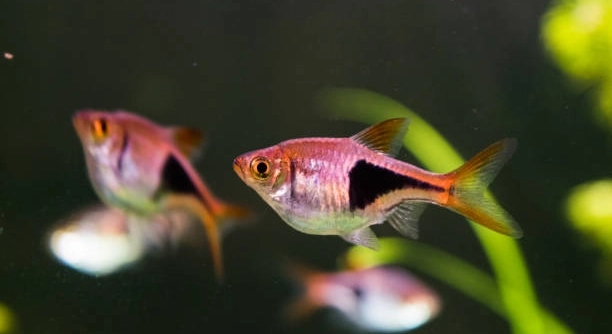
Have you ever noticed your rasboras swimming together and wondered how they feel in smaller numbers? These small, lively fish often show distinct social behaviors that make observing them fascinating for any aquarist.
Rasboras are social creatures that thrive in groups of six or more. When kept in smaller numbers, they may experience stress and display shy or withdrawn behavior, indicating that their social needs are not fully met in limited company.
Learning about their social habits helps ensure a healthier and more active aquarium environment for these charming fish.
Understanding Rasboras’ Social Behavior
Rasboras naturally swim in schools in their habitat. Being in a group helps them feel safe and confident. In small groups, they may hide more often or hesitate to explore the tank. Observing their interactions, you can see clear signs of comfort when more fish are present. Their movements are coordinated, and they often follow each other closely. Small groups can limit these behaviors, making them less active. Even feeding patterns change, with shy fish waiting for others to eat first. Tank decorations, plants, and open spaces also influence how comfortable they feel. Providing hiding spots helps, but it does not replace the benefits of a larger group. Their schooling instinct is strong, and they rely on numbers for reassurance. Ignoring this need can lead to health problems over time. Proper care involves maintaining enough numbers to allow natural behavior. Keeping at least six or more supports both mental and physical well-being.
Smaller groups can lead to stress, which may show as lethargy or loss of appetite.
Ensuring a tank has the right number of rasboras is essential. Group size affects movement, interaction, and overall health. Watching them closely can reveal subtle changes in behavior when numbers are too low. Feeding schedules, tank size, and hiding places all play a role, but the group dynamic remains the most important factor. Adding new fish should be done gradually to avoid sudden stress. Over time, a well-sized group will display active schooling, playful swimming, and balanced feeding. Observing these behaviors helps maintain a lively, healthy environment. Adjusting tank conditions to meet their social needs improves both lifespan and quality of life. Providing a consistent environment with adequate companions allows them to thrive naturally.
Signs of Loneliness in Rasboras
When rasboras are alone or in very small numbers, their behavior changes noticeably.
Lonely rasboras may cling to corners, avoid open swimming, or show reduced interest in food. Their colors can fade, and they often spend more time hiding. Regular interaction within a group keeps them lively, alert, and displays their natural patterns. Even subtle changes, like less synchronized swimming, indicate discomfort. Monitoring these signs allows for timely adjustments, such as adding more companions or enriching the tank. A proper group supports natural instincts and promotes healthy development, ensuring they remain active and visually vibrant throughout their life. Providing enough companions and a safe environment helps reduce stress and encourages natural behaviors that are critical for their well-being. Observing them closely ensures they remain healthy, happy, and dynamic in the tank, preventing long-term behavioral or health issues.
Ideal Group Size for Rasboras
A minimum of six rasboras is recommended to maintain social stability. Smaller numbers can cause stress, reduced activity, and hiding behavior. Groups of eight to ten allow natural schooling and improve overall well-being.
Maintaining an adequate group size encourages interaction and reduces aggression. Rasboras in larger schools display more confident swimming, explore more of the tank, and eat consistently. They rely on the presence of others to feel secure, especially in unfamiliar surroundings. Insufficient numbers may lead to erratic movements, isolation, or dull coloration. The balance of group dynamics ensures each fish feels safe and can participate in social behavior. Observing these patterns helps adjust numbers if any fish appear withdrawn or stressed.
Adding new rasboras should be gradual to prevent stress and maintain harmony. Sudden changes in group size or tank environment can trigger hiding or chasing behaviors. Introduce newcomers slowly, ideally matching size and species traits, to integrate them smoothly. Monitoring interactions over time helps ensure the school remains cohesive. Tanks with adequate group size reduce stress-induced health issues and promote natural behavior, creating a lively and balanced aquatic environment where each fish thrives and exhibits its full potential.
Tank Setup to Support Social Needs
Space and environment are essential for healthy rasboras. A cramped tank limits schooling and can increase tension among fish.
Providing open swimming areas alongside plants and hiding spots allows rasboras to feel secure while interacting naturally. Avoid overcrowding, as it can lead to stress and competition for resources. Decorations should be arranged to offer both open zones and sheltered areas, supporting social behavior. A well-planned setup encourages exploration, group cohesion, and active swimming. Water parameters, such as temperature, pH, and filtration, must remain stable to prevent additional stress. Regular observation ensures that the tank continues to meet their social and environmental needs.
Plants, rocks, and gentle currents help maintain natural schooling patterns. By mimicking their natural habitat, rasboras remain confident and active, displaying their characteristic behavior. Open spaces allow for synchronized swimming, while hiding spots provide refuge when needed. A thoughtful layout supports feeding routines, reduces aggression, and encourages consistent coloration. Proper lighting and water quality enhance comfort and visual appeal. Monitoring the tank over time helps identify areas for improvement. Ensuring enough space, companions, and environmental enrichment allows rasboras to thrive, maintaining both physical health and social well-being in a balanced aquarium setting.
Effects of Small Groups
Rasboras in small groups may become timid and spend more time hiding. They often avoid open areas and display less active swimming patterns. Stress can increase, affecting appetite and overall health, showing that numbers directly impact behavior and comfort in the tank.
Limited social interaction reduces natural schooling and coordination. Fish may swim irregularly or lag behind, which is not typical behavior. These subtle changes signal that their social needs are not being met. Maintaining an appropriate group size prevents these issues and encourages healthier, more confident fish.
Feeding Behavior Changes
Rasboras in smaller groups may hesitate to eat or wait for others to start. Competition is reduced, but stress can suppress appetite. In larger groups, feeding becomes synchronized, and fish are more active and confident. Consistent group size ensures proper feeding patterns and supports natural behavior.
Integrating New Rasboras
Adding new fish gradually prevents stress and helps maintain balance. Sudden changes can disrupt social cohesion and lead to hiding or chasing. Gradual introduction allows the group to adjust, reducing stress and supporting healthy interactions.
Observing Behavior
Regular observation helps identify stress or loneliness. Changes in swimming patterns, appetite, or coloration signal that adjustments may be needed to support the group’s well-being.
How many rasboras should I keep together?
Rasboras are schooling fish and feel most comfortable in groups of six or more. Smaller numbers can make them shy or stressed, while larger groups encourage active swimming, interaction, and natural behavior. Keeping at least six ensures they remain confident, explore the tank, and feed regularly.
What happens if I keep only two or three rasboras?
Small groups can lead to stress and hiding behavior. Fish may become timid, swim irregularly, or show dull coloration. Appetite may decrease, and their overall activity drops. Social interactions are limited, which reduces confidence and can affect their health over time. A small group is insufficient for their natural instincts.
Can rasboras get along with other species if they are lonely?
While rasboras are peaceful and can share a tank with other calm fish, other species do not replace their need for companionship within their own group. They rely on their school for safety and coordination. Other fish may provide visual stimulation but won’t fulfill schooling behavior.
How can I tell if my rasboras are stressed?
Signs of stress include hiding frequently, swimming erratically, reduced appetite, fading colors, and lack of synchronized movement. Stress may also cause them to cling to corners or remain at the bottom of the tank. Observing these behaviors early allows you to adjust group size or tank conditions.
Is tank size important for their social behavior?
Yes, the tank must have enough space for a proper school. A cramped tank can intensify stress and reduce natural schooling behavior. Open swimming areas combined with plants and decorations help rasboras feel secure while allowing them to interact naturally and maintain healthy movement patterns.
Should I introduce new rasboras gradually?
Yes, adding new fish slowly prevents stress and maintains social cohesion. Sudden changes can cause hiding or chasing behaviors. Gradual introductions, ideally matching size and species, allow the school to adjust and maintain harmony while encouraging natural schooling and feeding behaviors.
Can small groups affect their lifespan?
Chronic stress from being in too few numbers can weaken the immune system and increase susceptibility to disease. Proper group size supports mental and physical health, reducing stress-related health issues. A well-sized school promotes active behavior, proper feeding, and overall longevity.
Do rasboras form bonds within their group?
They show coordinated swimming and often stay close to certain members of the school. While not “bonding” in a human sense, these patterns indicate comfort and social structure within the group. Smaller numbers disrupt these dynamics, leading to stress and isolation behaviors.
Are there ways to reduce loneliness without increasing numbers?
Providing hiding spots, plants, and decorations can help reduce stress, but these cannot replace the need for a sufficient group. Environmental enrichment supports comfort but does not fulfill the natural schooling instinct, so maintaining an adequate number of companions is essential.
How do I monitor their social health?
Watch for consistent schooling, active swimming, synchronized movement, and appetite. Changes in these behaviors, like hiding, lethargy, or reduced feeding, indicate the group may be too small or stressed. Adjusting numbers or tank setup helps maintain their social and physical well-being.
Can male and female rasboras be kept together?
Yes, males and females can be kept in the same group, and mixed groups tend to school well. A balanced ratio encourages natural interaction without increasing aggression, supporting healthier social behavior. Observation ensures that all fish remain active and confident.
What is the ideal group size for different tank sizes?
A standard recommendation is six to ten rasboras for tanks up to 20 gallons. Larger tanks can accommodate bigger schools, which improves schooling behavior and reduces stress. Always consider swimming space, hiding areas, and water quality to maintain optimal conditions for social and physical health.
Do rasboras show signs of loneliness at night?
They may cluster together or remain inactive if stressed. While rest is normal, excessive clustering or hiding can indicate insufficient group size or environmental stress. Adequate companions and proper tank setup help maintain confidence and reduce anxiety even during low activity periods.
How does feeding behavior indicate loneliness?
In small groups, rasboras may hesitate to eat, wait for others, or show less interest in food. Active, synchronized feeding in a proper school indicates confidence and healthy social dynamics. Adjusting group size often resolves feeding hesitation and restores natural behavior.
Are there any special considerations for new tanks?
New tanks can be stressful due to unfamiliar surroundings. Maintaining at least six rasboras helps them feel secure. Plants, hiding spots, and gradual introduction of newcomers minimize stress and encourage natural schooling from the start. Regular observation ensures they adapt properly.
Can environmental changes reduce loneliness?
While proper lighting, plants, and decorations improve comfort, these factors alone cannot replace a sufficient school. Environmental enrichment supports security and exploration but does not fulfill the social instincts that keep rasboras active and healthy. Group size remains the primary factor for social well-being.
How do I safely increase my school size?
Introduce new rasboras slowly, ideally matching size and temperament. Quarantine newcomers to prevent disease, and observe integration closely. Gradual additions reduce stress and support a cohesive school, promoting natural swimming patterns, social interactions, and overall confidence among all fish.
What role does water quality play in social behavior?
Stable water conditions reduce stress, supporting normal schooling and activity. Poor water quality can exacerbate stress from small group size, leading to hiding, lethargy, and health issues. Maintaining temperature, pH, and cleanliness is essential for both physical and social well-being.
How can I encourage interaction in my group?
Open swimming areas, consistent feeding, and gentle currents promote movement and coordination. While decorations provide security, interaction is mainly driven by group size. A sufficient number of rasboras ensures natural schooling, active behavior, and healthy social dynamics throughout the day.
Are some rasbora species more social than others?
Yes, species like Harlequin Rasboras are highly schooling, while others may be slightly less dependent on large groups. Researching the specific species helps determine ideal numbers and tank setup to support social behavior effectively. Observation ensures adjustments are made as needed.
What is the minimum number to prevent stress in all species?
Most rasboras require at least six individuals to display normal behavior and reduce stress. Maintaining this minimum ensures schooling, proper feeding, and active swimming. Exceeding six improves social stability and overall confidence, supporting both physical and behavioral health.
How often should I monitor their behavior?
Daily observation is recommended to detect early signs of stress or isolation. Look for hiding, irregular swimming, reduced appetite, or color changes. Prompt adjustments to group size, environment, or feeding routines prevent long-term health and behavioral problems.
Can loneliness lead to disease?
Chronic stress from insufficient companions weakens the immune system, making rasboras more susceptible to infections and illness. Maintaining adequate group size, stable water conditions, and proper nutrition supports both social and physical health, reducing the likelihood of disease.
Is there a difference between juveniles and adults in social needs?
Both require groups for proper development and behavior. Juveniles benefit from schooling to learn movement patterns, while adults maintain confidence, feeding habits, and coloration through social interaction. Inadequate numbers affect both age groups similarly, emphasizing the importance of group size throughout life.
How do I know if my tank setup supports social behavior?
Observe swimming patterns, feeding, and interaction. Adequate space, hiding spots, stable water parameters, and sufficient companions all contribute to healthy social behavior. Adjusting any of these factors ensures a comfortable and active environment, helping rasboras maintain natural schooling and confidence.
Can I mix small and large rasboras together?
It is best to keep similarly sized individuals together. Large size differences can cause stress, uneven schooling, or competition for food. Matching size promotes cohesion, smooth interaction, and proper social dynamics within the group. Observation helps ensure harmony and natural behavior.
How long does it take for a new group to settle?
With gradual introduction and proper tank conditions, rasboras usually adjust within a few days to a week. Monitoring behavior, feeding, and interaction ensures the group integrates smoothly and schooling behavior returns to normal. Patience is key for stability and confidence.
Do rasboras ever prefer smaller groups?
No, they consistently show better health, activity, and confidence in larger schools. Small groups often cause stress and reduce natural behavior. Maintaining at least six ensures they remain active, social, and visually vibrant in the tank.
How can I prevent stress when increasing tank population?
Introduce fish slowly, maintain water quality, provide hiding spots, and observe interactions. Gradual changes allow the school to adapt naturally, preventing hiding, chasing, or aggression while supporting healthy social behavior.
Are there signs that the group size is too large?
Overcrowding can lead to competition, stress, or reduced swimming space. While rasboras enjoy company, the tank must provide enough space and hiding spots. Observing aggression, chasing, or constant hiding indicates the need to reduce numbers or improve tank setup.
Does lighting affect social behavior?
Proper lighting supports activity and color display. Too bright or inconsistent lighting may cause hiding or stress. Balanced lighting, combined with sufficient companions and tank structure, encourages normal schooling, feeding, and exploration throughout the day.
How can I make a small tank suitable for rasboras?
If tank size is limited, keep fewer fish but ensure at least six, provide plants and open swimming areas, and maintain stable water conditions. Environmental enrichment supports comfort but cannot replace the need for proper group size. Observation is key.
What is the best way to encourage schooling in a new tank?
Introduce enough fish, provide open swimming spaces, stable water conditions, and minimal stress. Gradual acclimation and consistent feeding encourage natural coordination, allowing rasboras to form cohesive groups and display typical social behavior effectively.
How do I prevent isolation in a mixed-species tank?
Ensure at least six rasboras are present, avoid aggressive tank mates, and maintain open swimming areas. Monitoring behavior helps confirm they remain active, feed properly, and interact within their own group, preventing stress or isolation in a diverse aquarium.
Can stress from small groups affect reproduction?
Yes, insufficient companions can reduce breeding behavior. Rasboras require social stimulation for mating cues, synchronized movements, and confidence. Maintaining a proper school increases the likelihood of successful breeding and overall health of the group.
Are there behavioral differences between males and females in small groups?
Males may display less active swimming or chasing in insufficient groups, while females may hide more frequently. Both sexes rely on schooling for confidence and natural behavior. Proper numbers ensure balanced interaction and prevent stress-related issues for all fish.
Does temperature influence social activity?
Stable temperature supports activity and confidence. Fluctuations can cause hiding or lethargy, compounding stress from small groups. Maintaining optimal temperature ensures schooling, feeding, and natural interactions remain consistent.
Can plants replace the need for companions?
Plants provide security and reduce stress but cannot replace the social instincts of schooling. Rasboras require sufficient group size for natural behavior, while plants serve as environmental enrichment to complement, not replace, companionship.
What should I do if one fish is always alone?
Check group size and tank setup. Isolated fish may need more companions or rearranged hiding spots to encourage interaction. Gradual additions or adjustments restore natural schooling, confidence, and proper social behavior.
How often should I add new fish to maintain social health?
Only as needed. Regular monitoring helps determine if the school size remains optimal. Adding fish too often or too many at once can stress the group. Gradual adjustments maintain cohesion and prevent disruptions.
Do rasboras have favorite companions?
They show preference for certain individuals in coordinated swimming, but all rely on the school for safety. Small groups reduce these interactions, highlighting the importance of maintaining adequate numbers to support social structure and confidence.
Can loneliness affect coloration?
Yes, stressed or isolated rasboras often lose vibrancy. Proper schooling restores confidence, activity, and natural coloration, reflecting better health and well-being. Maintaining group size is critical for visual and behavioral health.
How do I prevent bullying in small groups?
Adequate numbers reduce aggression. Small groups can increase dominance behaviors, causing hiding or stress. Maintaining at least six individuals ensures smoother interactions and minimizes bullying while supporting normal schooling and confidence.
Are juvenile rasboras more sensitive to group size?
Yes, juveniles rely on schooling to learn swimming patterns and feel secure. Small groups can stunt confidence and activity, affecting development. Adequate numbers support growth, natural behavior, and healthy social skills.
Does filtration affect social behavior?
Proper filtration ensures clean water, supporting activity and feeding. Strong currents may stress shy individuals, especially in small groups. Balanced filtration maintains comfort, encouraging schooling and reducing stress-related behavior.
Can seasonal changes impact social activity?
Temperature and light variations may affect activity levels. Sufficient companions help maintain consistent schooling and confidence, buffering minor environmental fluctuations. Adequate group size ensures behavior remains predictable and healthy throughout seasonal changes.
Is there a difference in behavior between tank-bred and wild-caught rasboras?
Wild-caught fish may be more cautious in small groups, while tank-bred fish adjust more readily. Both require proper schooling to display natural behavior, interact confidently, and maintain feeding patterns. Group size remains critical for both types.
How do I encourage feeding in a small group?
Feed consistently and offer live or floating foods to stimulate interest. Open areas help timid fish access food. While enrichment helps, adding companions is the most effective way to restore confident feeding patterns.
What are the long-term effects of small groups?
Chronic stress, reduced activity, dull coloration, suppressed appetite, and weakened immunity can result. Maintaining adequate group size supports physical health, natural behavior, and social confidence, ensuring longevity and well-being.
How do I balance tank mates for social stability?
Choose peaceful species, provide sufficient space, and maintain at least six rasboras. Avoid aggressive or fast-moving fish that may intimidate the school. Balanced tank composition ensures harmonious interaction and natural schooling behavior.
Are there visual signs of loneliness besides behavior?
Faded colors, clinging to corners, and lack of synchronized movement indicate stress. Maintaining proper group size restores vibrancy, confidence, and typical schooling patterns. Observation allows timely interventions to support social and physical health.
How often should I rearrange decorations for comfort?
Occasional adjustments prevent boredom and promote exploration, but frequent changes can stress small groups. Maintain familiar hiding spots and open swimming areas while adding minor variations to encourage activity.
Can small groups affect their immune system?
Yes, stress from insufficient companions weakens immunity, increasing susceptibility to illness. Proper group size, combined with stable water conditions, balanced diet, and environmental enrichment, supports both social and physical health.
What is the best way to introduce multiple new rasboras?
Add them gradually, matching size and temperament, and monitor interactions. Quarantine if needed to prevent disease. Slow integration allows smooth adjustment, maintains cohesion, and encourages confident schooling.
Does water flow impact social behavior?
Gentle currents support natural swimming and schooling. Strong or uneven flow may stress smaller groups, causing hiding or fatigue. Balanced flow promotes confidence, interaction, and active movement in a well-sized school.
How do I prevent dominance issues?
Maintain at least six individuals, provide hiding spots, and monitor interactions. Small groups can increase aggression or hiding. Adequate numbers distribute social tension and maintain harmony within the school.
Are there signs that the group size is optimal?
Active schooling, synchronized swimming, confident feeding, vibrant coloration, and minimal hiding indicate a well-sized group. Observation confirms that social, behavioral, and physical needs are being met.
Can water temperature drops increase loneliness behavior?
Lower temperatures may reduce activity and confidence. Sufficient companions help maintain schooling and reduce hiding. Stable, appropriate water temperature is essential for social stability and overall well-being.
Does tank shape matter for social behavior?
Elongated tanks allow more space for schooling and coordinated swimming. Narrow or cramped tanks restrict movement, increase stress, and reduce natural interaction. Proper tank dimensions support social and physical health.
What is the best way to recover a stressed small group?
Increase numbers gradually, provide hiding spots, maintain stable water parameters, and ensure consistent feeding. Monitor behavior and adjust decorations to encourage schooling and confidence. Recovery may take several days to a week.
Can seasonal lighting affect schooling?
Yes, consistent lighting supports activity and interaction. Abrupt changes may cause hiding or stress. Balanced lighting, along with proper group size, ensures confident, natural schooling behavior throughout the day.
How do I prevent feeding competition in larger groups?
Provide multiple feeding points and open spaces. This allows all individuals to access food without stress or aggression. Adequate group size promotes natural, synchronized feeding while reducing conflict.
Are shy individuals more affected by small groups?
Yes, timid fish are more likely to hide, eat less, and display stress in insufficient groups. A larger school encourages confidence, exploration, and normal social behavior, reducing the impact of individual temperament.
Can water chemistry fluctuations worsen loneliness effects?
Yes, unstable pH, hardness, or temperature can increase stress in small groups. Stable water conditions combined with sufficient companions support natural behavior, activity, and overall well-being.
Do rasboras interact with other species differently when lonely?
They may cling to corners, avoid interaction, or hide more. While other species provide visual stimulation, they do not fulfill schooling instincts. Maintaining proper numbers is essential for healthy social behavior.
How long does it take for new companions to improve behavior?
Improvement can be seen within days, with synchronized swimming, confident feeding, and reduced hiding. Full adjustment may take a week or more, depending on group size and tank conditions. Observation ensures smooth integration.
Are some rasboras more independent than others?
Some species or individuals may tolerate smaller groups better, but all rely on schooling for optimal behavior. Maintaining at least six ensures confidence, activity, and social health regardless of personality differences.
Can environmental enrichment replace social interaction?
Enrichment like plants, hiding spots, and gentle currents supports comfort and exploration but cannot replace the social needs of a proper school. Adequate numbers remain critical for natural behavior and reduced stress.
How do I know if my interventions are working?
Observe swimming patterns, feeding behavior, coloration, and interaction. Reduced hiding, active schooling, and synchronized movement indicate that group size, environment, and enrichment support social and physical health.
What is the most important factor for rasbora social health?
Group size remains the key factor. Maintaining at least six individuals, along with a suitable tank setup and stable water conditions, ensures natural schooling, confident behavior, and overall well-being.
Rasboras are naturally social fish that thrive in groups. Observing them swim together highlights their coordinated behavior and confidence, which is hard to replicate in smaller numbers. When kept in insufficient groups, they may hide more, swim erratically, or show reduced interest in food. These behaviors are clear indicators of stress and loneliness. Understanding their social needs is essential for maintaining a healthy tank and ensuring that all fish remain active and confident. Providing at least six rasboras is generally the minimum to support natural schooling behavior, and larger groups tend to display even better interaction and activity. Their schooling instincts are not just for show; they help reduce stress, encourage feeding, and improve overall well-being. Tank conditions, such as space, hiding spots, and water quality, play a role, but they cannot replace the need for proper companionship. Watching your rasboras carefully can help identify early signs of loneliness or stress, allowing you to adjust their environment or group size before it affects their health.
A well-planned tank supports social and physical health simultaneously. Open swimming areas allow rasboras to move freely and display natural coordination, while plants and decorations provide security and resting spots. Both aspects are important for reducing stress, especially in new or small groups. Gradual introduction of new fish helps maintain harmony, ensuring that the school remains cohesive and active. Feeding routines are also affected by group size, with larger schools often displaying synchronized, confident behavior at mealtimes. Small groups may hesitate to eat or rely on others to start, which can result in inconsistent nutrition. Monitoring behavior, coloration, and activity levels can help you determine whether the group size is appropriate. Even subtle changes, like a fish lingering at the bottom or avoiding open areas, can signal that adjustments are needed. Balancing the number of fish, tank size, and environmental enrichment ensures that rasboras remain comfortable, active, and healthy over time.
Social behavior directly affects the overall health and longevity of rasboras. Fish in adequately sized groups tend to have stronger immune systems, maintain vibrant colors, and display normal schooling patterns. Loneliness or small group sizes can cause chronic stress, weakening the fish and increasing the risk of illness. Providing a stable environment, proper nutrition, and enough companions supports their physical and mental well-being. Even in mixed-species tanks, the presence of sufficient rasboras of the same type is crucial for natural interaction. Paying attention to their behavior and adjusting numbers or tank conditions as needed allows them to flourish. Ultimately, understanding their social instincts and creating the right conditions ensures a lively, confident, and healthy aquarium where rasboras can truly thrive.

Hello,
If you enjoy the content that we create, please consider saying a "Thank You!" by leaving a tip.
Every little bit helps us continue crafting quality advice that supports the health, happiness, and well-being of pets around the world, for pets of all shapes, sizes, and species.
We really appreciate the kindness and support that you show us!